
Episode 64: Raphael Shelton, doing the hobby "just for fun," and what we're playing with on our work benches now
/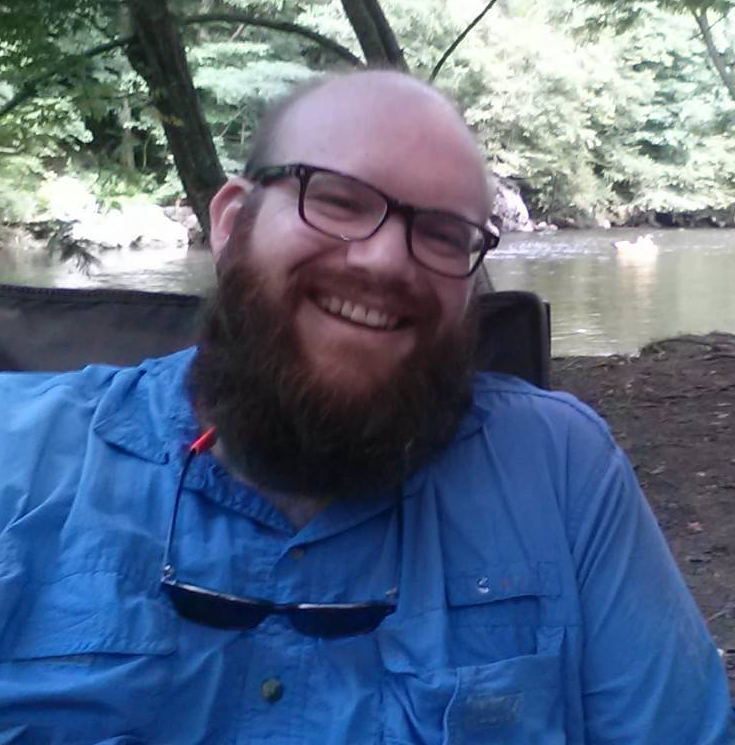
In this episode, Jim talks with Norris, Tennessee-based modeler Raphael Shelton, who Barry thought had an interesting perspective on “doing the hobby just for fun,” something those of us who are obsessed about this thing of ours (and who talk about it on a podcast) can sometimes forget. Not all of our listeners and fellow makers go to shows, worry about constantly improving, or even share their efforts with other modelers.
Raphael laid out his thoughts about all of this in a wonderfully eloquent email to Small Subjects—a fine blog essay, really—which is tacked on at the end of this post, and which Jim asked our guest to expound on. (Barry had a washing machine crisis to deal with, and had to bail on the interview at the last minute, as you’ll hear.)
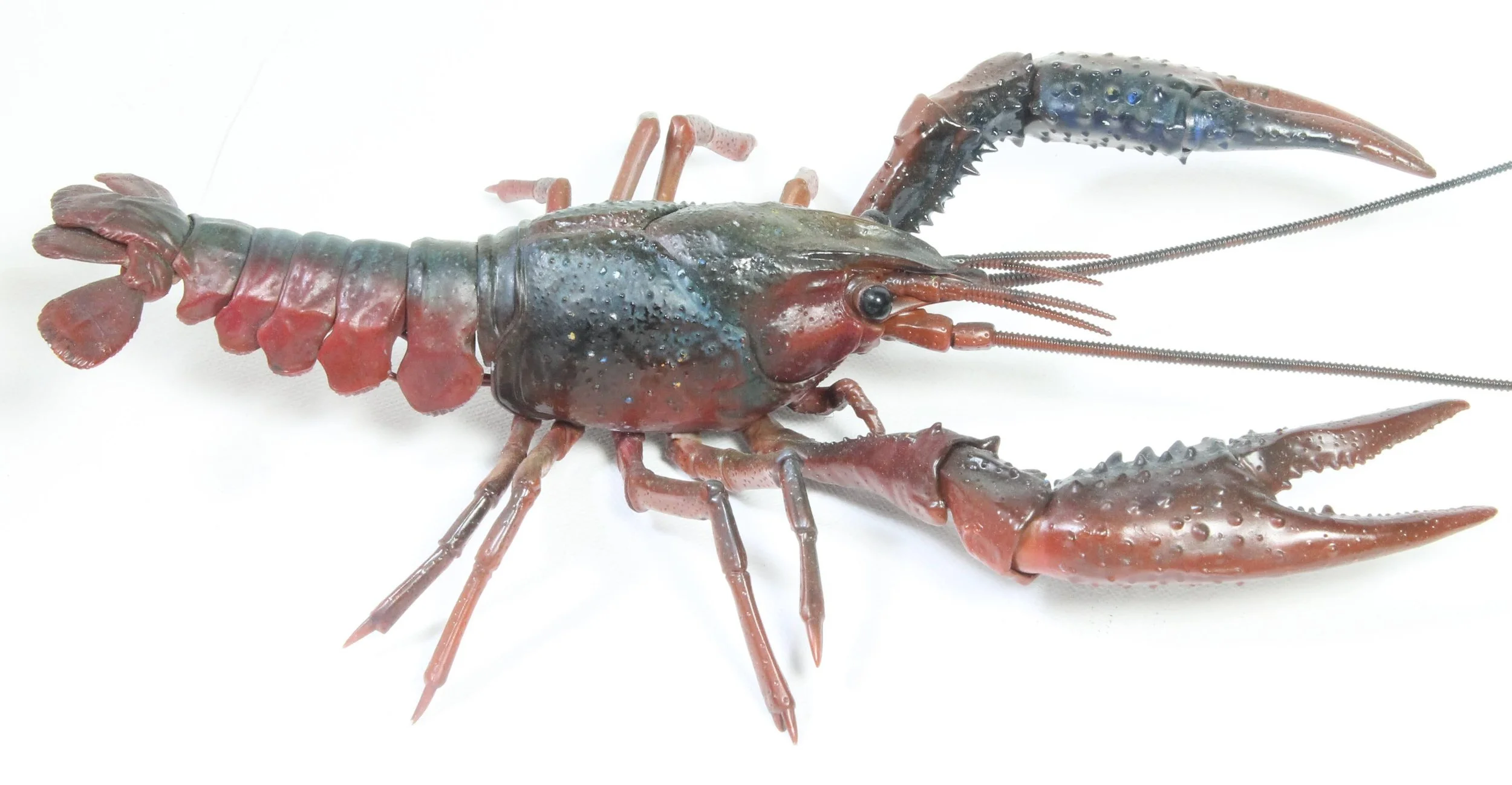
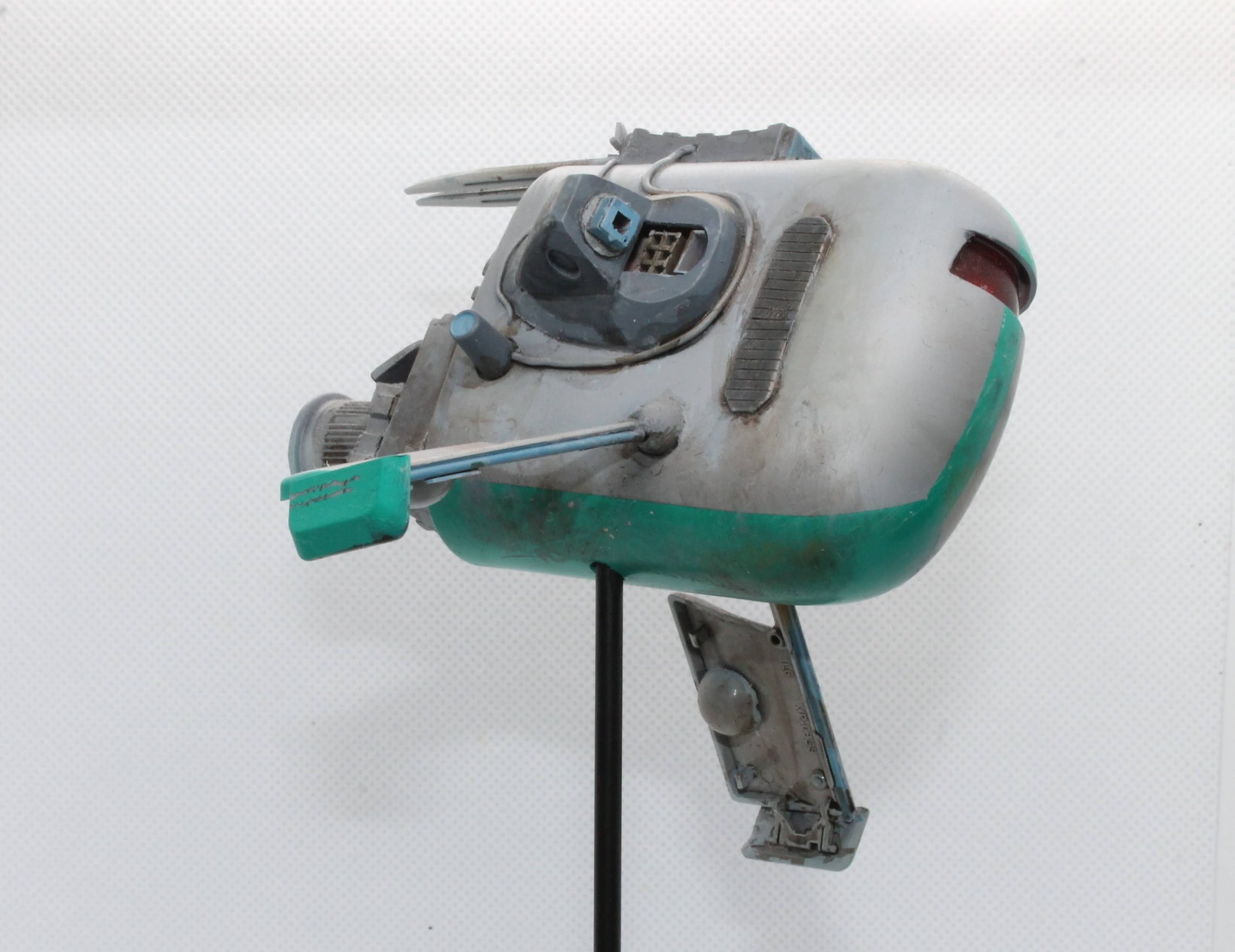
Jim and Barry both think that Raphael sells himself short as a maker. Judge for yourself: Here are some photos of his work.
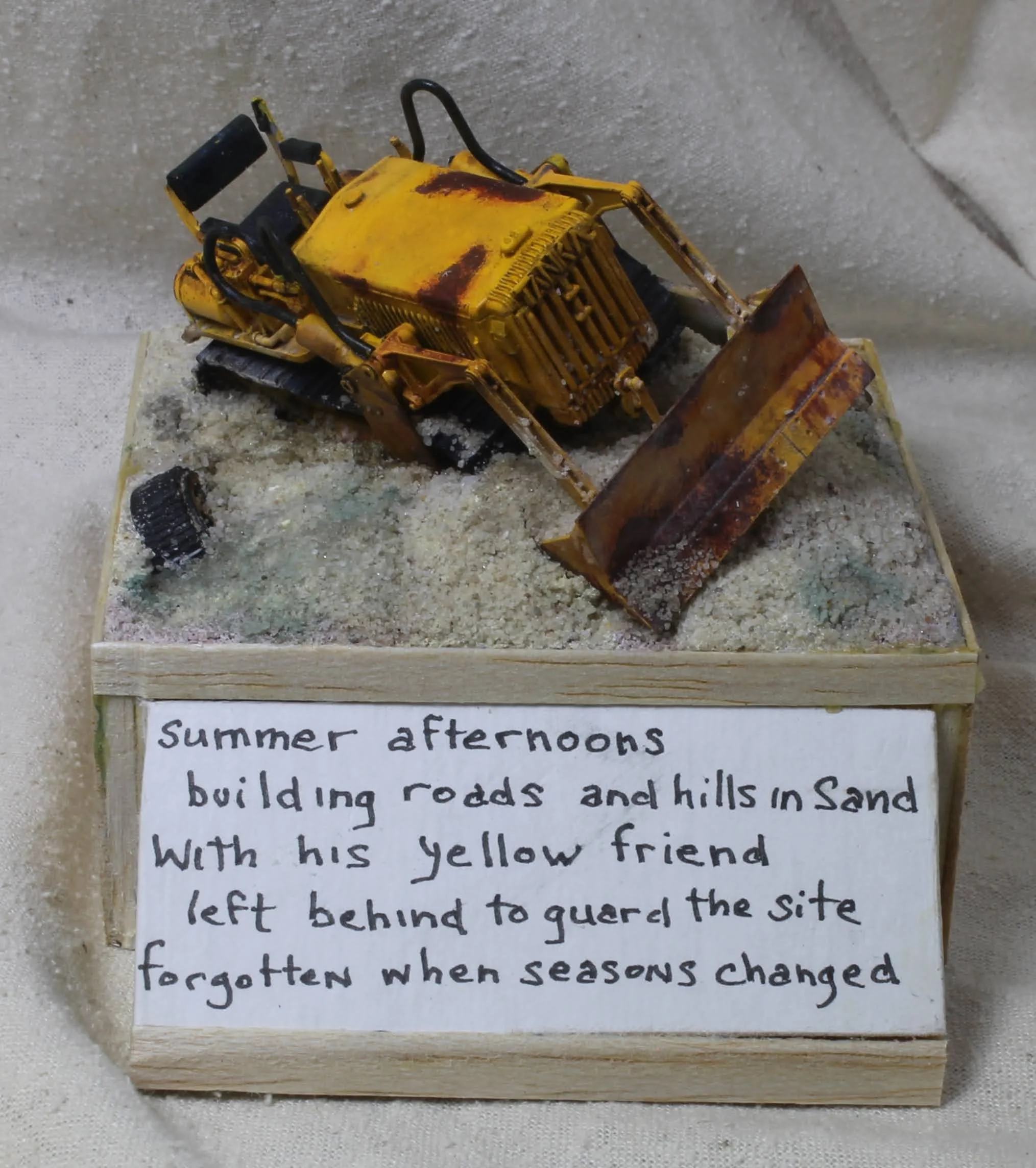
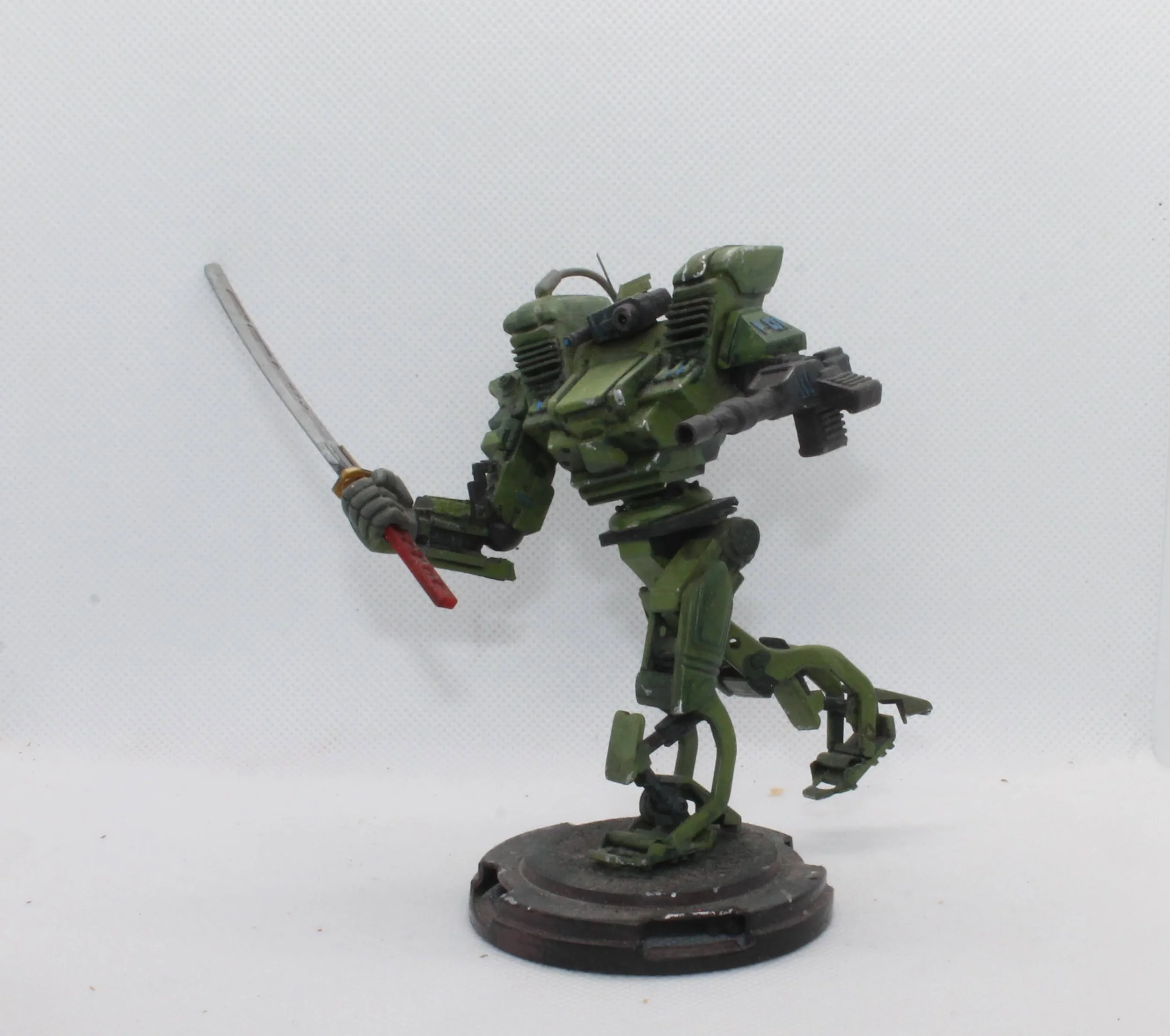
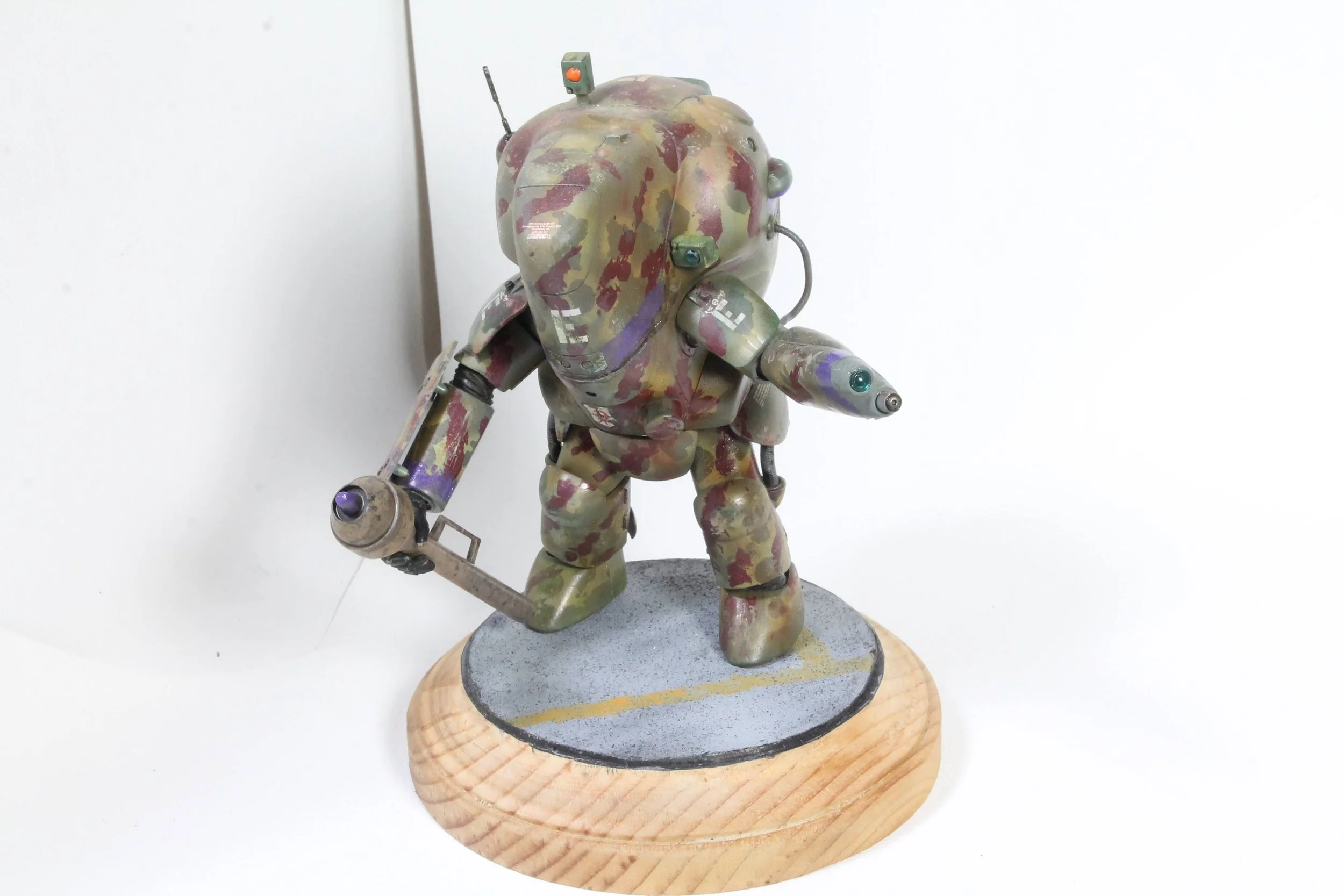
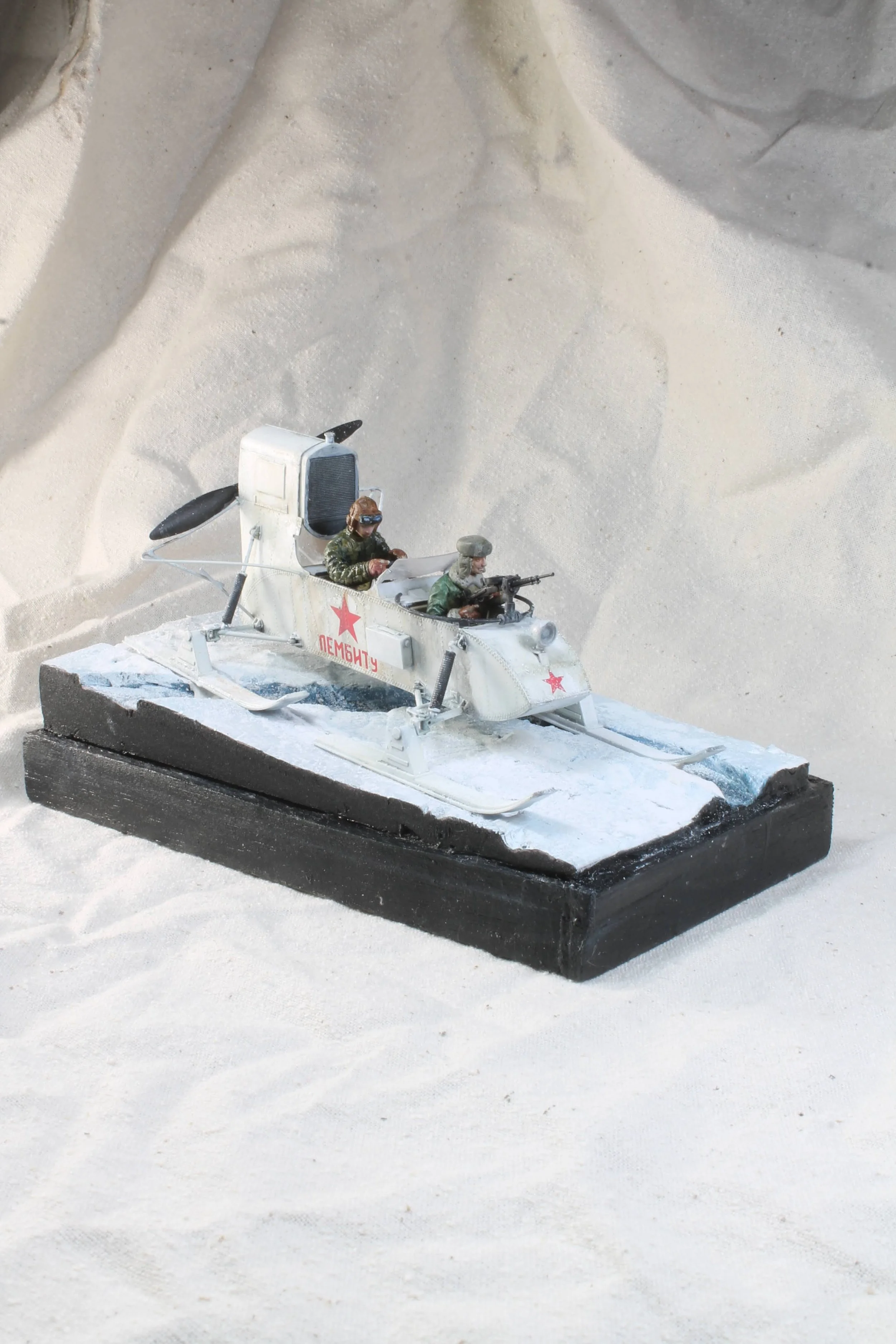
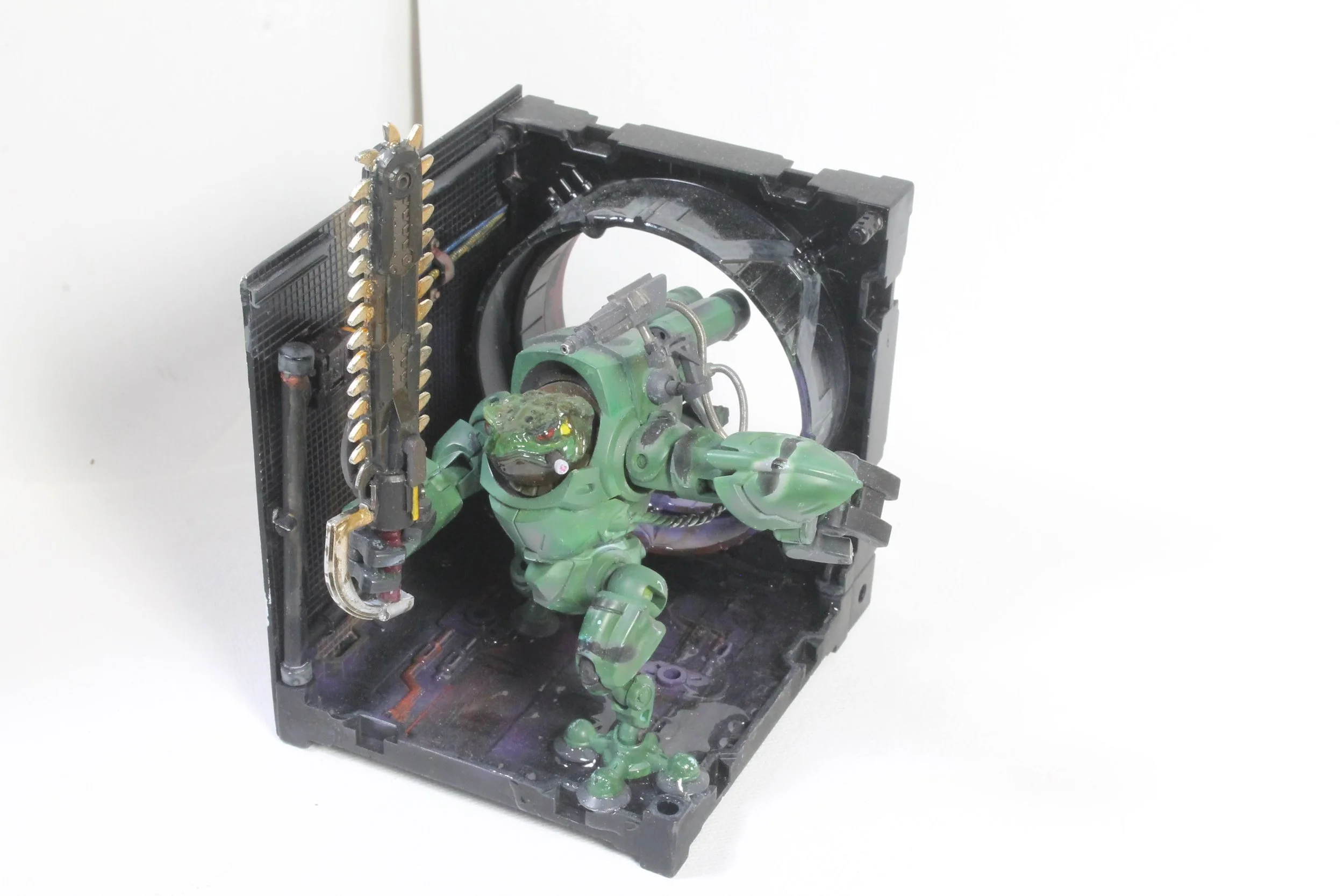
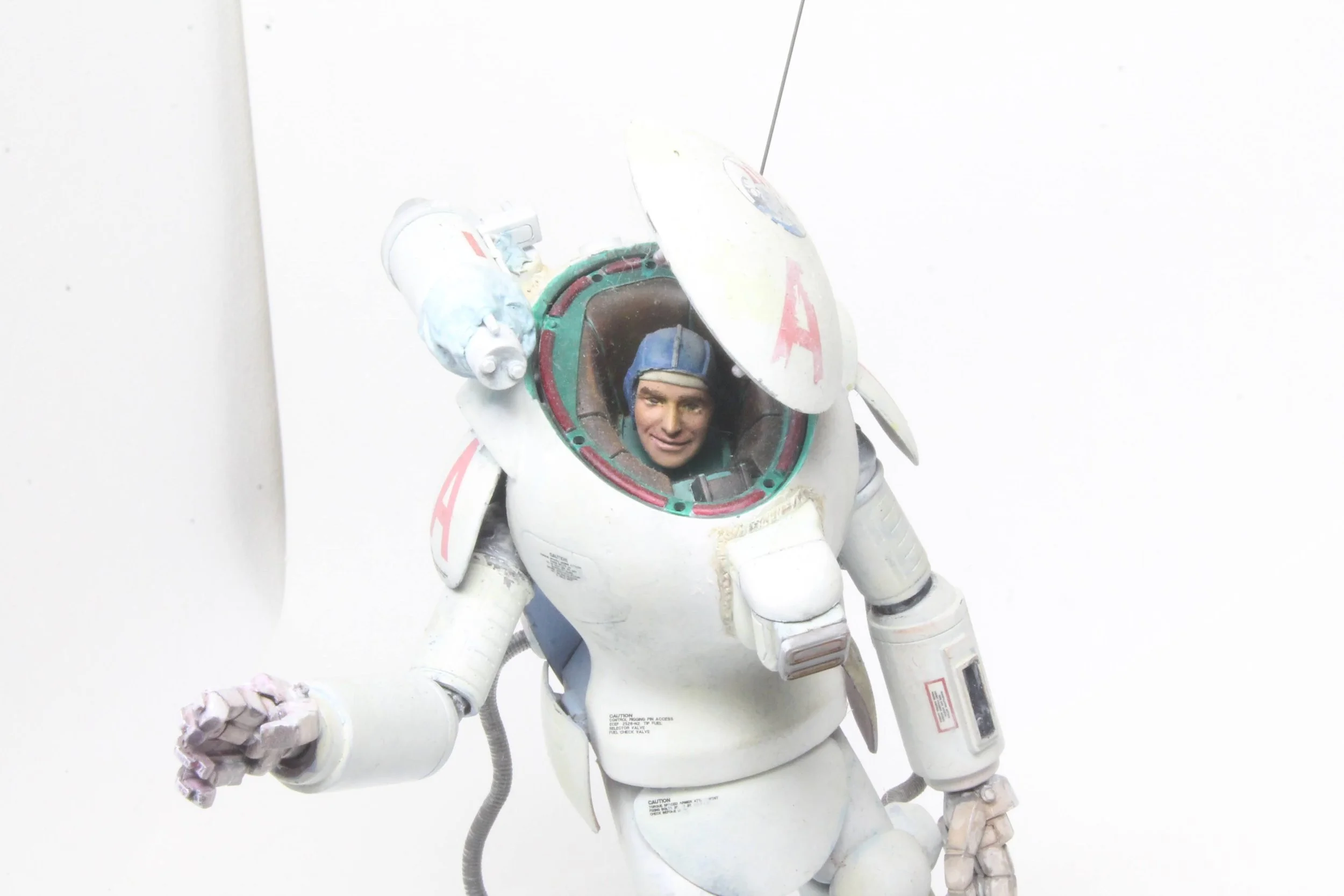
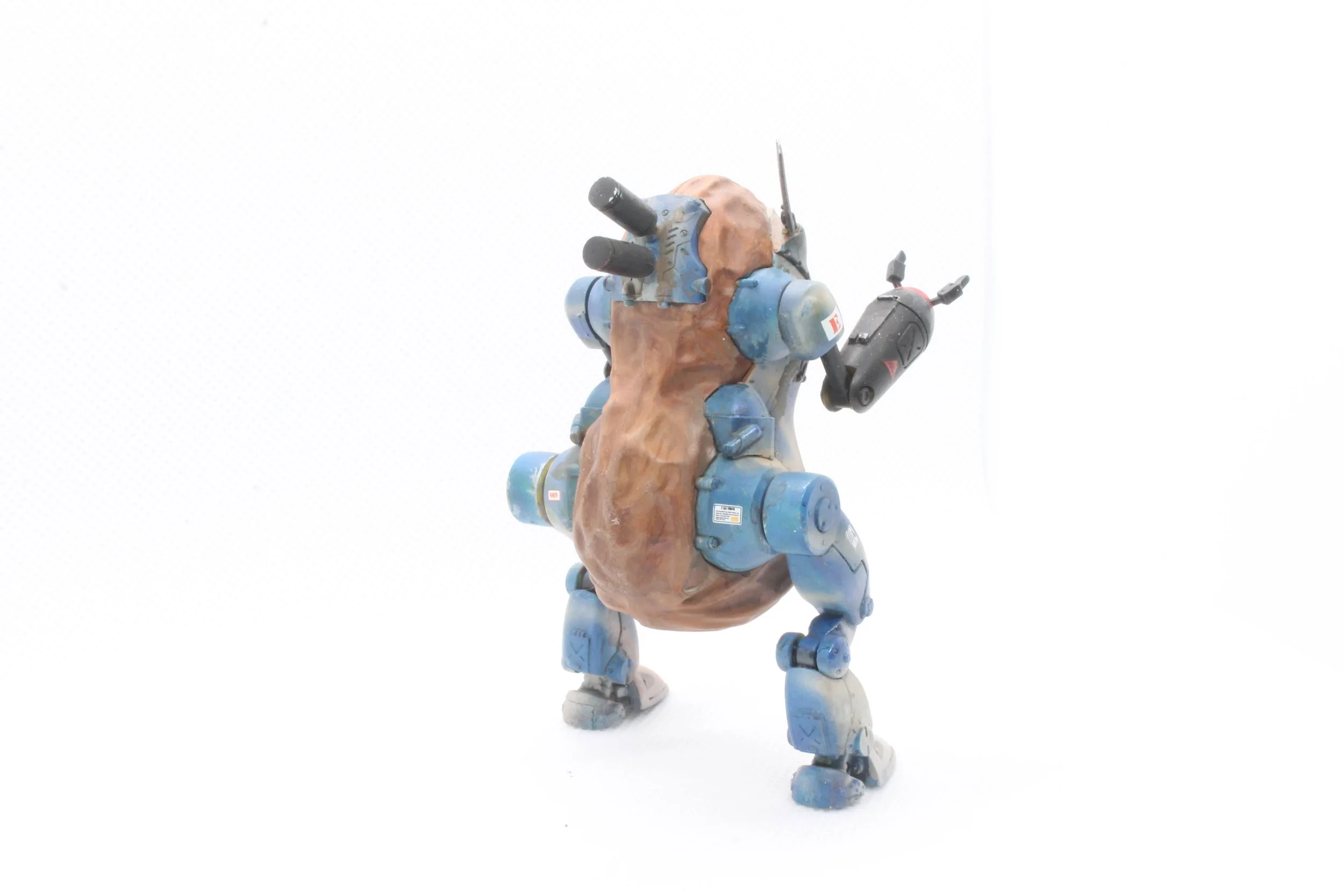
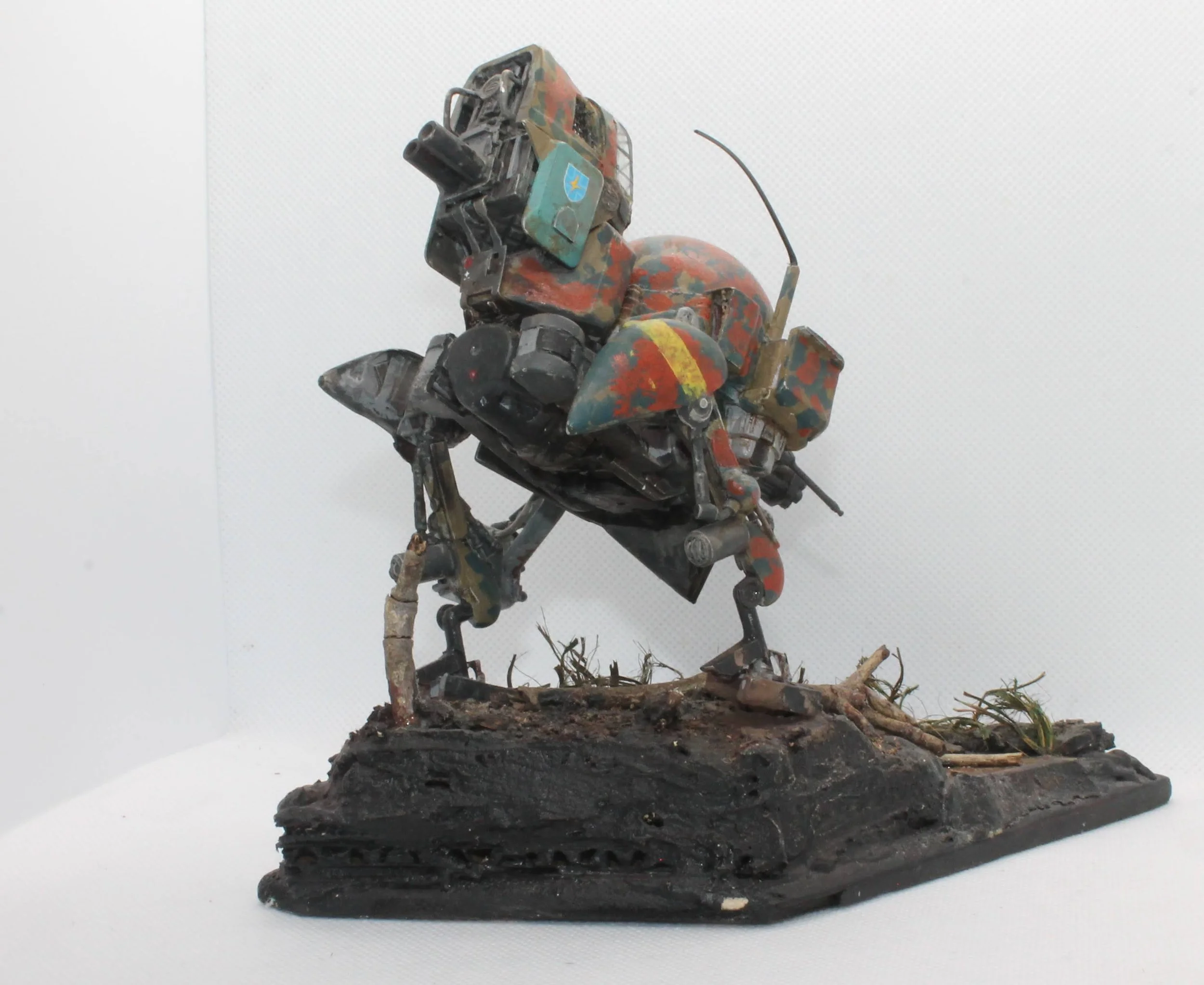
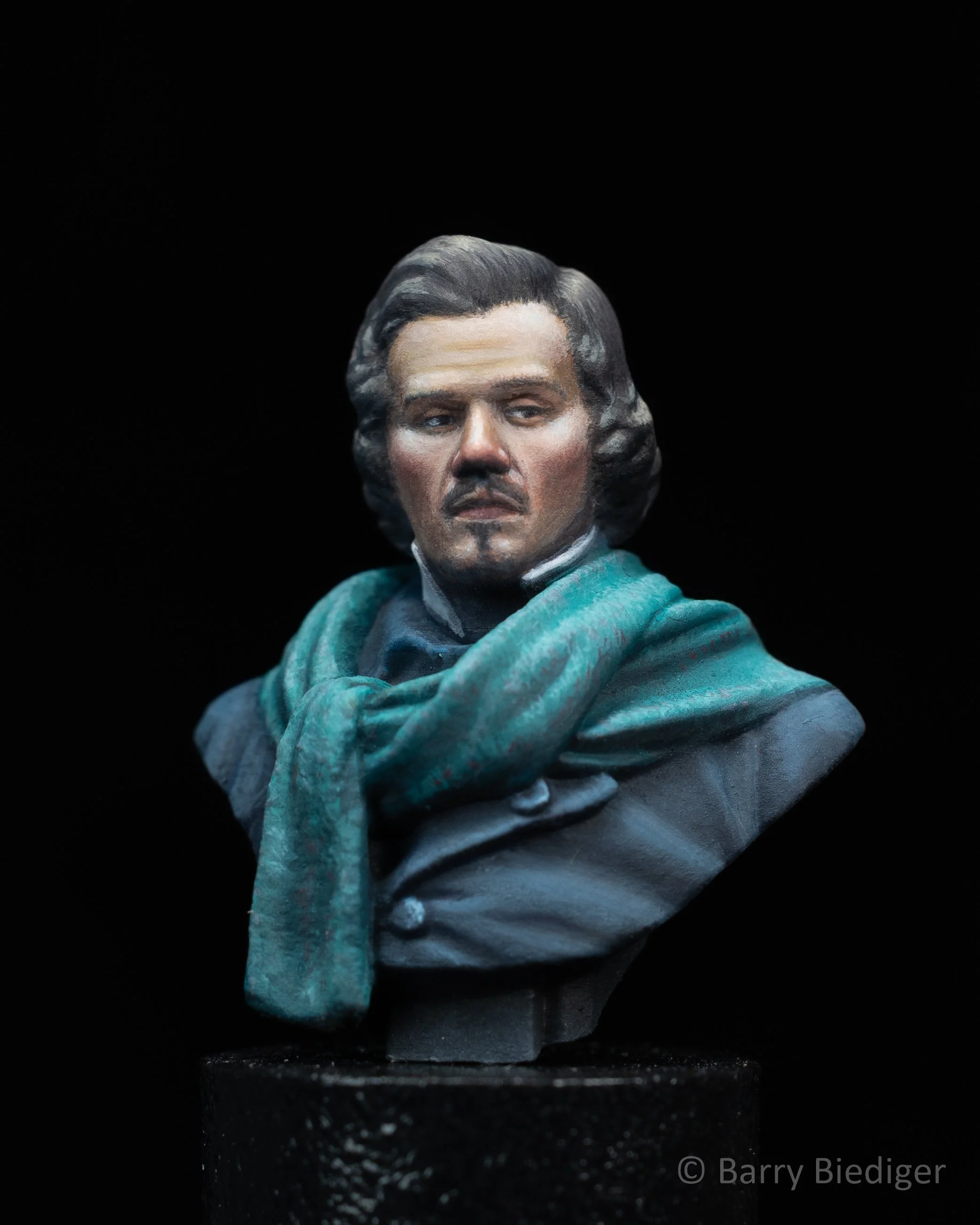
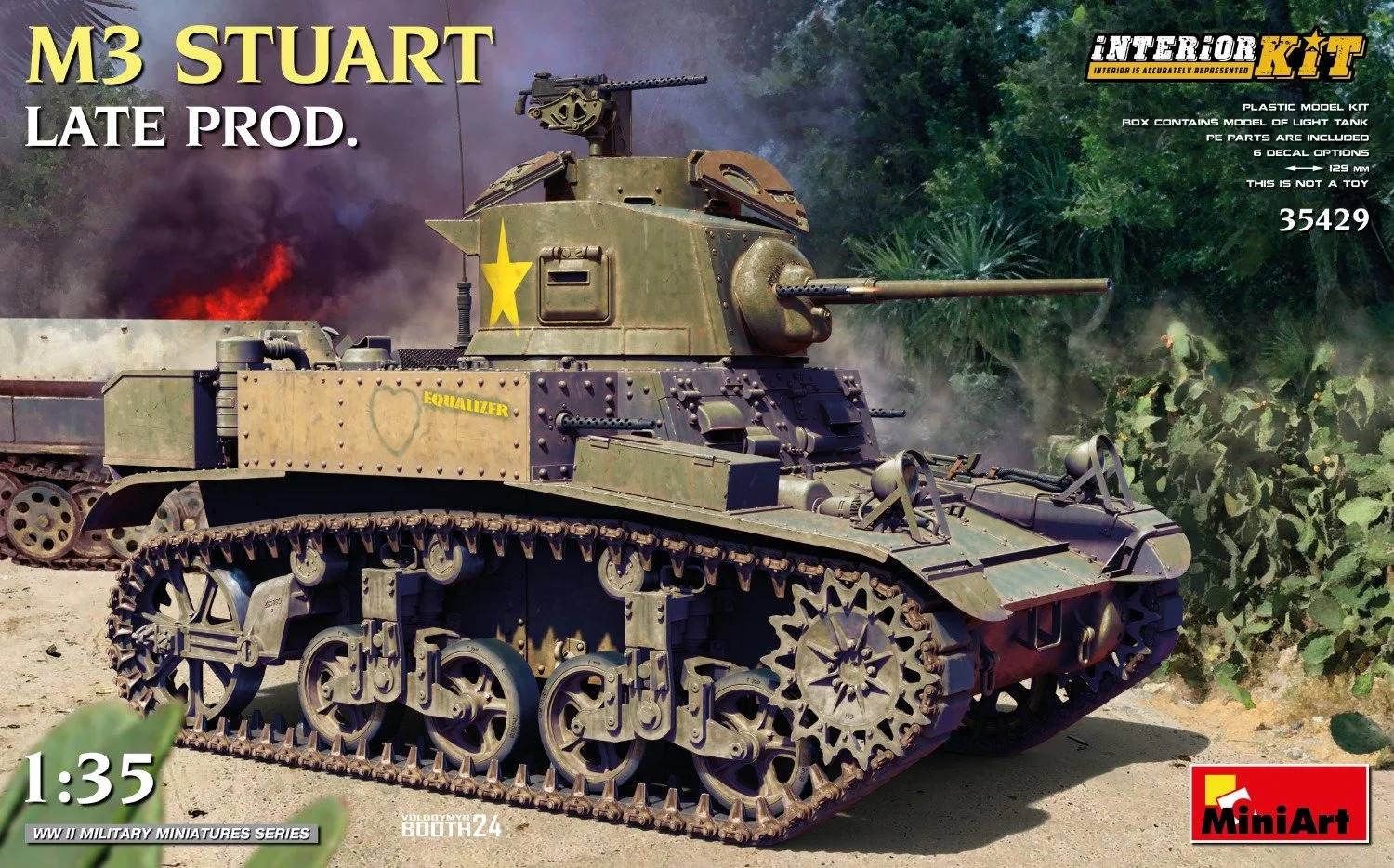
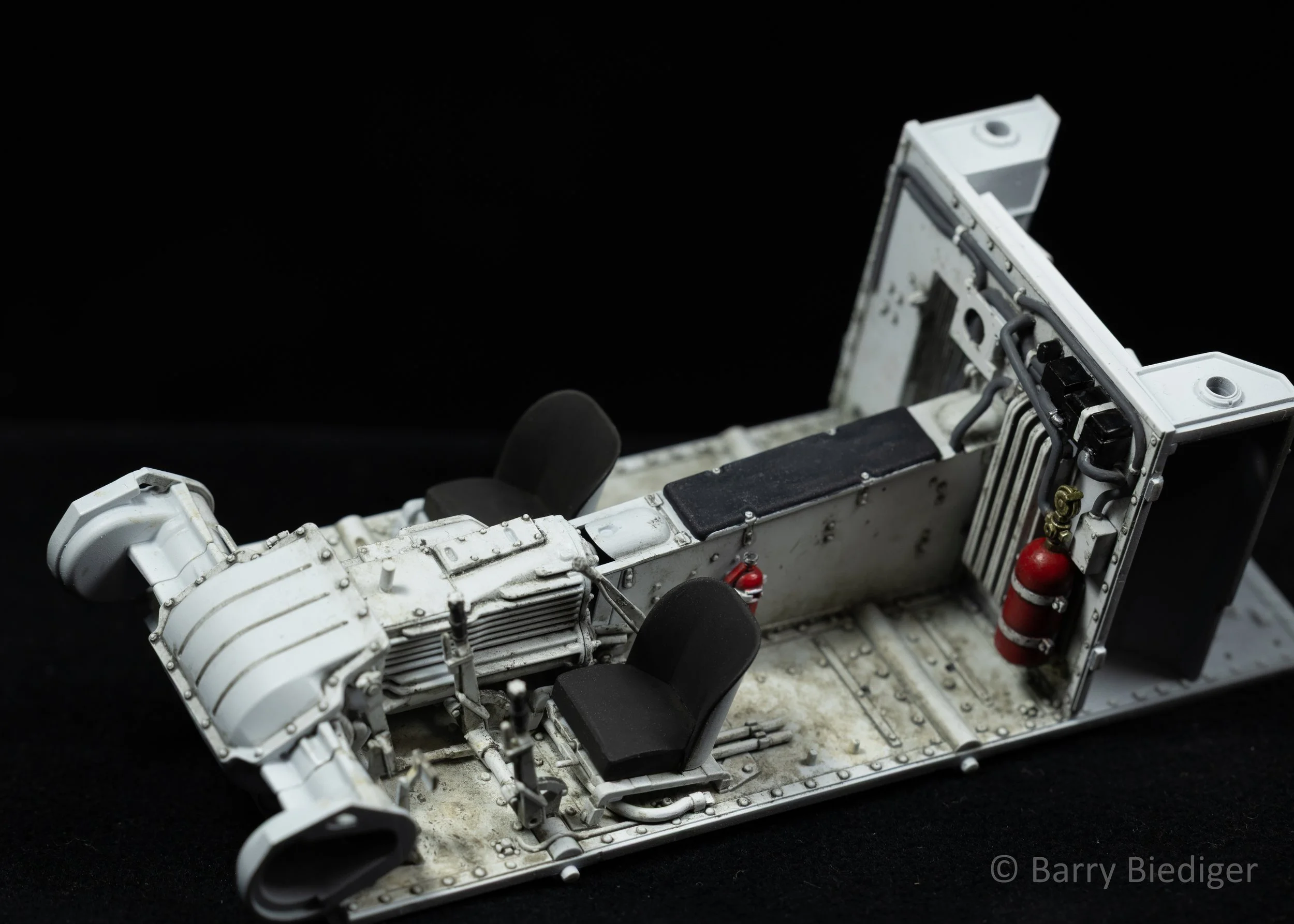
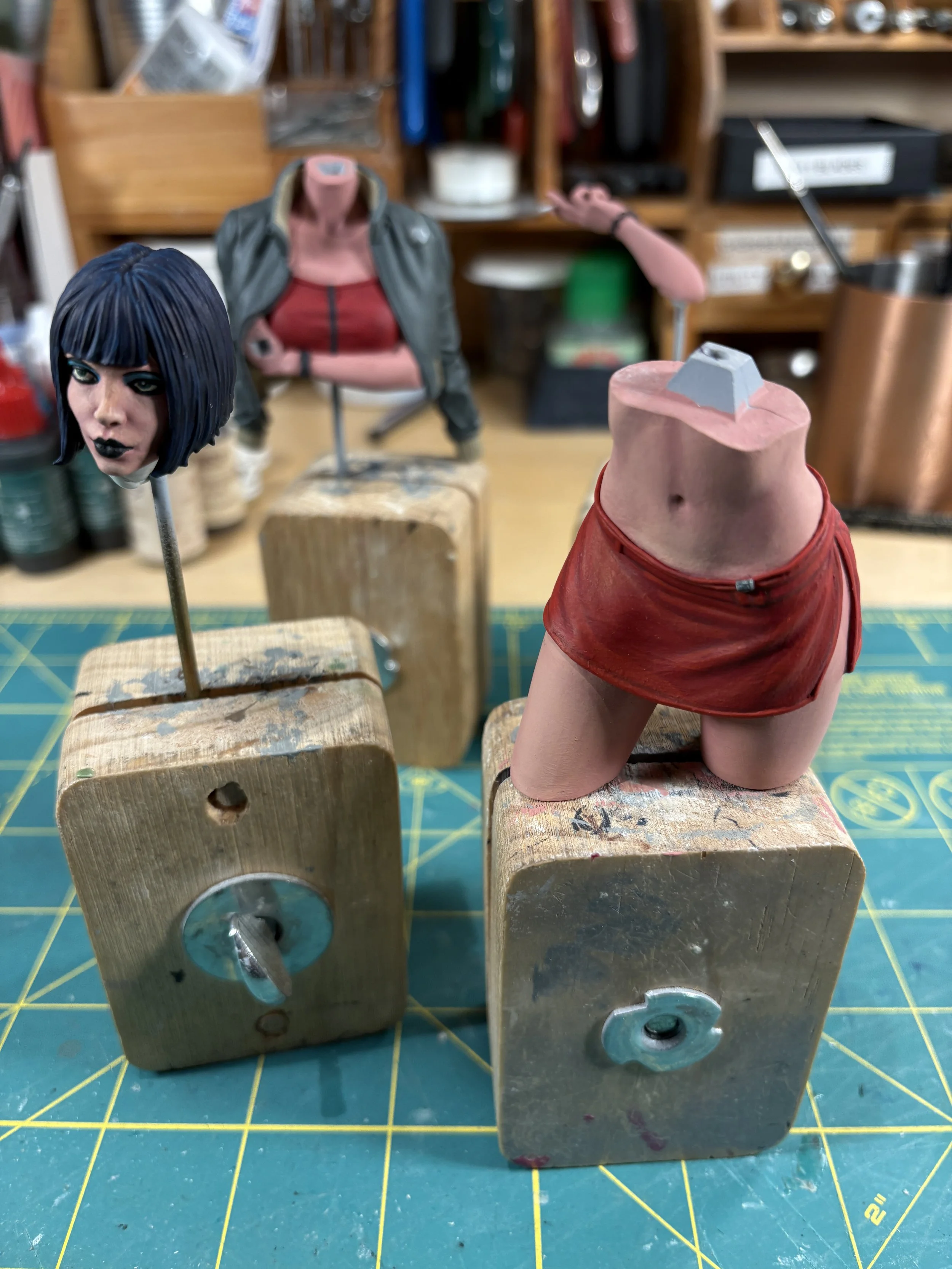
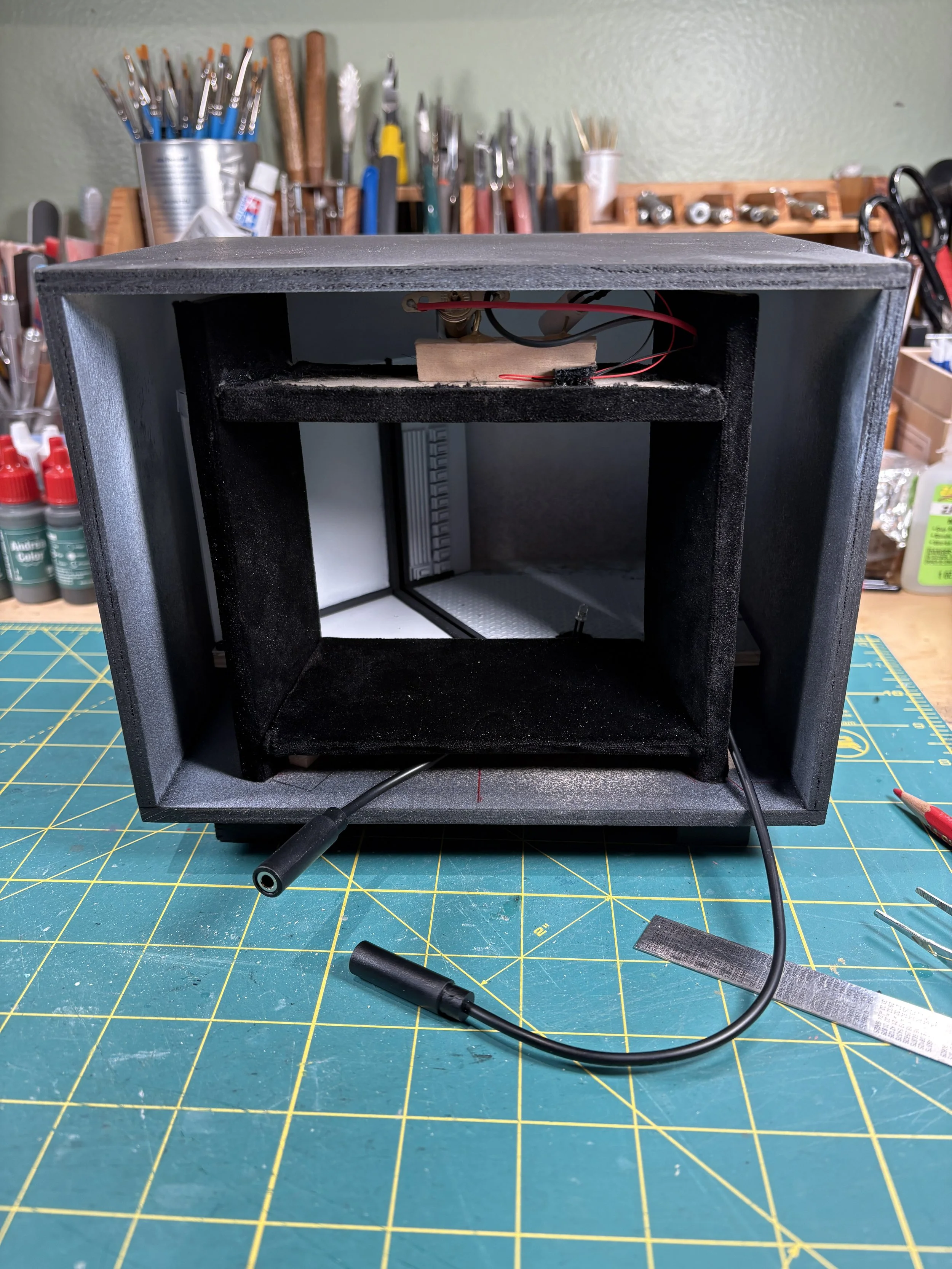
After the chat with Raphael, your hosts also discuss what they’re working on (or playing with, if you prefer) at the moment. Here’s a look at Barry’s bust of artist Eugène Delacroix ( his 3D print from a digital sculpt, about 90mm, by Albert Ernest Carrier-Belleuse) and his 1/35th Mini-Art M3 Stuart in progress, plus Jim’s (moderately frustrating) 1/10 bust-plus in progress, C.O.R.A. from FeR, and his latest box (literally!).

A Reminder for Inclusivity in Modelling
By Raphael Shelton
Recently I’ve noticed an uptick in a certain subtext to some of the modelling podcasts.. It may exist in other venues or media, but I have primarily observed it on podcasts. Before I get to the subtext, I want to offer a descriptive schema for categorizing modellers. This schema is not qualitative. It is not a judgement of one type or another. It is descriptive based on my observations. In general, I would hesitate to even categorize modellers, but my observations about subtext requires it.
The Three Types
Modellers can be categorized by the degree to which they prioritize the hobby and engagement with the hobby. These priorities usually relate to how resources (time and money a person allocates to the hobby. This applies to nearly any creative, nominally solo, hobby. I think it is easiest to see the three types if we describe the ends of the spectrum first. What remains is the “middle” type.
I. Day-trippers
The first type wouldn’t really consider themselves modellers. They get a kit and build the kit. Maybe it is a vacation activity they have done every year at the cabin. Maybe Uncle Rico gets them a model every year on their birthday. Or perhaps they are Star Wars fans and like building the Bandai kits to add to their Star Wars collection. They likely only build one or two kits per year.
Regardless, they are modellers in the sense that they occasionally build a model and they don’t engage the hobby in the broader sense (social media, books, magazines, shows).
Day-trippers probably don’t go to shows. They don’t buy magazines or e-books. They probably don’t buy kits and supplies from an online specialist retailer. A local HobbyTown or even HobbyLobby carries everything they need or want (in the US). Modeling expenses don’t even rise to the level of notice.
These people treat modelling like any other recreational activity. From the perspective of engagement, they are like someone who likes to occasionally go bowling or play mini-golf: it’s fun every once in a while, but that’s as far as it goes.
II. Lifers
In terms of priorities, Lifers list modelling in the top three with Family and Job. Lifers go to local shows, regional shows, national shows and aspire to go to international shows.
Lifers take a week off work to go to the other side of the country to attend a model show.
Lifers read magazines, blogs, and books. They listen to several podcasts. If you are regularly on a podcast, you are a Lifer.
Lifers are an obvious group, I believe.
III. Hobbyists
Now back to the middle group. Basically anyone who is more engaged than a Daytripper, but not a Lifer is a Hobbyist. Hobbyists enjoy going to shows, but aren’t likely to travel overnight. Hobbyists have a stash, probably subscribe to a magazine or podcast. Hobbyists are in the Facebook groups.
Hobbyists are, in fact, in all the same places as Lifers, they just don’t spend as much time or money on modelling.
Hobbyists have other things in their priorities, probably other hobbies!
I’m a hobbyist.
I don’t have a plan for getting better, because I don’t really care about getting better. I am sure that if I keep building and painting, I'll get better at these things. But I have zero interest in chasing improvement. I'll let it come as a result of having fun over and over. That’s just the nature of repeated practice.
I’m not going to spend money and time to go overnight to a show unless it coincides with some other activity. I’m sure it would be fun, but there are other overnight trips that take priority.
I would probably go to some bigger shows if I didn’t have to prioritize my time off from work and my money. But I do. And I’m OK with that.
Nonetheless, I enjoy engaging with the broader hobby and consuming hobby podcasts, books, and magazines.
The Subtext
The subtext I’ve noticed is an implication that only the Lifers are modelling correctly. I am confident that this is unintentional. It is almost certainly due to enthusiasm about the topic and I’m sure even the pod-casters whose comments carry this subtext would completely disavow that position in the next breath.
But it’s there.
It’s there when podcasters say the real joy of the hobby is in going to shows or “hangin’ with model buds.” Bullshit. The real joy of modelling is modelling. Otherwise we’d be doing another hobby. That should be patently obvious. Perhaps it’s so foundational that it is invisible.
It’s there when the nearly ubiquitous topic of how to improve comes up. I suspect the fetishization of improvement is a result of many factors, including competitions, the proliferation of social media modelling all-stars, and the very nature of consumer capitalism. Add that to the need for podcast topics of discussion and the implication is that we should all be striving to be better and better modellers. (Whatever that means!)
Frankly, it comes across as a sort of soft gate-keeping. I.e., to be a “real” modeller you have to travel overnight to shows and constantly chase improvement.
Just Keep it in Mind
Just remember that…
Not everyone can go to distant shows, and many of us don’t really want to. And we are modellers too. Just as much as you are.
Some modellers don’t want to join a club. And we are modellers too. Just as much as you are.
Some of us just want to build and paint small versions of big things and aren’t concerned with improving, per se. And we are modellers too. Just as much as you are.
I am not asking for podcasters to stop gushing over the international shows, or talking about how they plan to improve over the next 6 months, or encouraging listeners to join their local club. I would only ask that podcasters be aware that this subtext creeps in, that it can be perceived as gate-keeping.
Also be sure to read this post by Rhonda Bender, which Joan Biediger suggested has some bearing on this conversation, and which Jim mentioned during the chat with Raphael.