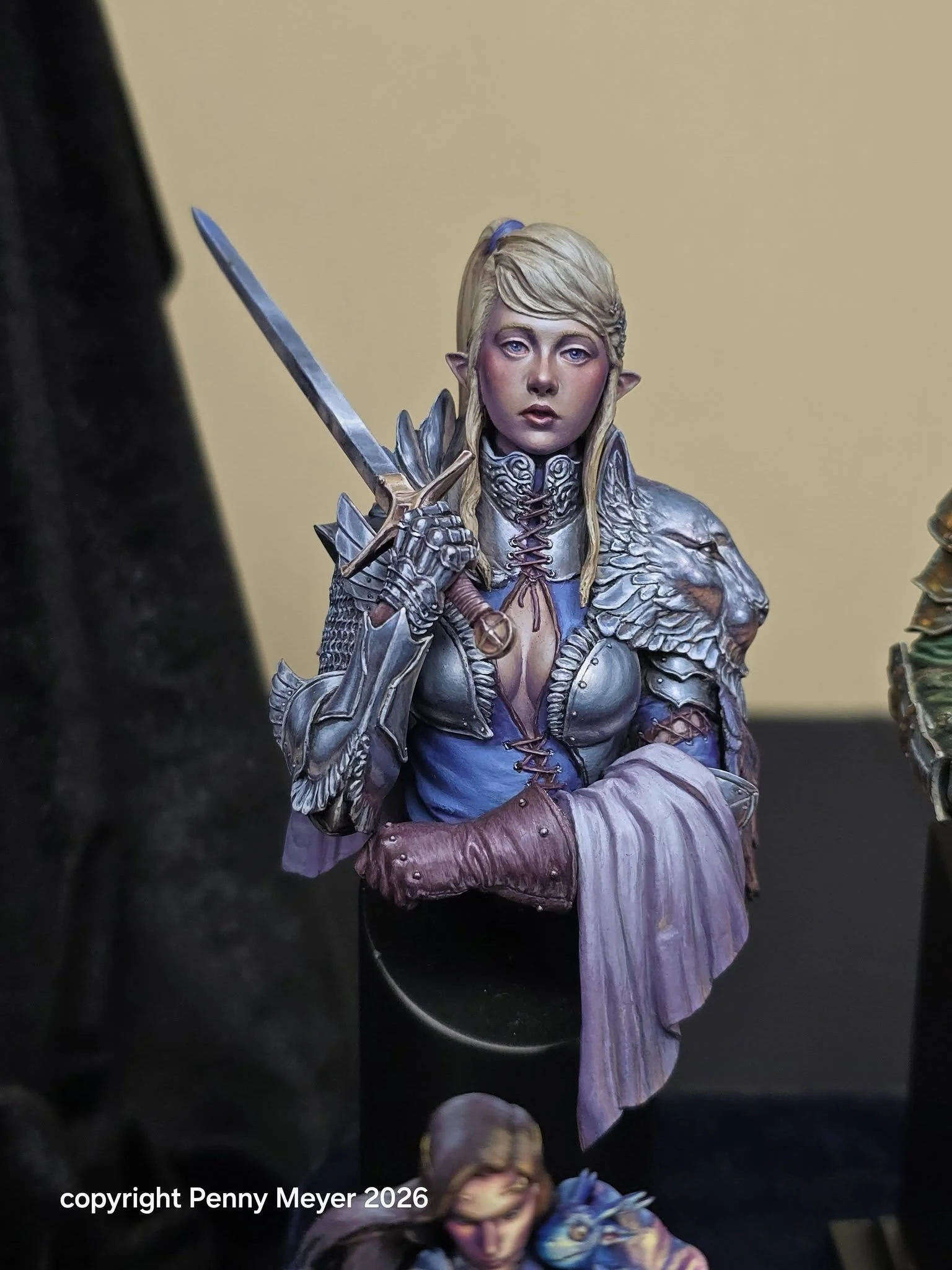
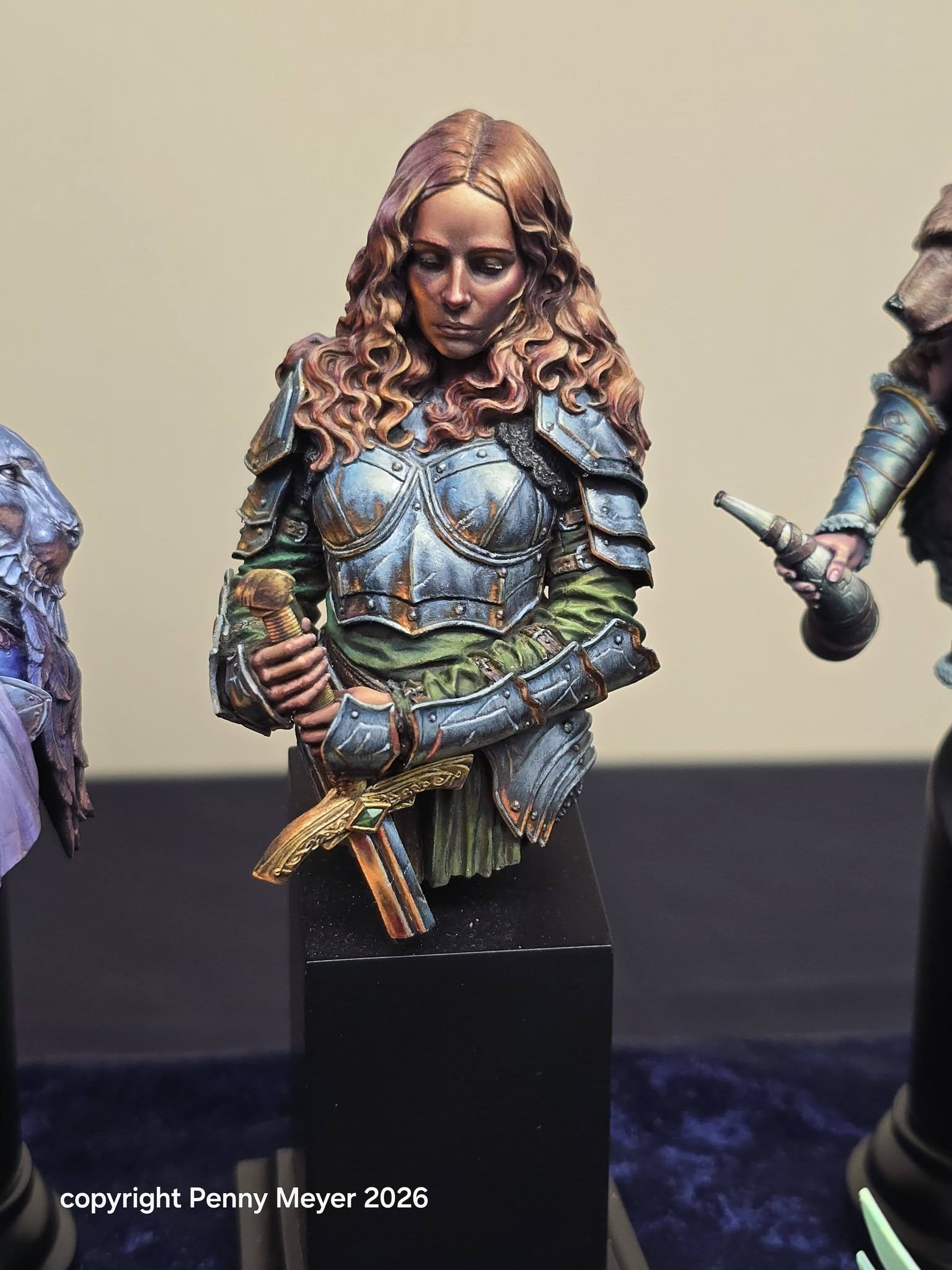
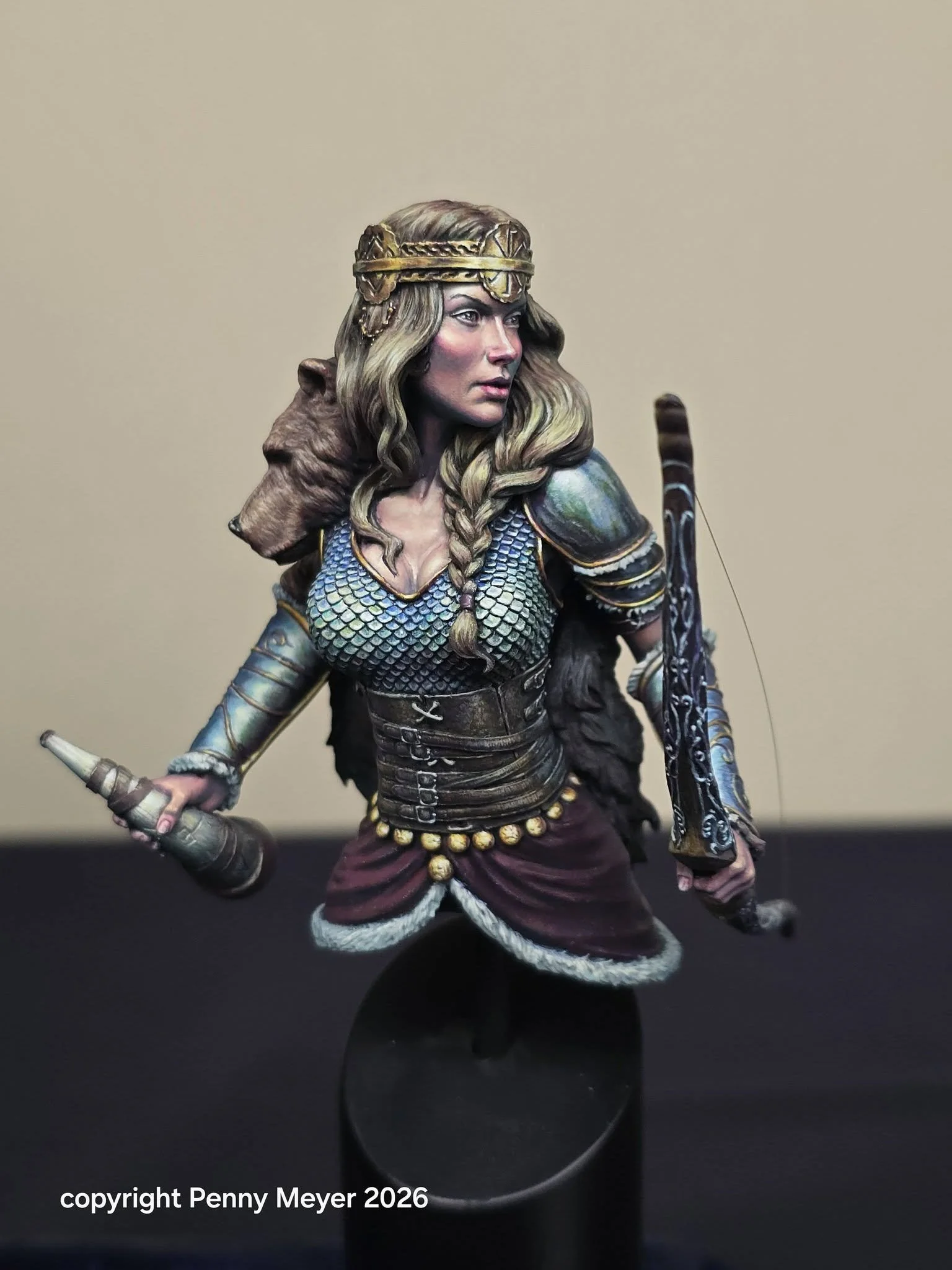
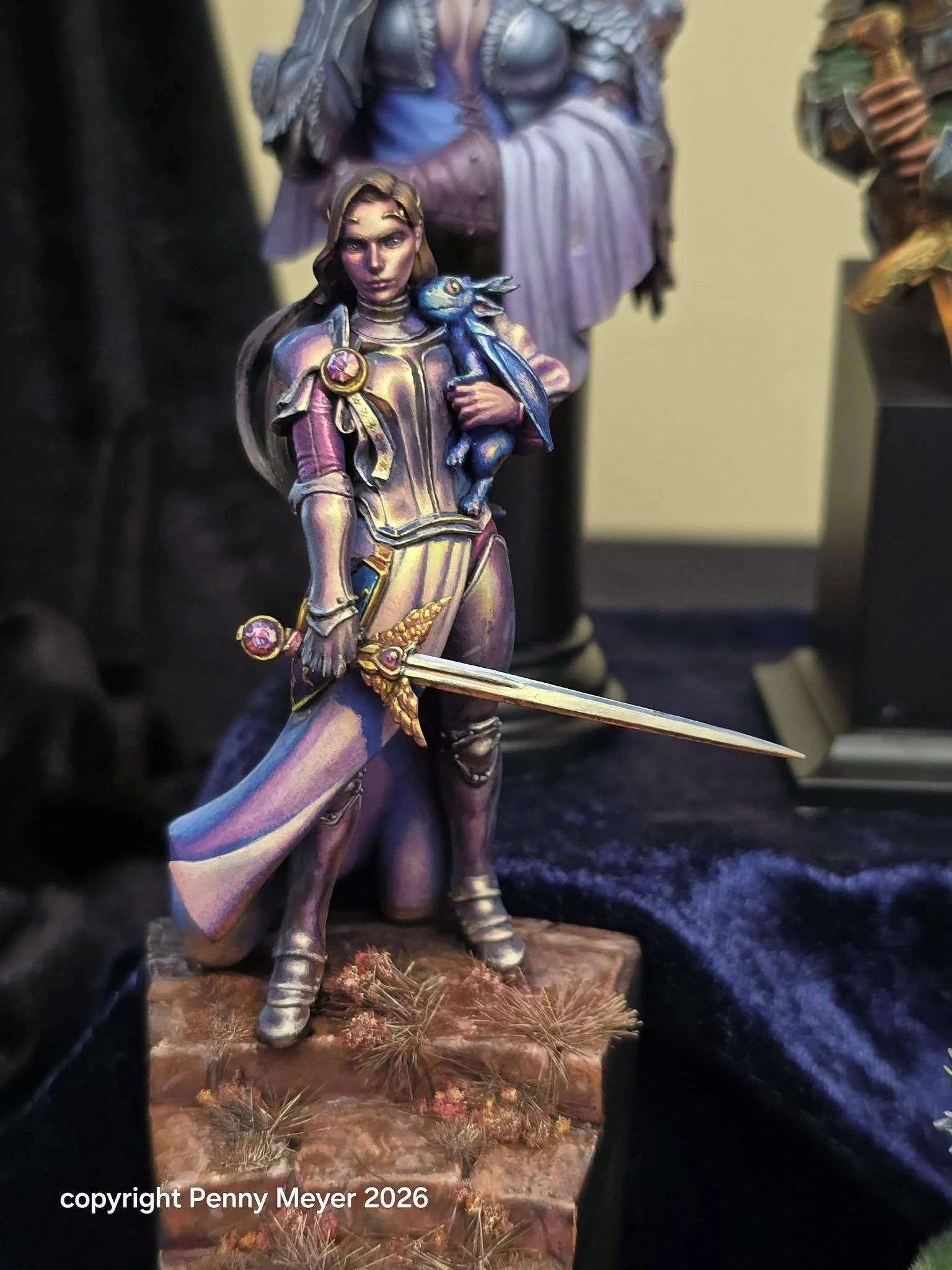
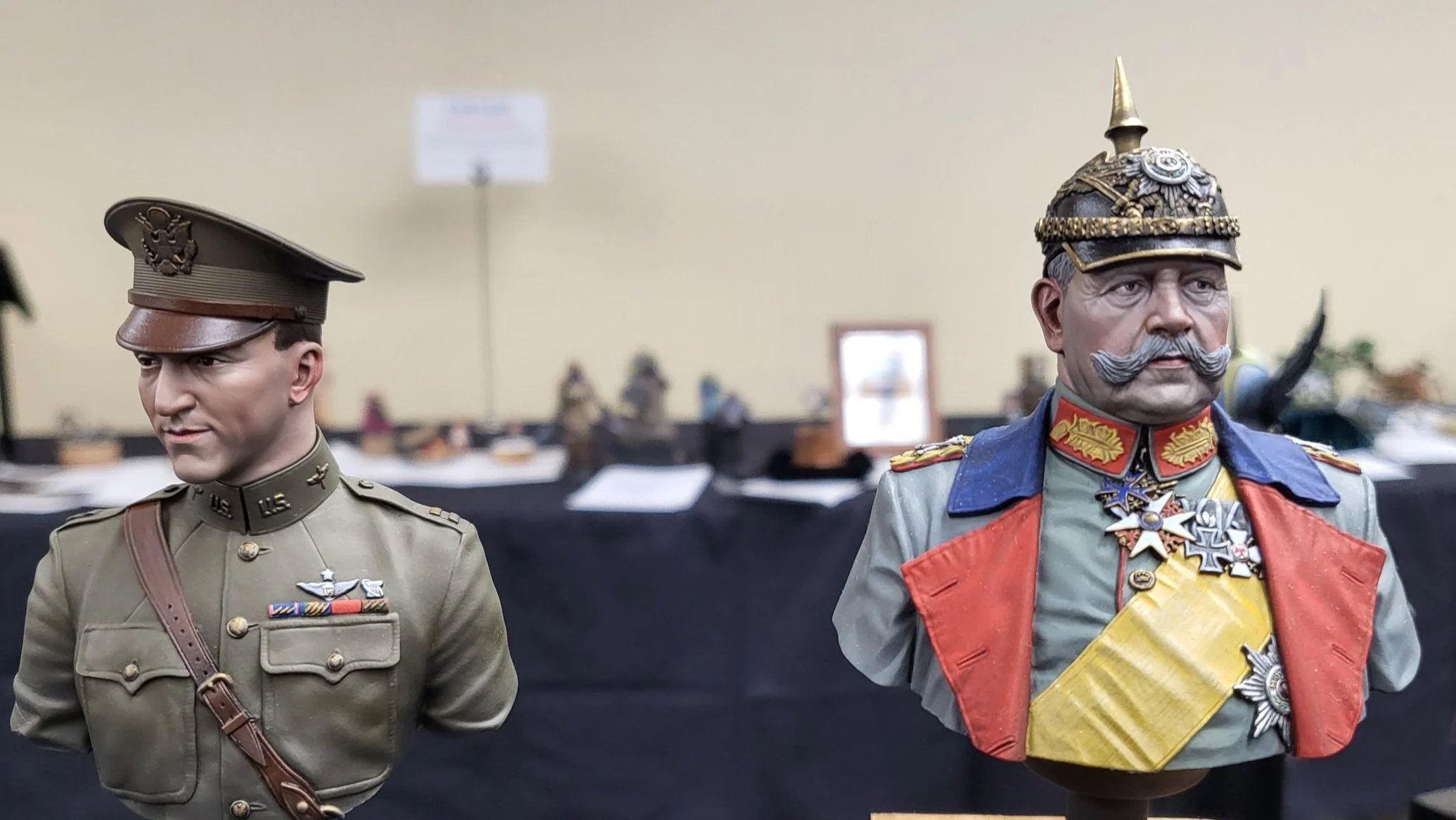
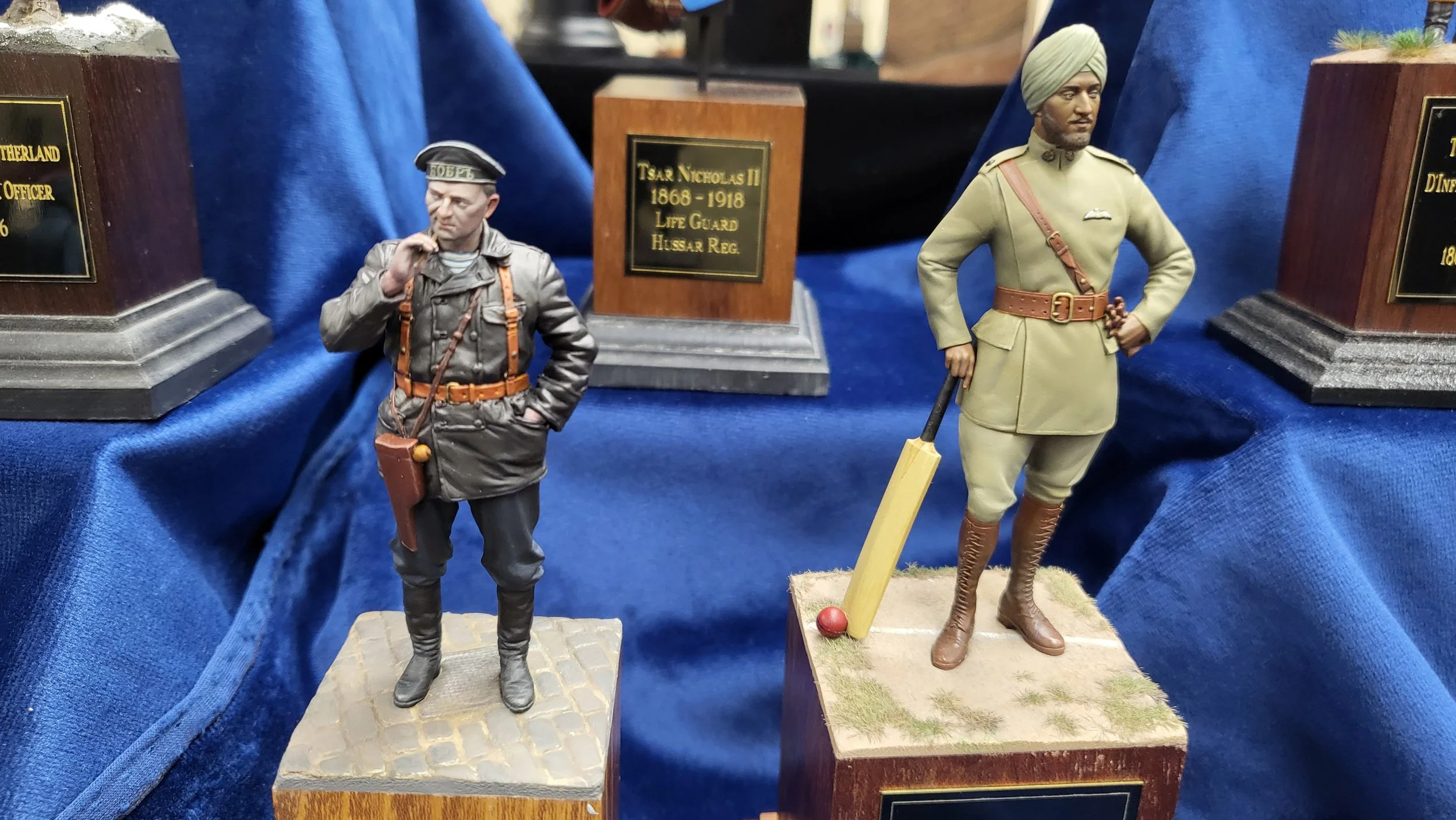
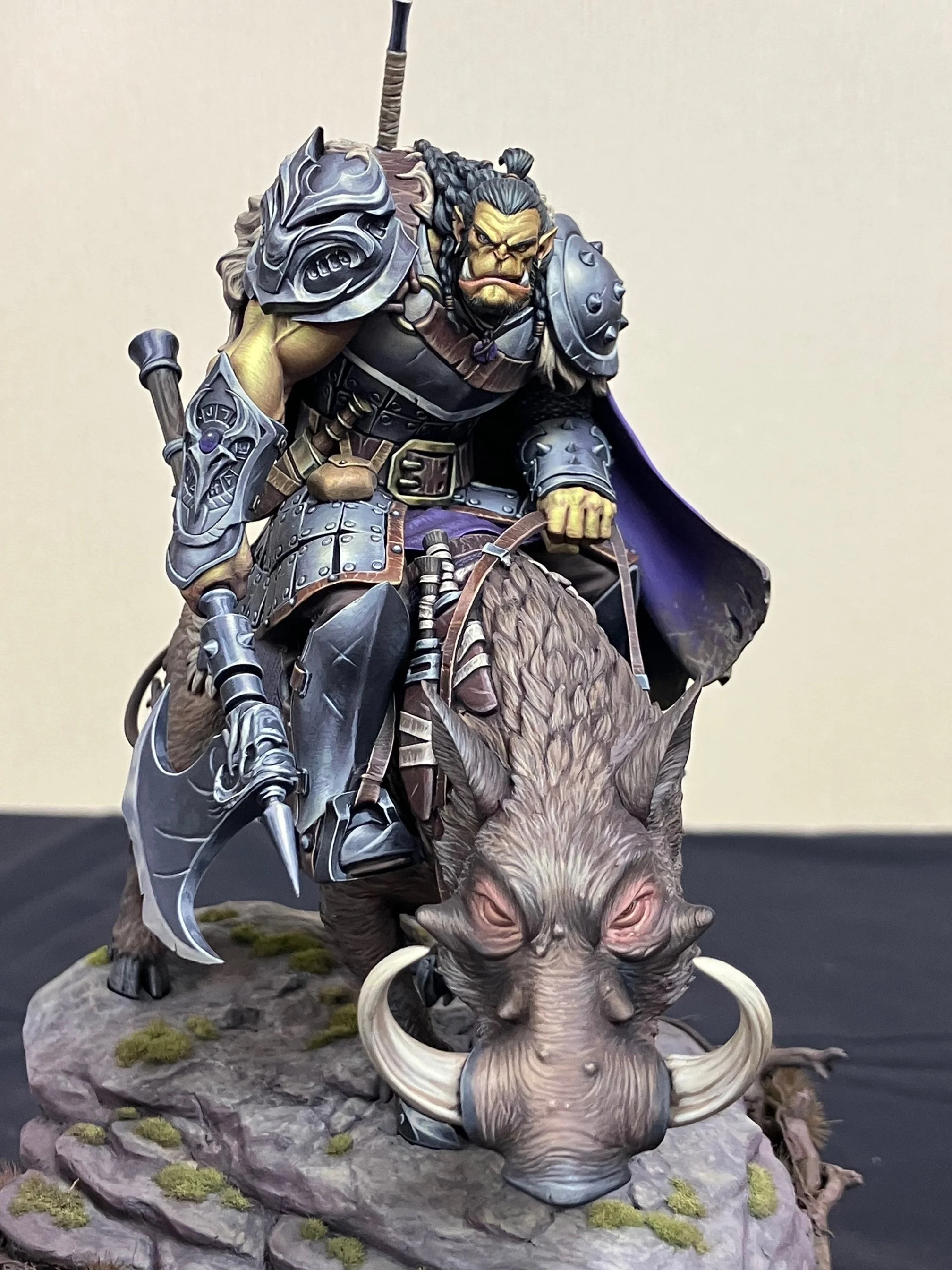
Episode 65: Talking with Chris Meddings about the Upturner Prize and "Ask Barry"

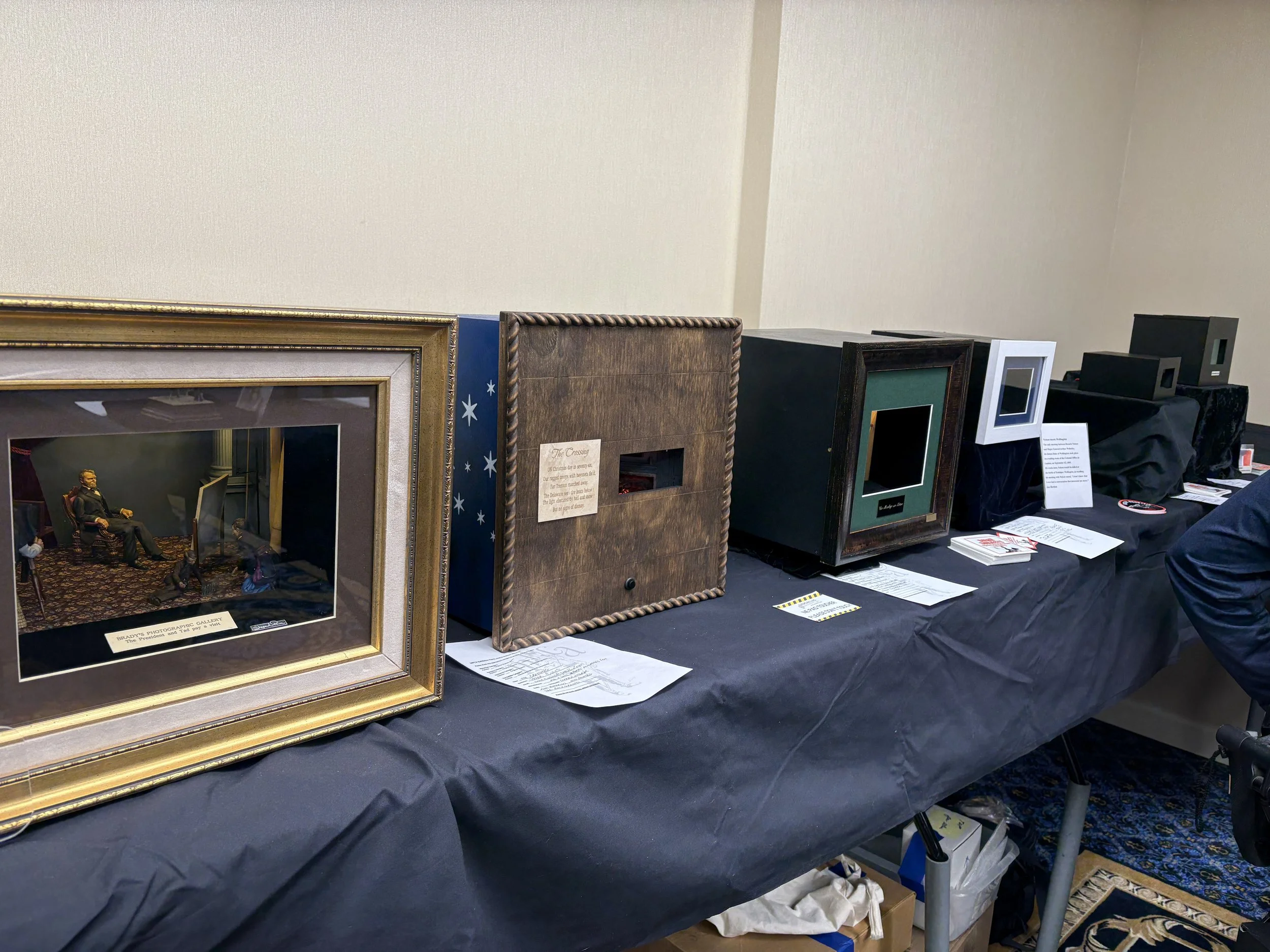
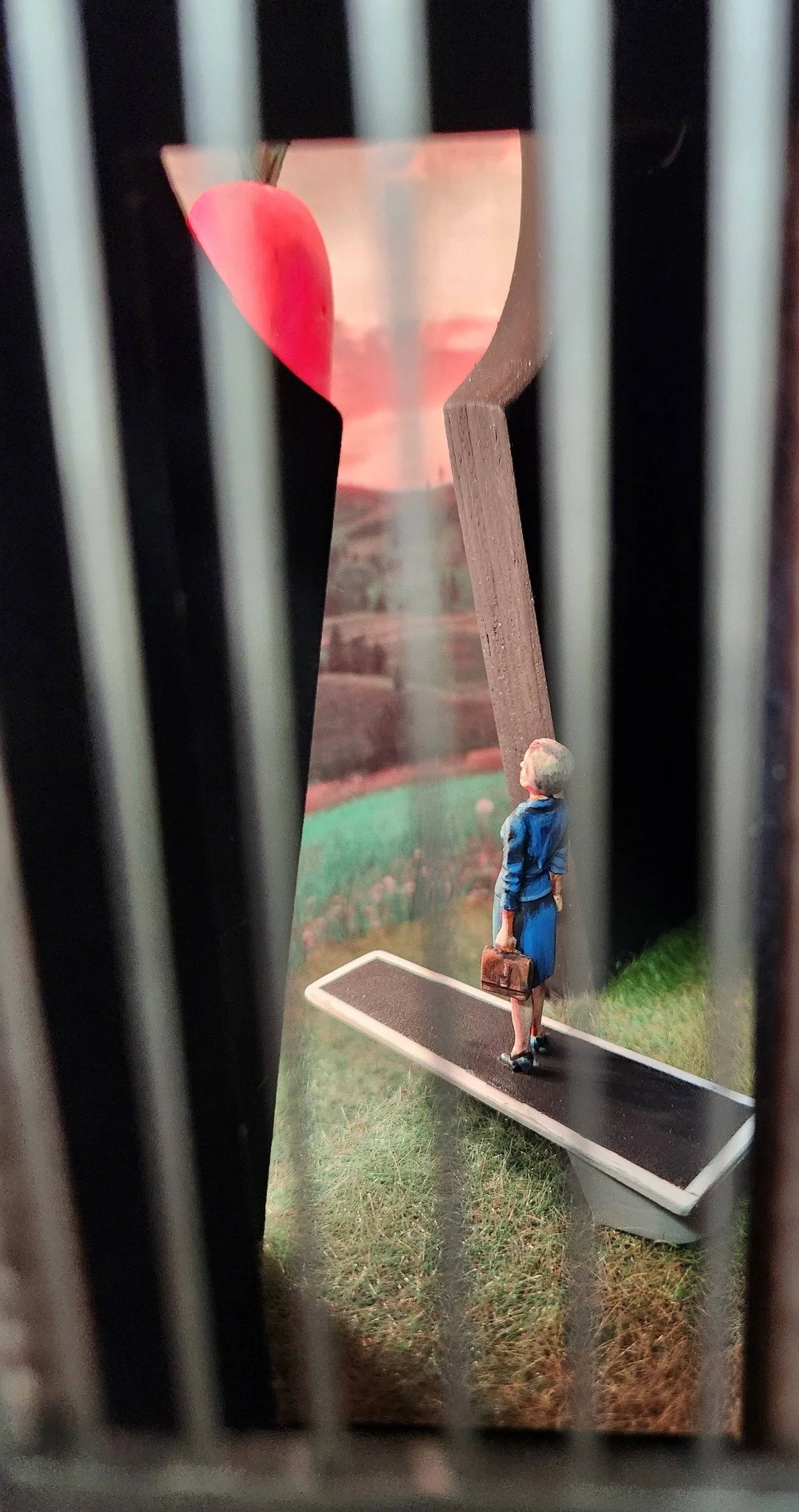
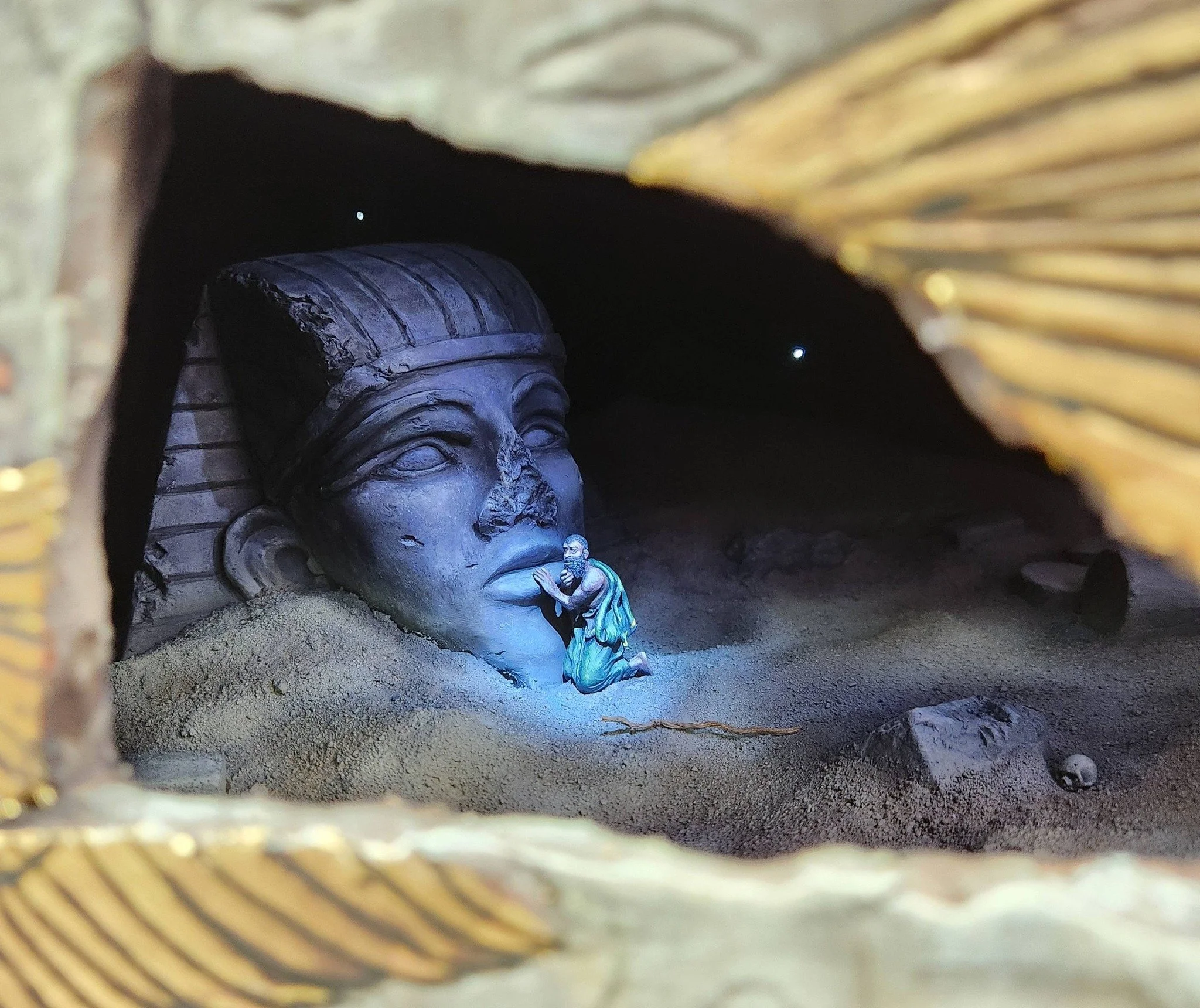
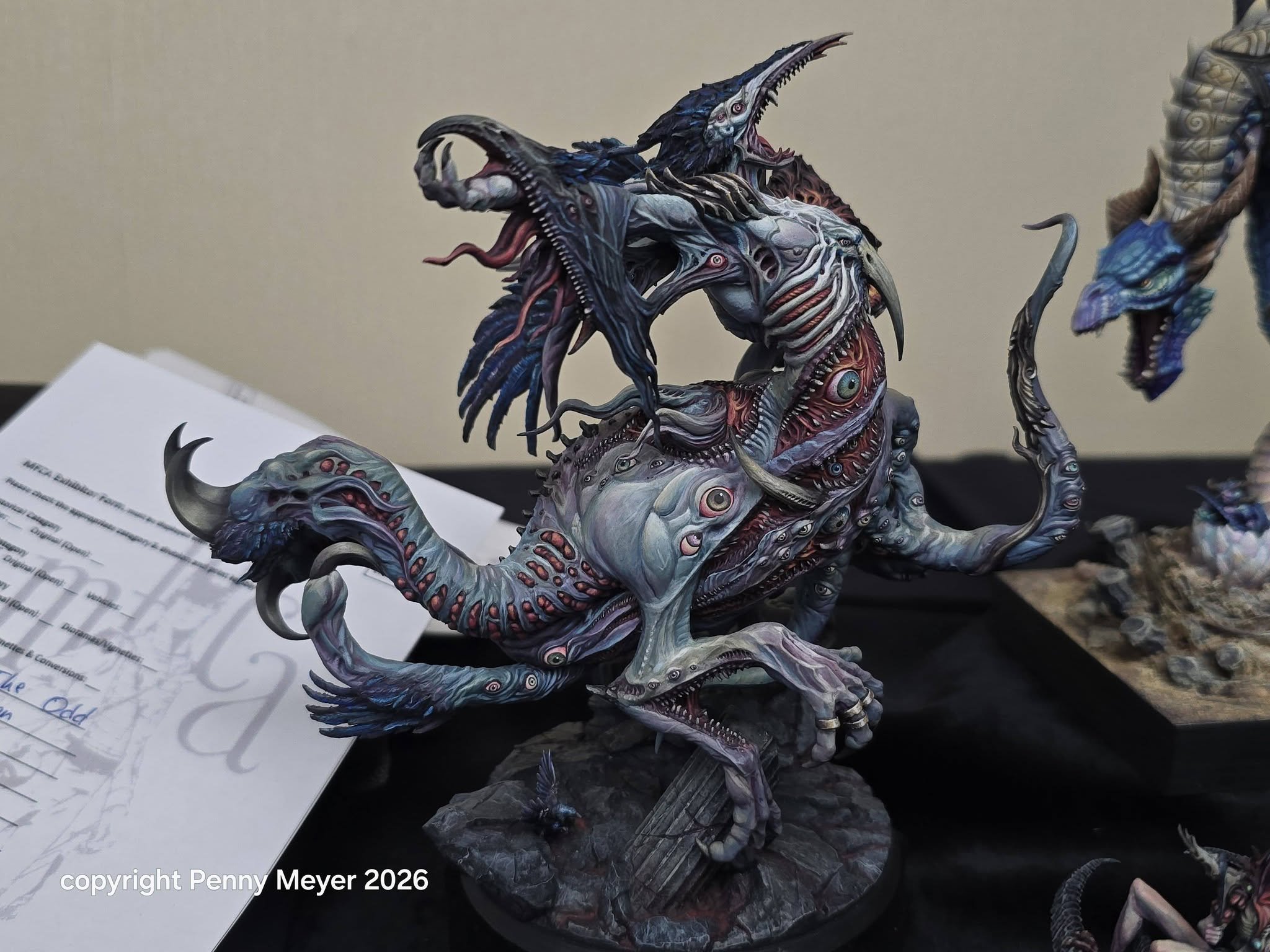
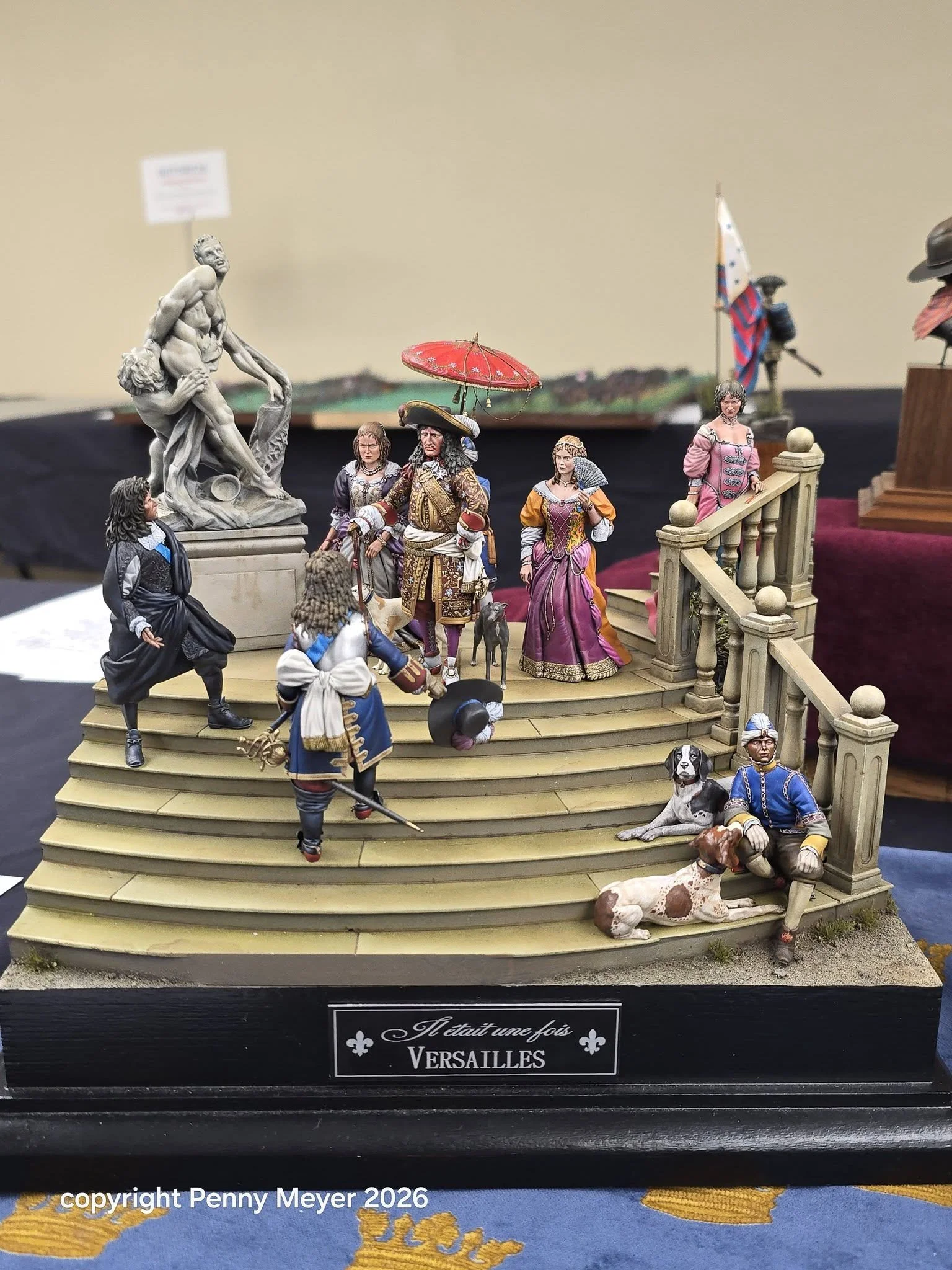
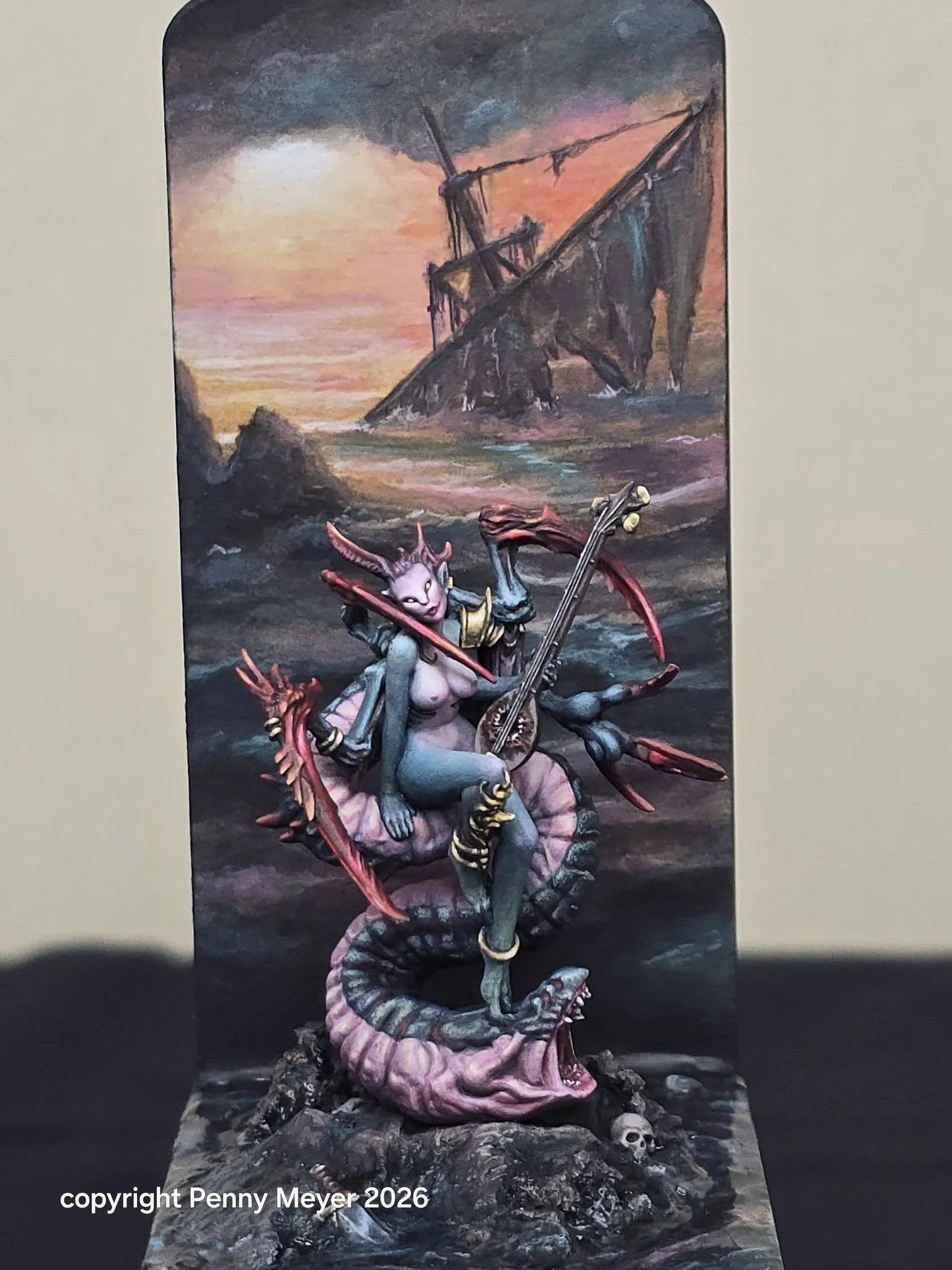
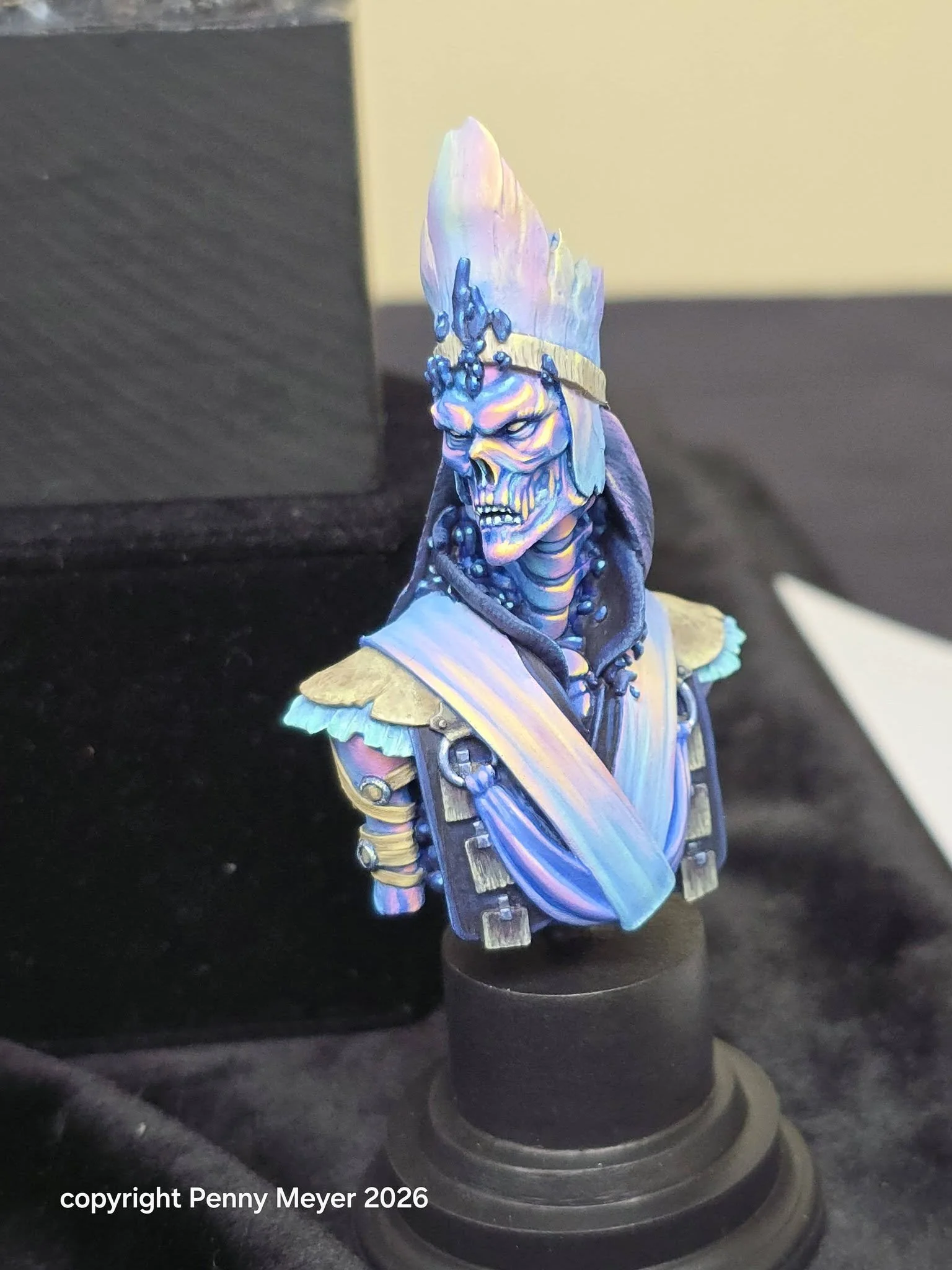
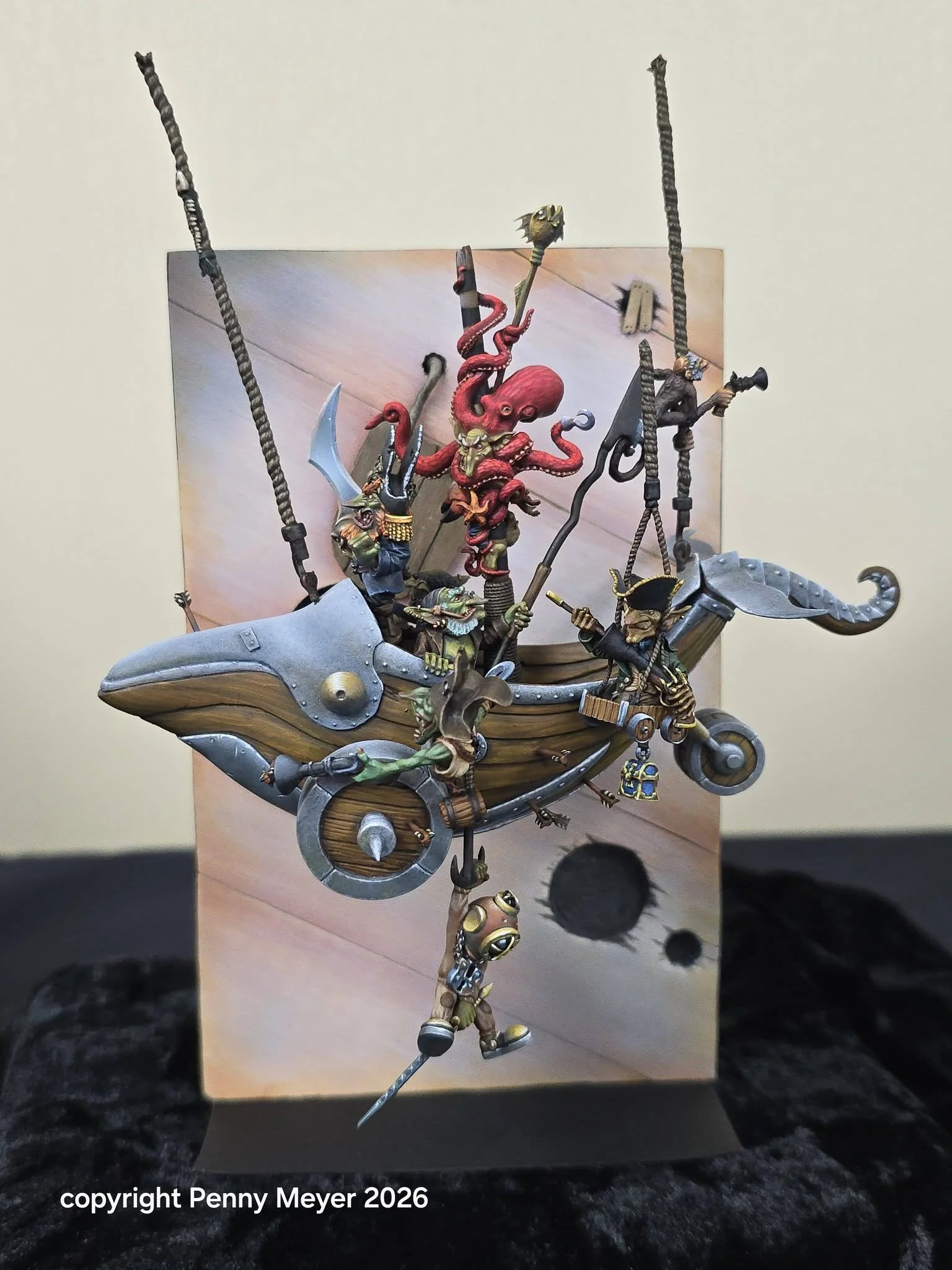
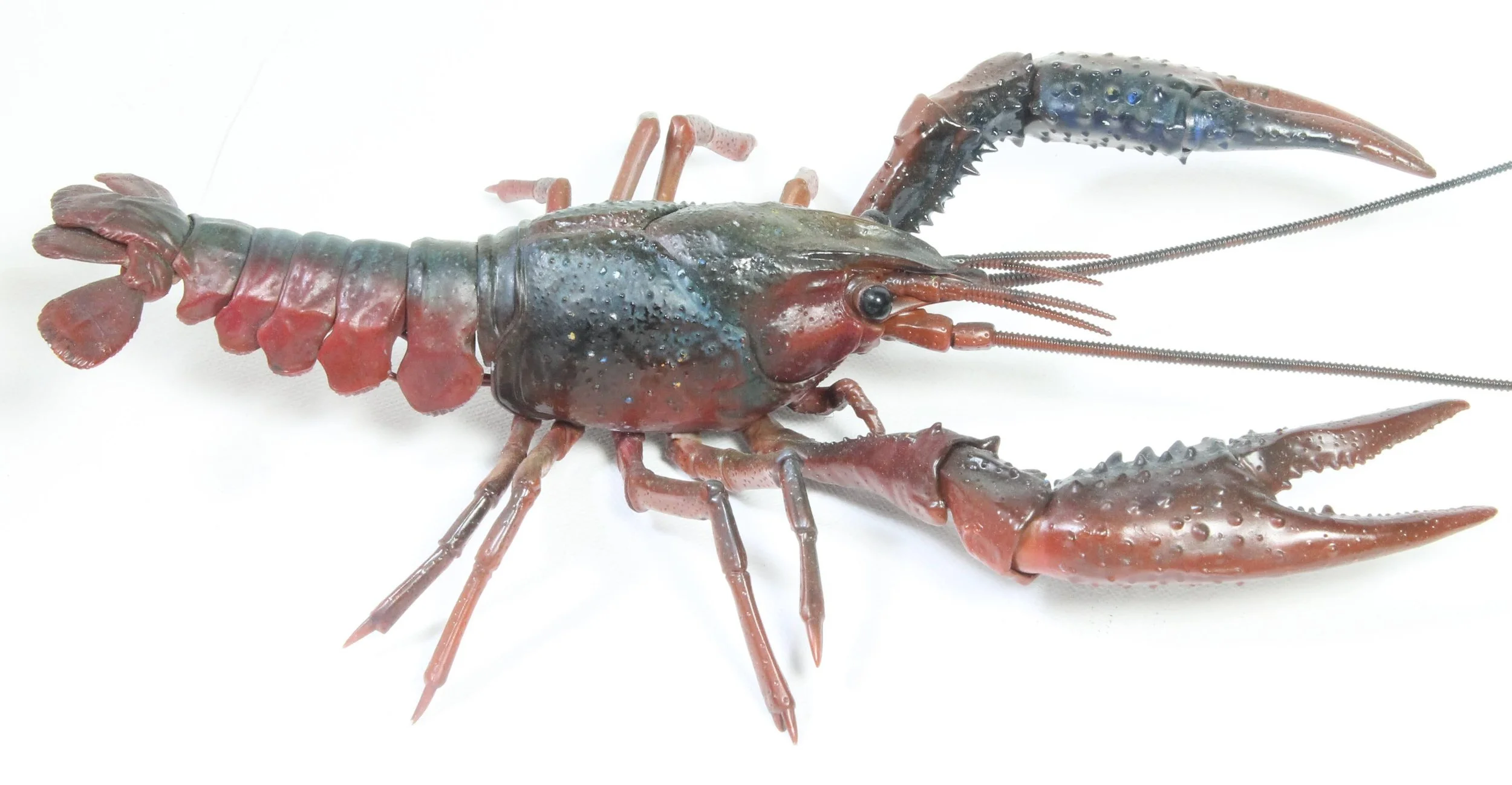
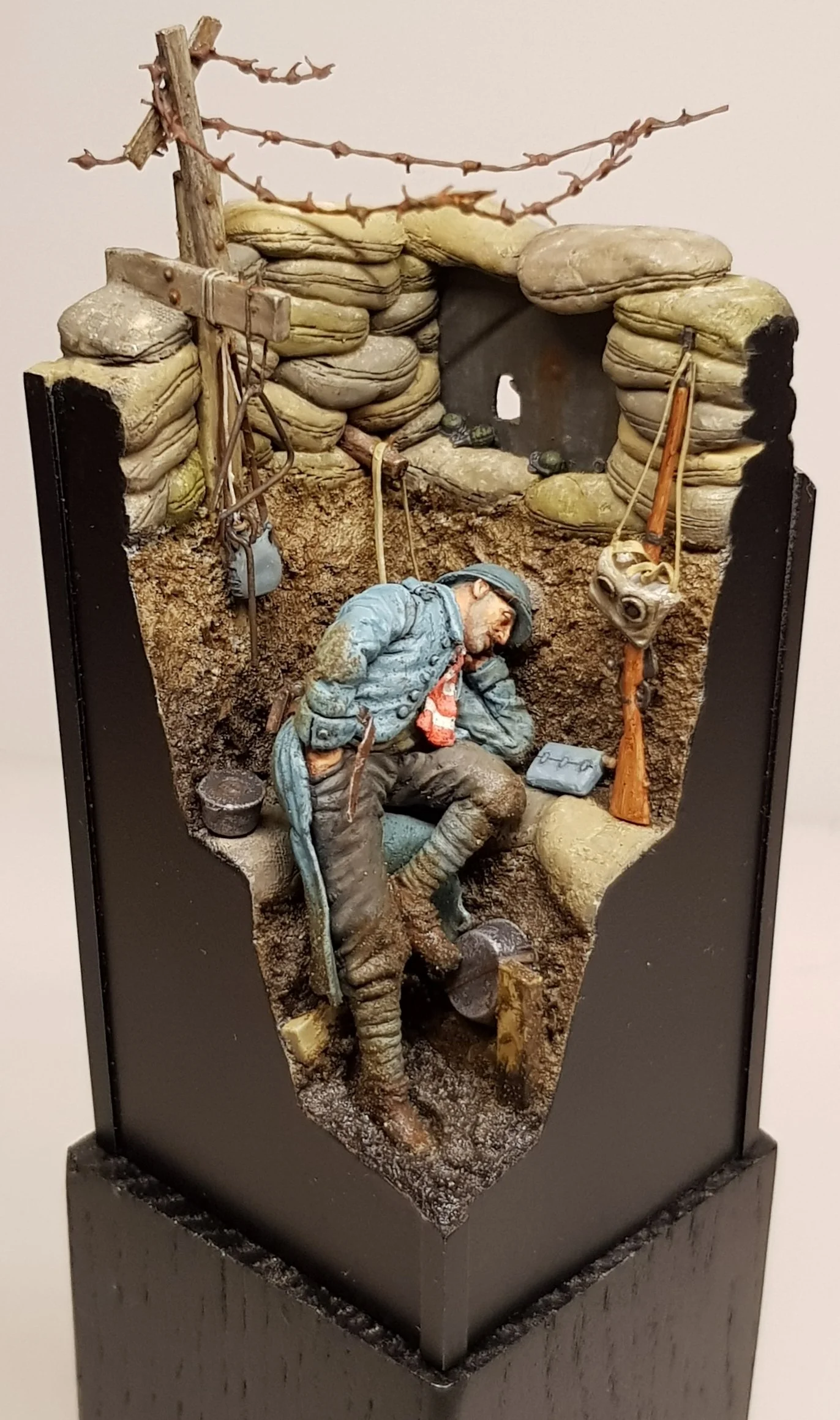
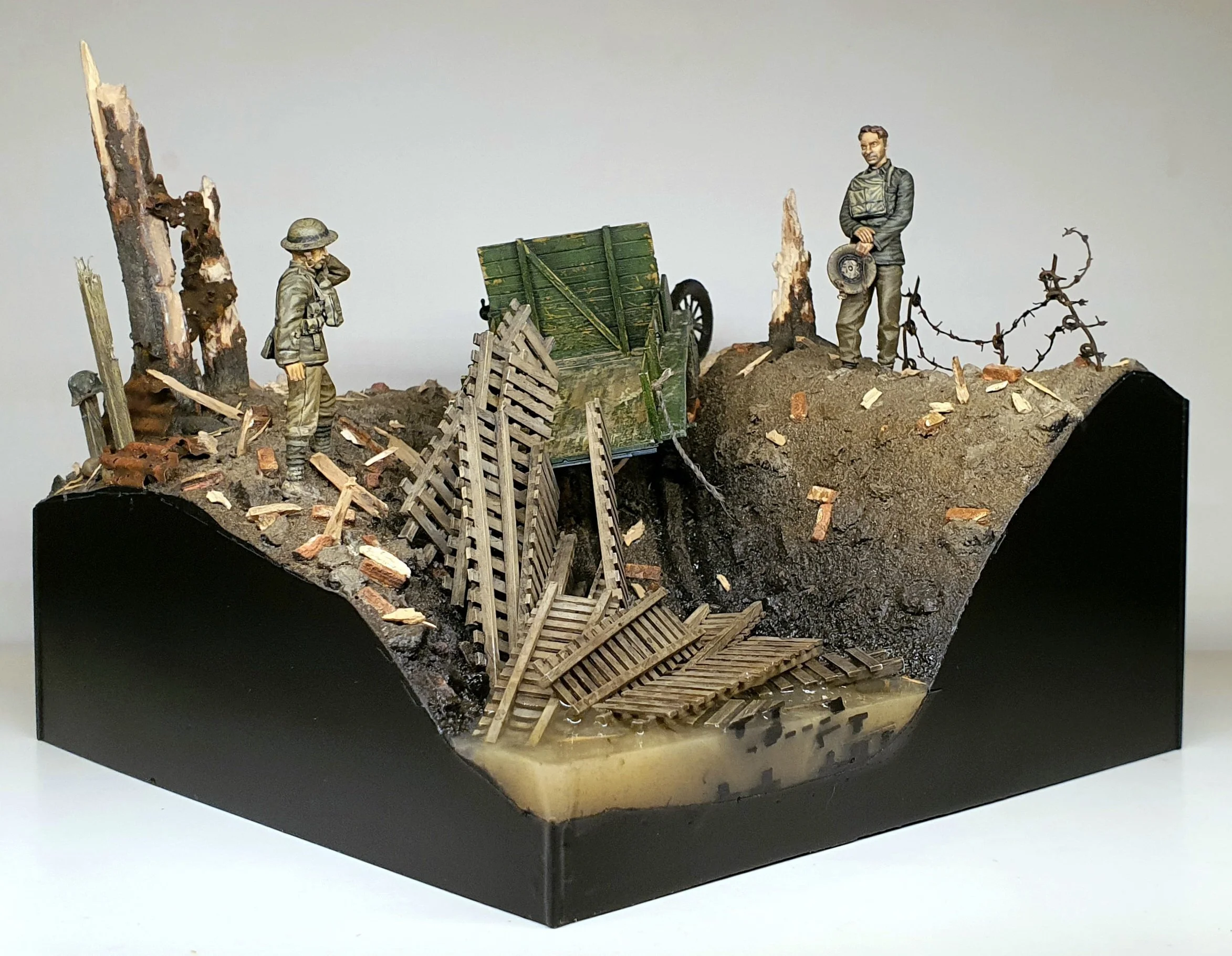
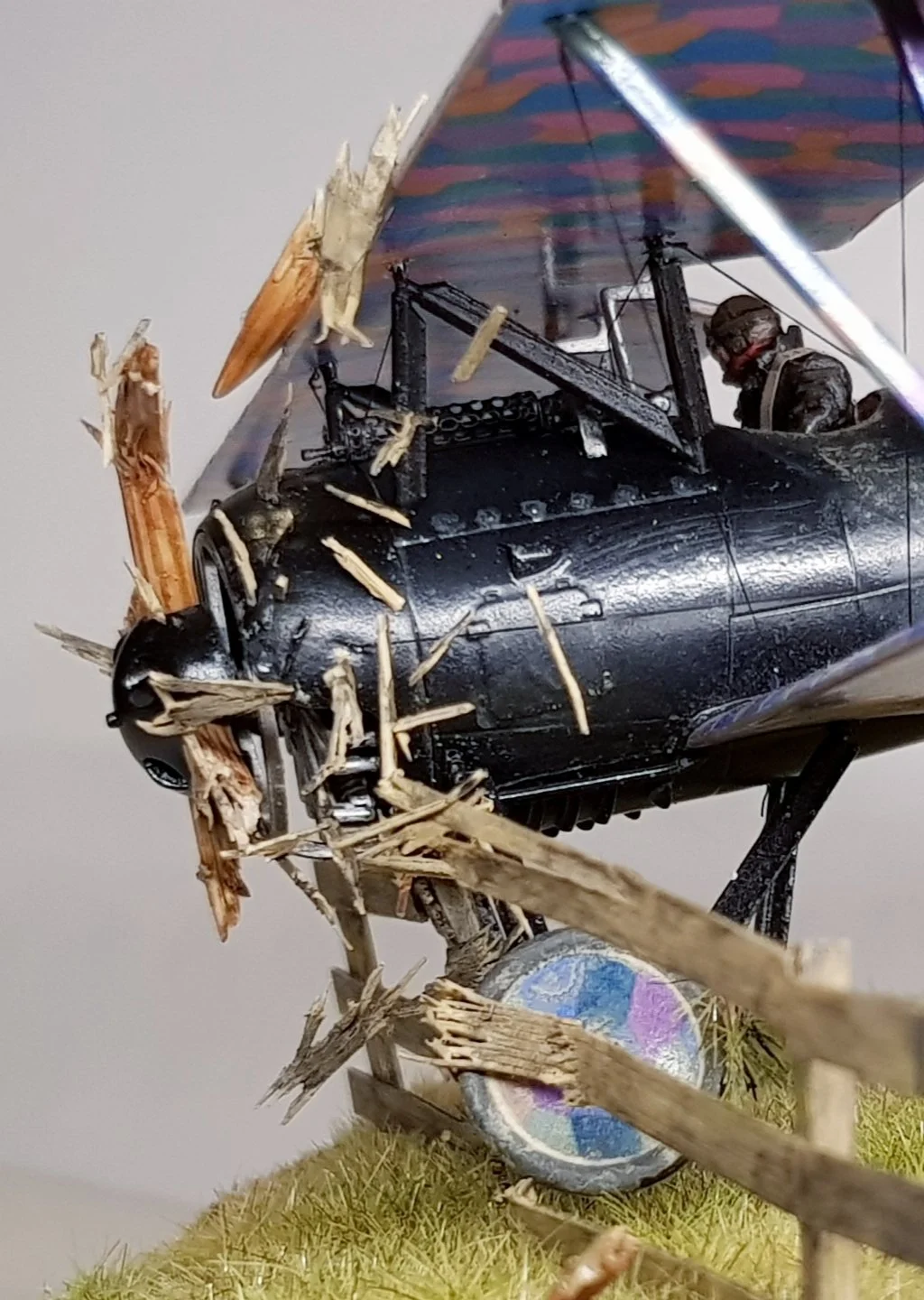
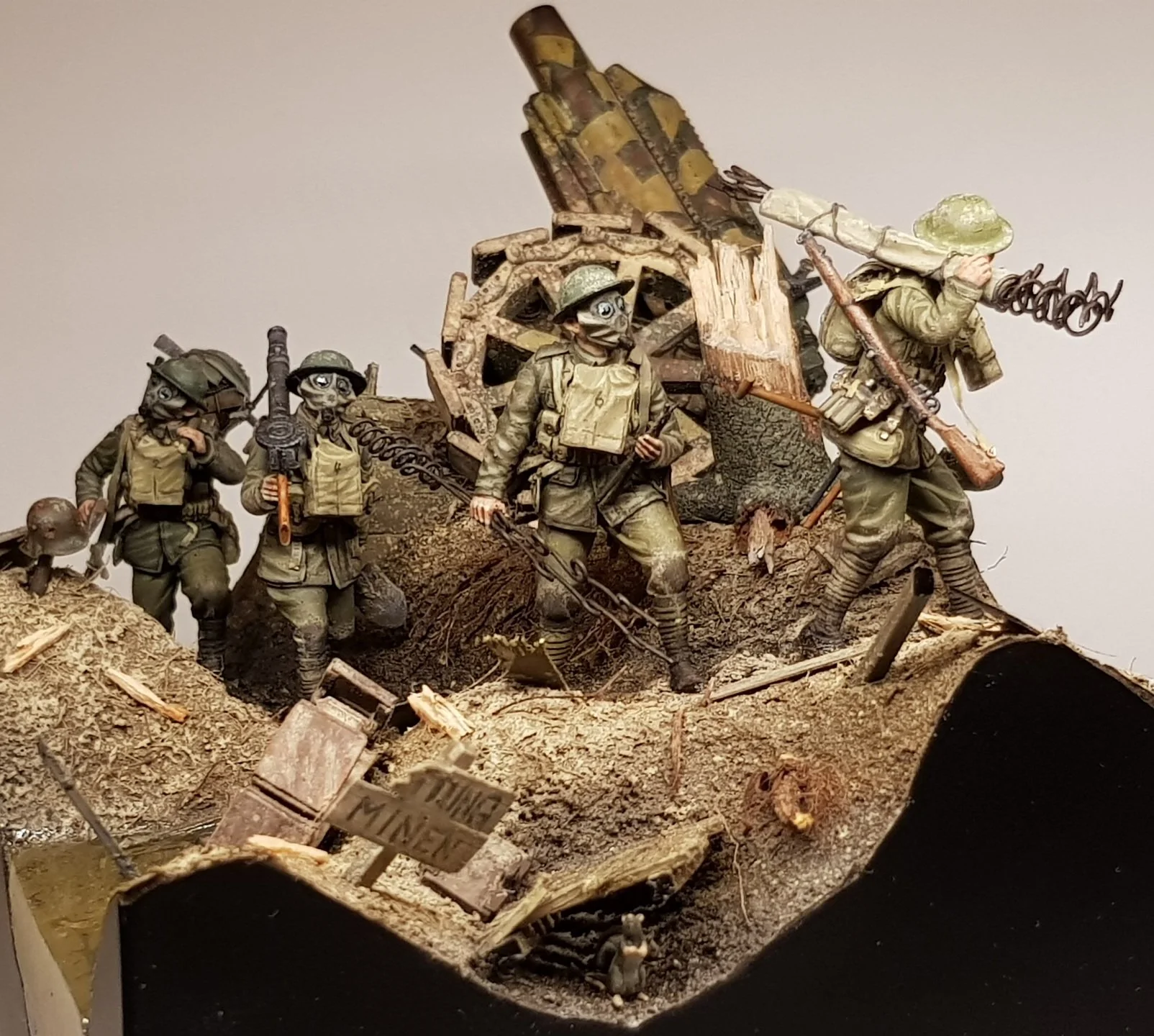
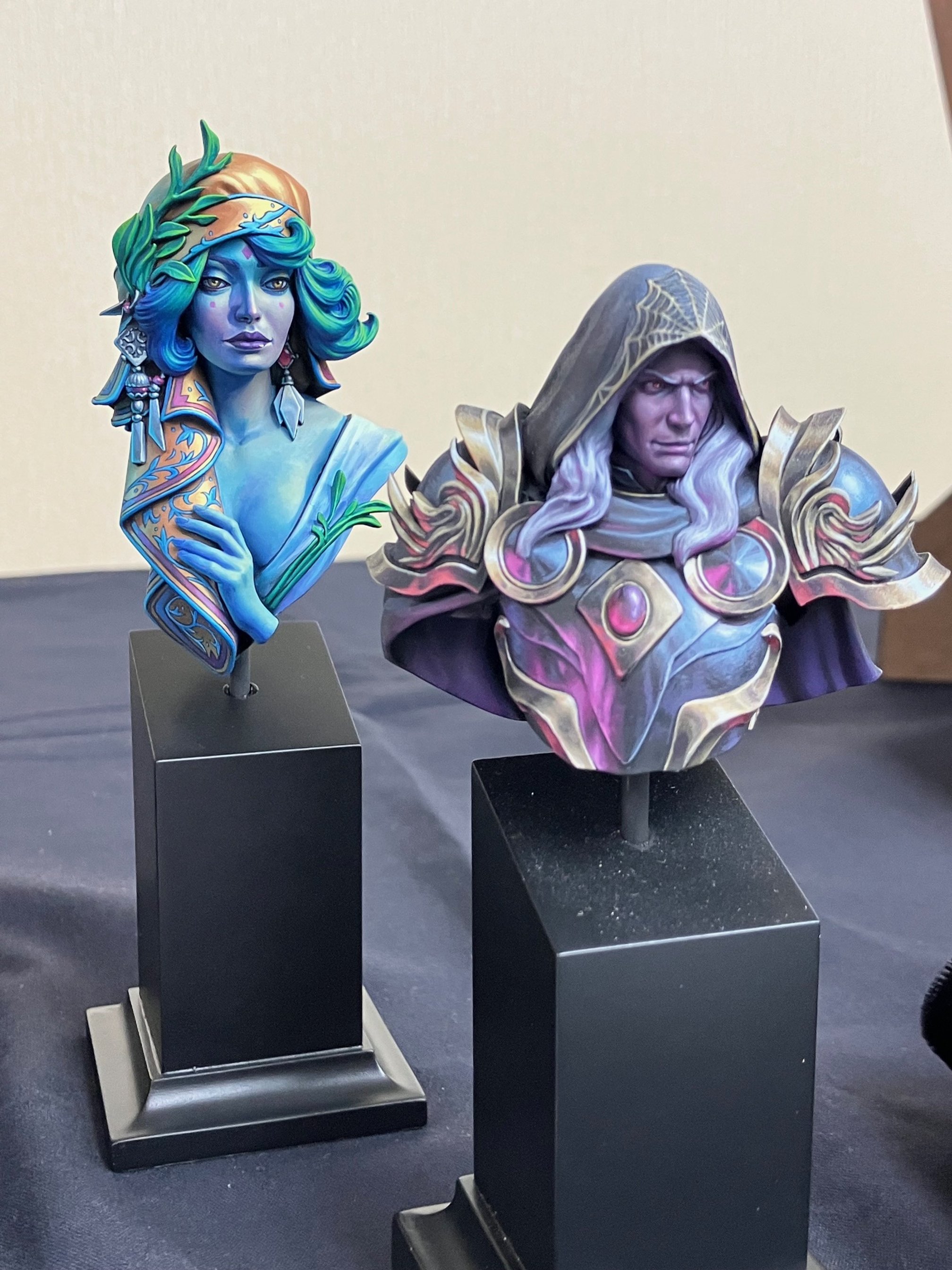
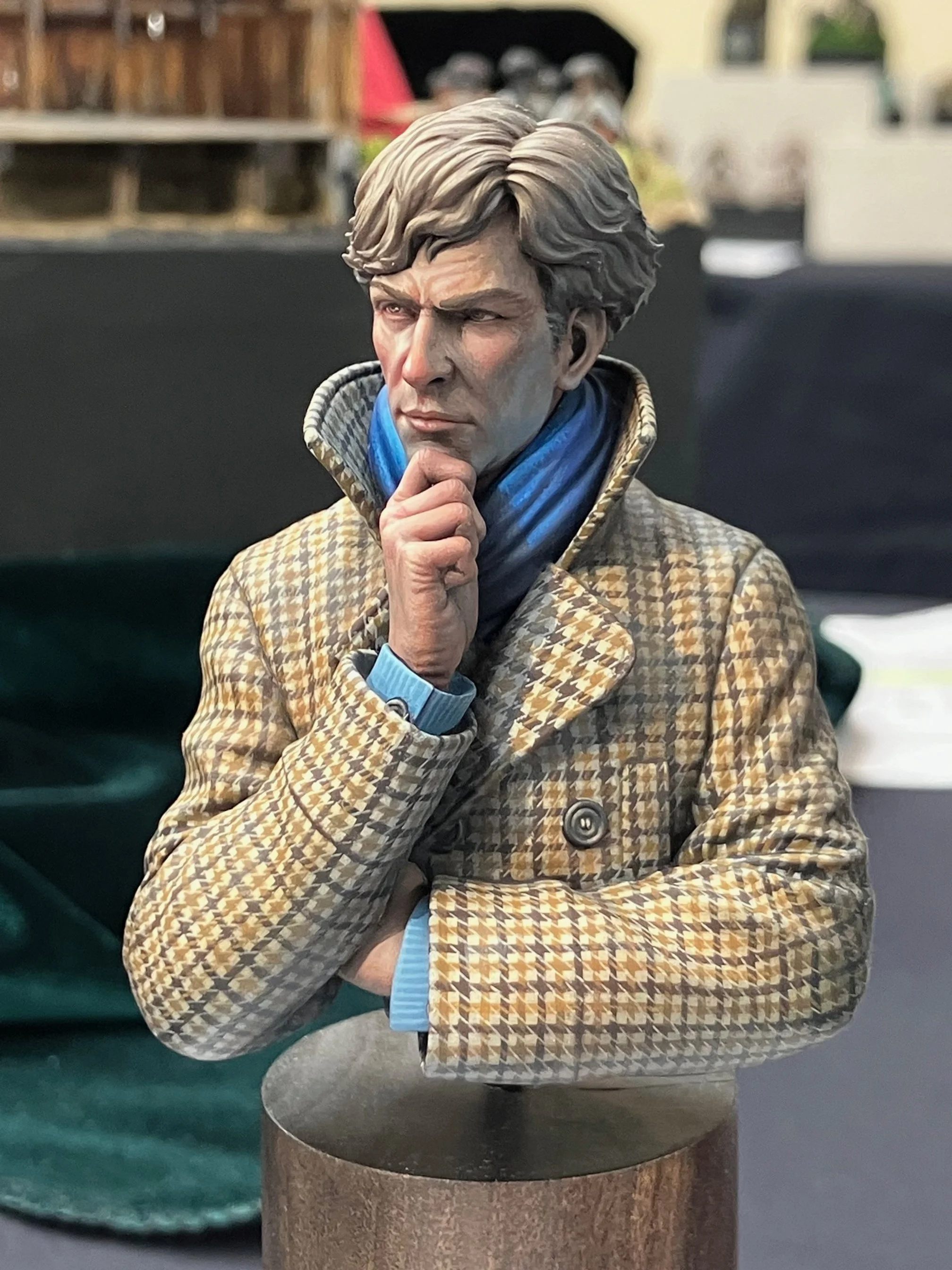
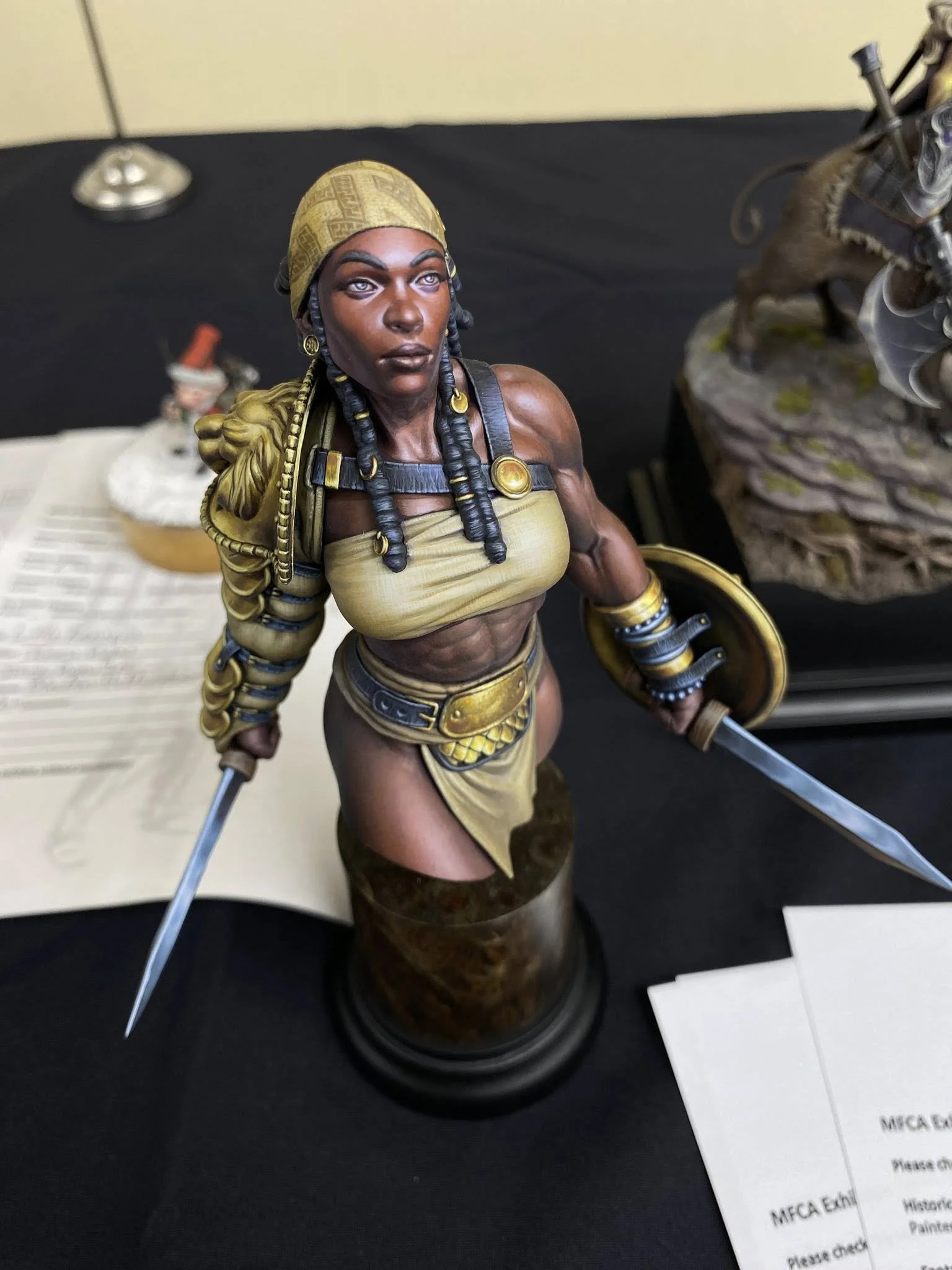
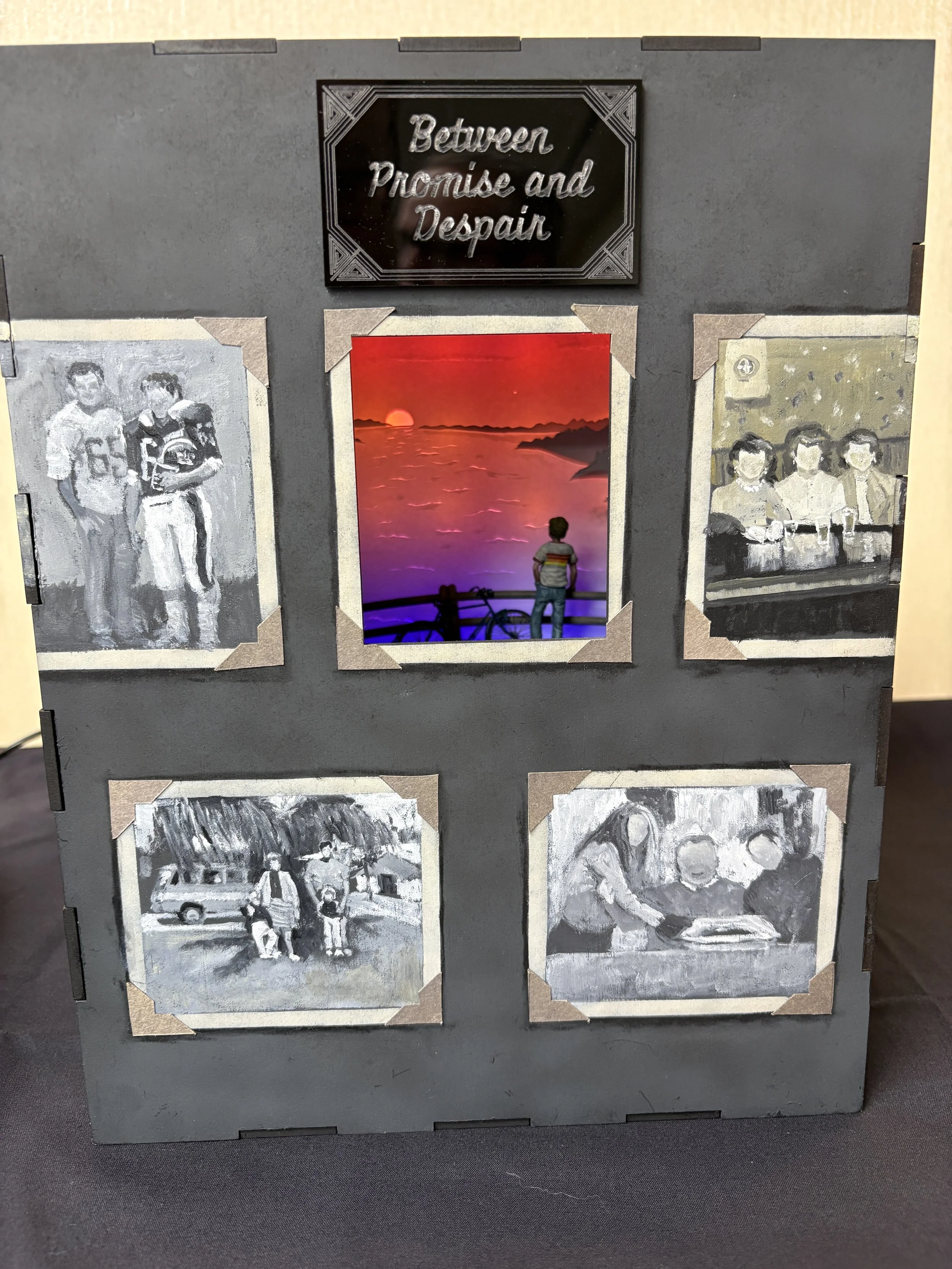
For the 65th episode of their podcast, Barry and Jim chat once again with U.K. modeler Chris Meddings about a new international online “juried exhibition” he’s launched called the Upturner Prize, which, as he puts it atop the web site, is intended for “celebrating modellers who push the limits of miniatures, models, and what they can say, with an annual prize for artistic creation in miniature.”

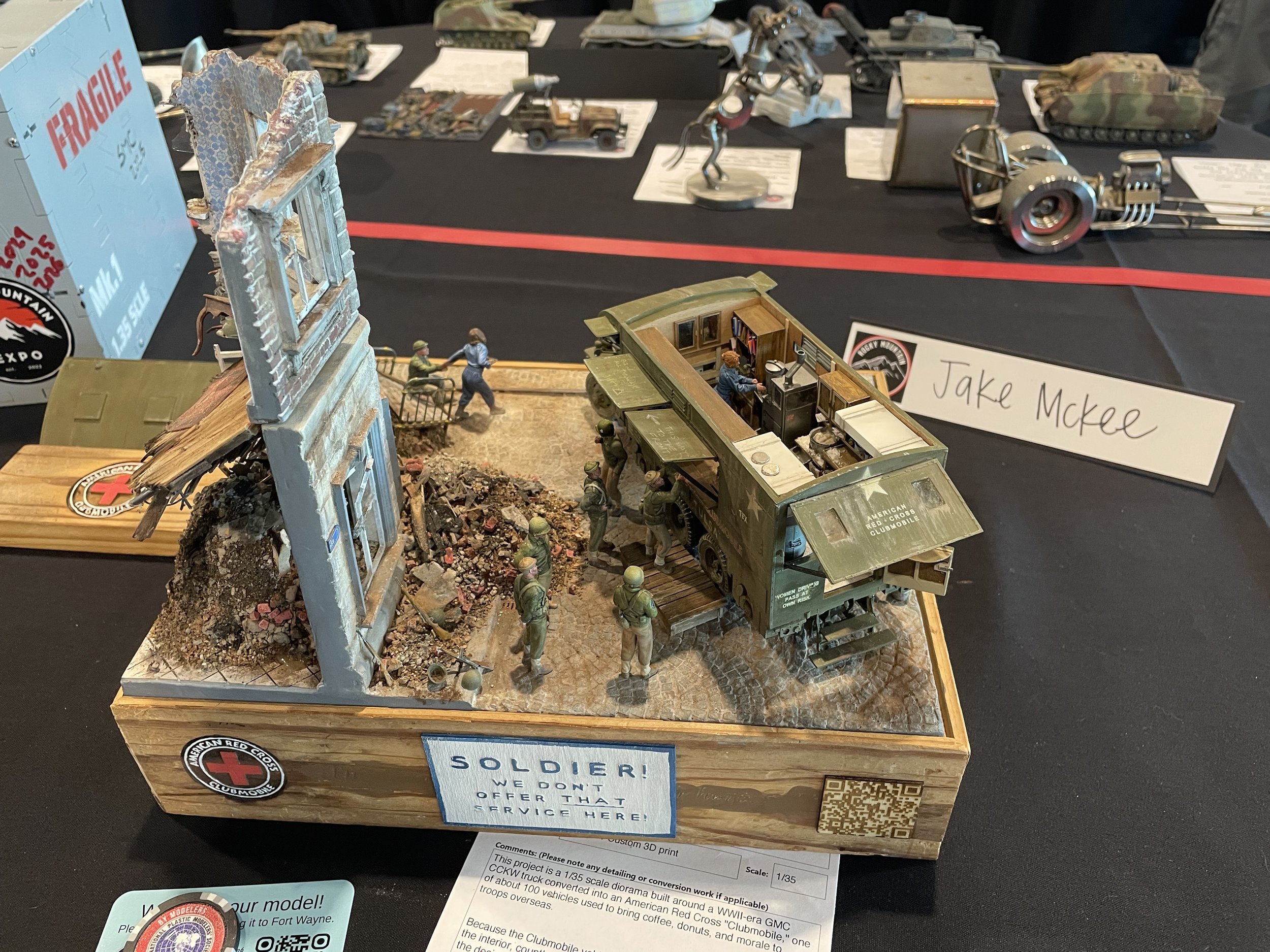
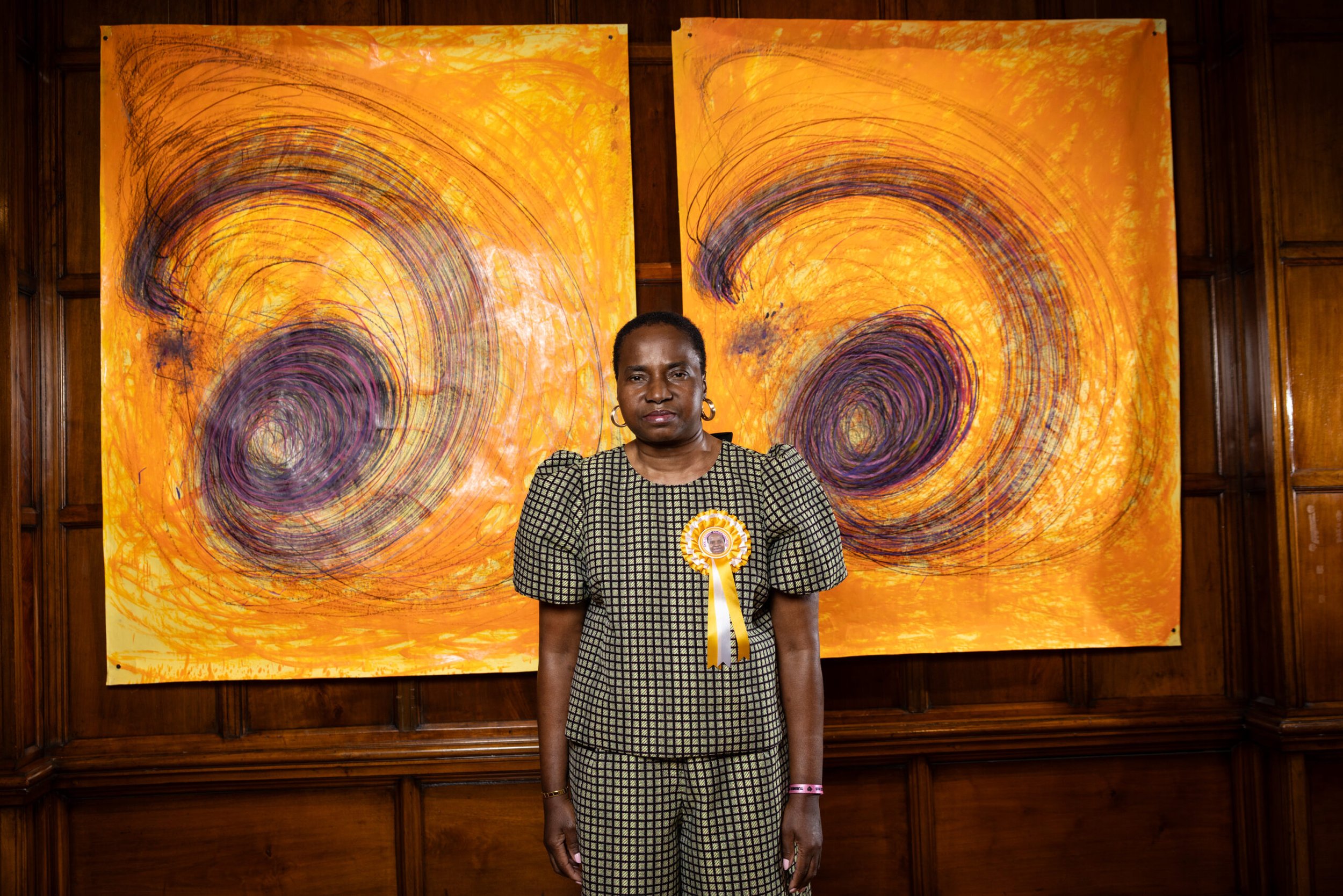
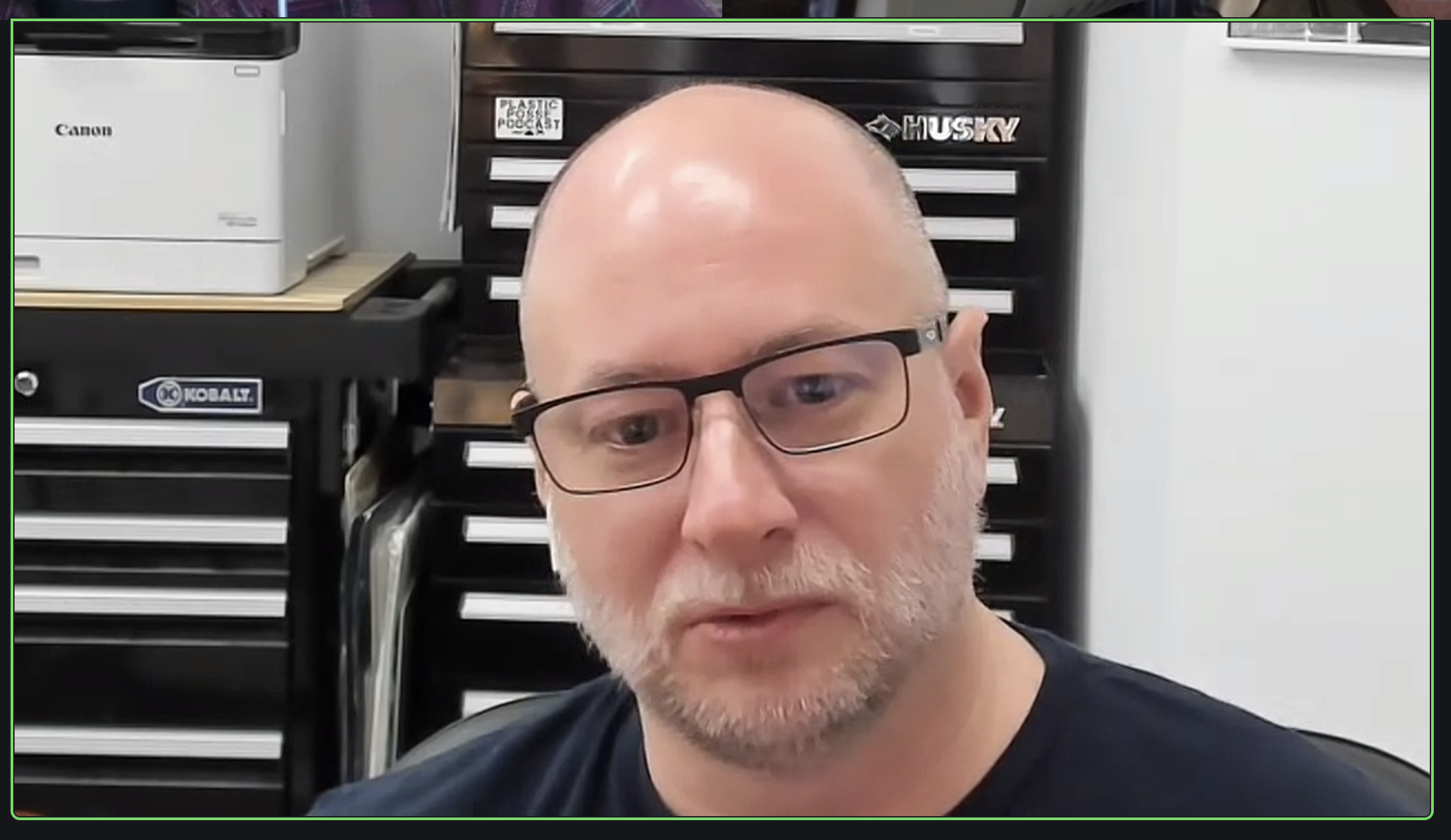
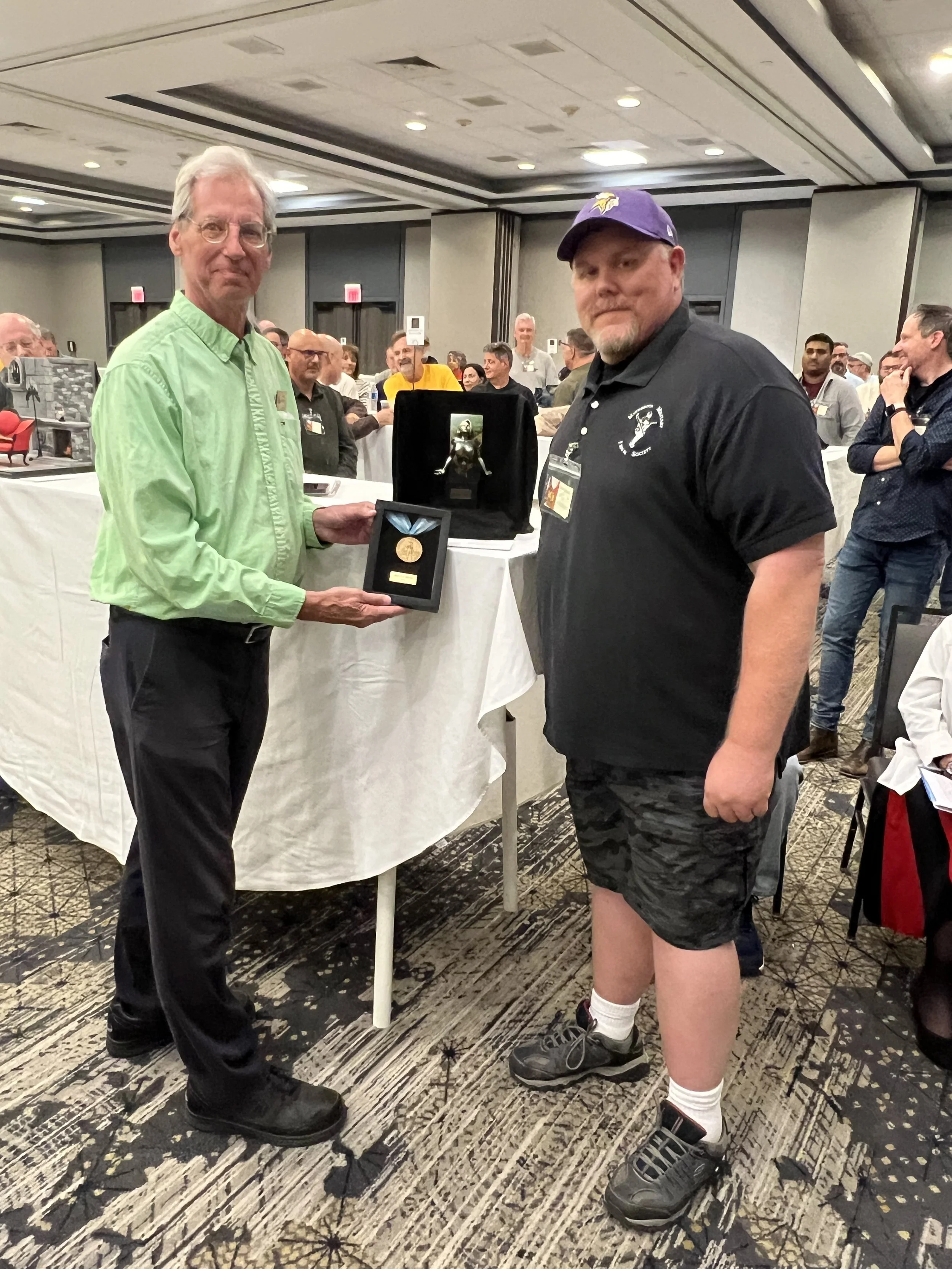
Always an entertaining guest, Chris devoted an episode of his own podcast “The Model Philosopher” to talking with his four fellow judges. But your hosts dig a bit deeper—as well as straying somewhat further afield to discuss, among other things, 2025 Turner Prize winner Nnena Kalu (pictured below with her work)—and, as usual, have plenty of laughs along the way.

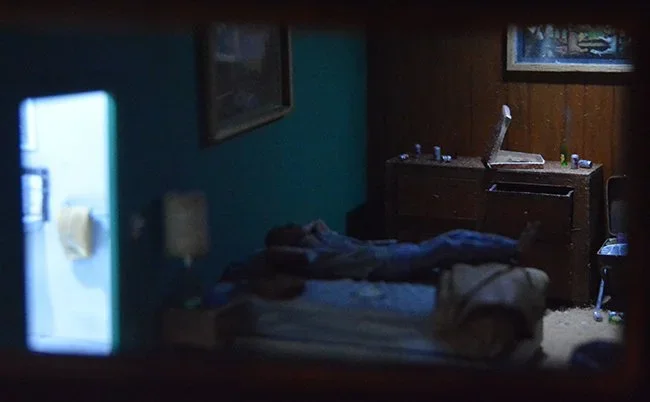
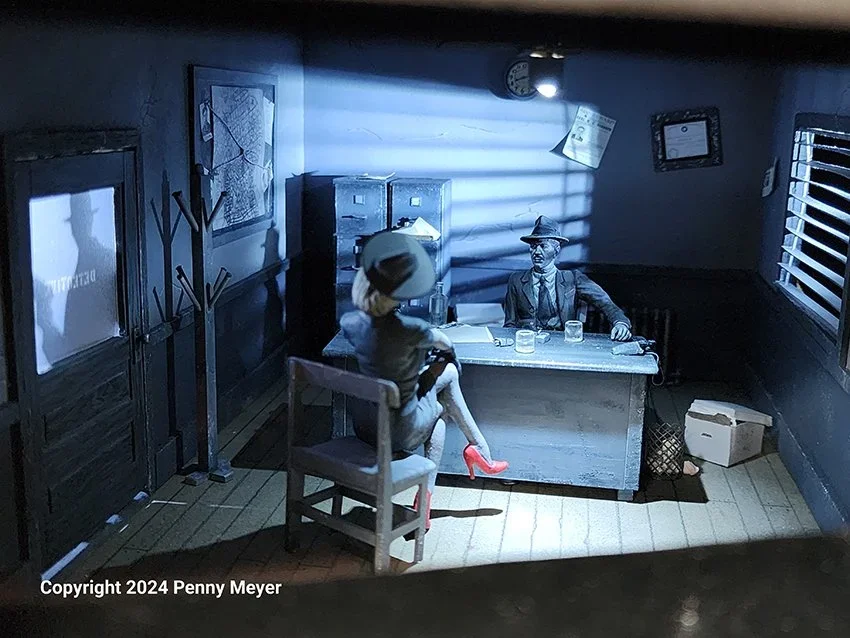
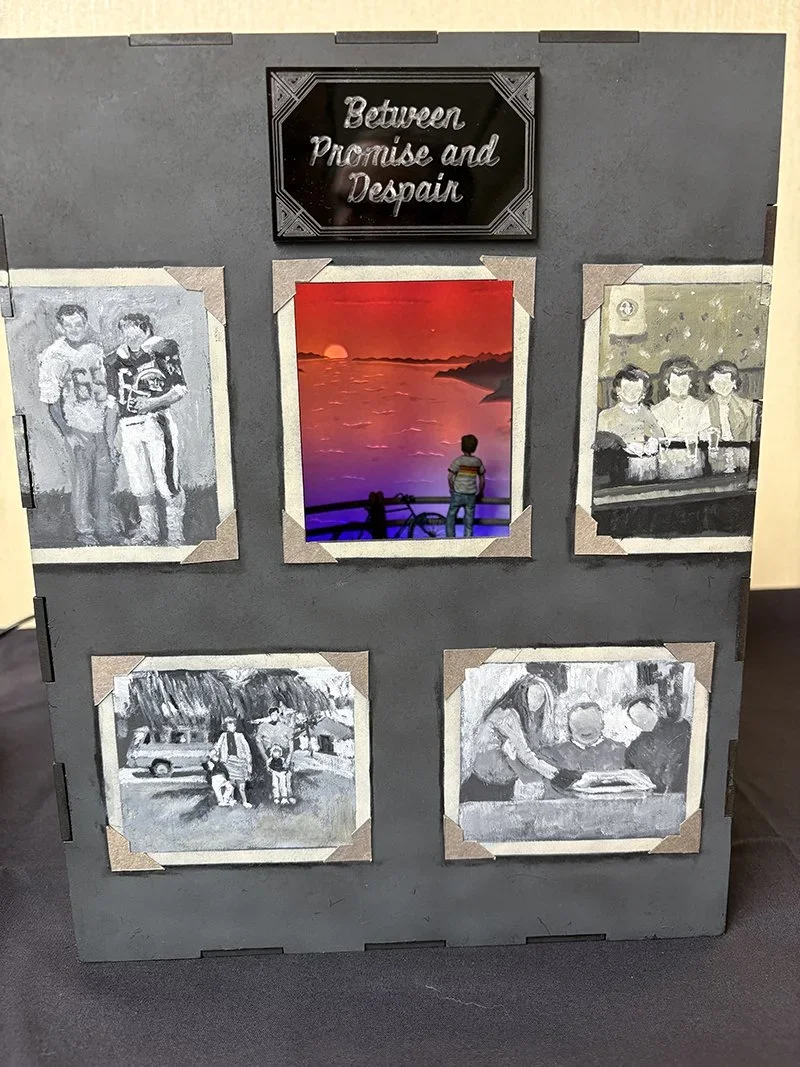
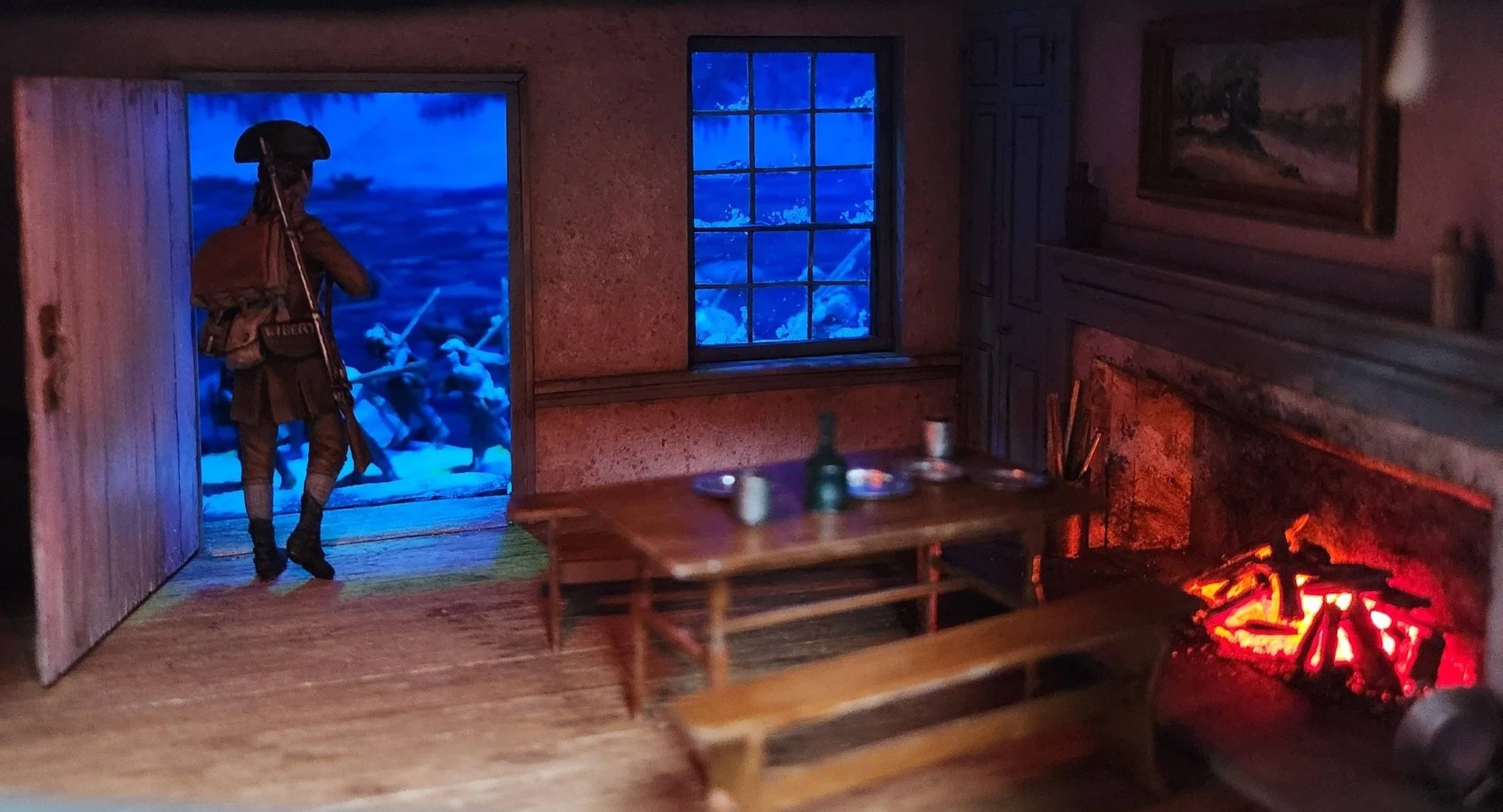
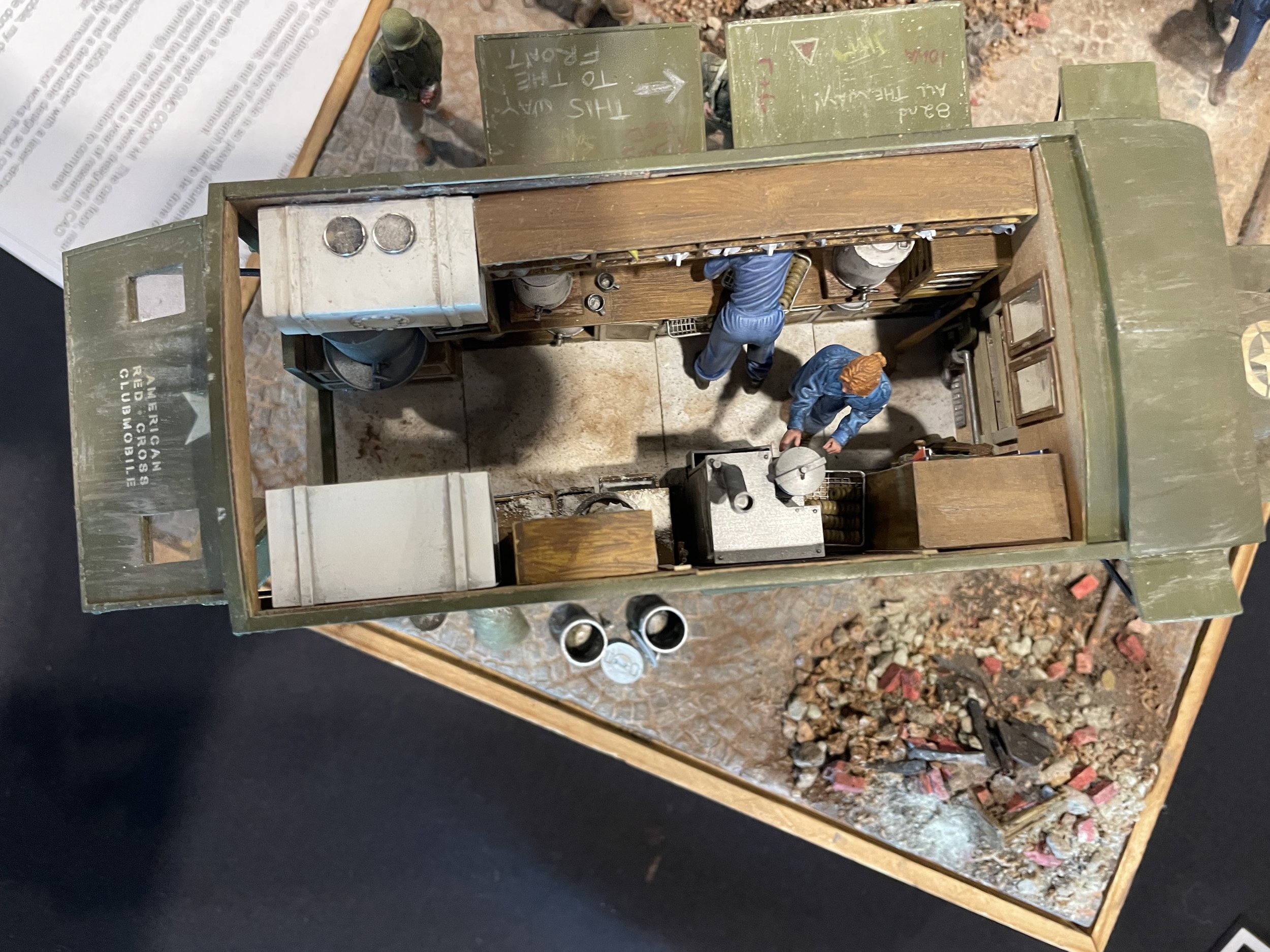
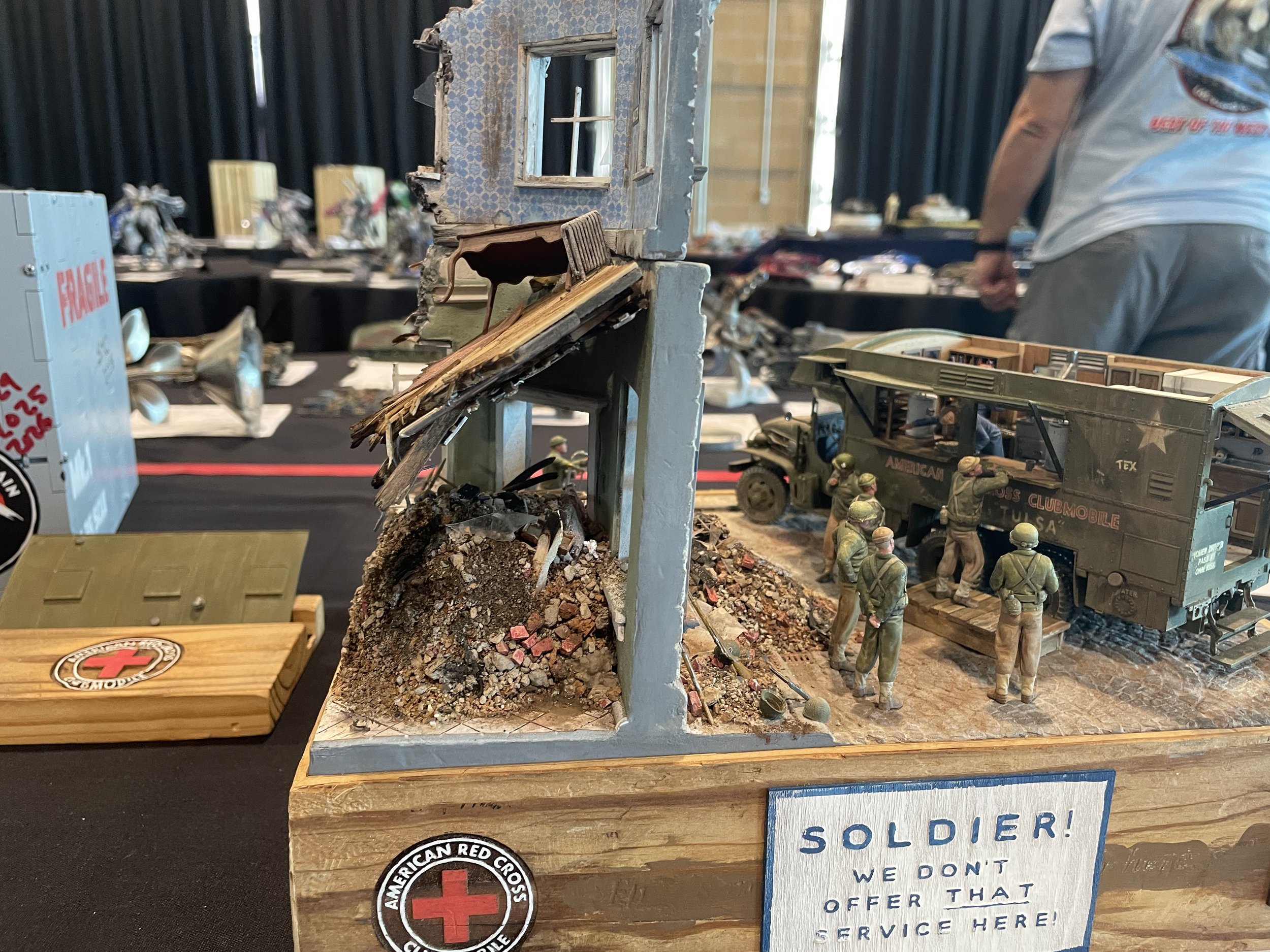
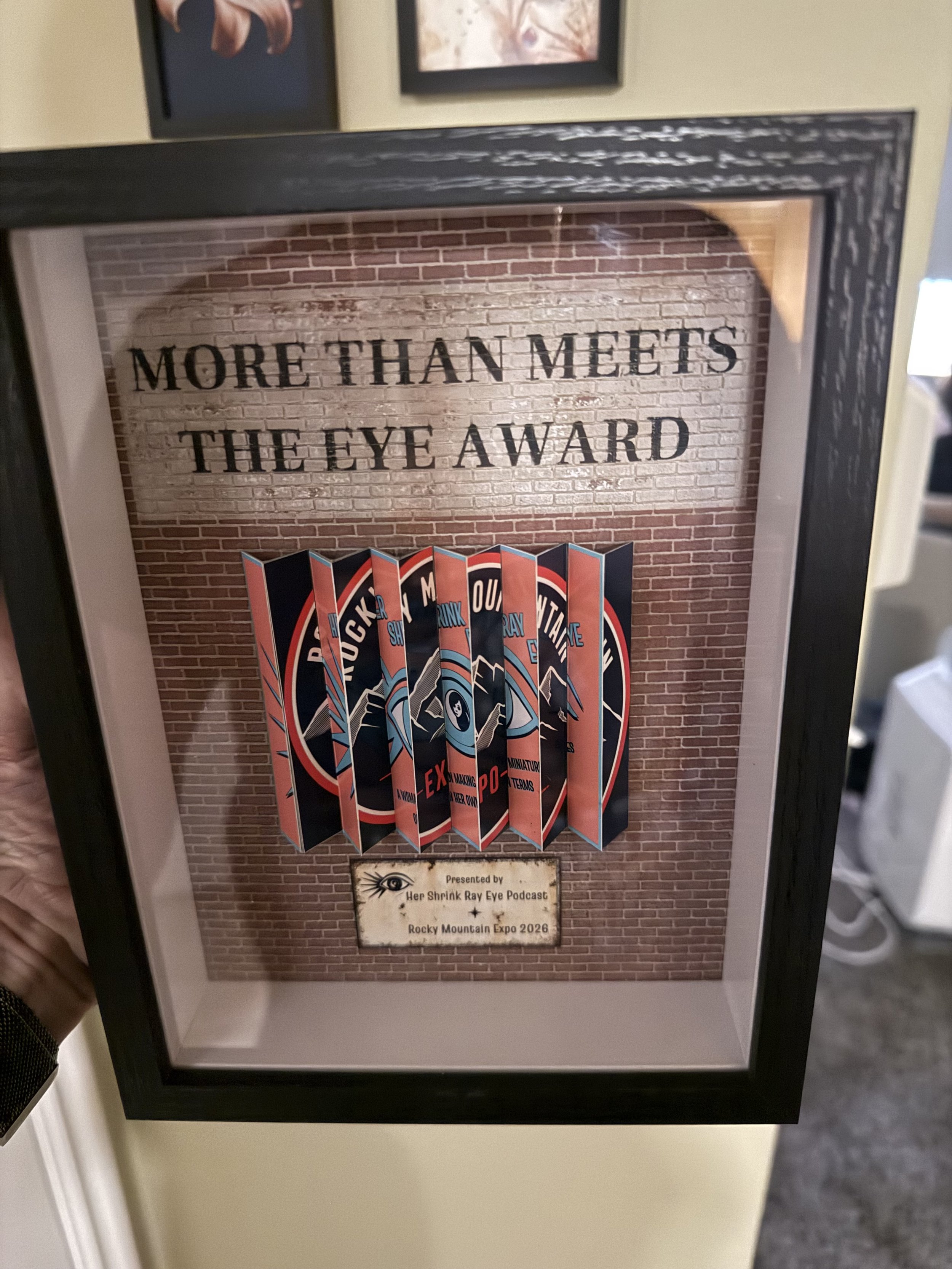
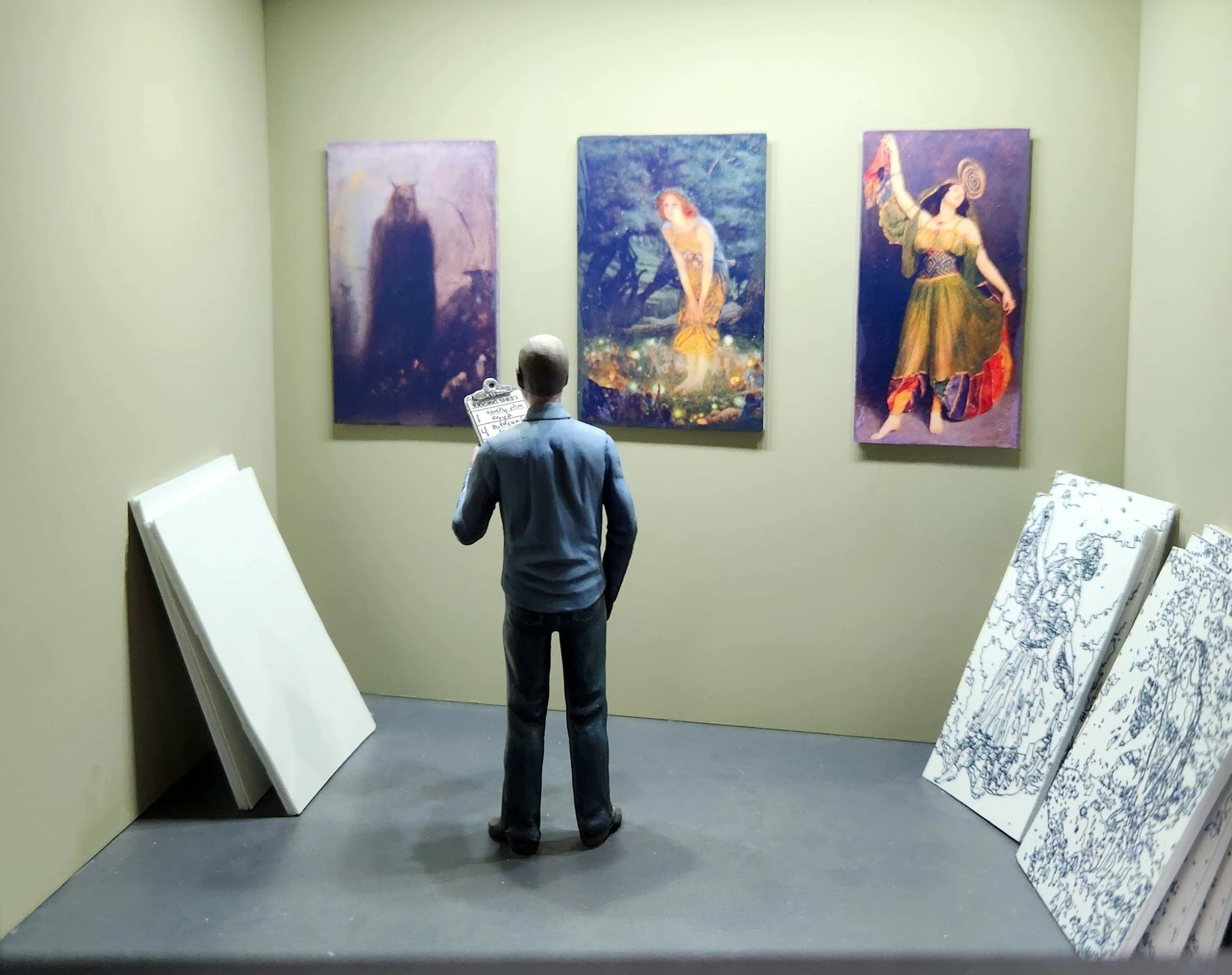
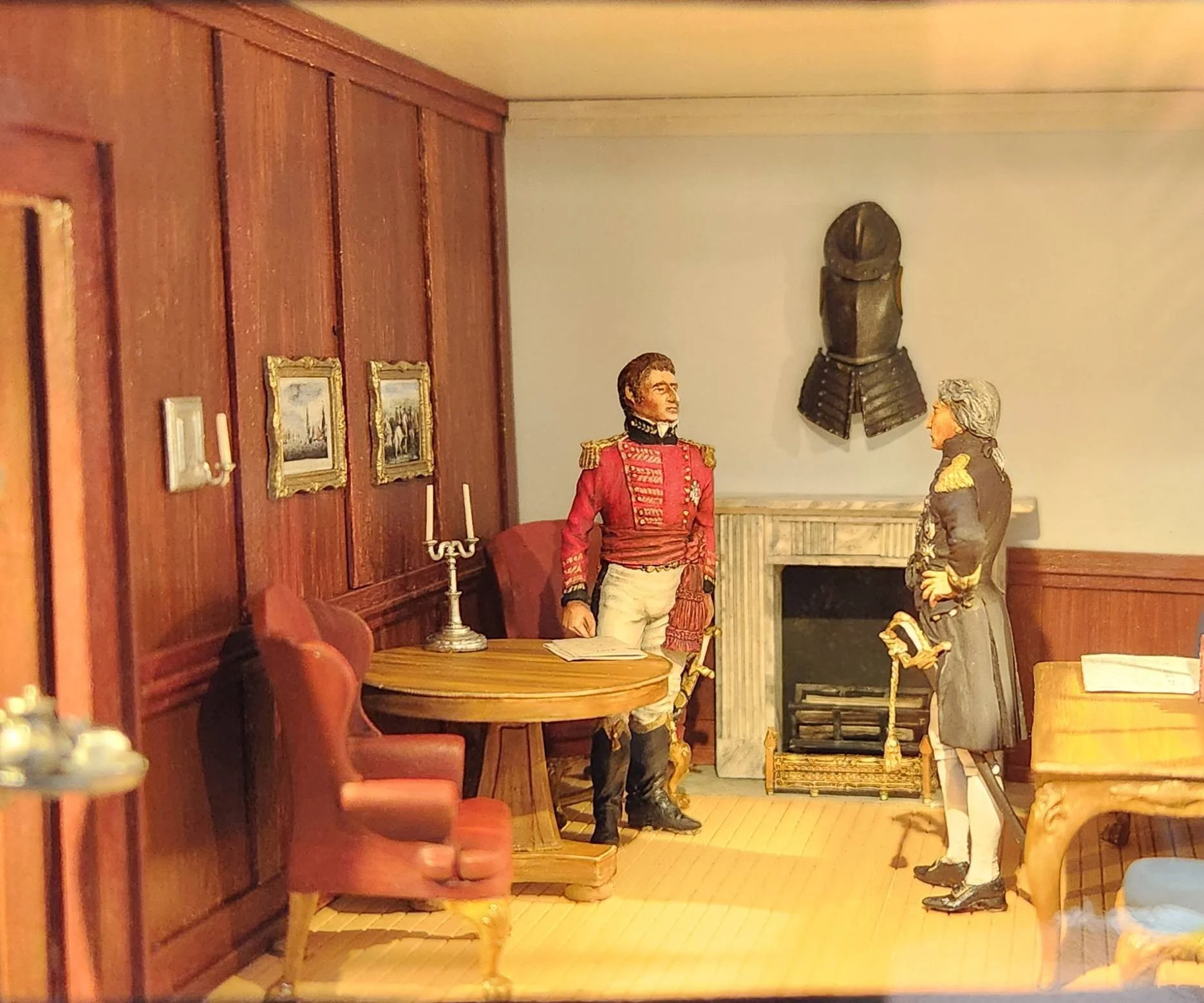
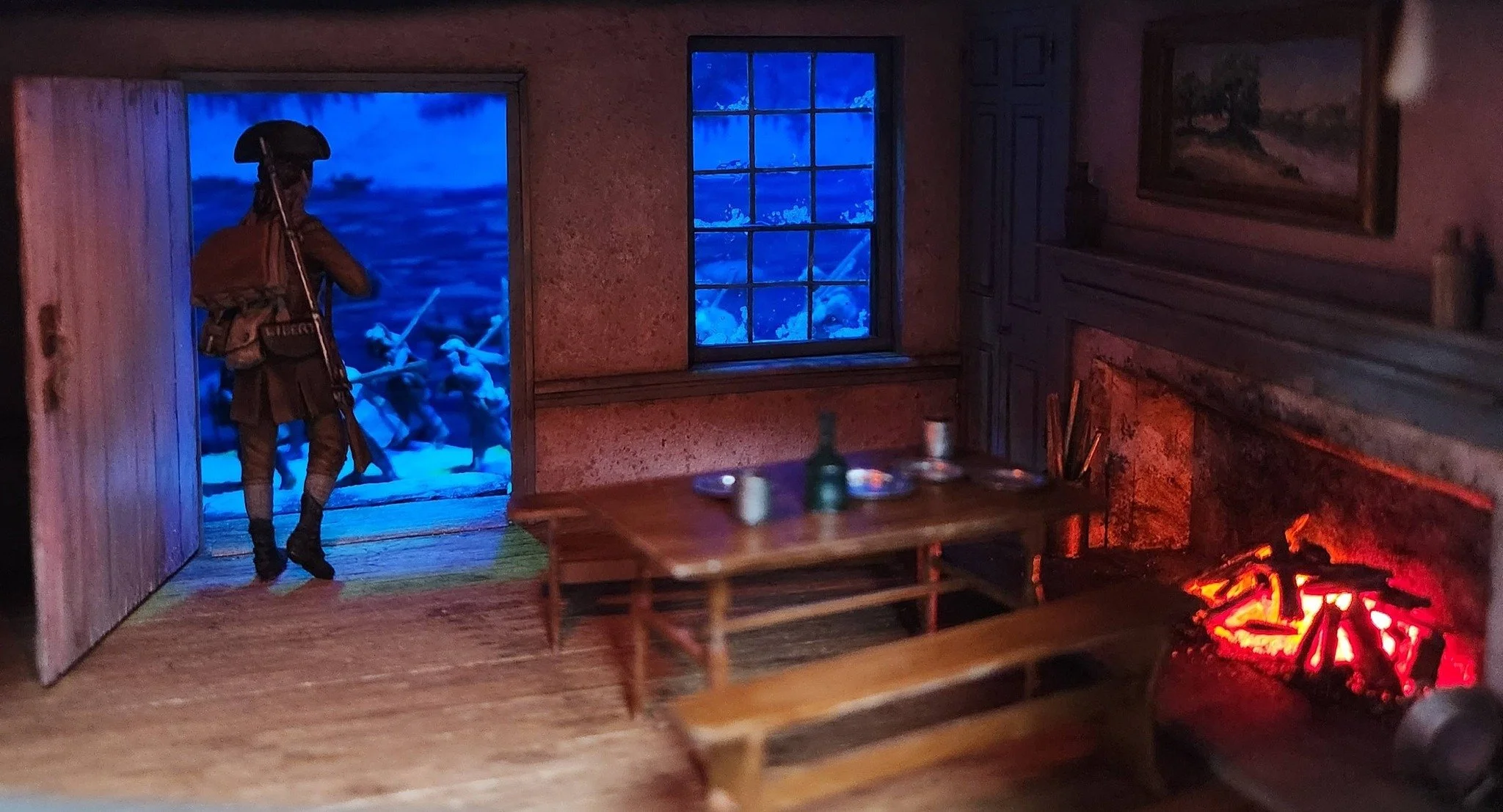
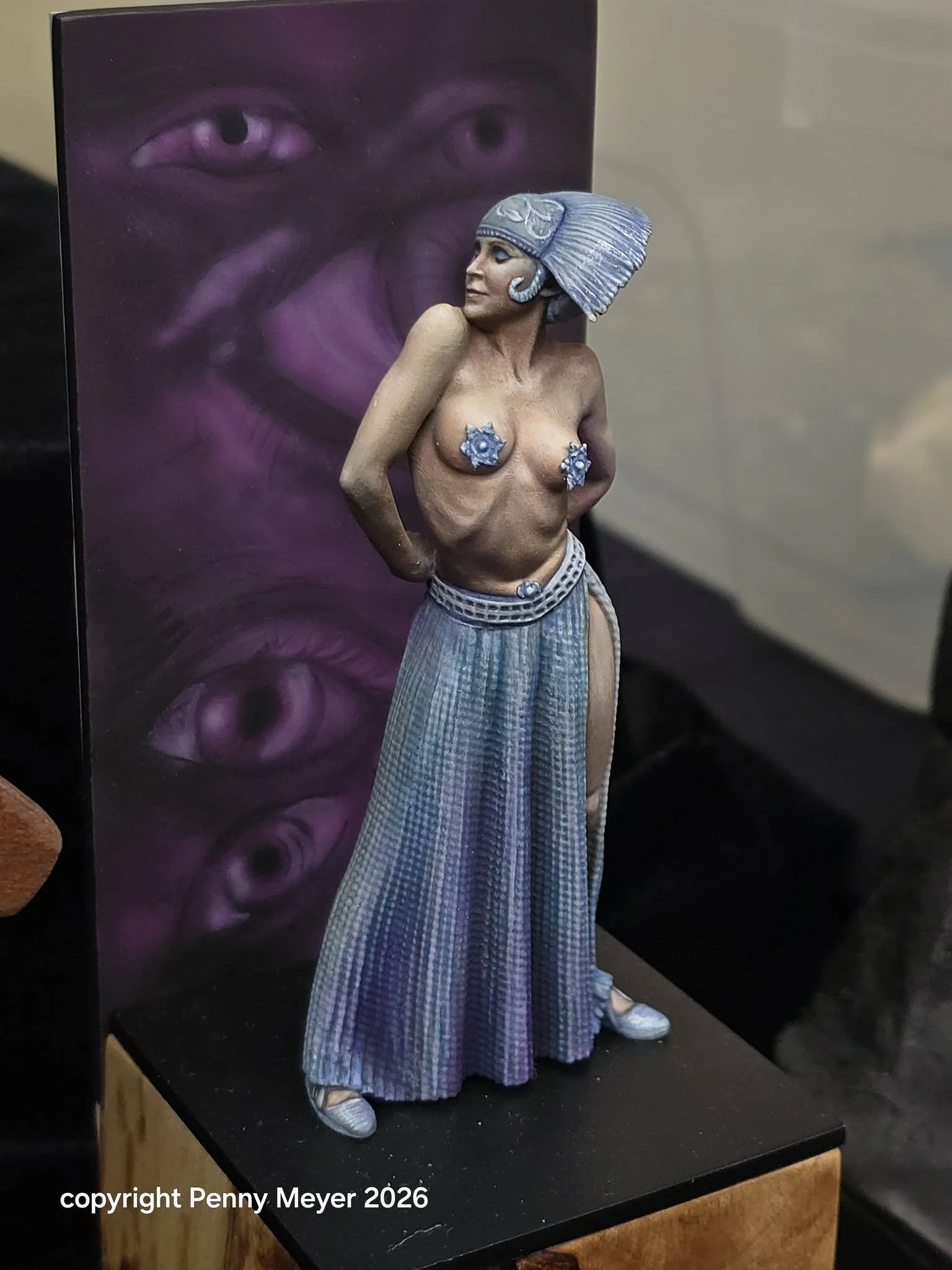
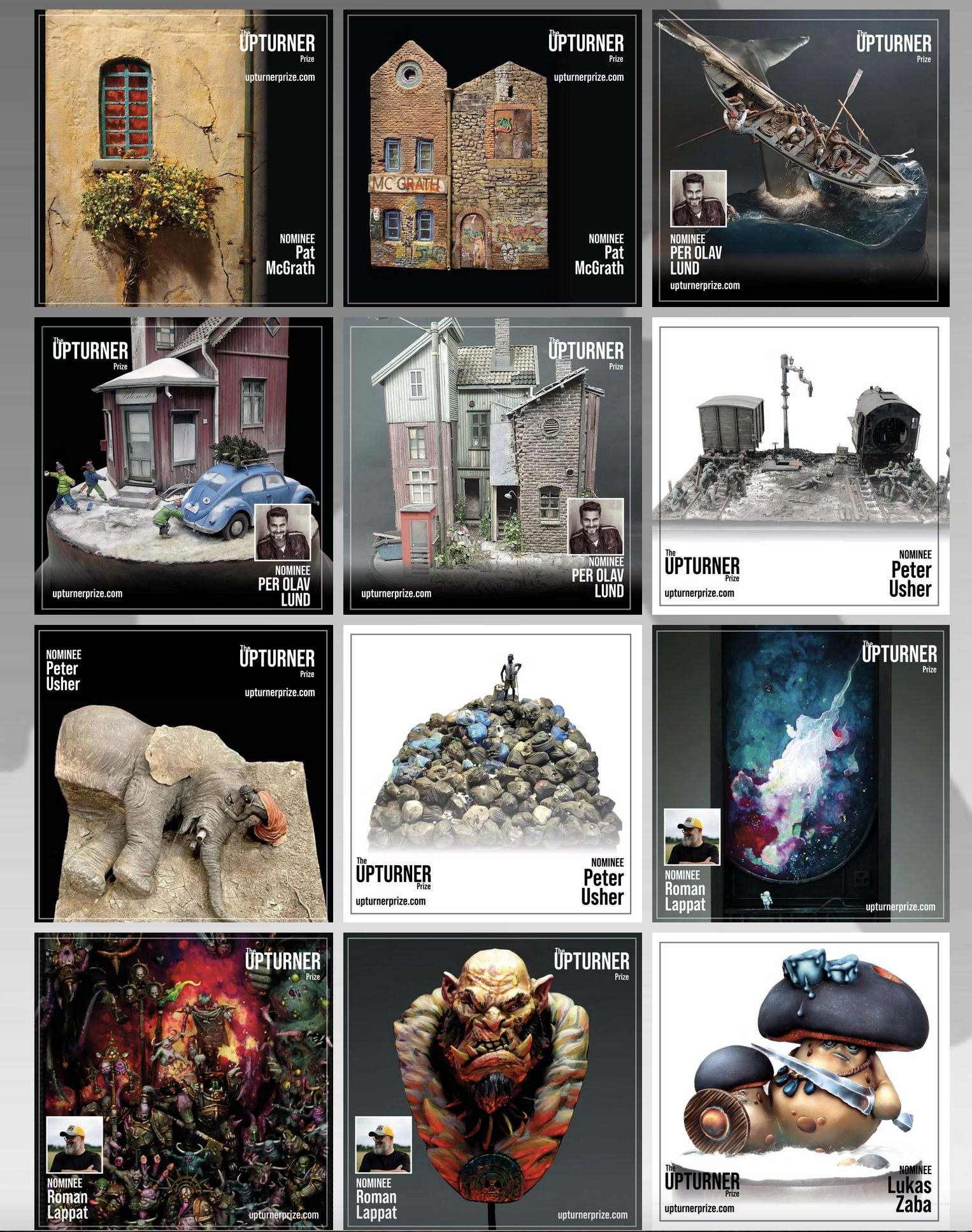
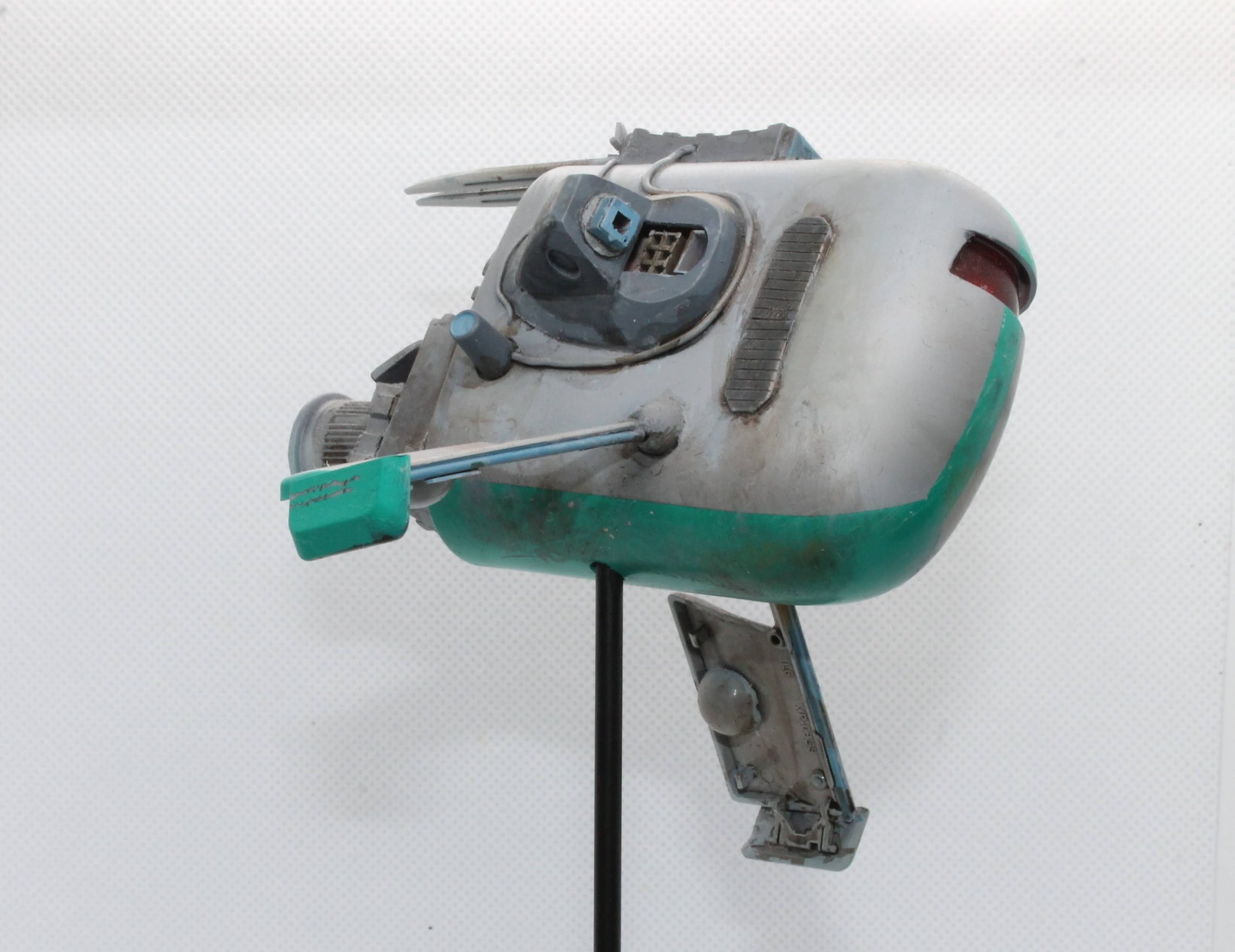
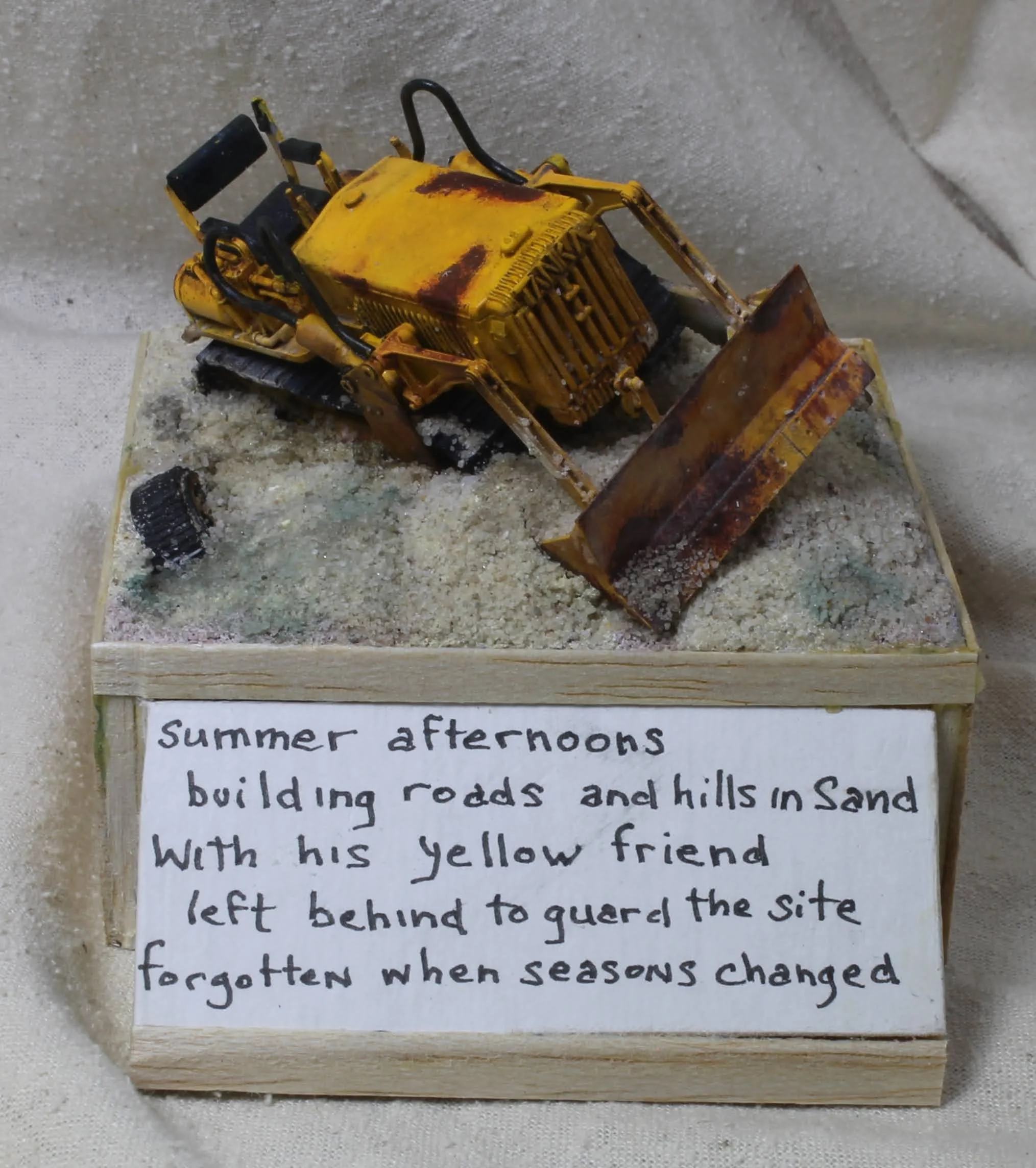
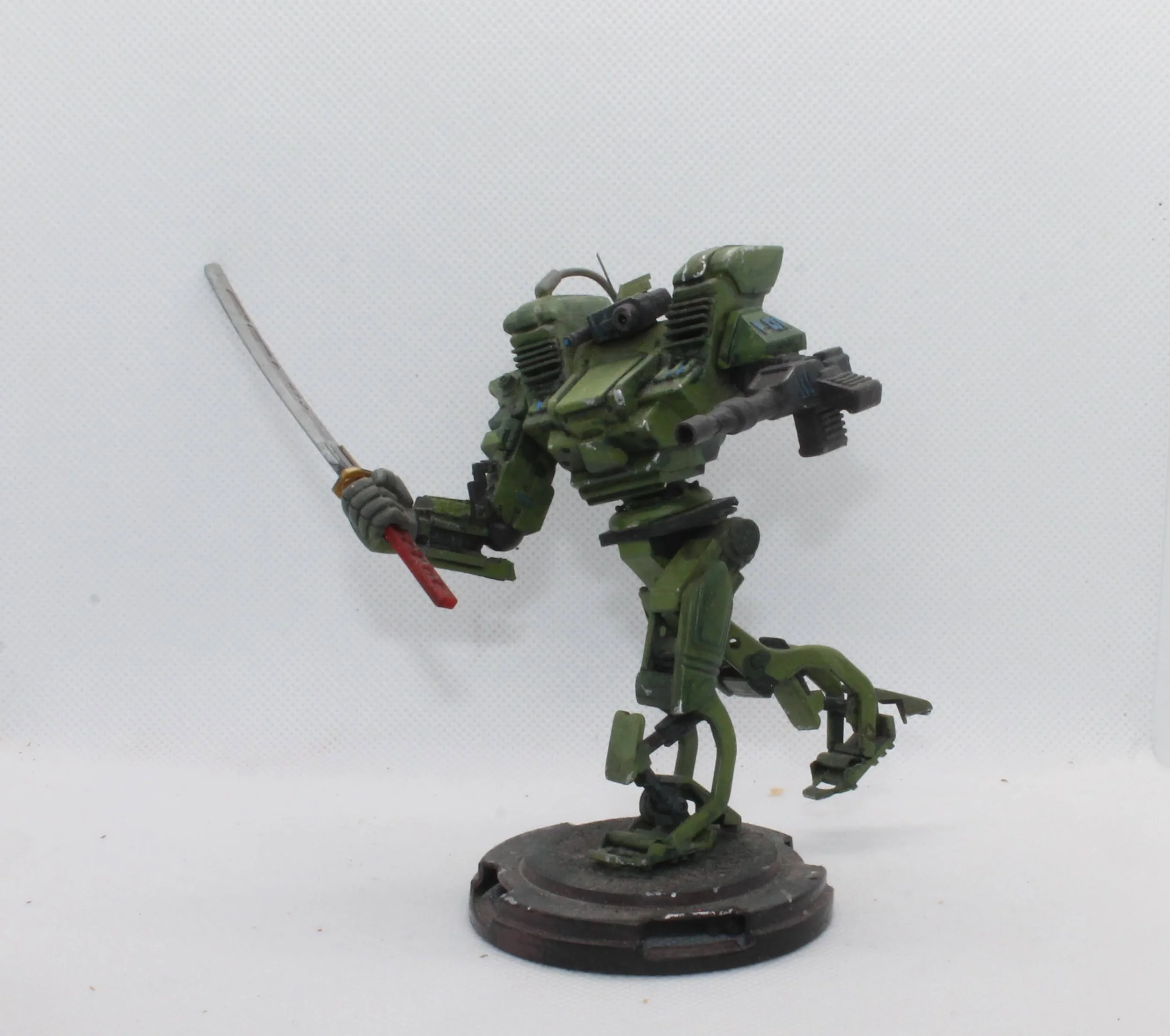
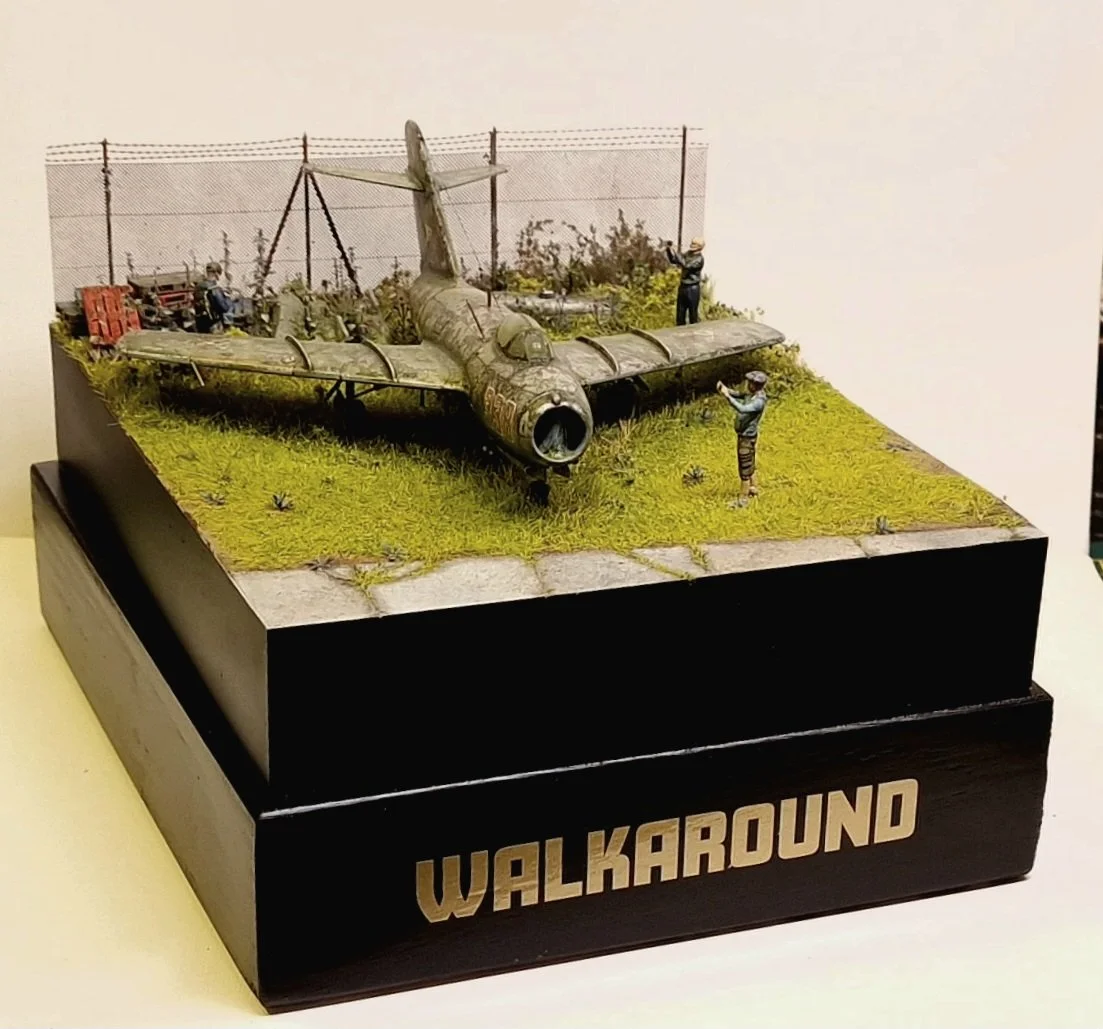
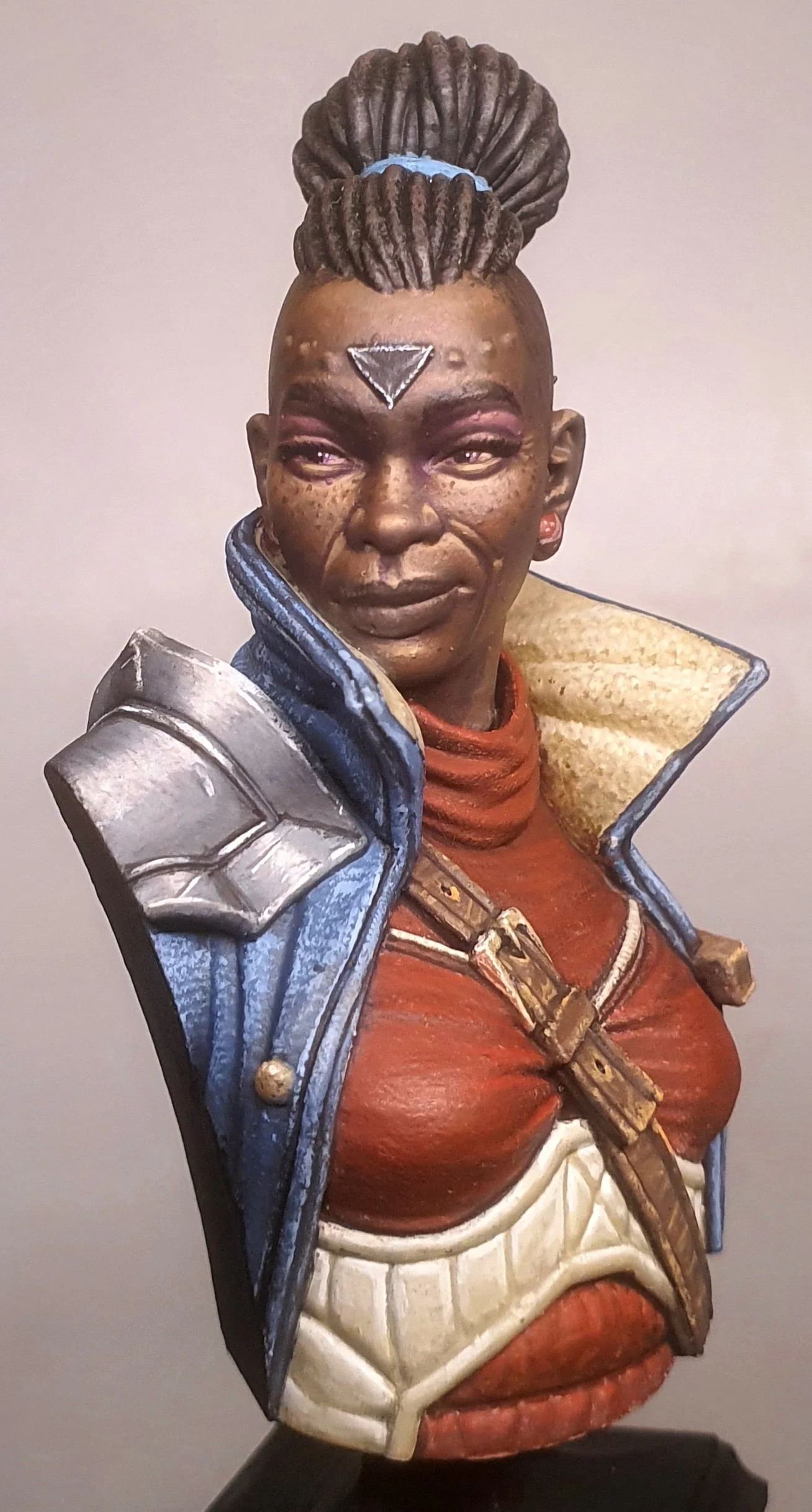
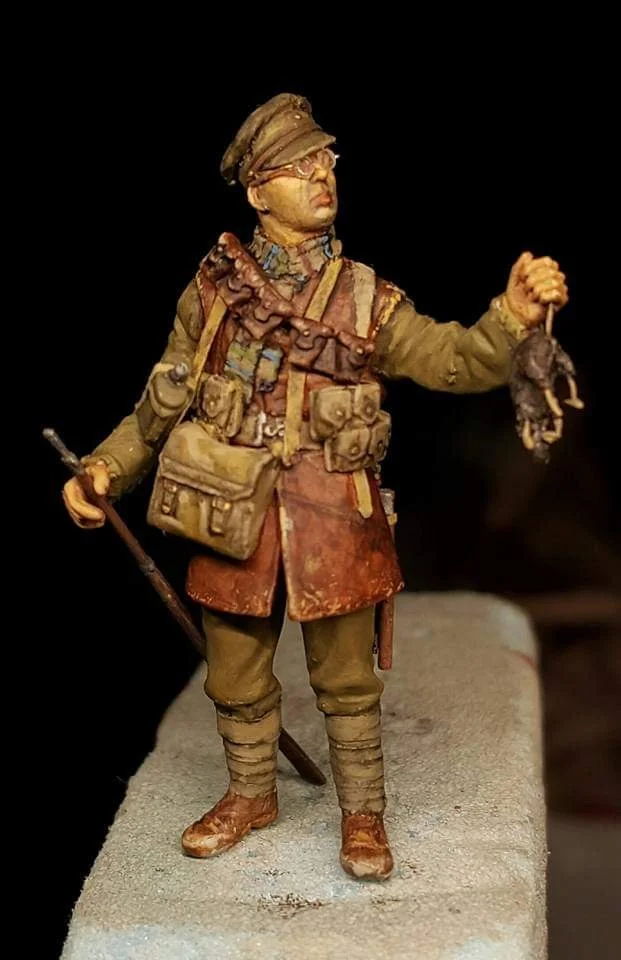
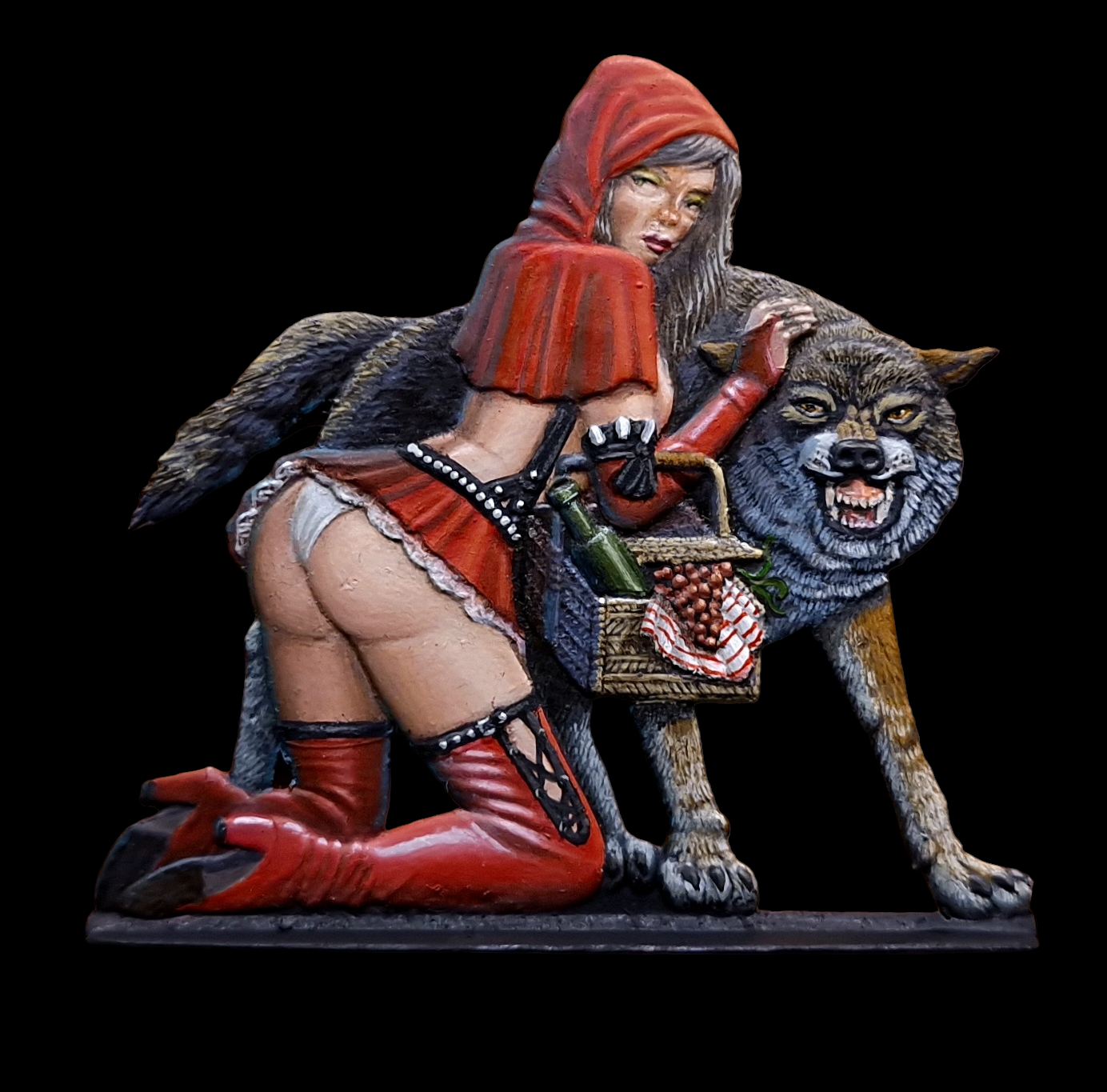
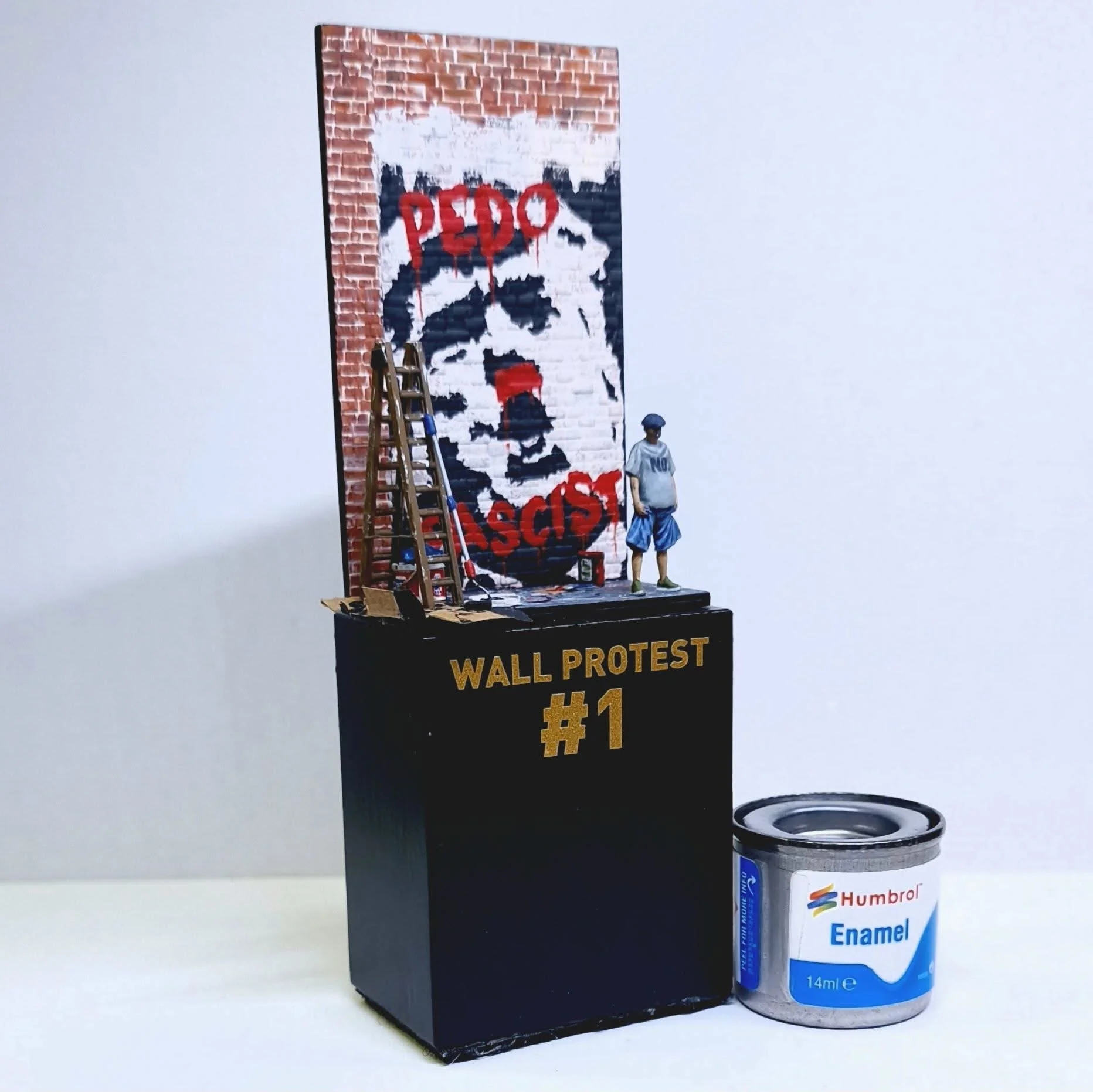
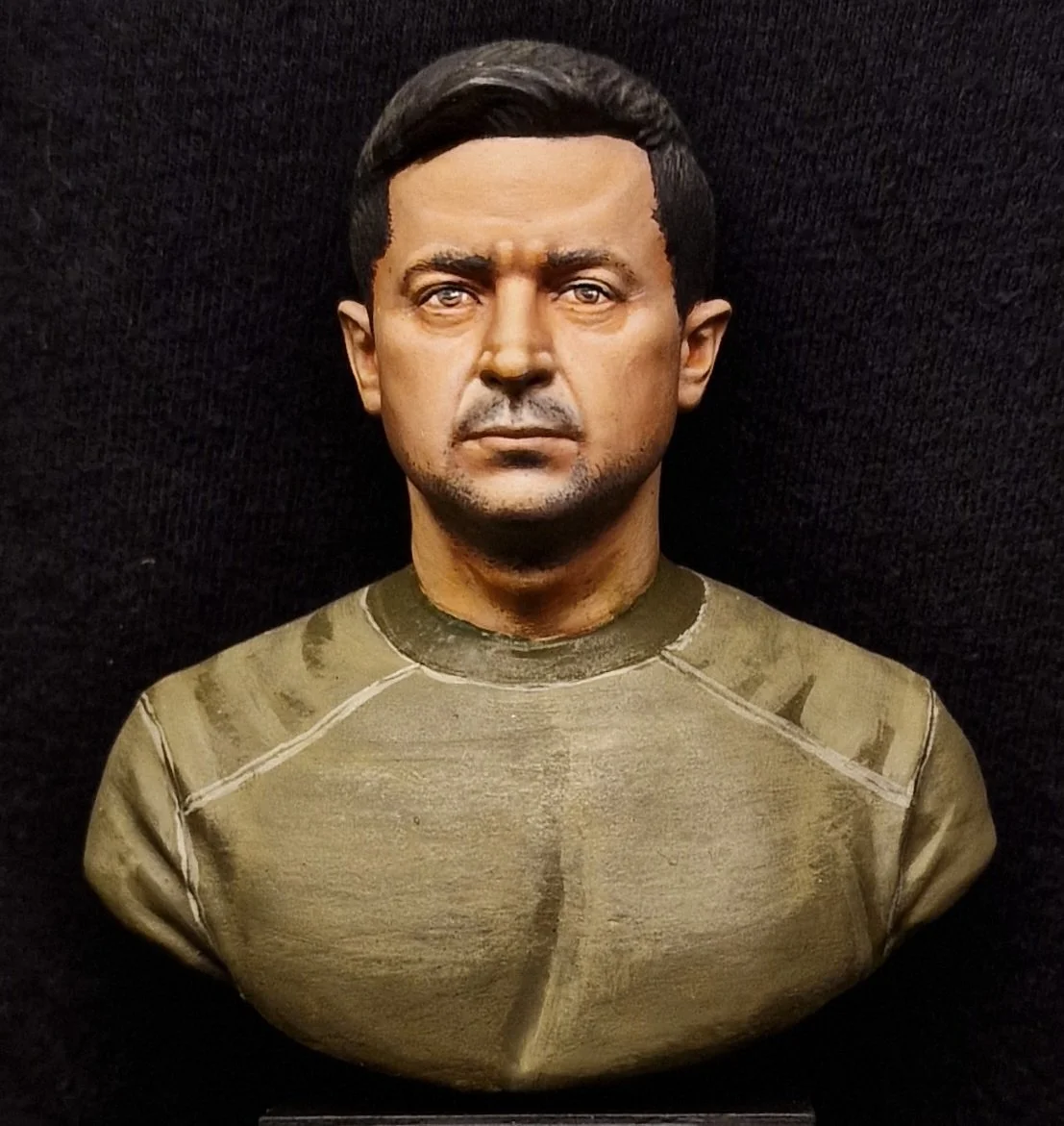
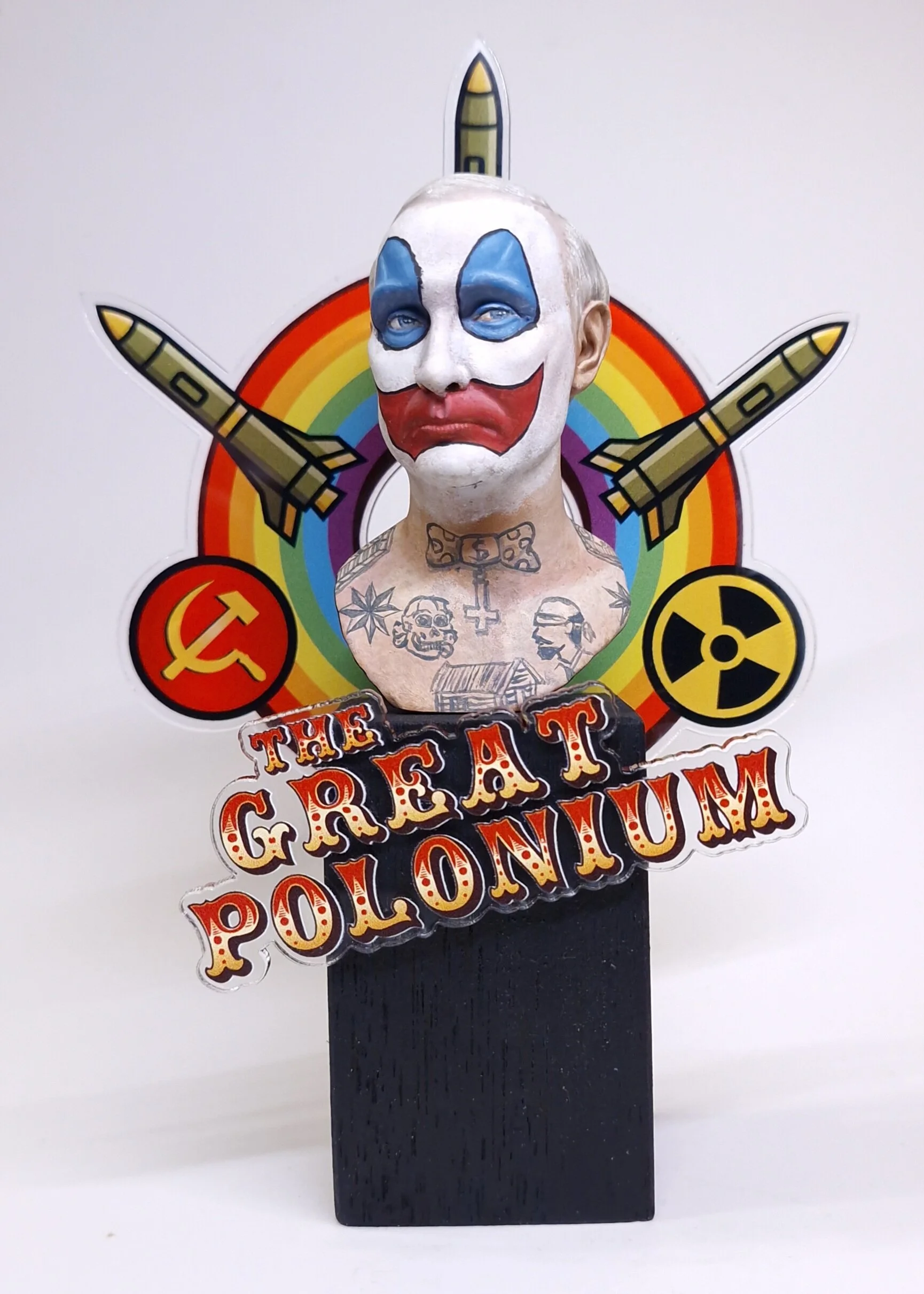
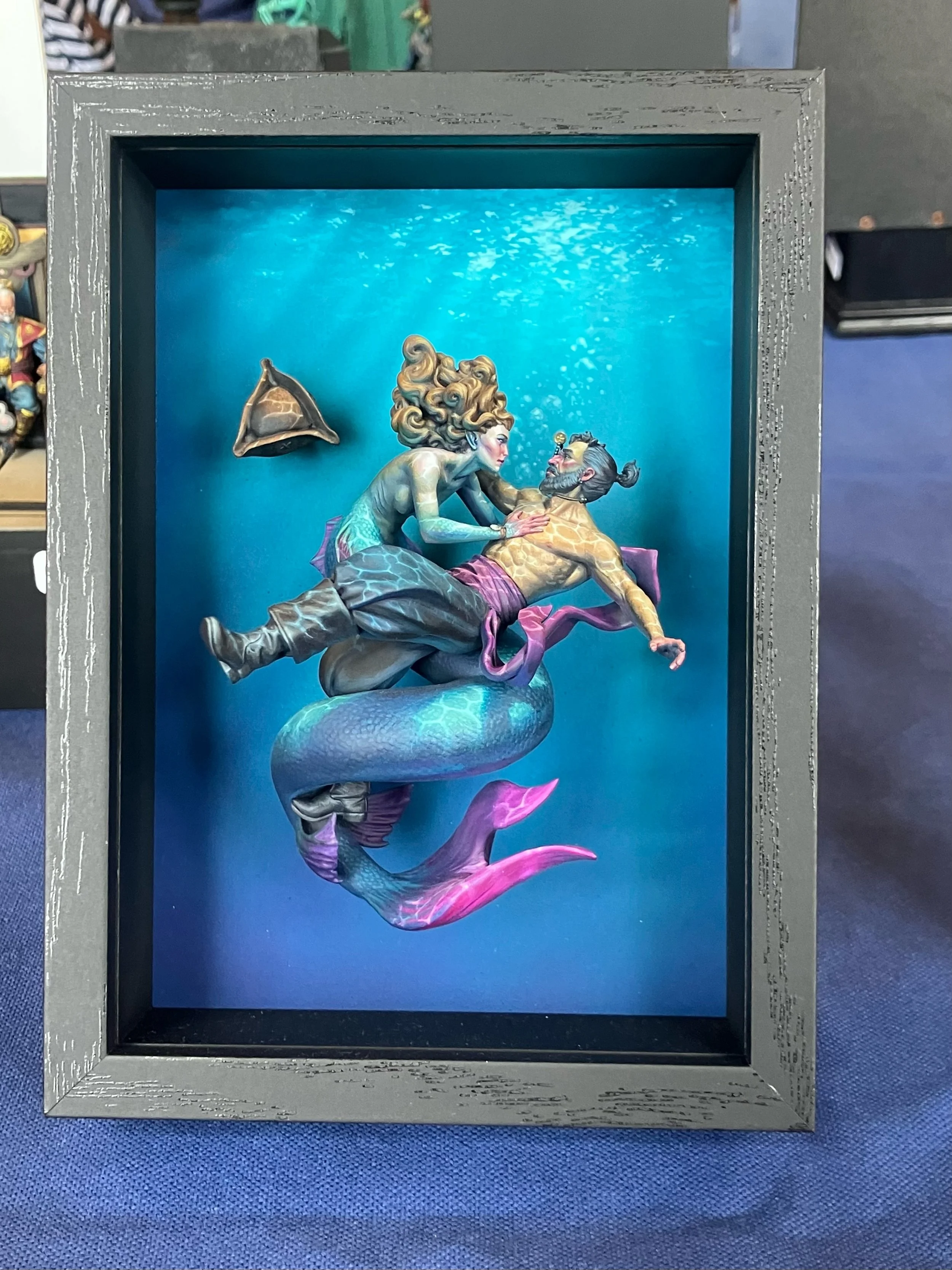
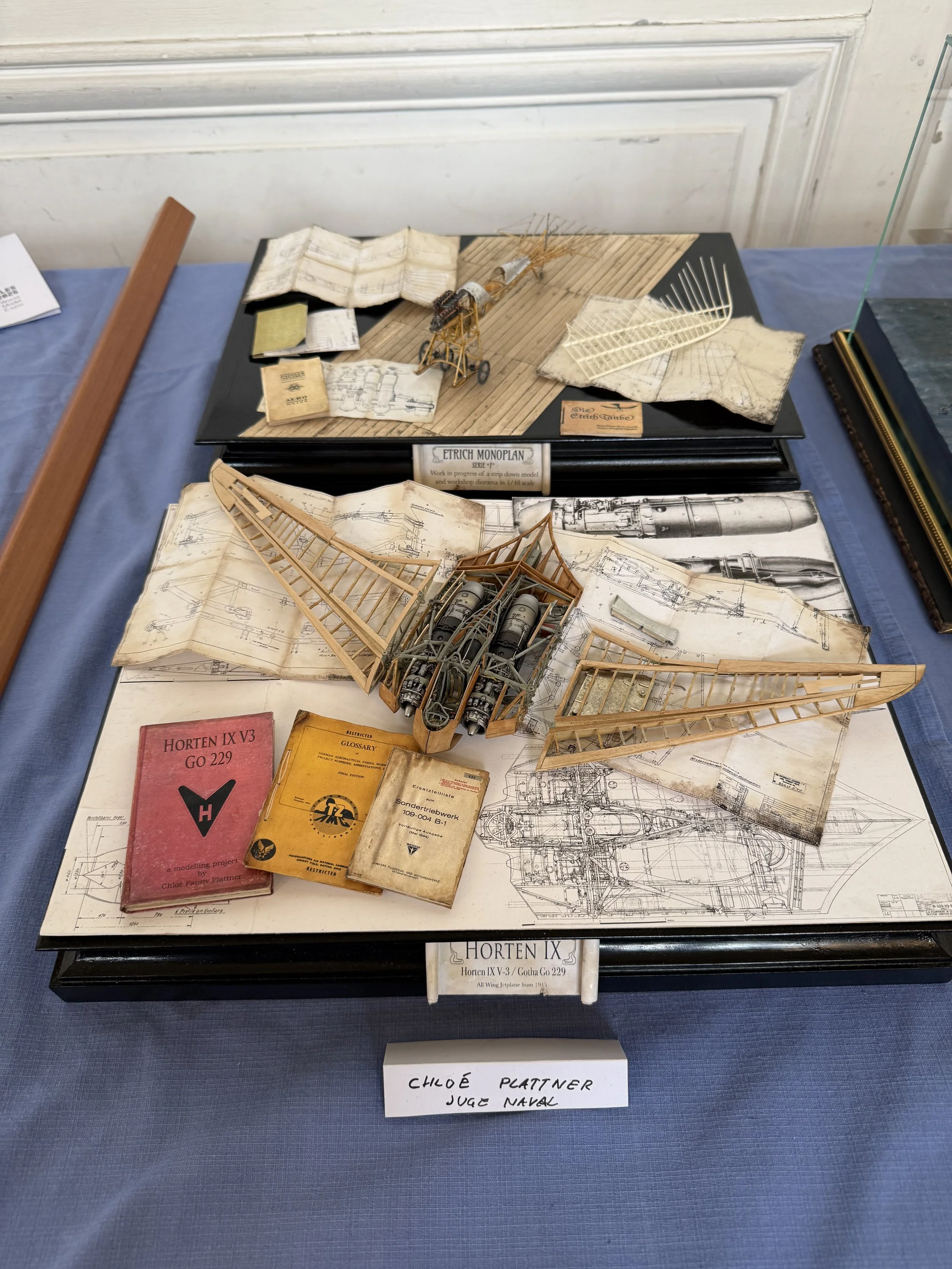
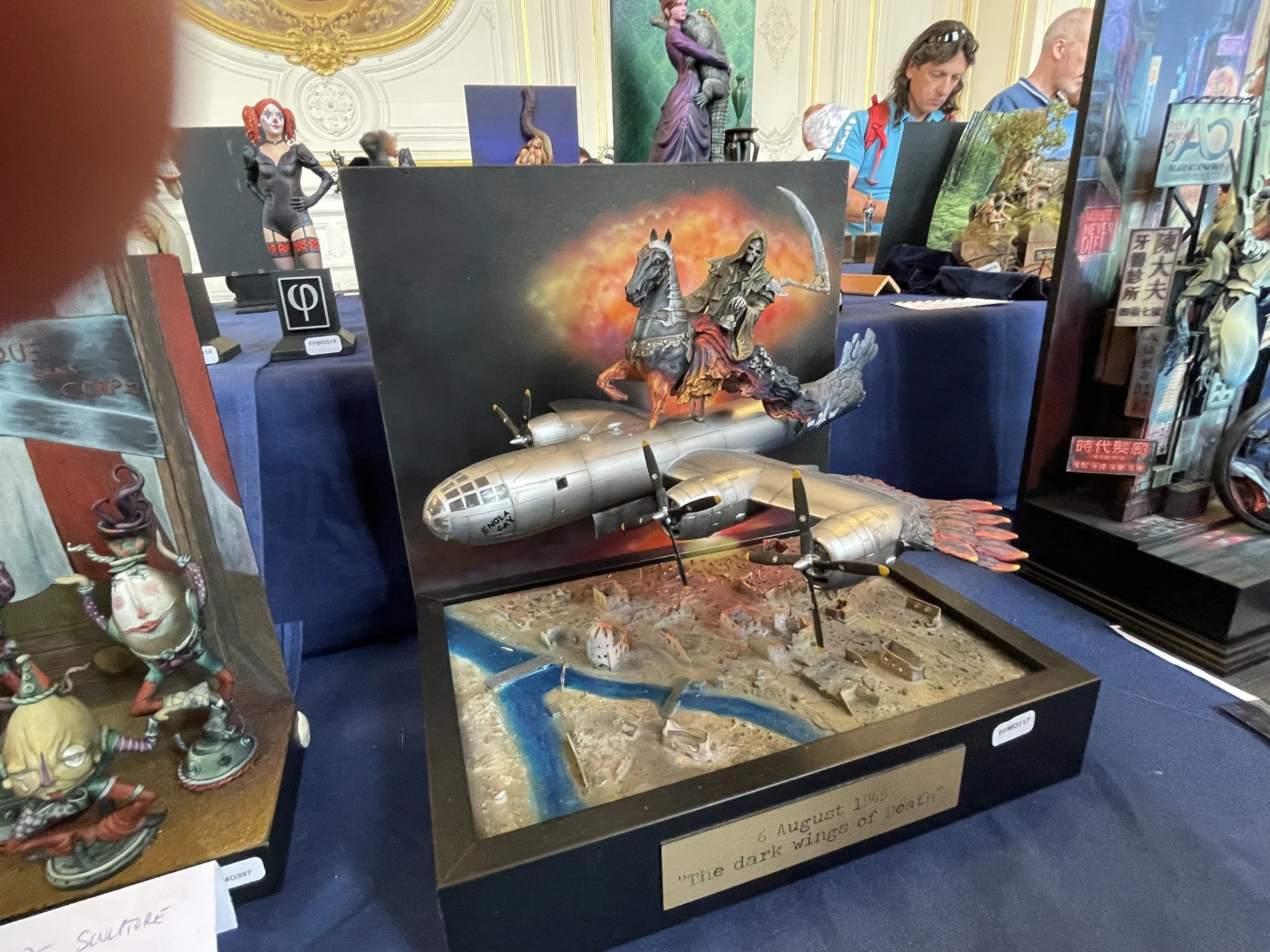
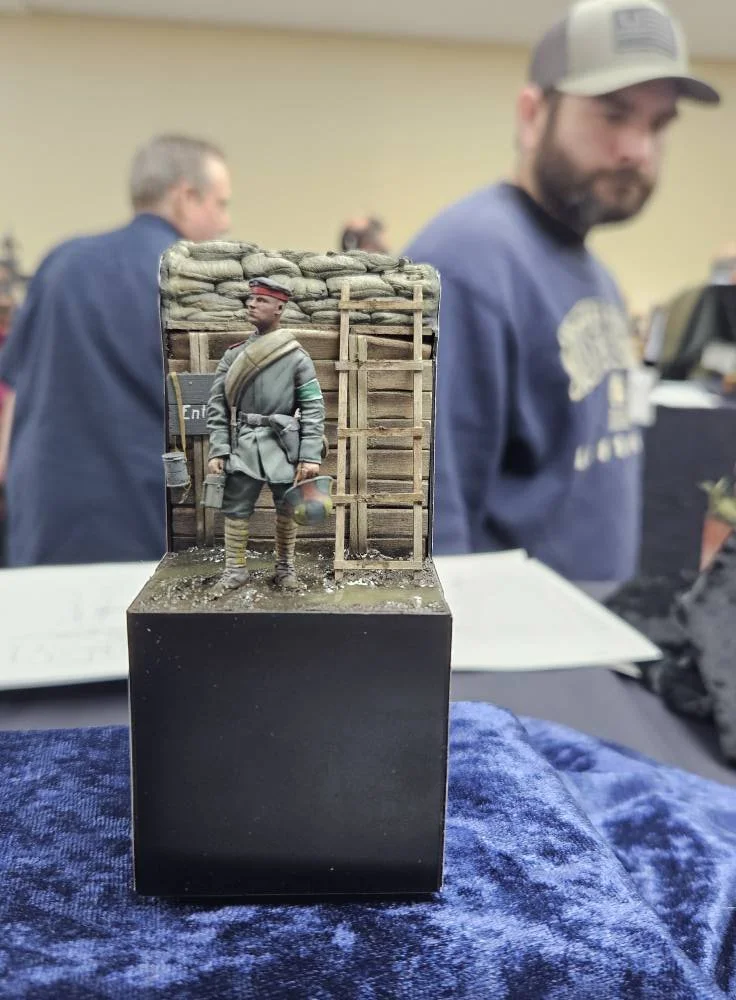
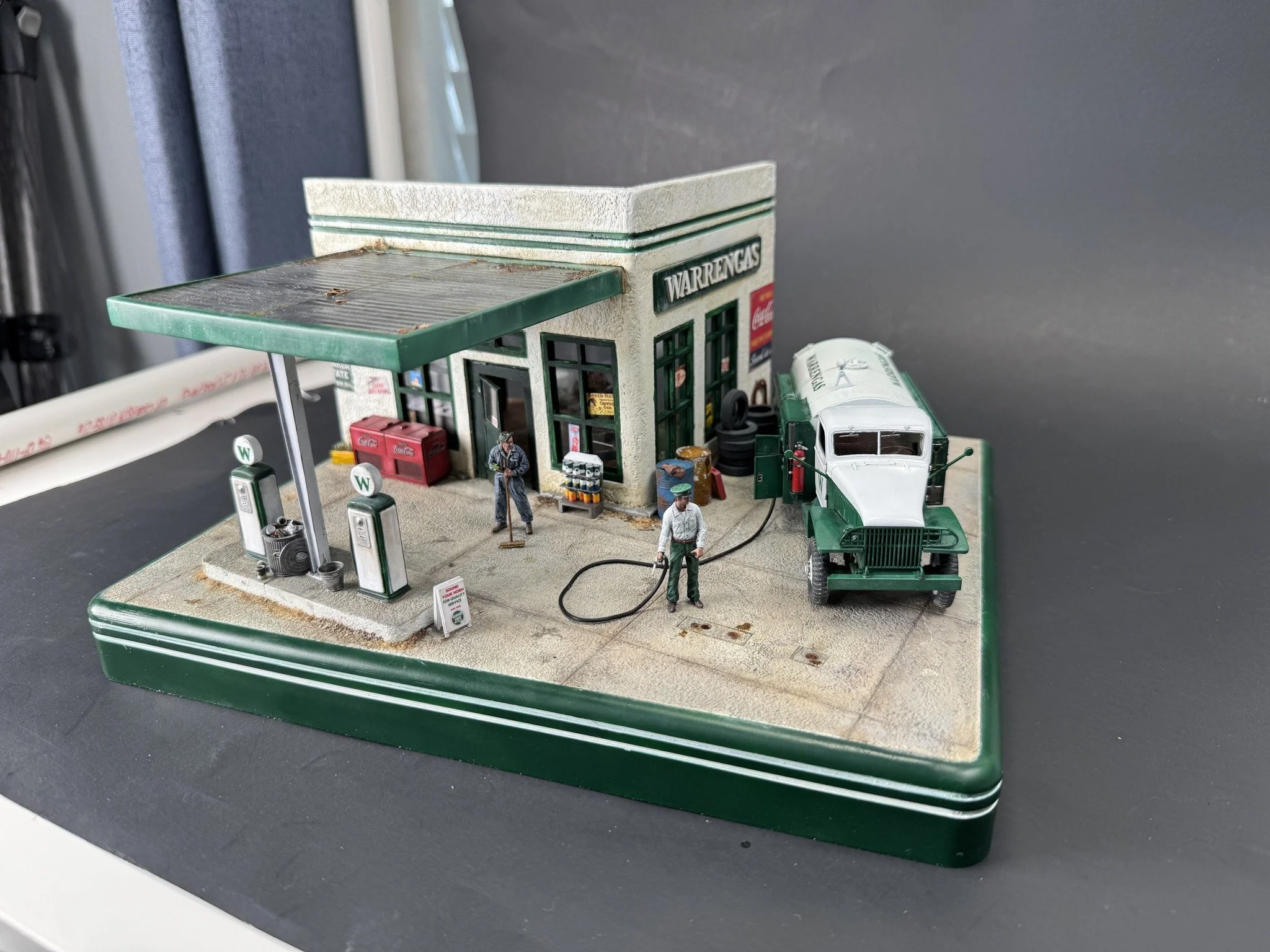
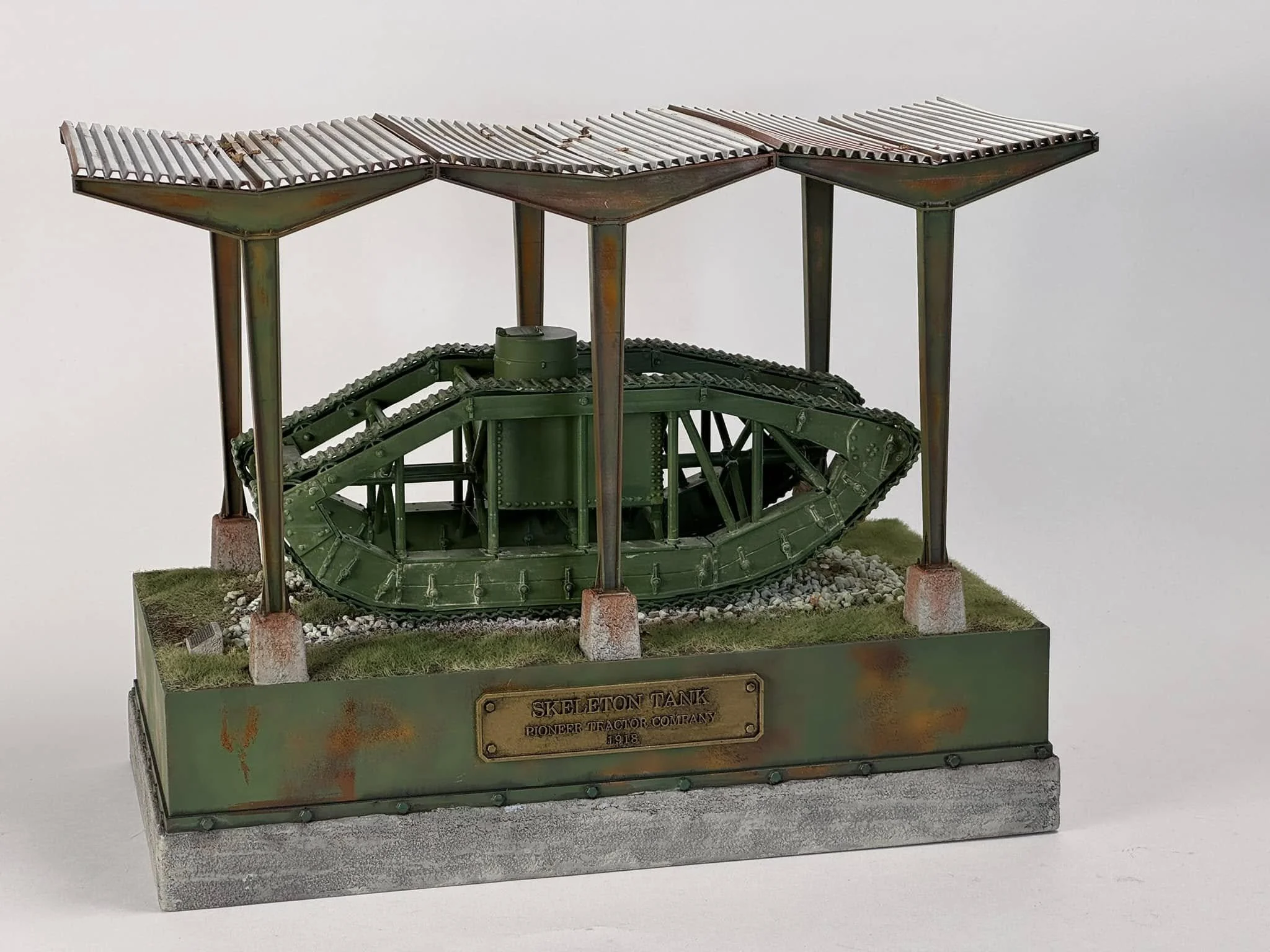
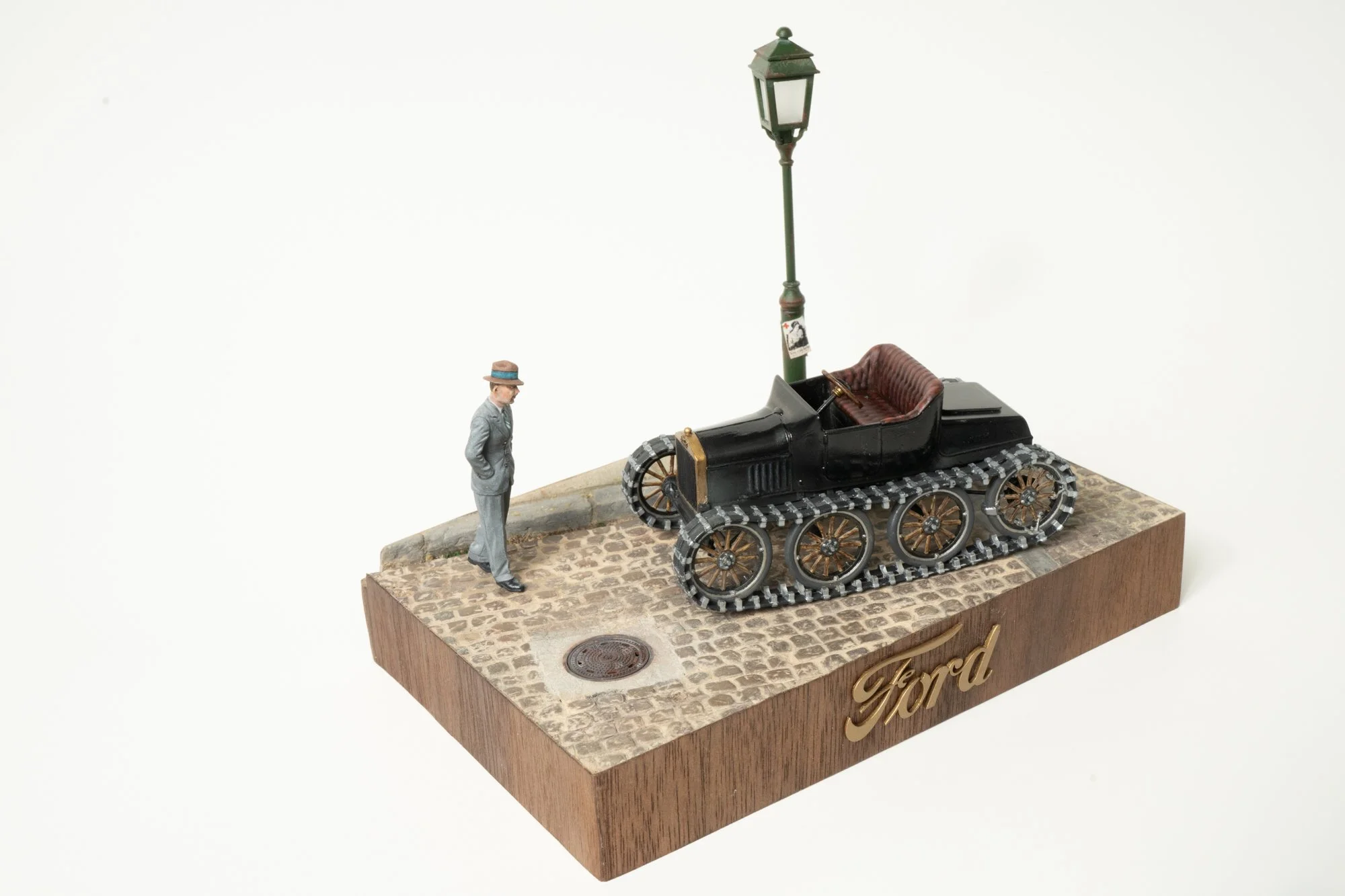
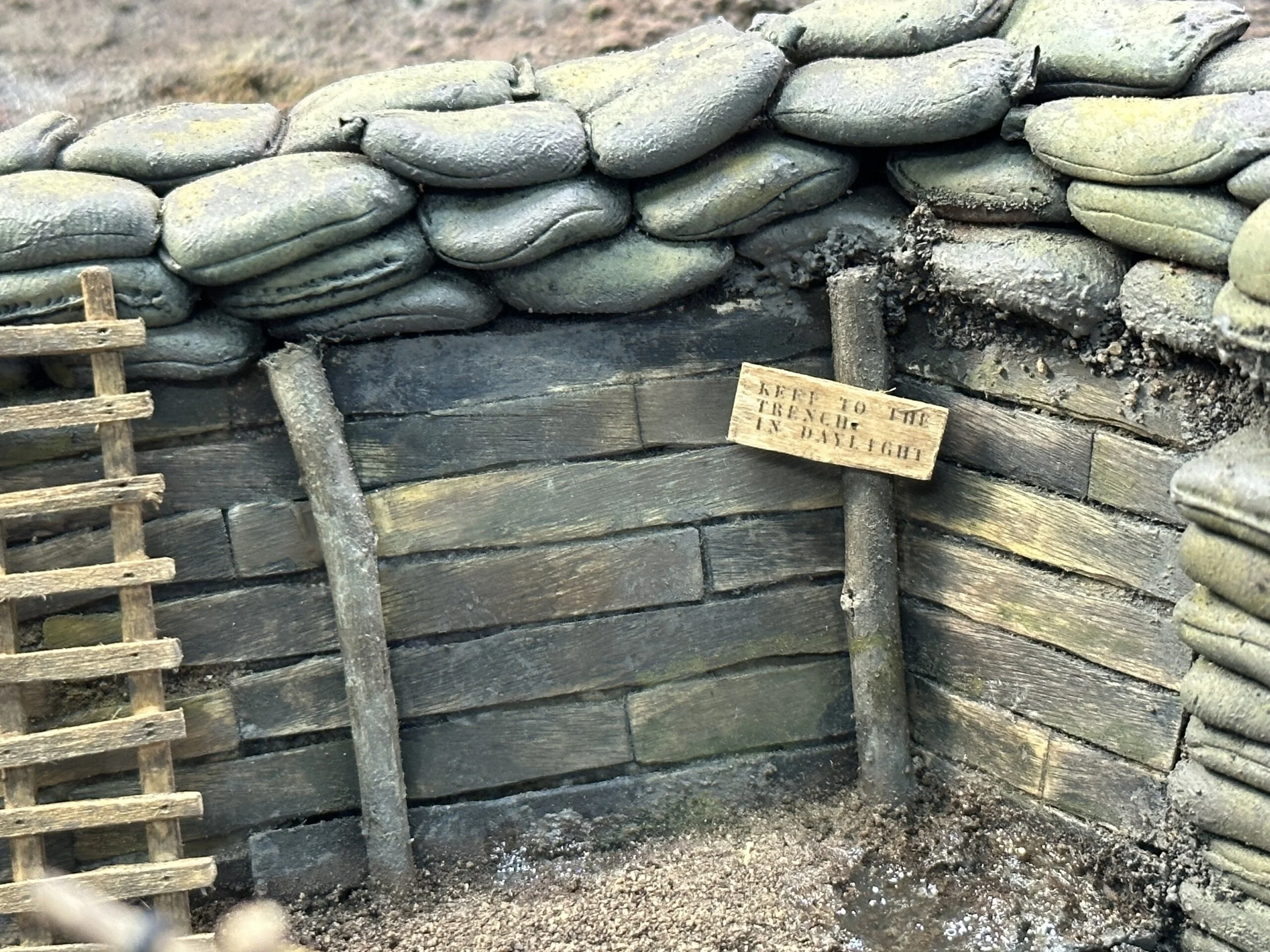
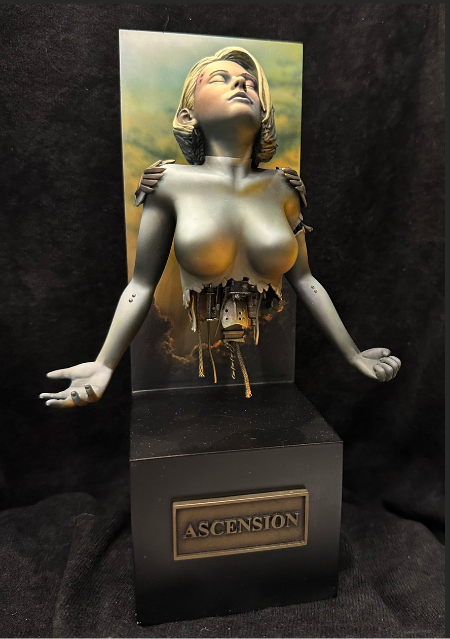
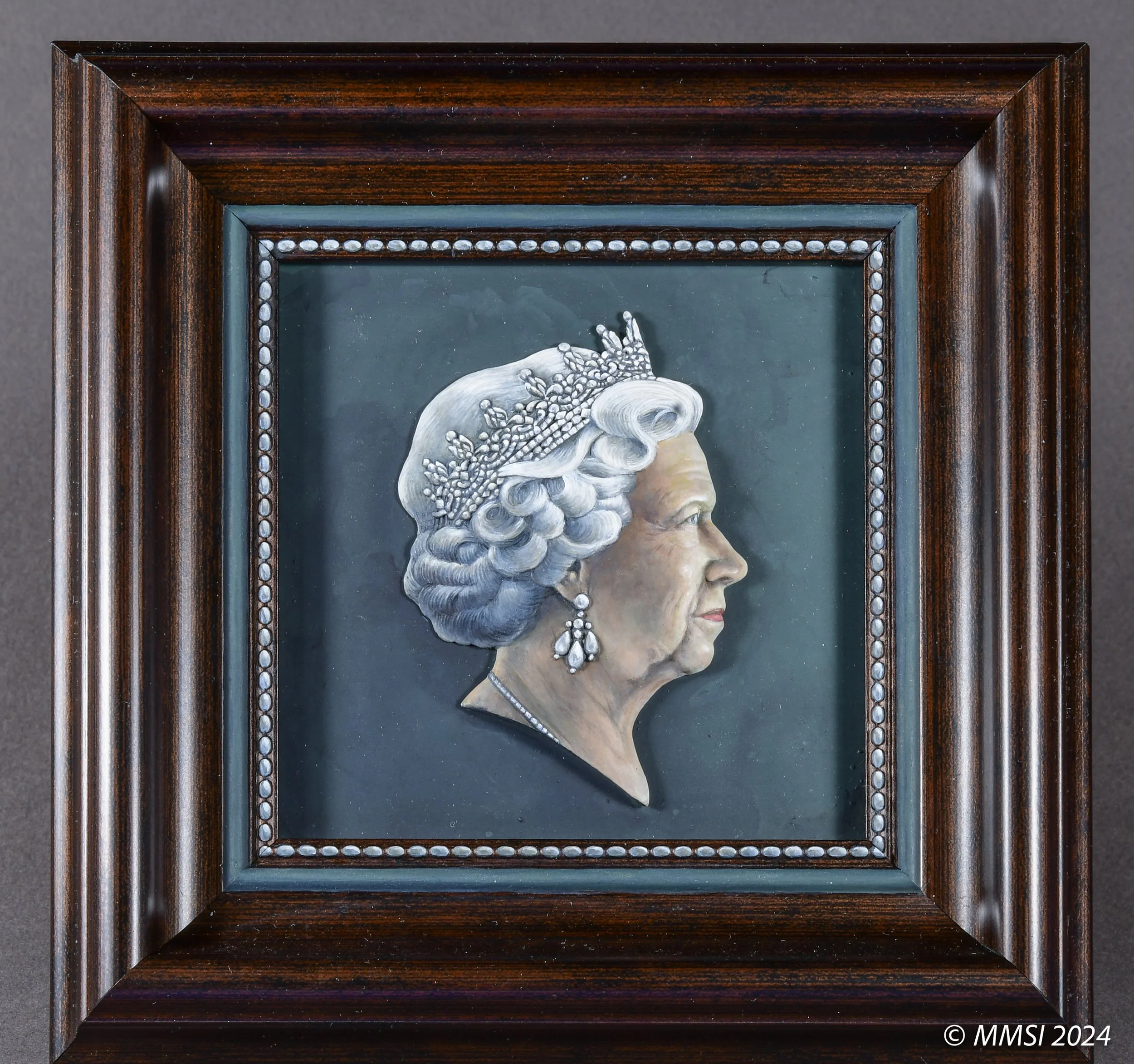
Visit the Upturner Prize web site to see some of the astounding nominations for this new honor, as well as to make your own nominations of an artist you feel is worthy (nominations are open until the fall), and to meet the judges. Below: a small sample of the many entries that are already a part of the gallery page.

Your hosts round out this episode with a new segment Jim has now formally named: “Ask Barry.” He never ceases to be amazed at his partner’s depth of knowledge about tools, techniques, manufacturers, history, their fellow artists… just about every aspect of this hobby, really. In fact, this podcast started in part because every time they talk, Jim will “ask Barry,” and eventually it made sense to do it in front of a mic, so other modelers could benefit from the sage’s answers, too.

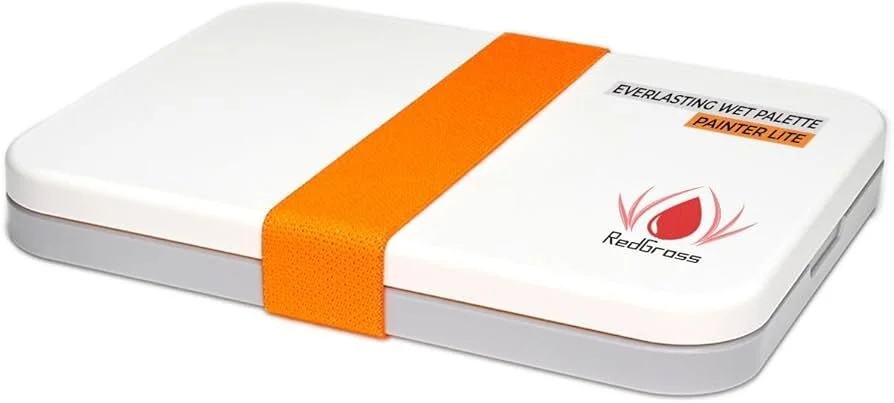
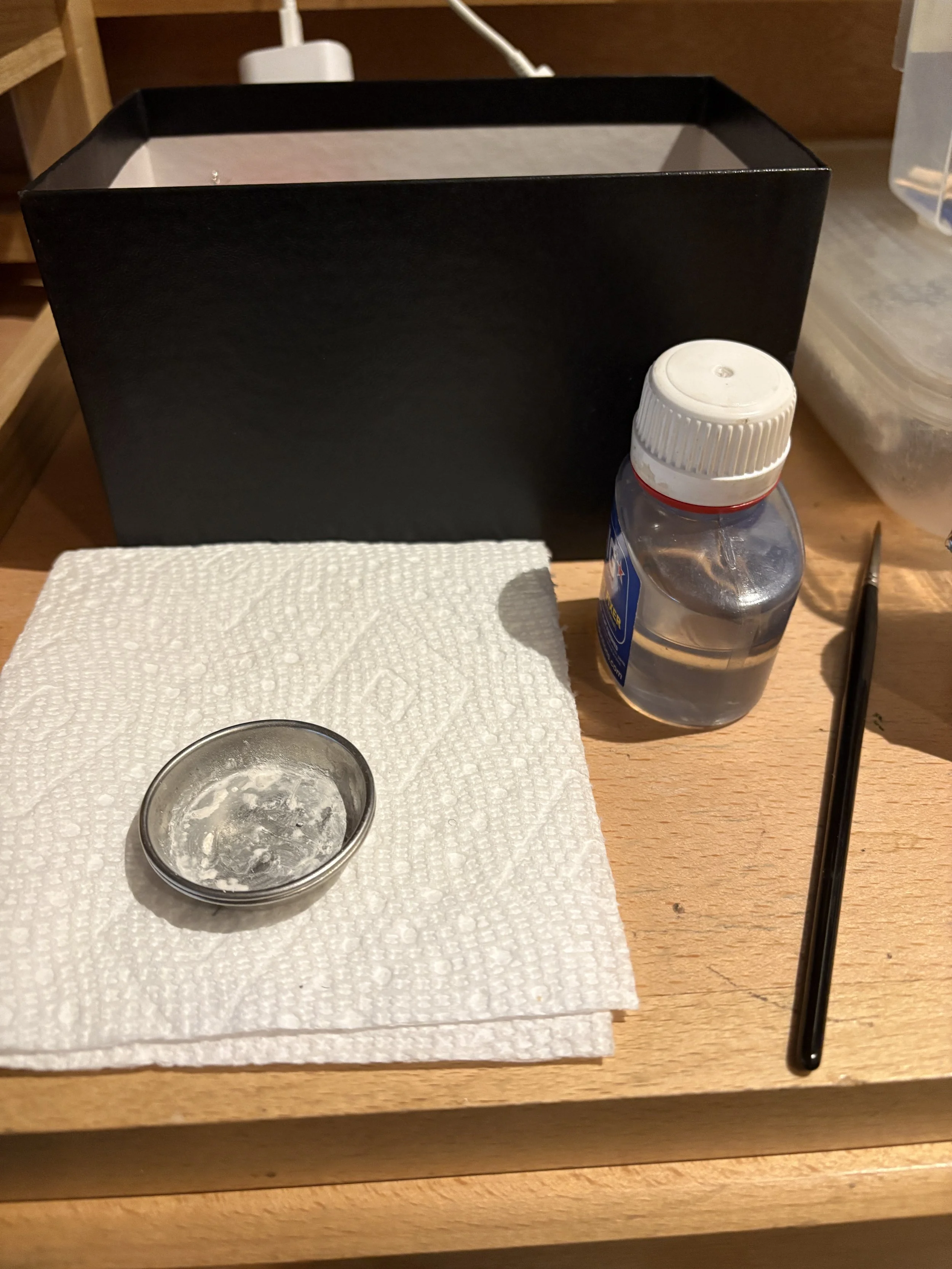
Kicking off this initial installment: Some love for the RedGrass Games “everlasting wet palette.” Trust us: It’s worth the price!

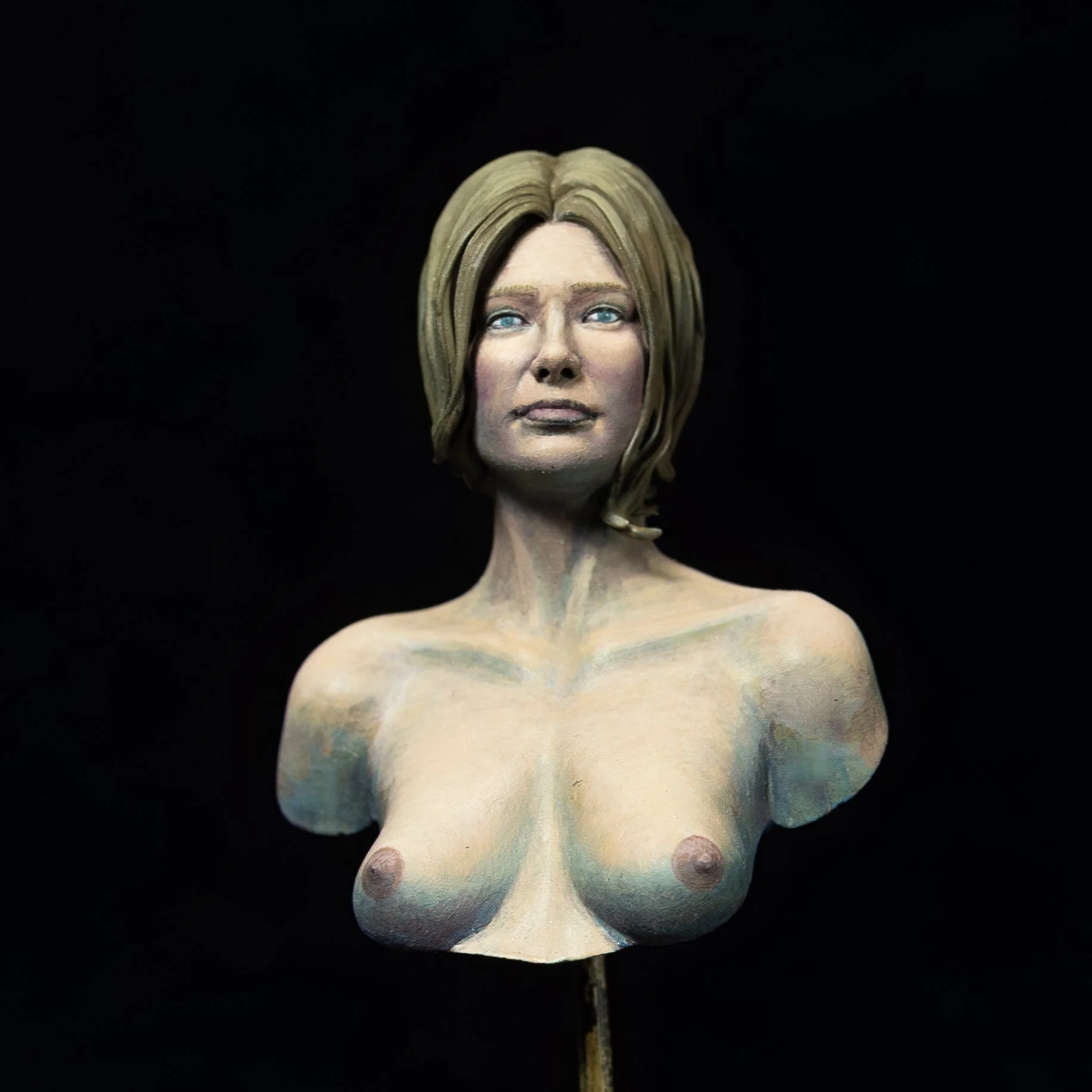
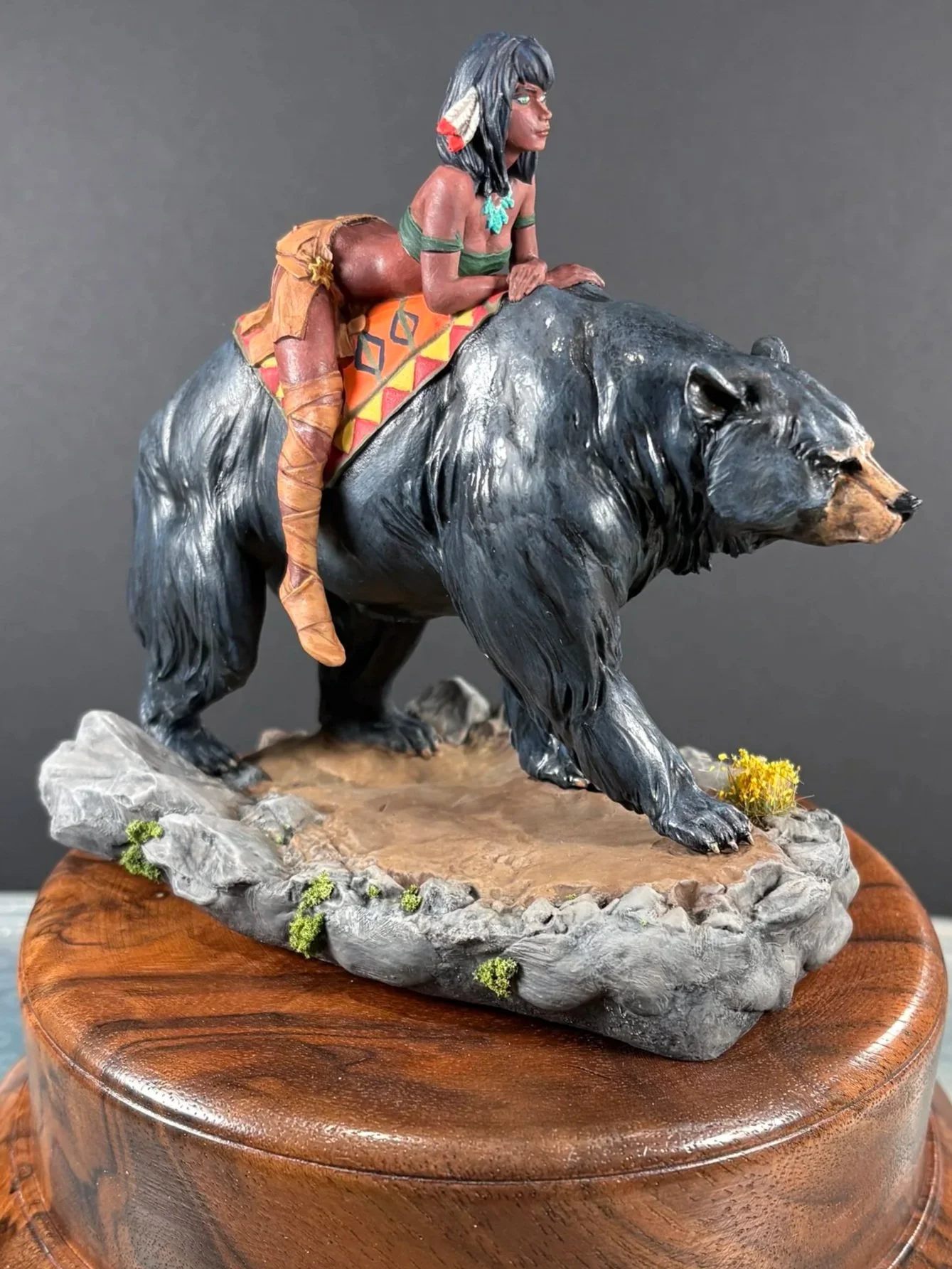
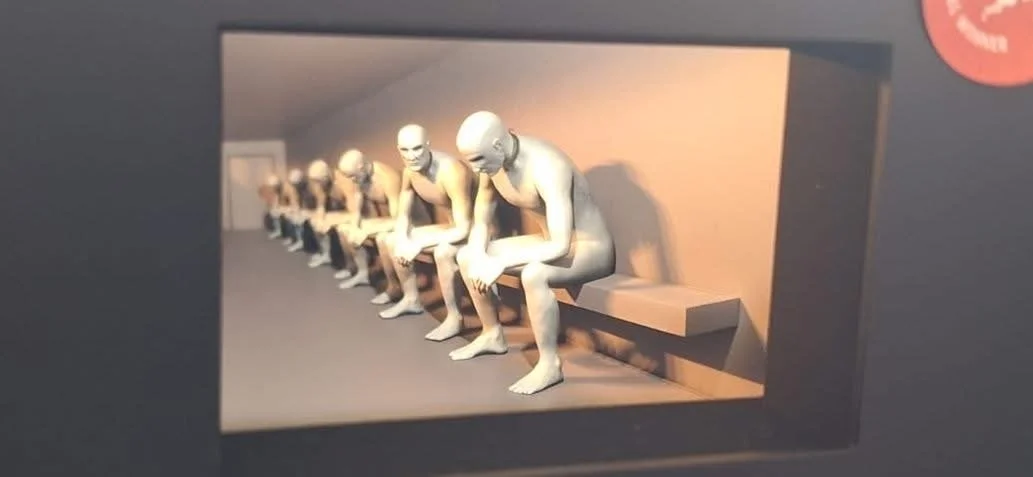
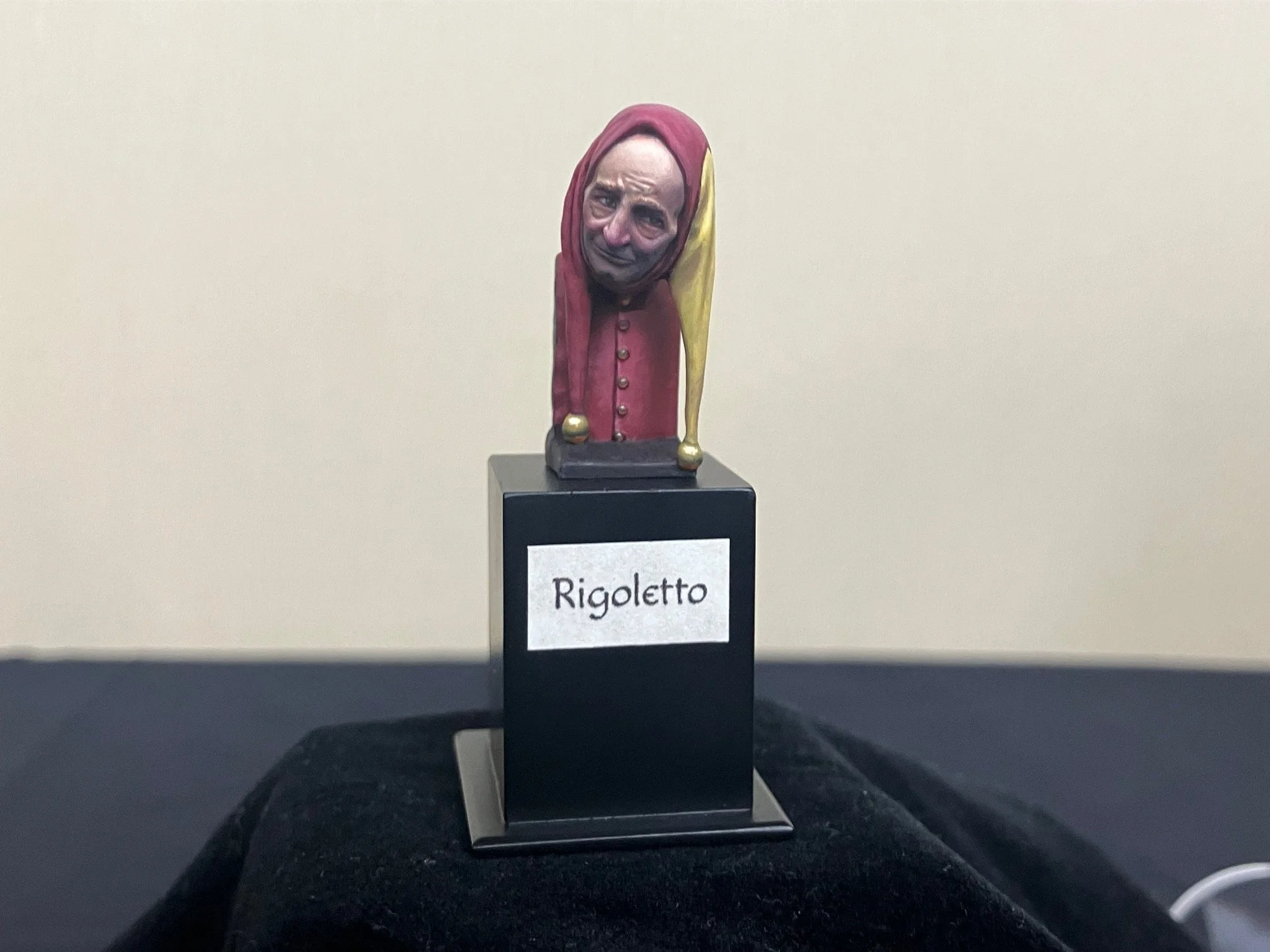
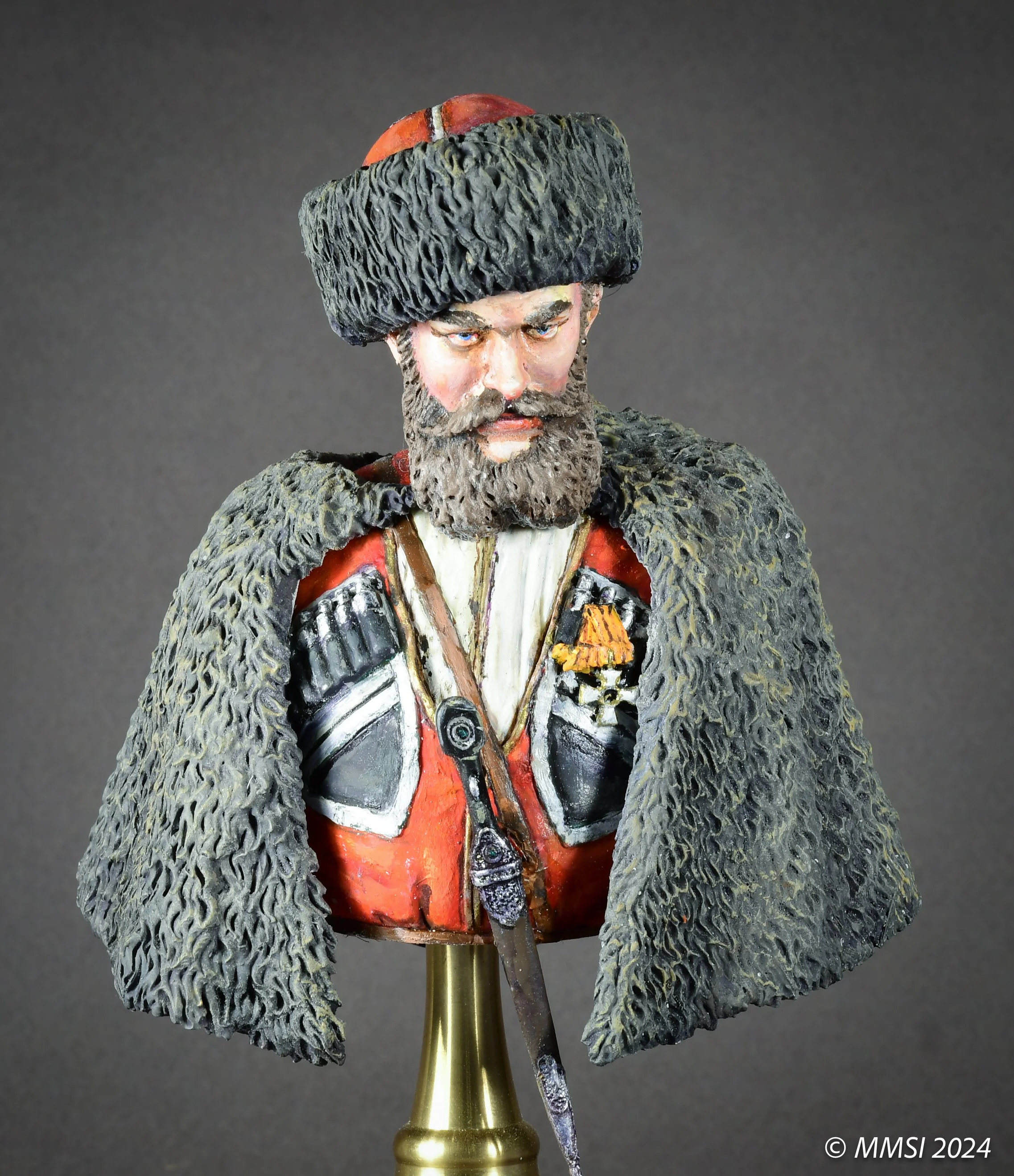
Jim also asks Barry about gloss coats, the challenges of shading black, sussing out fake AI photos, “magical” paint colors, casting pieces the old-fashioned way (versus 3D-printing), and if sculpting has changed his perspective when he’s “just” painting a stock figure. In the process, they mention some of their recent paints: Barry’s nude bust with turquoise shading, and Jim’s “mixed-up media” version of Creepytables’ “Bear Rider.”

Thanks as always for listening, and for scanning this blog!

Episode 64: Raphael Shelton, doing the hobby "just for fun," and what we're playing with on our work benches now

In this episode, Jim talks with Norris, Tennessee-based modeler Raphael Shelton, who Barry thought had an interesting perspective on “doing the hobby just for fun,” something those of us who are obsessed about this thing of ours (and who talk about it on a podcast) can sometimes forget. Not all of our listeners and fellow makers go to shows, worry about constantly improving, or even share their efforts with other modelers.

Raphael laid out his thoughts about all of this in a wonderfully eloquent email to Small Subjects—a fine blog essay, really—which is tacked on at the end of this post, and which Jim asked our guest to expound on. (Barry had a washing machine crisis to deal with, and had to bail on the interview at the last minute, as you’ll hear.)

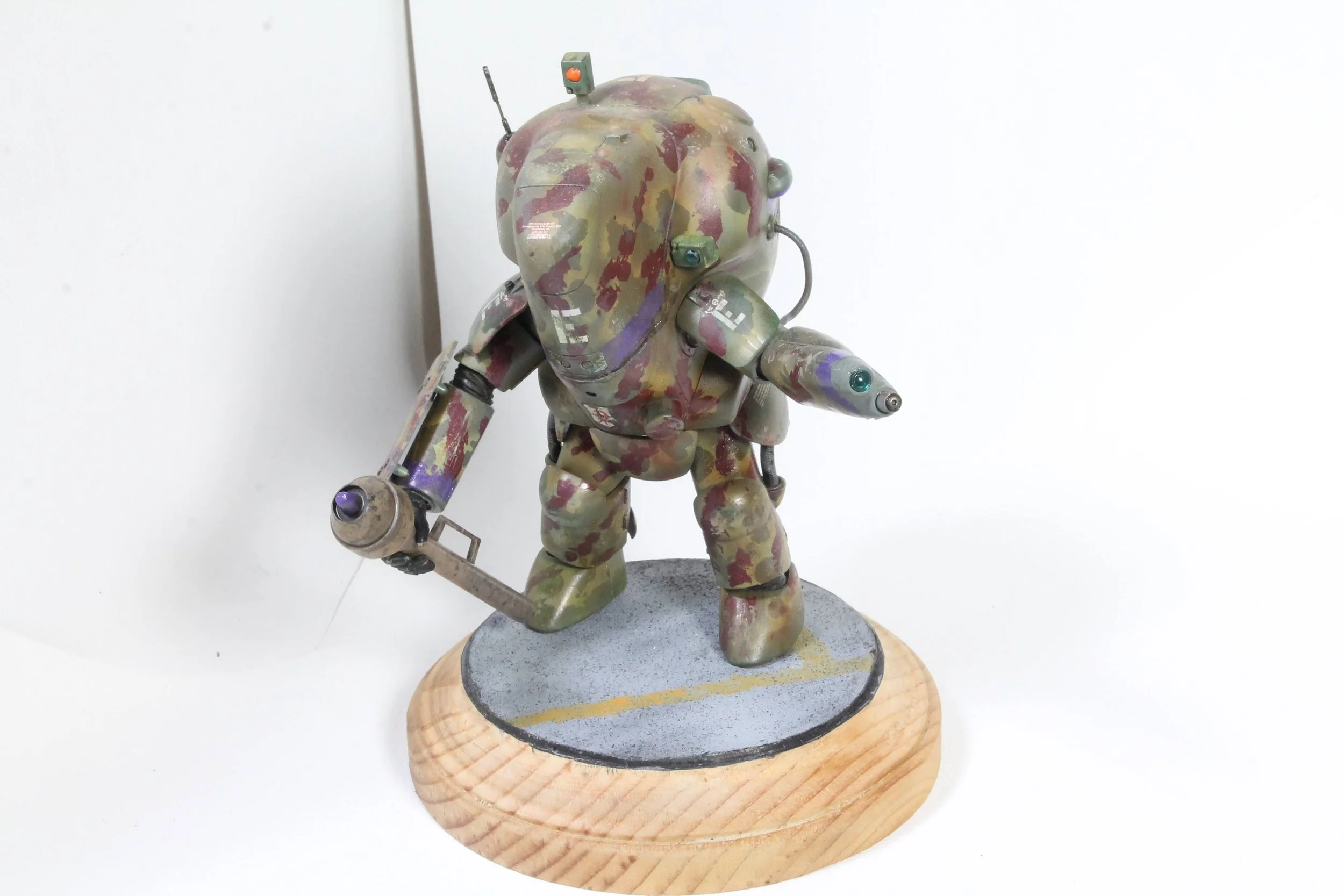
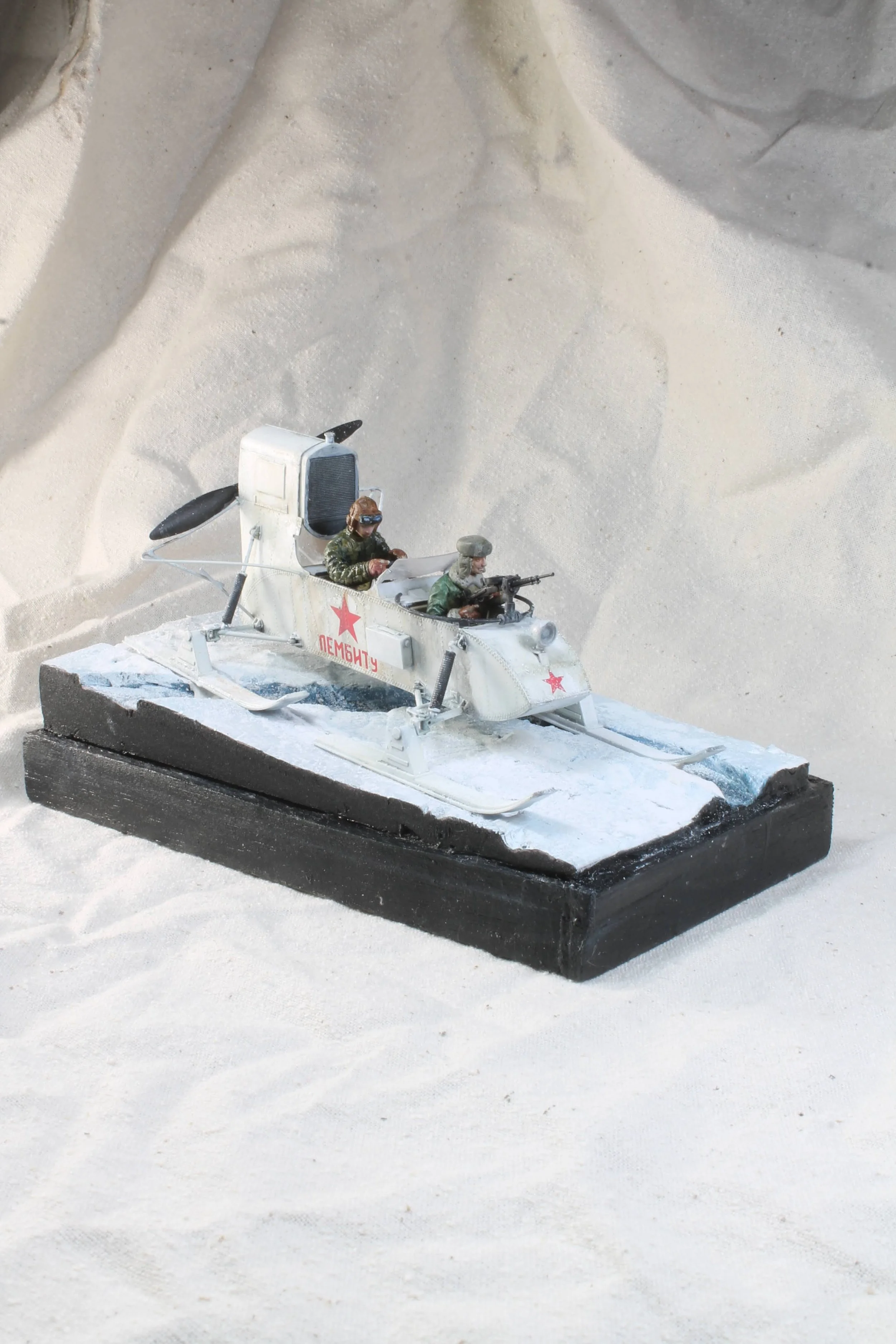
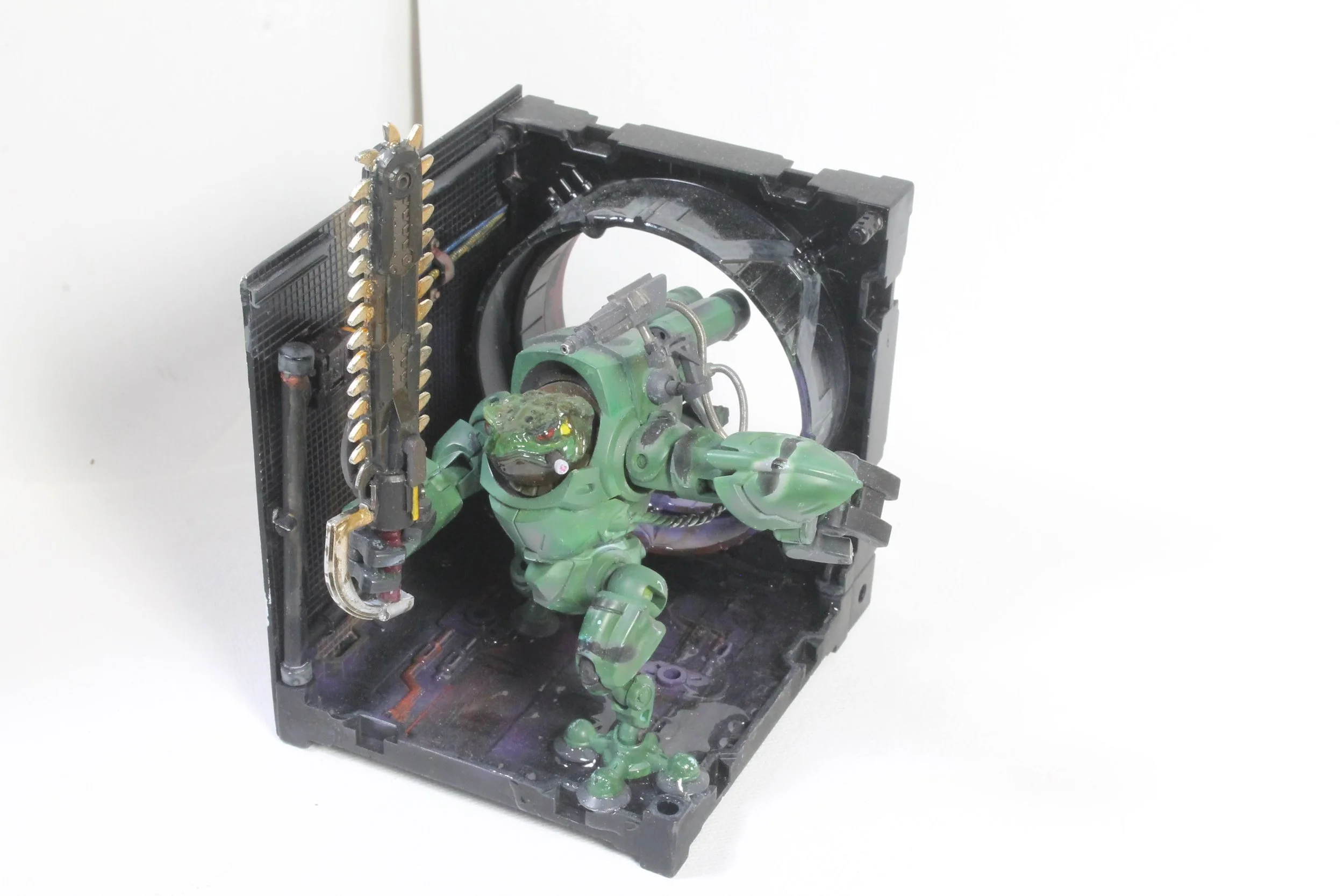
Jim and Barry both think that Raphael sells himself short as a maker. Judge for yourself: Here are some photos of his work.

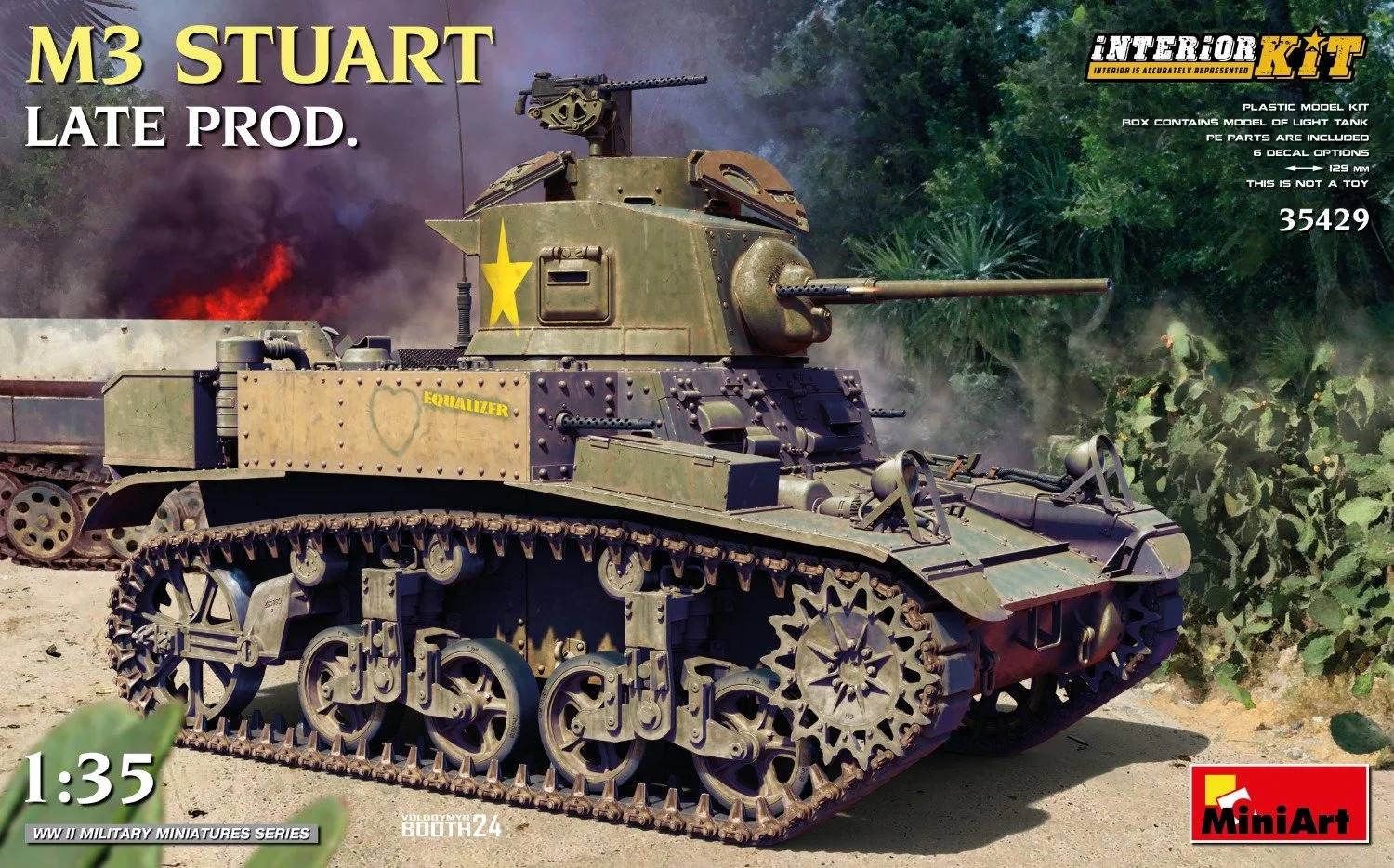
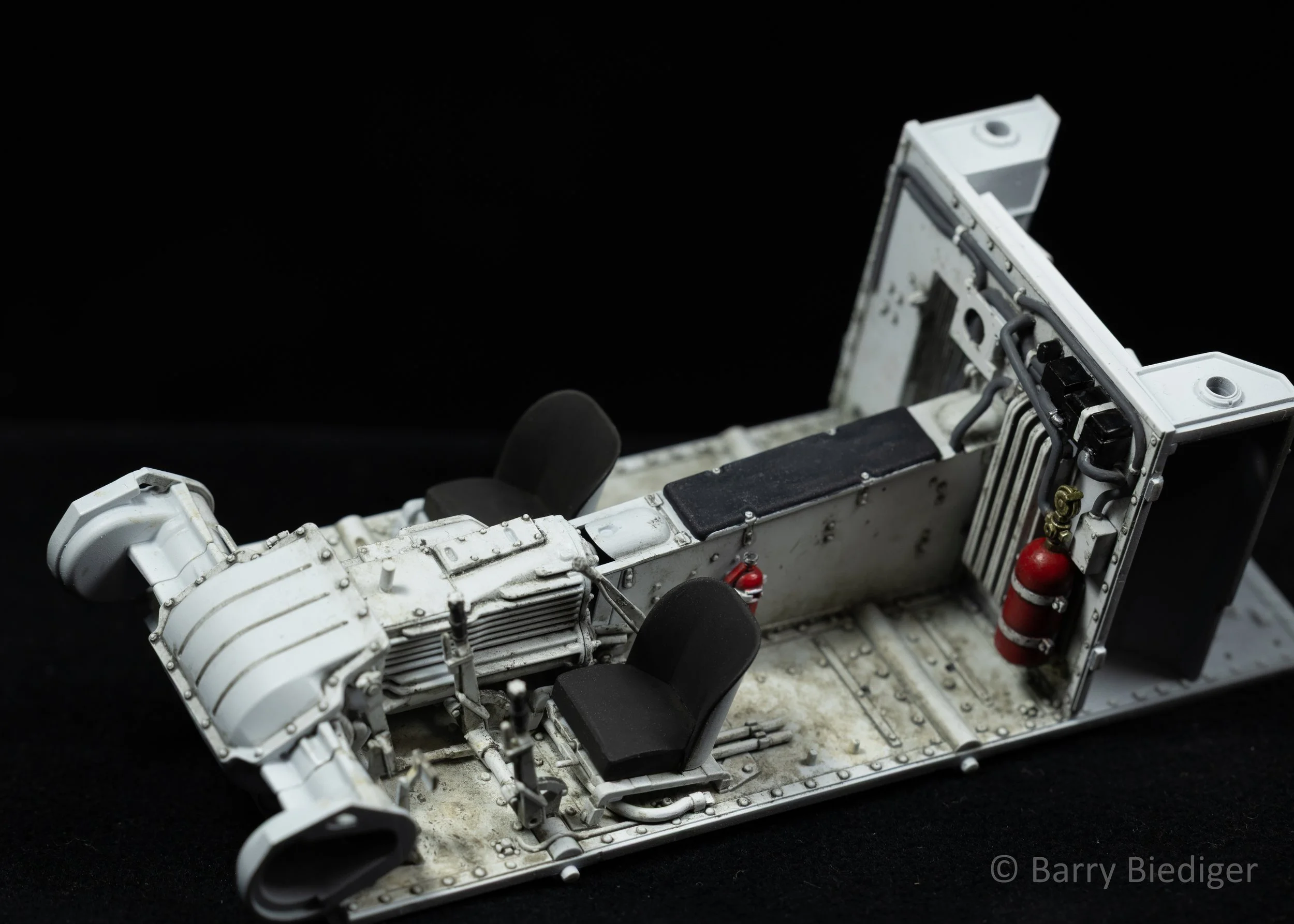
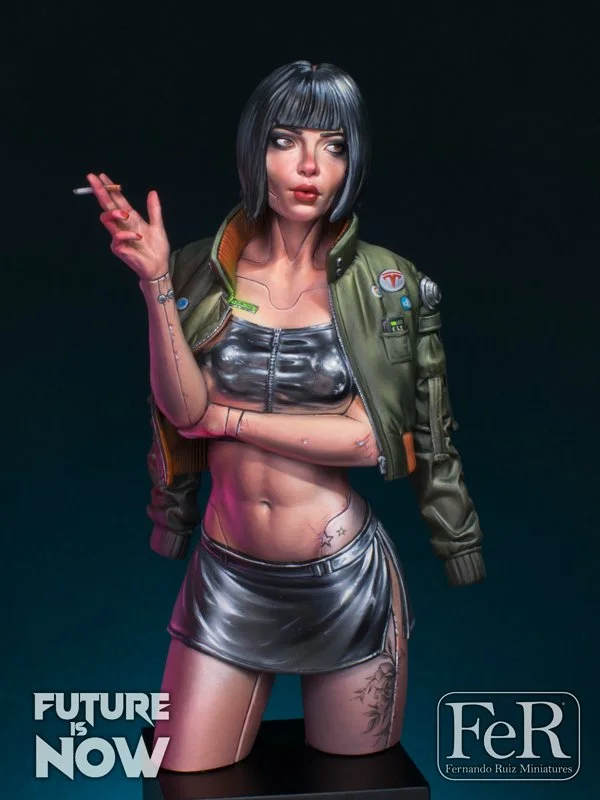
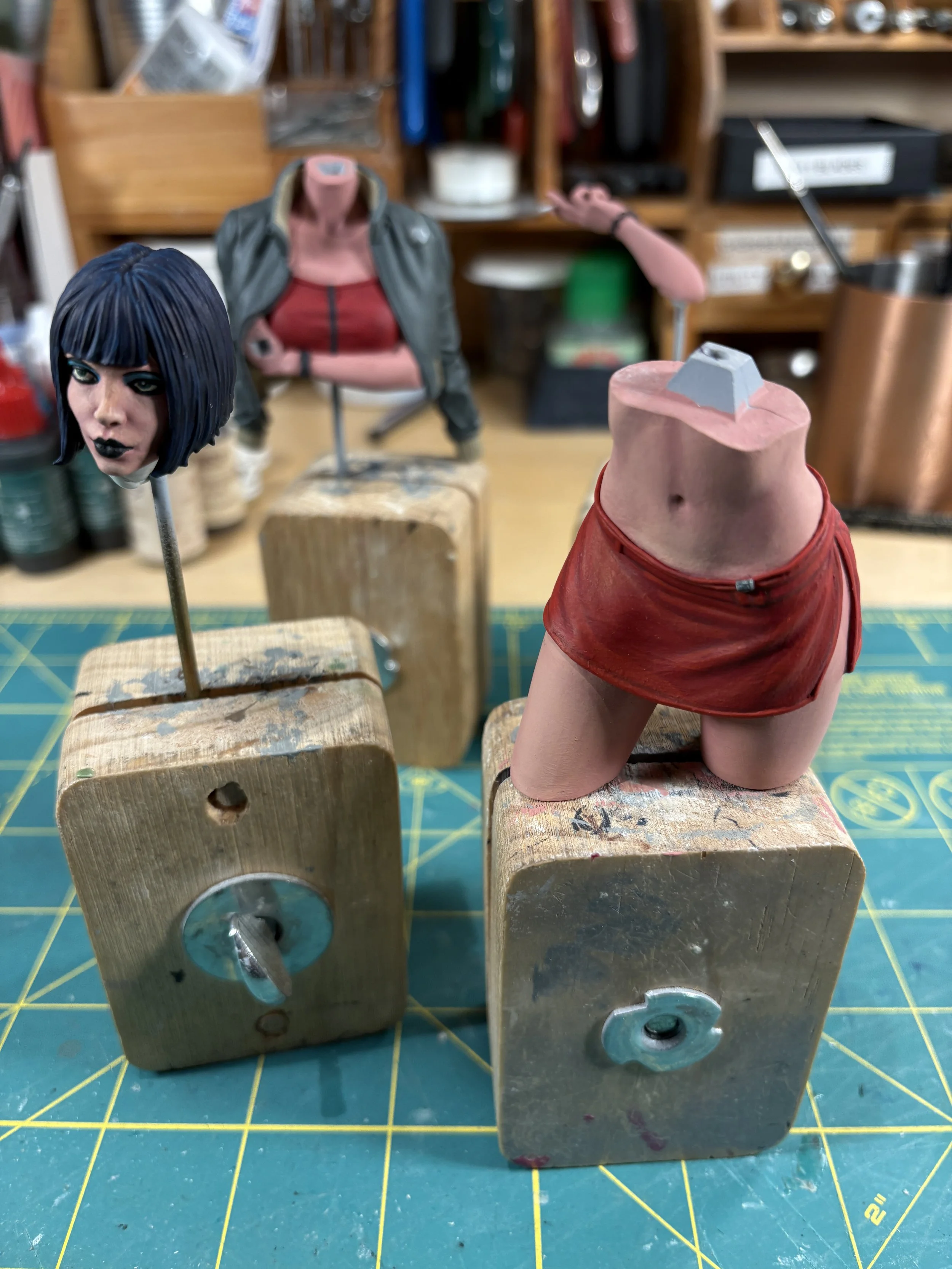
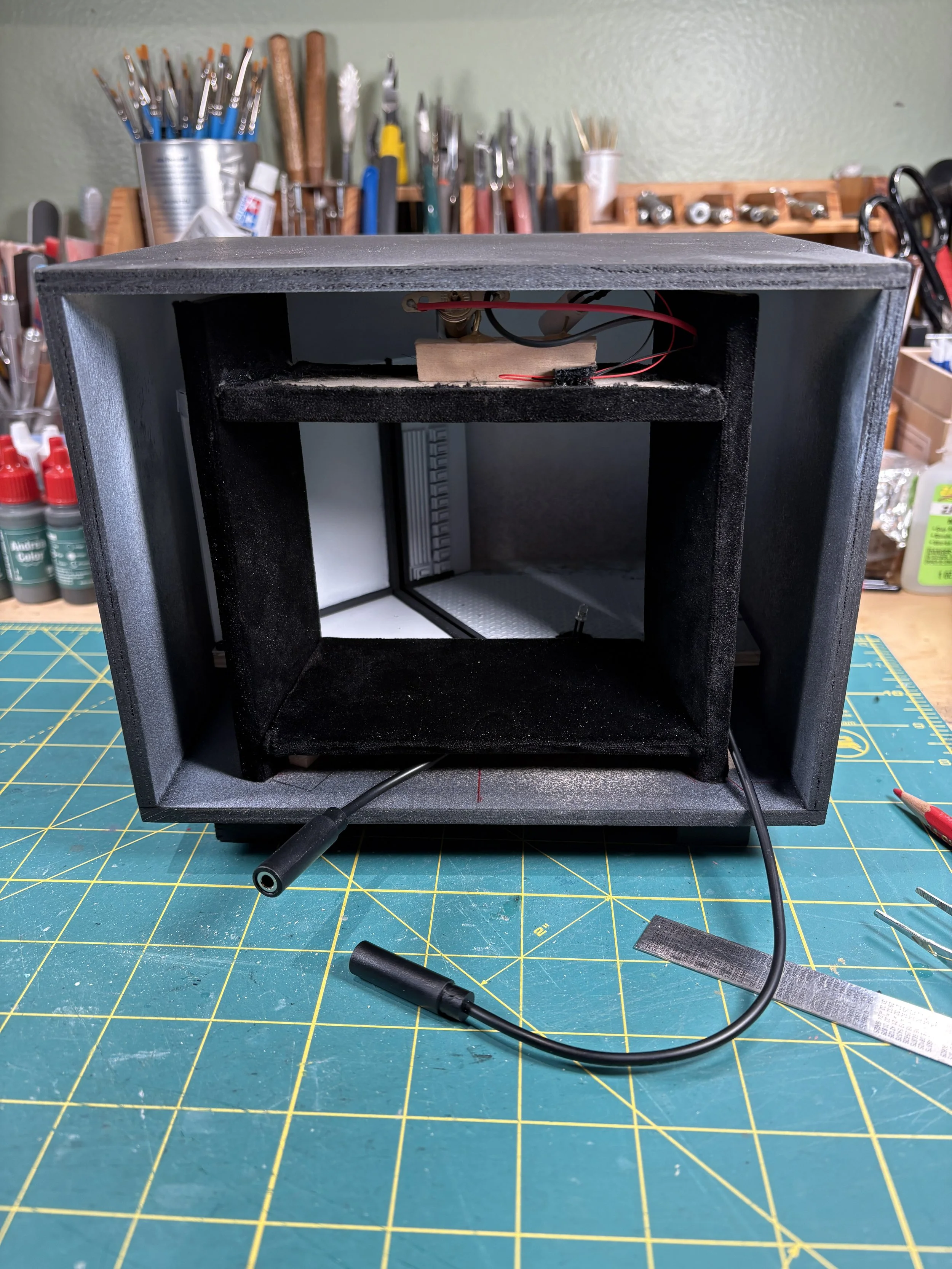
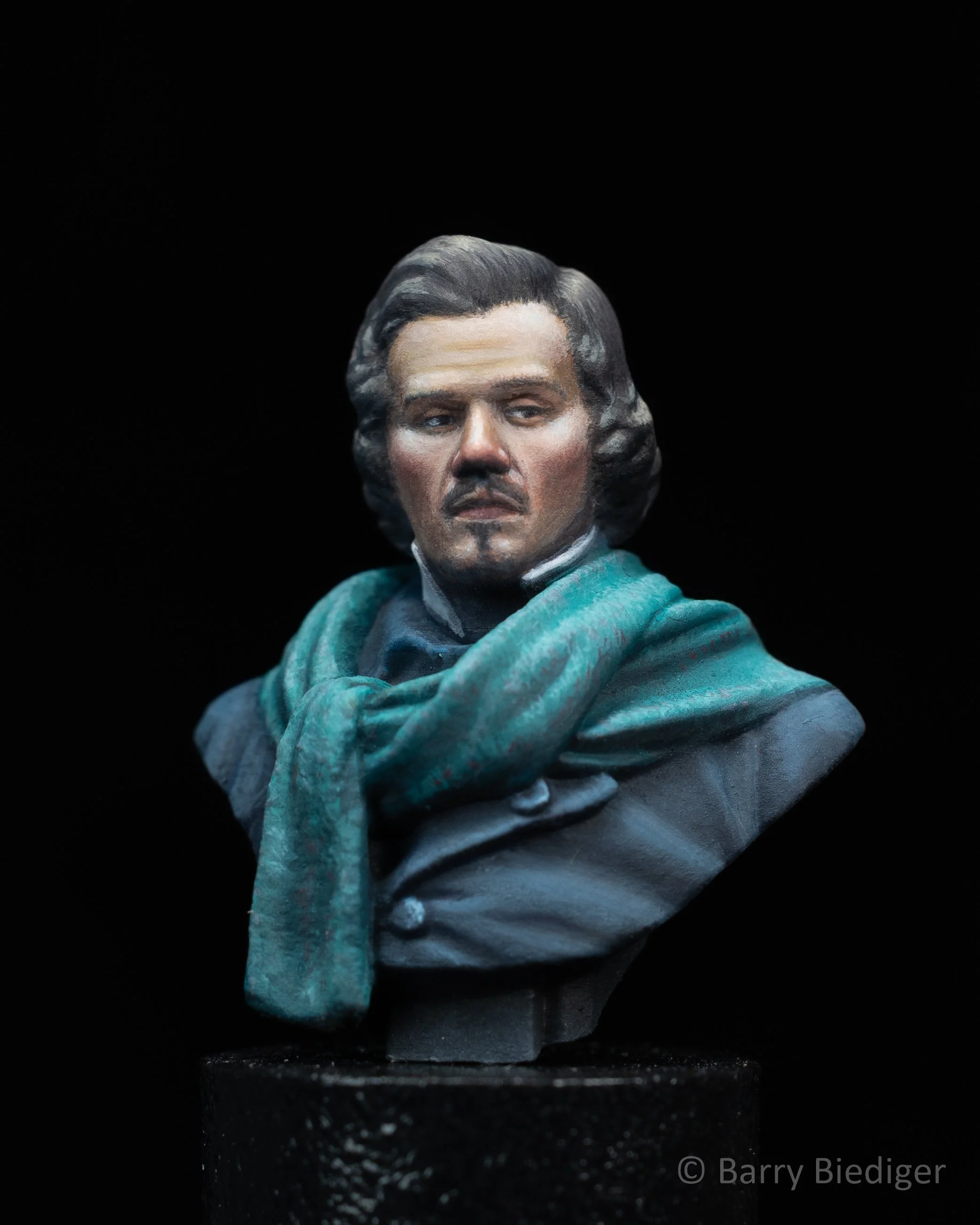
After the chat with Raphael, your hosts also discuss what they’re working on (or playing with, if you prefer) at the moment. Here’s a look at Barry’s bust of artist Eugène Delacroix ( his 3D print from a digital sculpt, about 90mm, by Albert Ernest Carrier-Belleuse) and his 1/35th Mini-Art M3 Stuart in progress, plus Jim’s (moderately frustrating) 1/10 bust-plus in progress, C.O.R.A. from FeR, and his latest box (literally!).

A Reminder for Inclusivity in Modelling

By Raphael Shelton

Recently I’ve noticed an uptick in a certain subtext to some of the modelling podcasts.. It may exist in other venues or media, but I have primarily observed it on podcasts. Before I get to the subtext, I want to offer a descriptive schema for categorizing modellers. This schema is not qualitative. It is not a judgement of one type or another. It is descriptive based on my observations. In general, I would hesitate to even categorize modellers, but my observations about subtext requires it.

The Three Types

Modellers can be categorized by the degree to which they prioritize the hobby and engagement with the hobby. These priorities usually relate to how resources (time and money a person allocates to the hobby. This applies to nearly any creative, nominally solo, hobby. I think it is easiest to see the three types if we describe the ends of the spectrum first. What remains is the “middle” type.

I. Day-trippers

The first type wouldn’t really consider themselves modellers. They get a kit and build the kit. Maybe it is a vacation activity they have done every year at the cabin. Maybe Uncle Rico gets them a model every year on their birthday. Or perhaps they are Star Wars fans and like building the Bandai kits to add to their Star Wars collection. They likely only build one or two kits per year.

Regardless, they are modellers in the sense that they occasionally build a model and they don’t engage the hobby in the broader sense (social media, books, magazines, shows).

Day-trippers probably don’t go to shows. They don’t buy magazines or e-books. They probably don’t buy kits and supplies from an online specialist retailer. A local HobbyTown or even HobbyLobby carries everything they need or want (in the US). Modeling expenses don’t even rise to the level of notice.

These people treat modelling like any other recreational activity. From the perspective of engagement, they are like someone who likes  to occasionally go bowling or play mini-golf: it’s fun every once in a while, but that’s as far as it goes.

II. Lifers

In terms of priorities, Lifers list modelling in the top three with Family and Job. Lifers go to local shows, regional shows, national shows and aspire to go to international shows.

Lifers take a week off work to go to the other side of the country to attend a model show.

Lifers read magazines, blogs, and books. They listen to several podcasts. If you are regularly on a podcast, you are a Lifer.

Lifers are an obvious group, I believe.

III. Hobbyists

Now back to the middle group. Basically anyone who is more engaged than a Daytripper, but not a Lifer is a Hobbyist. Hobbyists enjoy going to shows, but aren’t likely to travel overnight. Hobbyists have a stash, probably subscribe to a magazine or podcast. Hobbyists are in the Facebook groups.

Hobbyists are, in fact, in all the same places as Lifers, they just don’t spend as much time or money on modelling.

Hobbyists have other things in their priorities, probably other hobbies!

I’m a hobbyist.

I don’t have a plan for getting better, because I don’t really care about getting better. I am sure that if I keep building and painting, I'll get better at these things. But I have zero interest in chasing improvement. I'll let it come as a result of having fun over and over. That’s just the nature of repeated practice.

I’m not going to spend money and time to go overnight to a show unless it coincides with some other activity. I’m sure it would be fun, but there are other overnight trips that take priority.

I would probably go to some bigger shows if I didn’t have to prioritize my time off from work and my money. But I do. And I’m OK with that.

Nonetheless, I enjoy engaging with the broader hobby and consuming hobby podcasts, books, and magazines.

The Subtext

The subtext I’ve noticed is an implication that only the Lifers are modelling correctly. I am confident that this is unintentional. It is almost certainly due to enthusiasm about the topic and I’m sure even the pod-casters whose comments carry this subtext would completely disavow that position in the next breath.

But it’s there.

It’s there when podcasters say the real joy of the hobby is in going to shows or “hangin’ with model buds.” Bullshit. The real joy of modelling is modelling. Otherwise we’d be doing another hobby. That should be patently obvious. Perhaps it’s so foundational that it is invisible.

It’s there when the nearly ubiquitous topic of how to improve comes up. I suspect the fetishization of improvement is a result of many factors, including competitions, the proliferation of social media modelling all-stars, and the very nature of consumer capitalism. Add that to the need for podcast topics of discussion and the implication is that we should all be striving to be better and better modellers. (Whatever that means!)

Frankly, it comes across as a sort of soft gate-keeping. I.e., to be a “real” modeller you have to travel overnight to shows and constantly chase improvement.

Just Keep it in Mind

Just remember that…

Not everyone can go to distant shows, and many of us don’t really want to. And we are modellers too. Just as much as you are.

Some modellers don’t want to join a club. And we are modellers too. Just as much as you are.

Some of us just want to build and paint small versions of big things and aren’t concerned with improving, per se. And we are modellers too. Just as much as you are.

I am not asking for podcasters to stop gushing over the international shows, or talking about how they plan to improve over the next 6 months, or encouraging listeners to join their local club. I would only ask that podcasters be aware that this subtext creeps in, that it can be perceived as gate-keeping.

Also be sure to read this post by Rhonda Bender, which Joan Biediger suggested has some bearing on this conversation, and which Jim mentioned during the chat with Raphael.

Episode 63: A Chat with Dave Browne

Toronto-area modeler Dave Browne has been a big inspiration to your hosts for quite some time, and not only because he shares their passion for box dioramas and is a master of the form. Dave is also a very talented armor modeler, and for 16 years, until it closed in January 2019, he ran Hornet Hobbies, the best kind of hobby shop. which, as he says, was about “building friendships, an active modelling community, and a few models.”

Since Barry missed the MMSI’s 50th Chicago Show because of illness, and Jim was crazed working in the judge’s room, we also took the opportunity to get Dave’s show report.

Finally, Dave is a bona fide Small Subjects Great Guy. We’re sure you’ll enjoy our chat with him as much as we did.

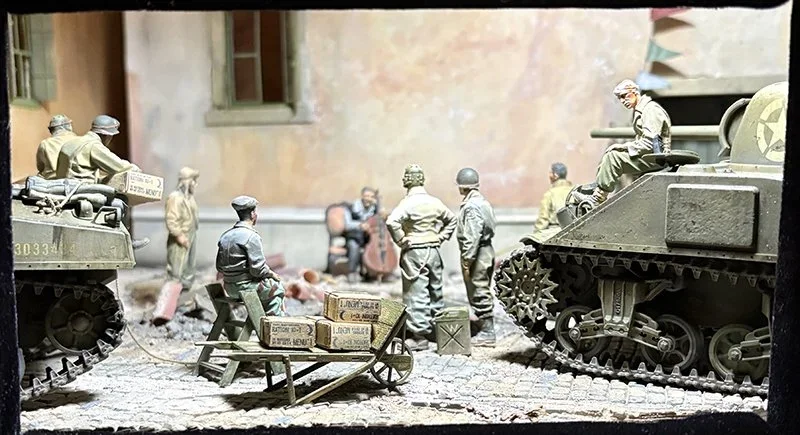
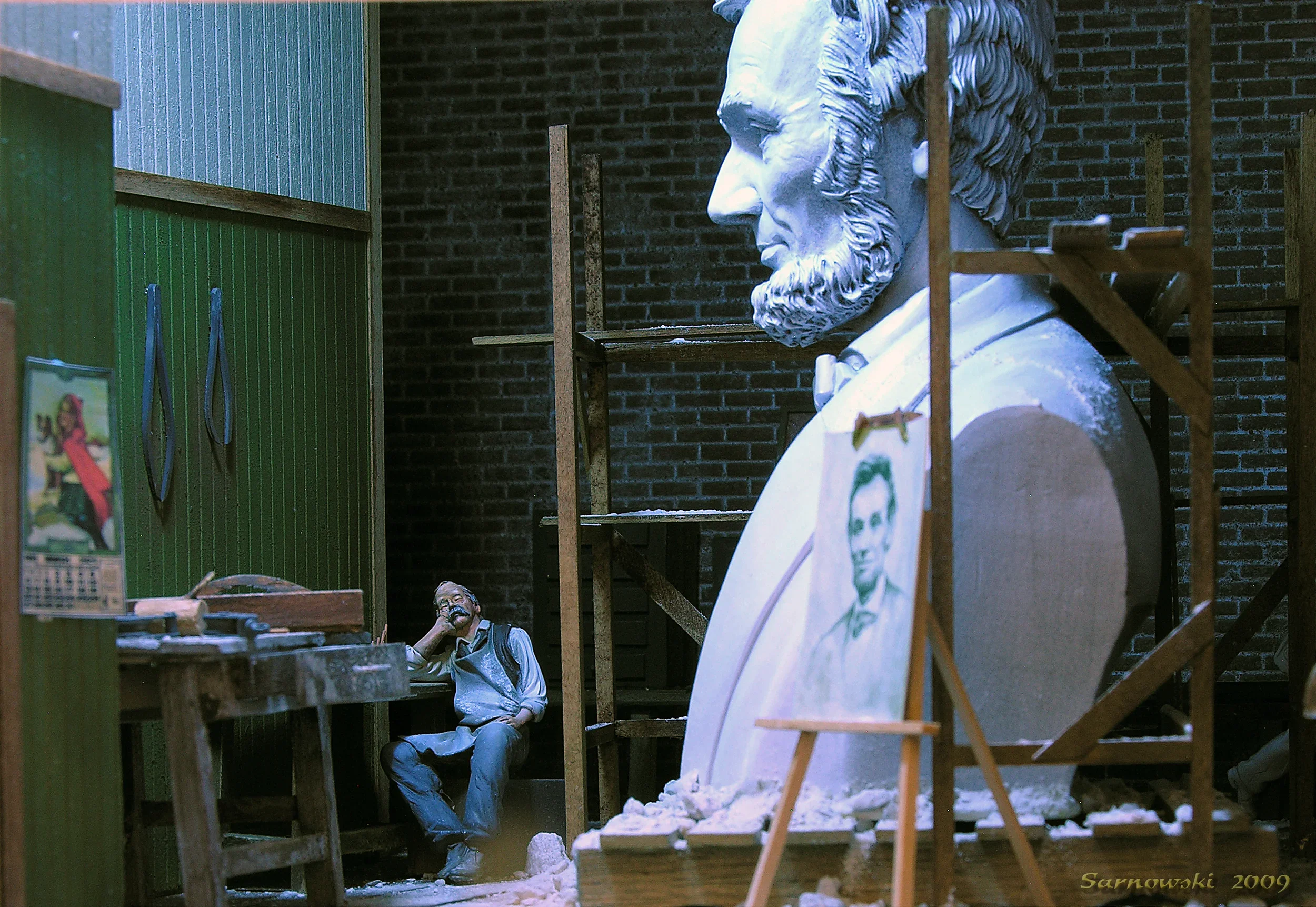
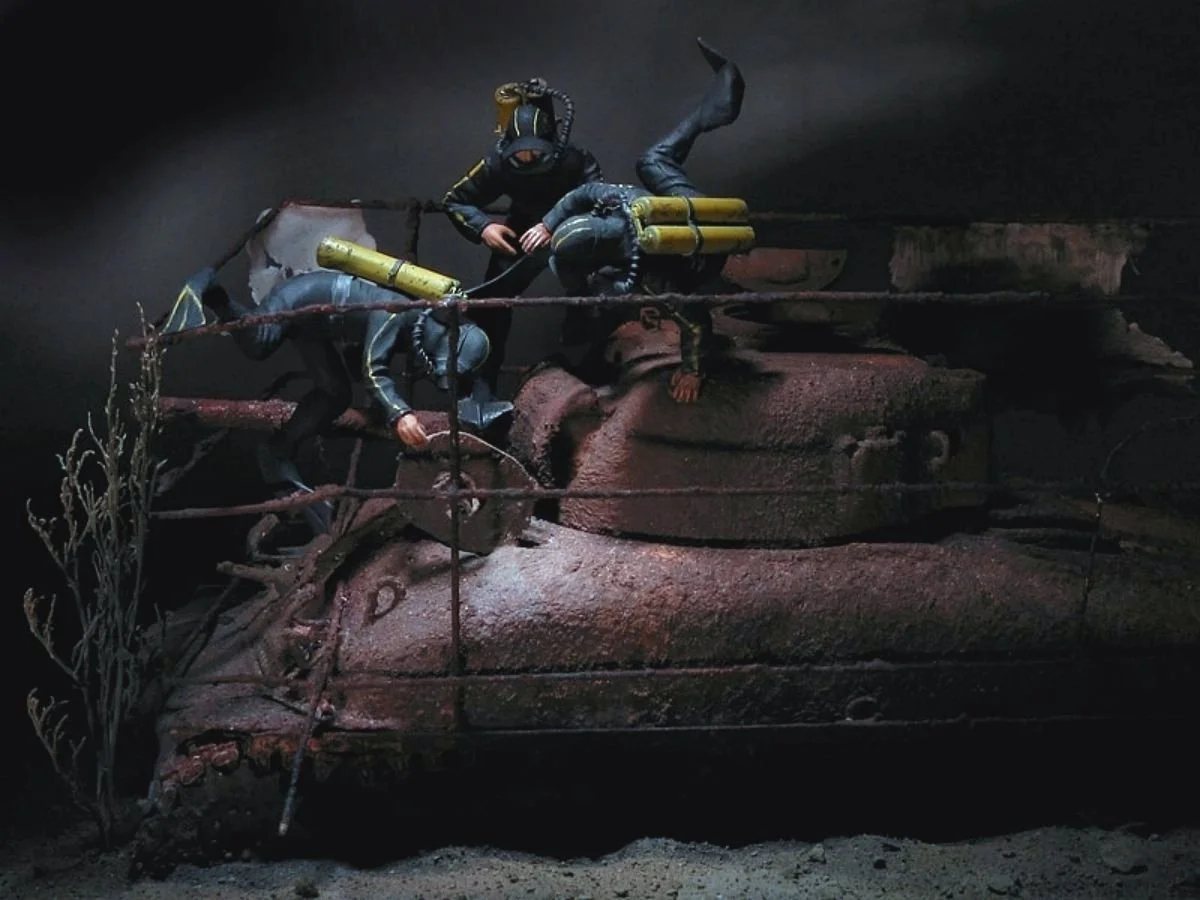
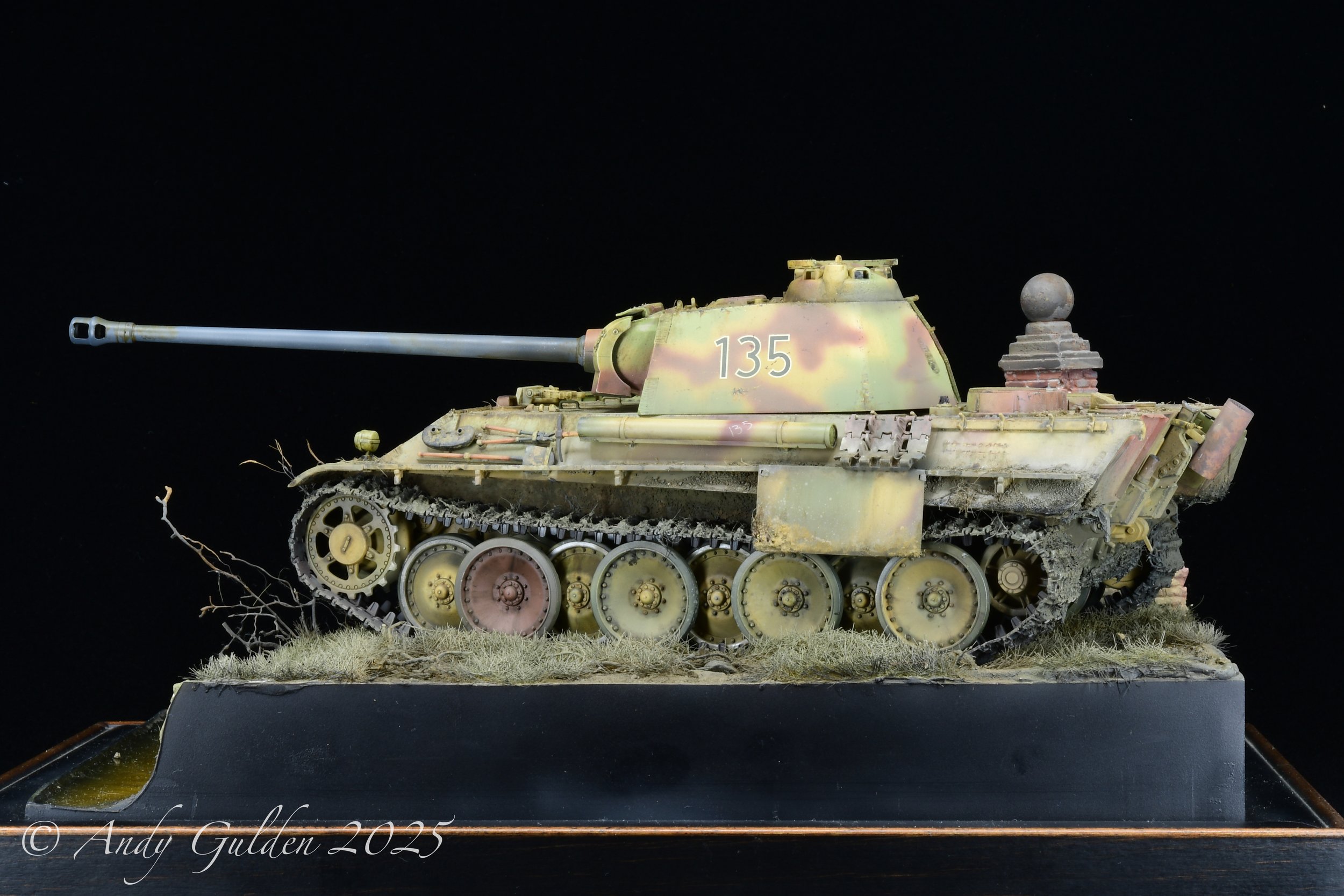
Below: Dave’s latest box diorama, “Fleeting Salvation: Liberation Day, August 12, 1944, Florence, Italy,” a gold-medal winner at the MMSI show, and two of his other famous boxes, “The Lincoln Memorial” and “Rusted Tomb.” (Photos by Bob Sarnowski and Andy Gulden. More of Dave’s boxes can be seen on his Artist’s Gallery page on this site here.)

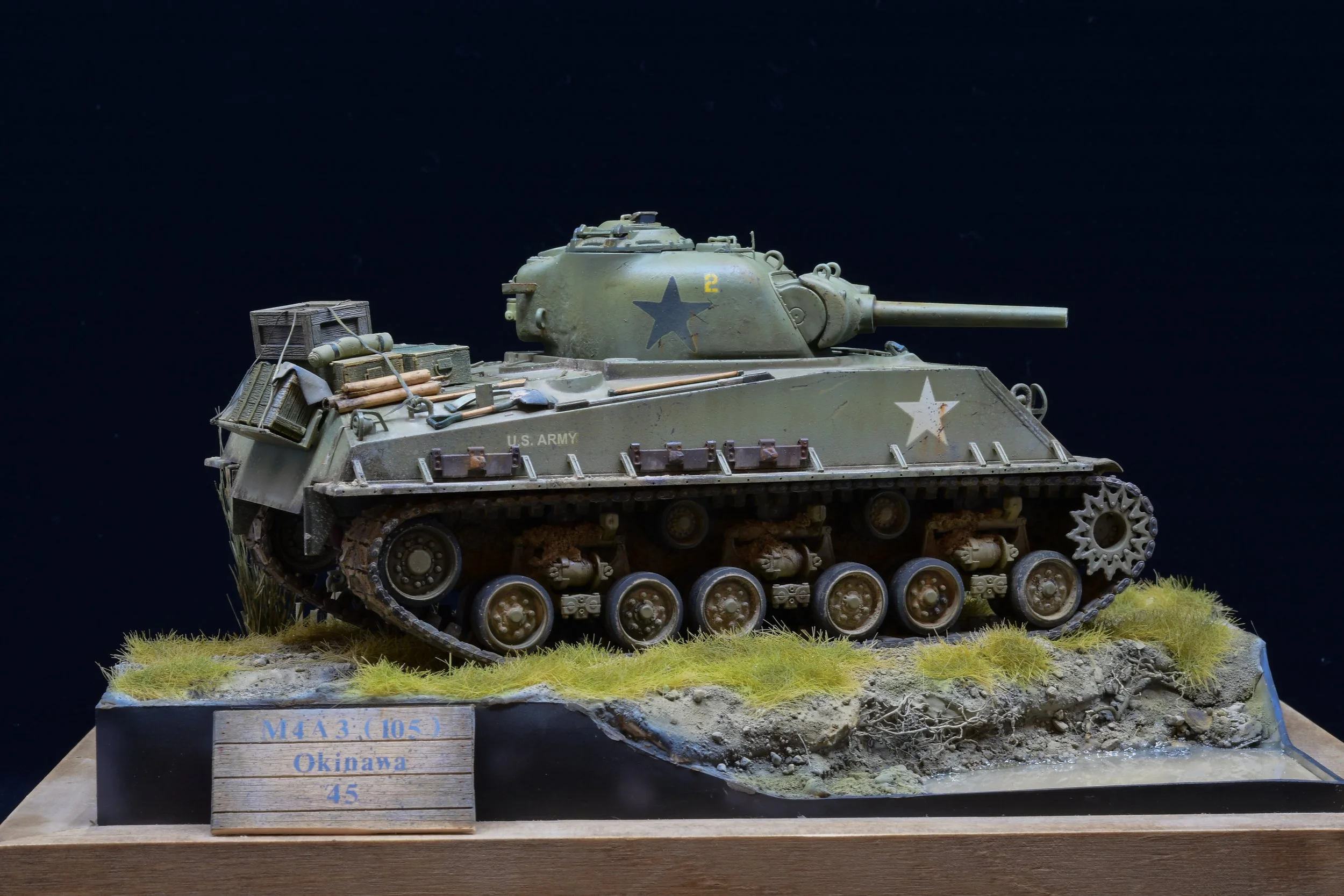
Dave also won gold medals in Chicago for his Panther G and USMC Sherman. And he’s finally working on a piece of Canadian armor!

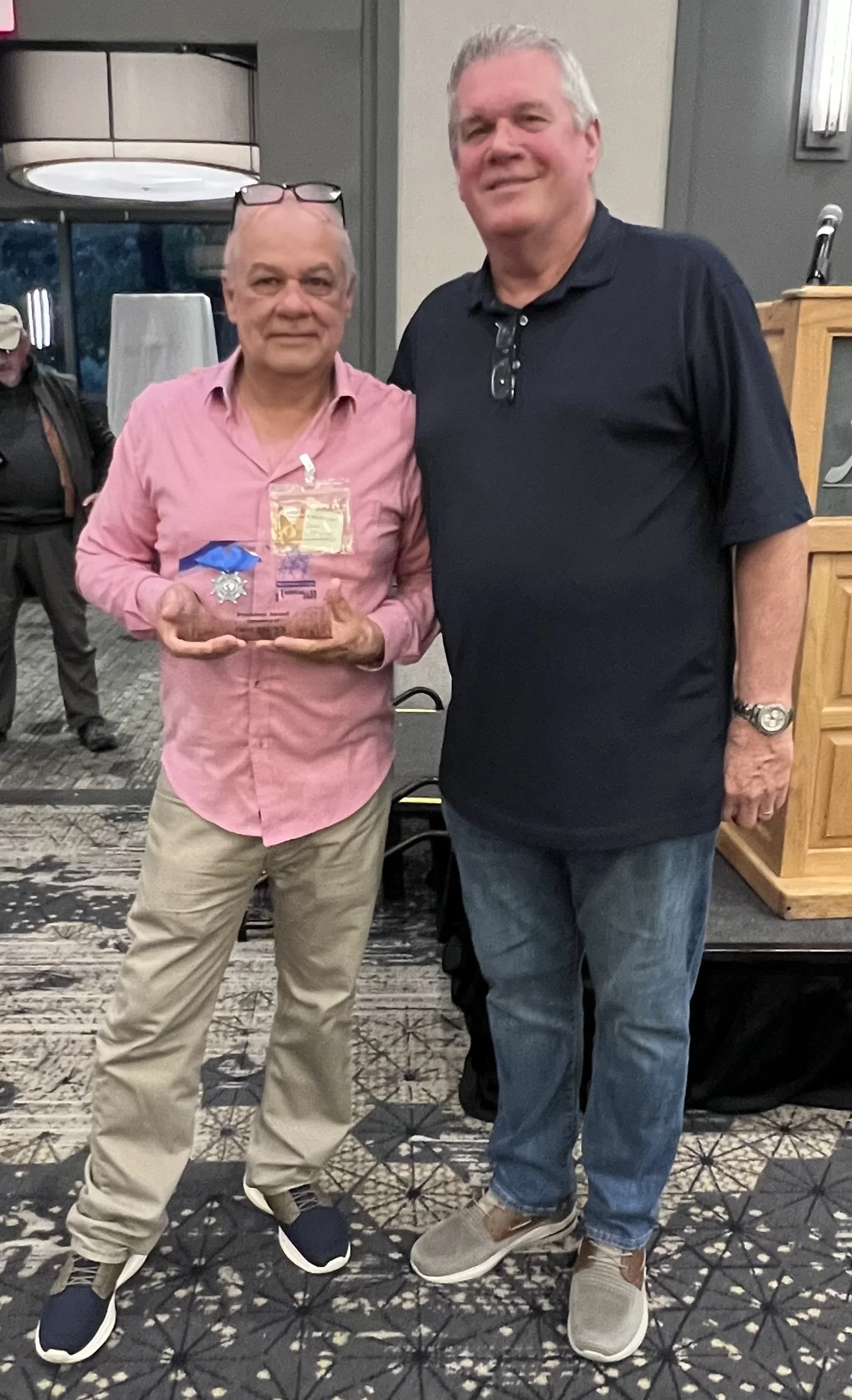
Dave was named a World Master at the World Expo in Versailles last July, but he was unable to attend. Bill Horan presented his award at the Chicago Show in October. (Photo by Felix Gonzales)

Finally, we want to plug Joan Biediger’s podcast “Her Shrink Ray Eye,” which goes deeper and gets more fascinating with each new episode. (She’s already done six!) Be sure to listen here!

Episode 62: Talking with Robert Blokker

In this episode, which is coming at you a bit later than usual due to a couple of unforeseen reasons, your hosts talk with Robert Blokker, a loyal listener who lives in Alkmaar, a city located in the North Holland province of the Netherlands, known for its traditional cheese market. In addition to being a wonderfully gregarious fellow—Barry really enjoyed spending some time with him during World Model Expo in Versailles last summer—Robert, who works as a graphic artist, is a wonderfully imaginative modeler with a wide variety of interests—World War I to fantasy, busts to flats, 1/72nd figures to 1/9 busts—and a special love for dioramas.

And yeah, his work can sometimes be controversial, which prompted a conversation that, in part, hits on a key question: Is there room for provocative political statements in our hobby/art form?

Below: A few examples of Robert’s historical dioramas.

Examples of Robert’s flats, busts, and single figures.

And: Some of Robert’s political pieces, a few of which actually prompted threats of physical violence from the cesspool of social media. Not too many modelers can say that! But as evidenced by the photo of the artist that follows, he remains undaunted.

Because of the aforementioned unforeseen events, and because we didn’t want to delay sharing Robert’s interview with you any longer, we don’t talk about the MMSI’s 50th Chicago Show on the weekend of Oct. 17. We may or may not get to it in the future—Jim was, as usual, running around like a chicken without a head, overseeing the judging, and Barry and Joan were unable to attend, having been laid low by COVID (yes, it’s still out there)—but you can visit the MMSI web site to see a list of the award winners and some fantastic photos, and to order a copy of the lavishly-illustrated, 100-page 50th Show book compiled by Jim and Joe Berton, featuring every Best of Show winner from that half-century and the work of every Chicago Medalist, as well as plenty of candids from the club and the show throughout the years, a bargain at $25 postage paid!

Finally, some big news and very much worth a listen: Joan Biediger has launched her own podcast, Her Shrink Ray Eye, with her unique wit and insights and some perspectives sorely needed in our small corner of the art world. Check it out!

Episode 61: Barry & Jim on their latest box dioramas and trying something new with every project

Above: Barry’s latest box diorama “XOR”

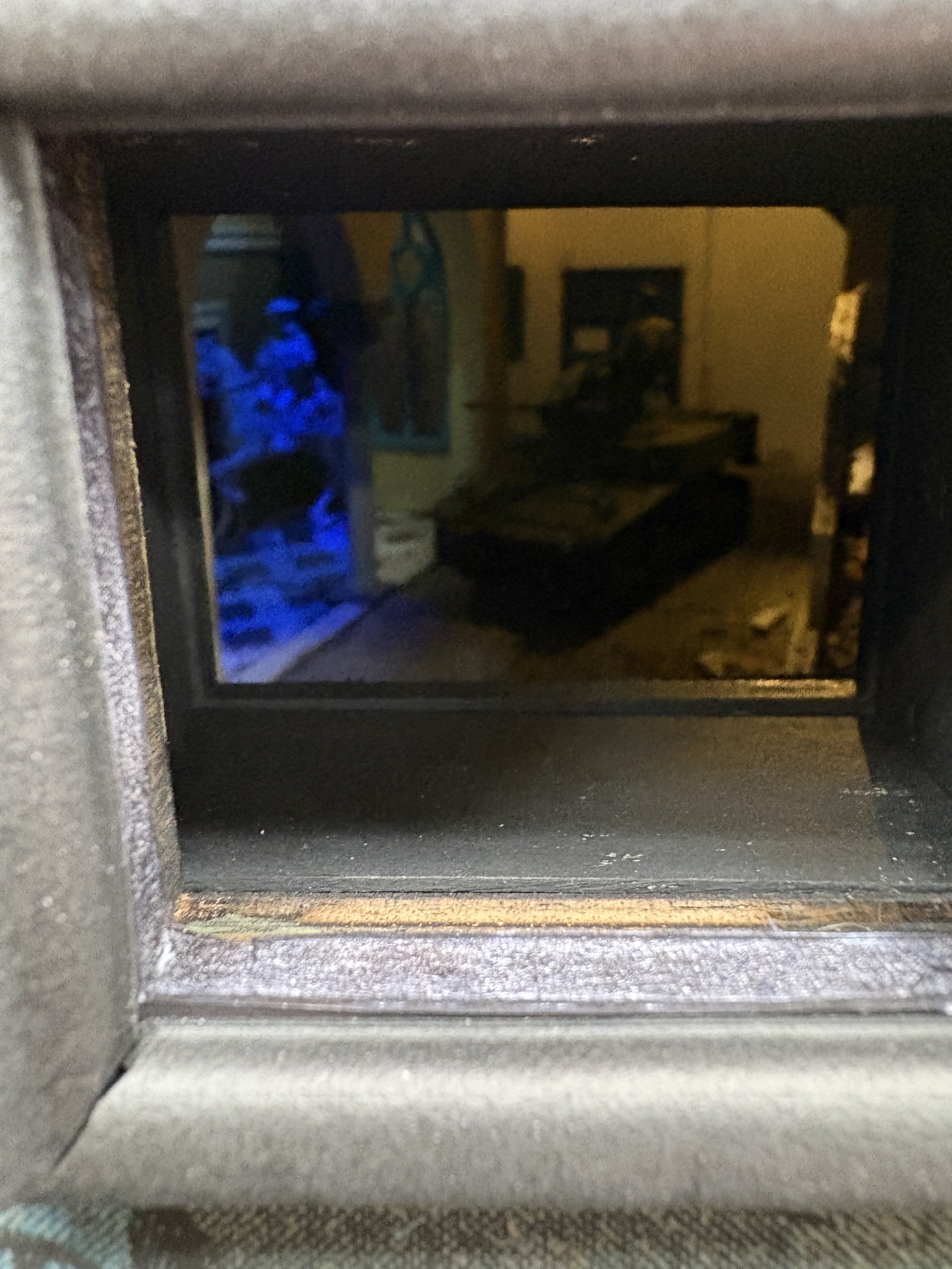
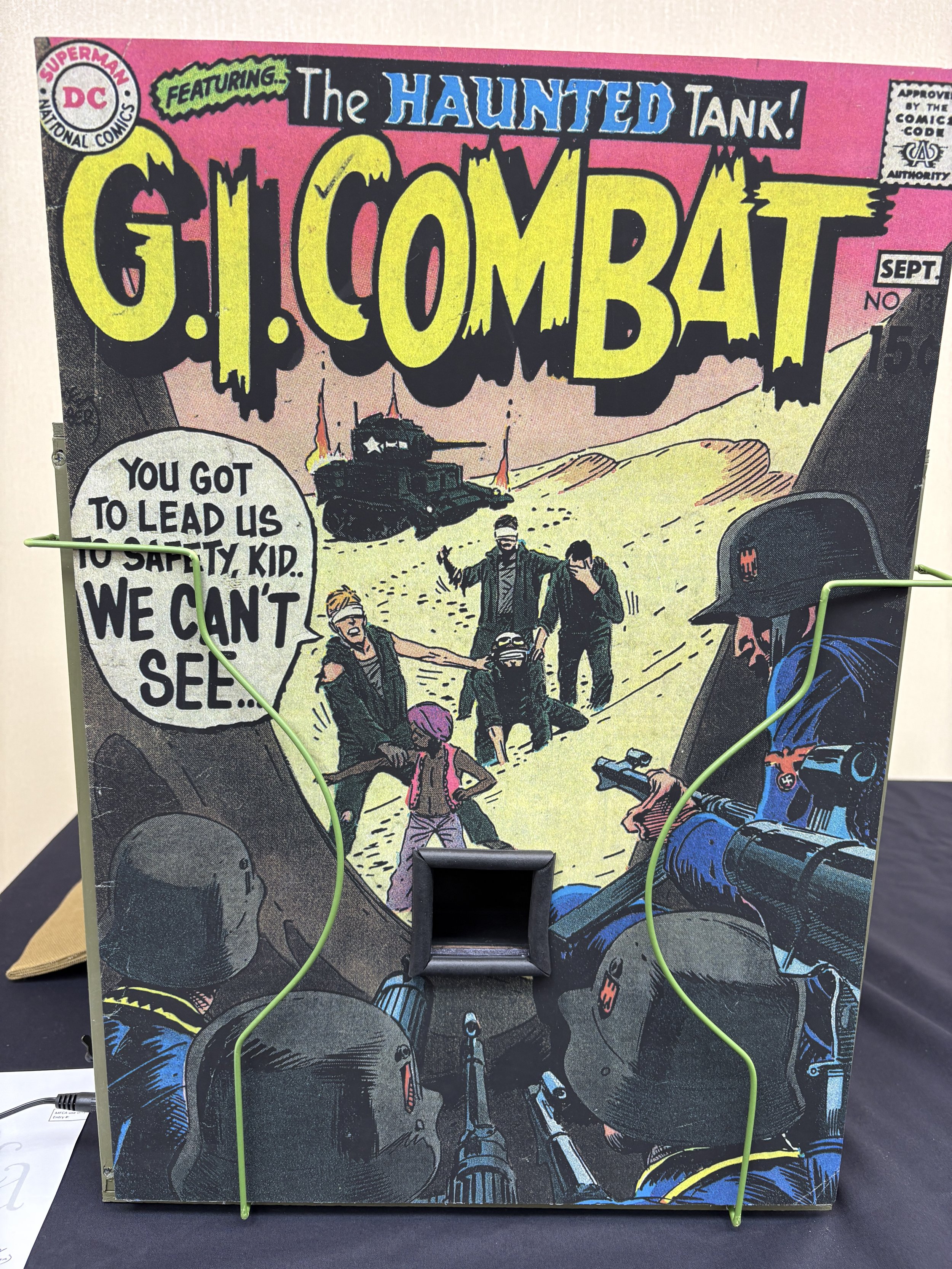
After epic conversations about big topics with multiple guests on the last two episodes—Perspectives on digital sculpting with Alan Ball and Nello Rivieccio in Episode 59, and a recap of World Model Expo in Versailles with Joan Biediger, Joe Berton, and Pat Vess in Episode 60—your hosts talk amongst themselves in this one, with Barry giving an unusual (for him) but very welcome (by Jim) step-by-step on the creation of his latest box diorama “XOR,” his eleventh (see his gallery here).

In the process, they talk about forced perspective, using gels for lighting in box dioramas, color palettes, a little more on digital sculpting, and other specifics—a few of these things newer challenges to Barry—as well as bigger, broader ideas like the occasional conflict between the artist’s intention and the viewers’ reception, and minimalism and maximalism.

“Big ideas about miniatures and modeling” is what we promise, after all. Whether this podcast ever gets there is up to you, the listener, to decide.

In any event, here are some of Barry’s in-progress shots leading to the finished work above.

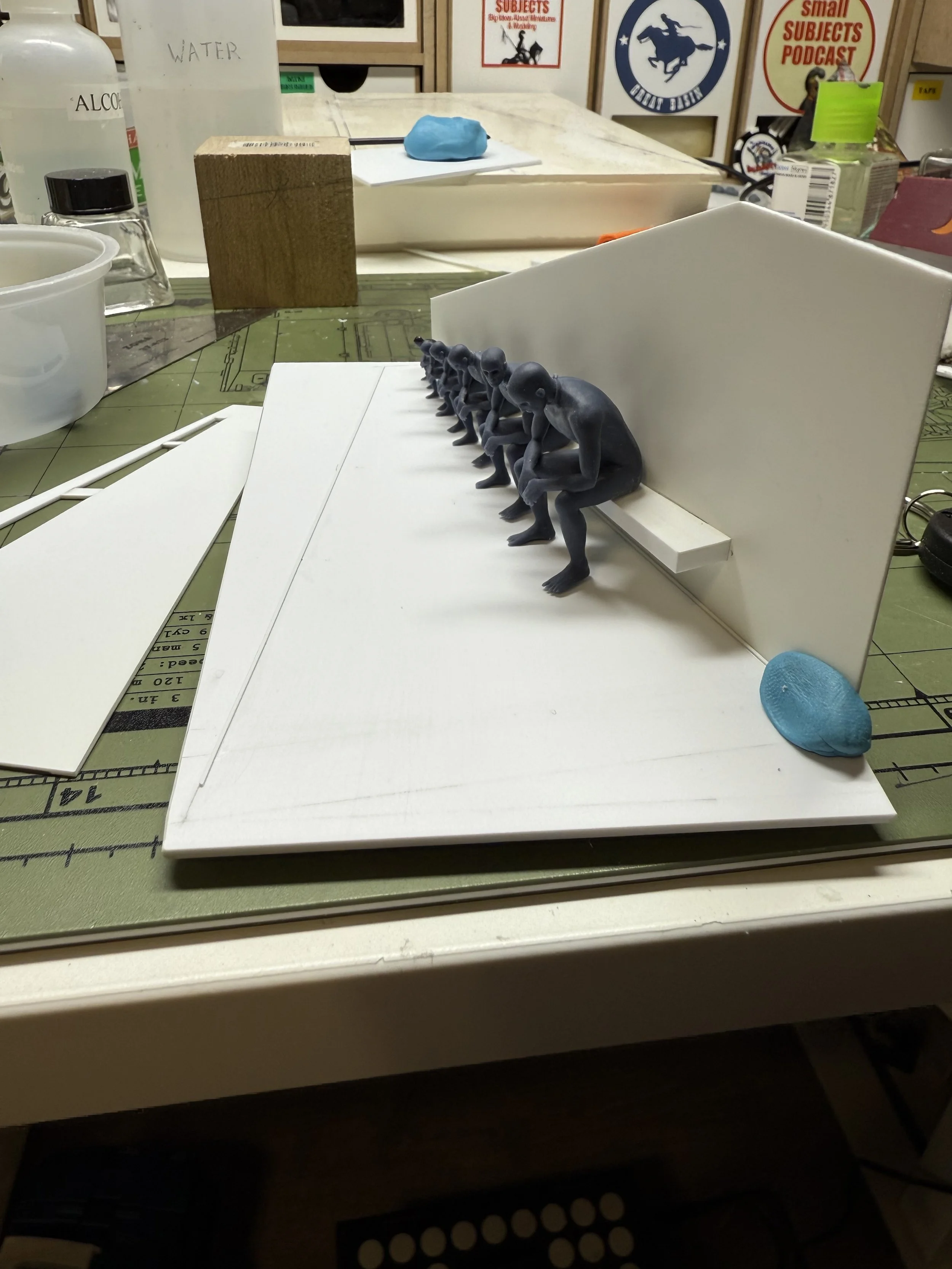
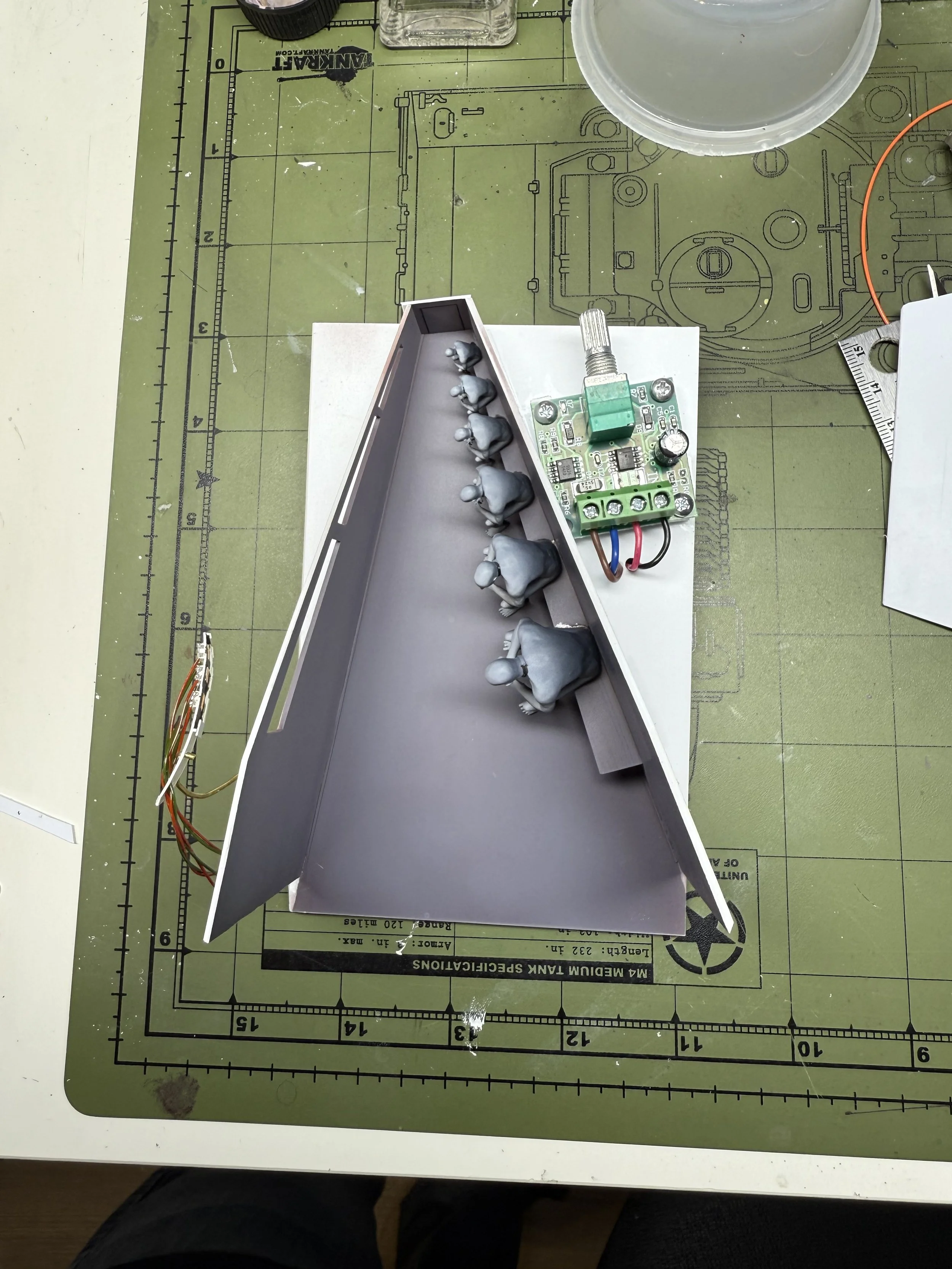
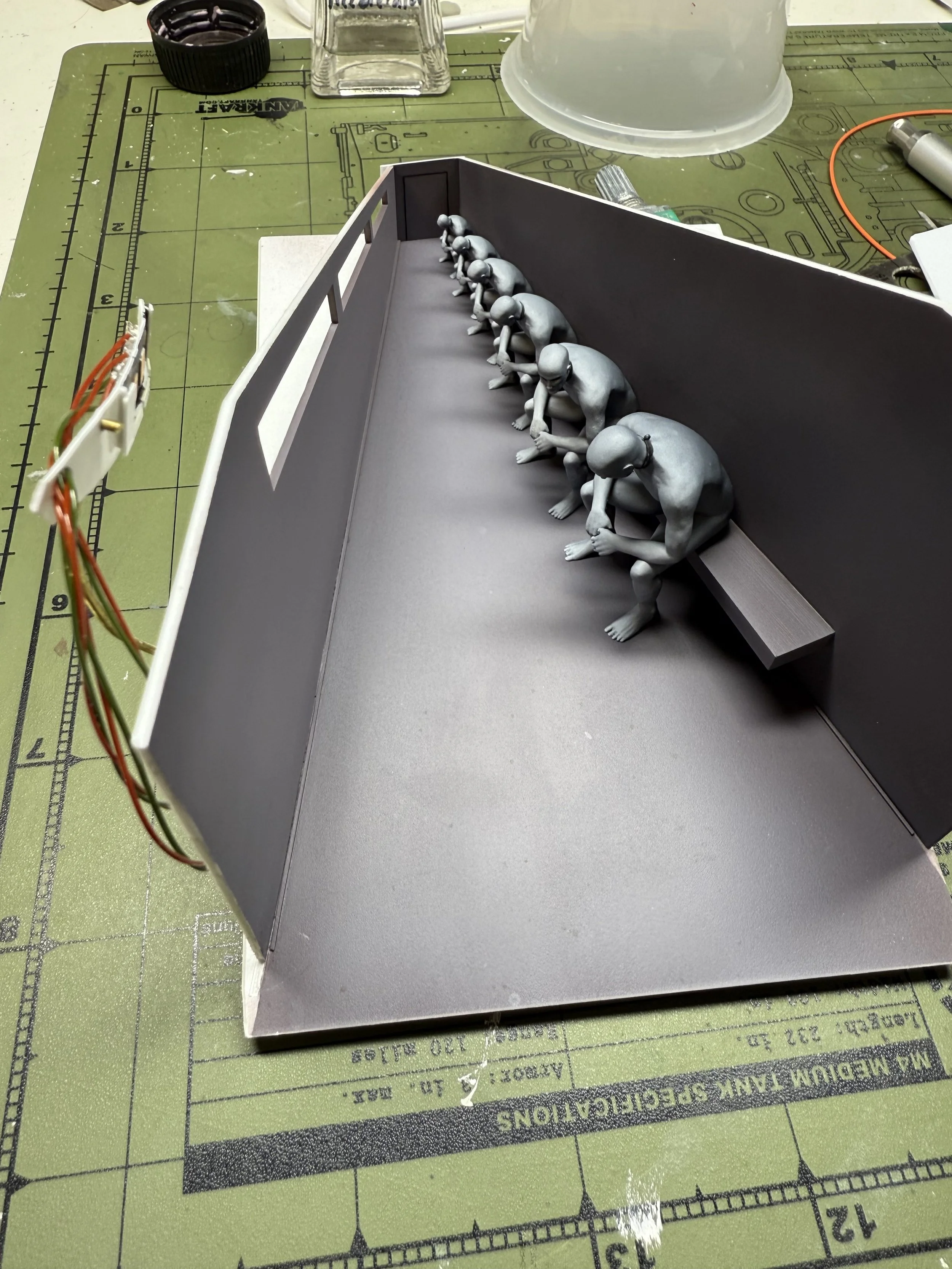
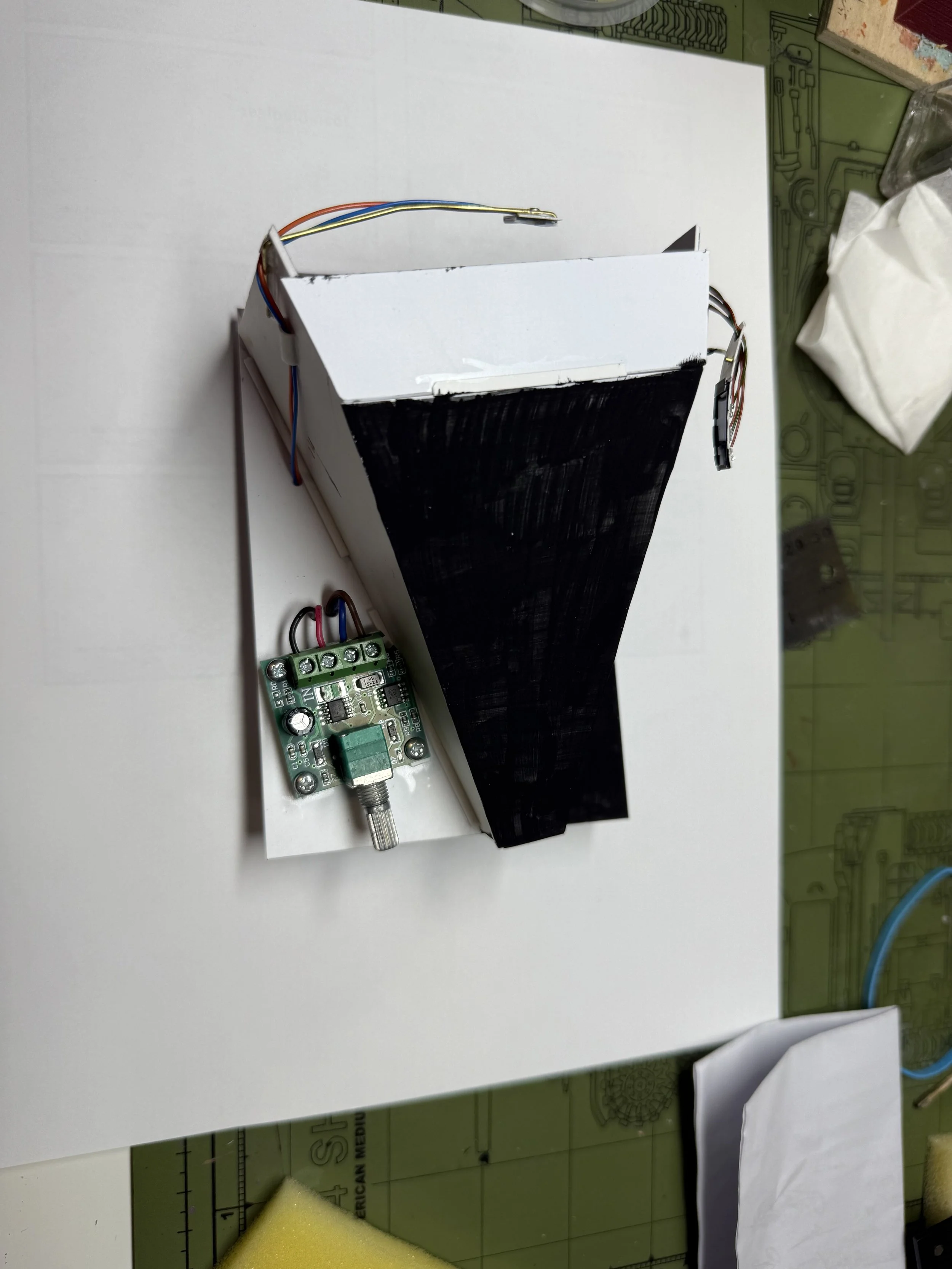
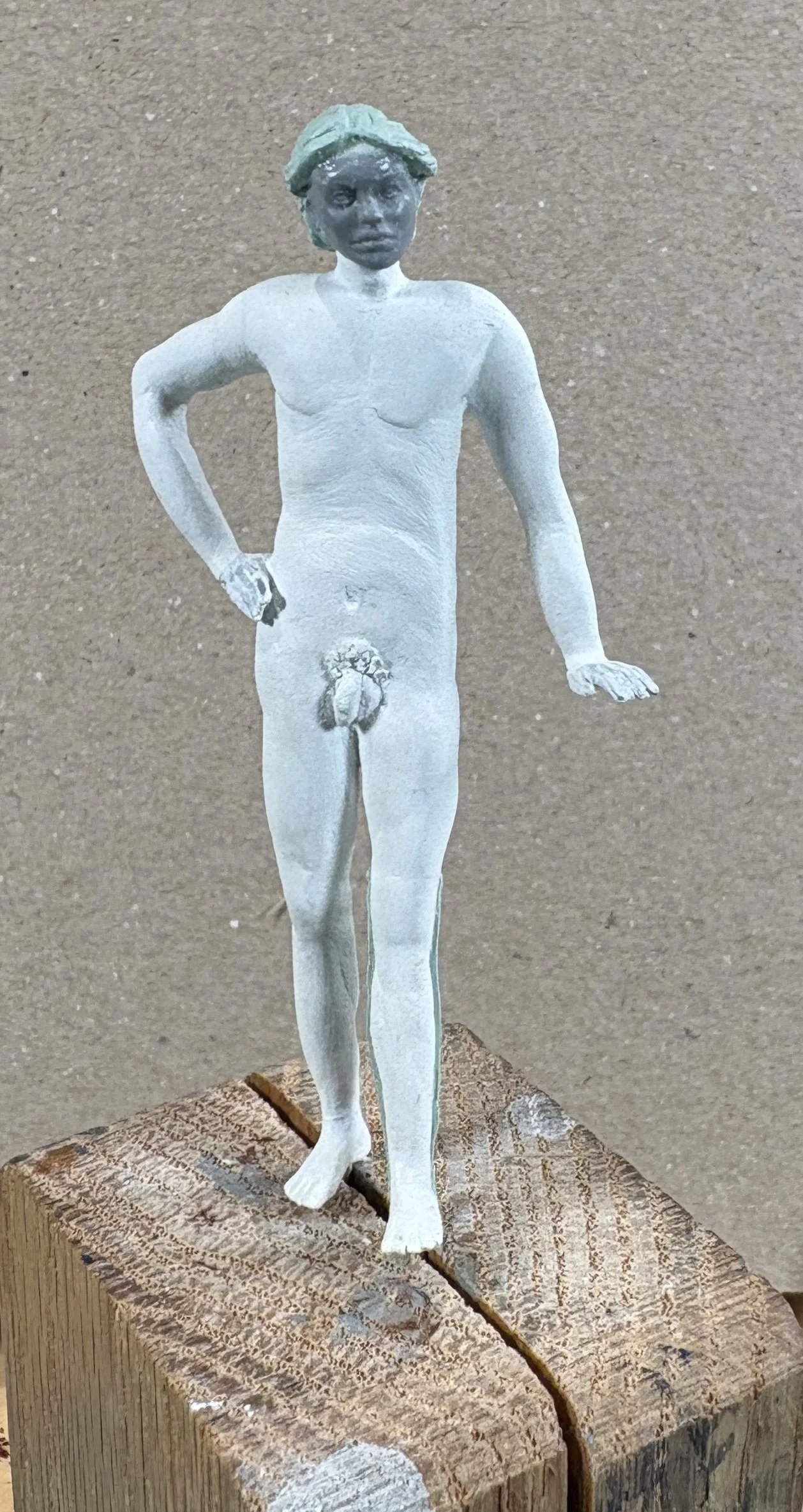
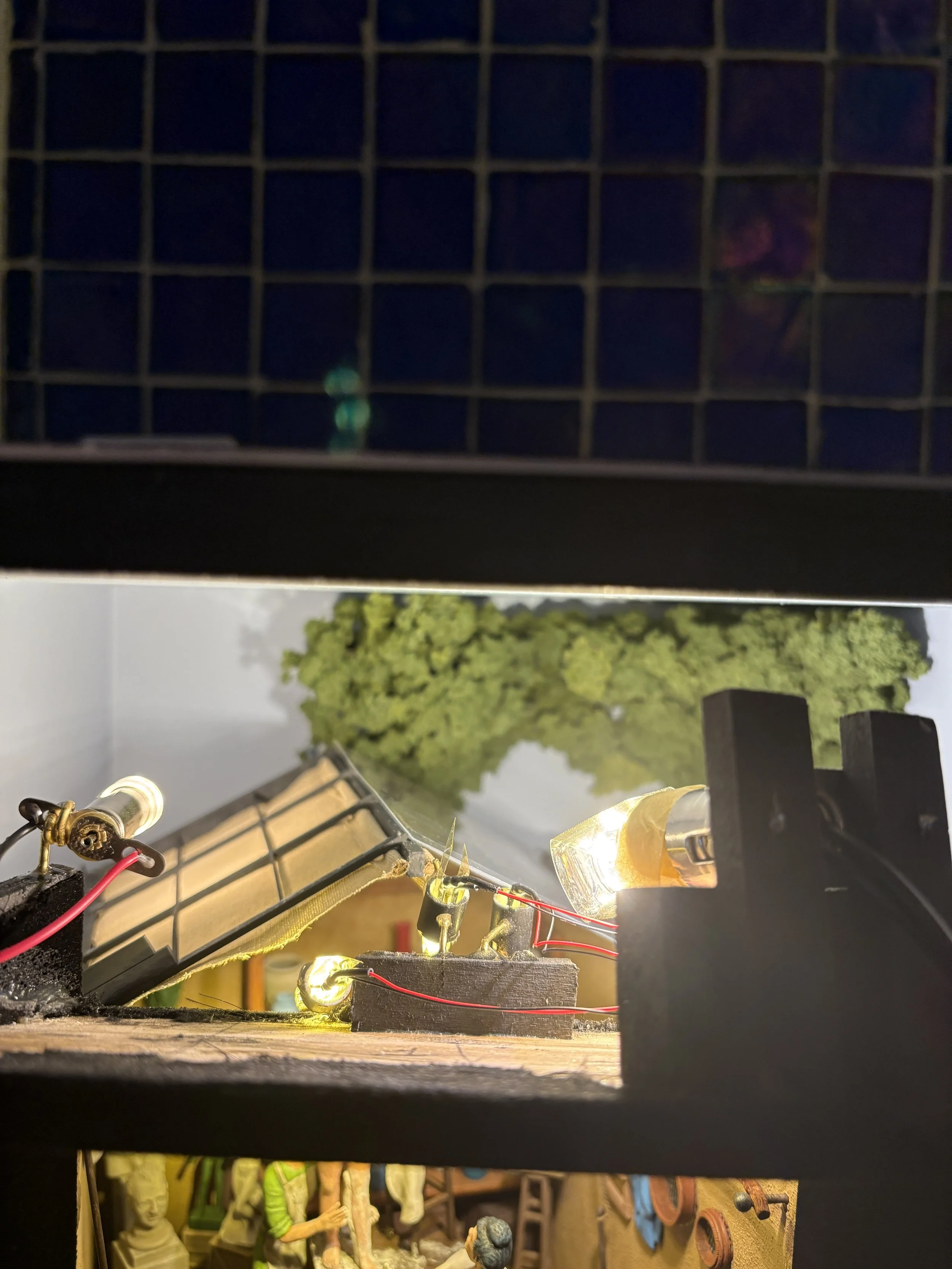
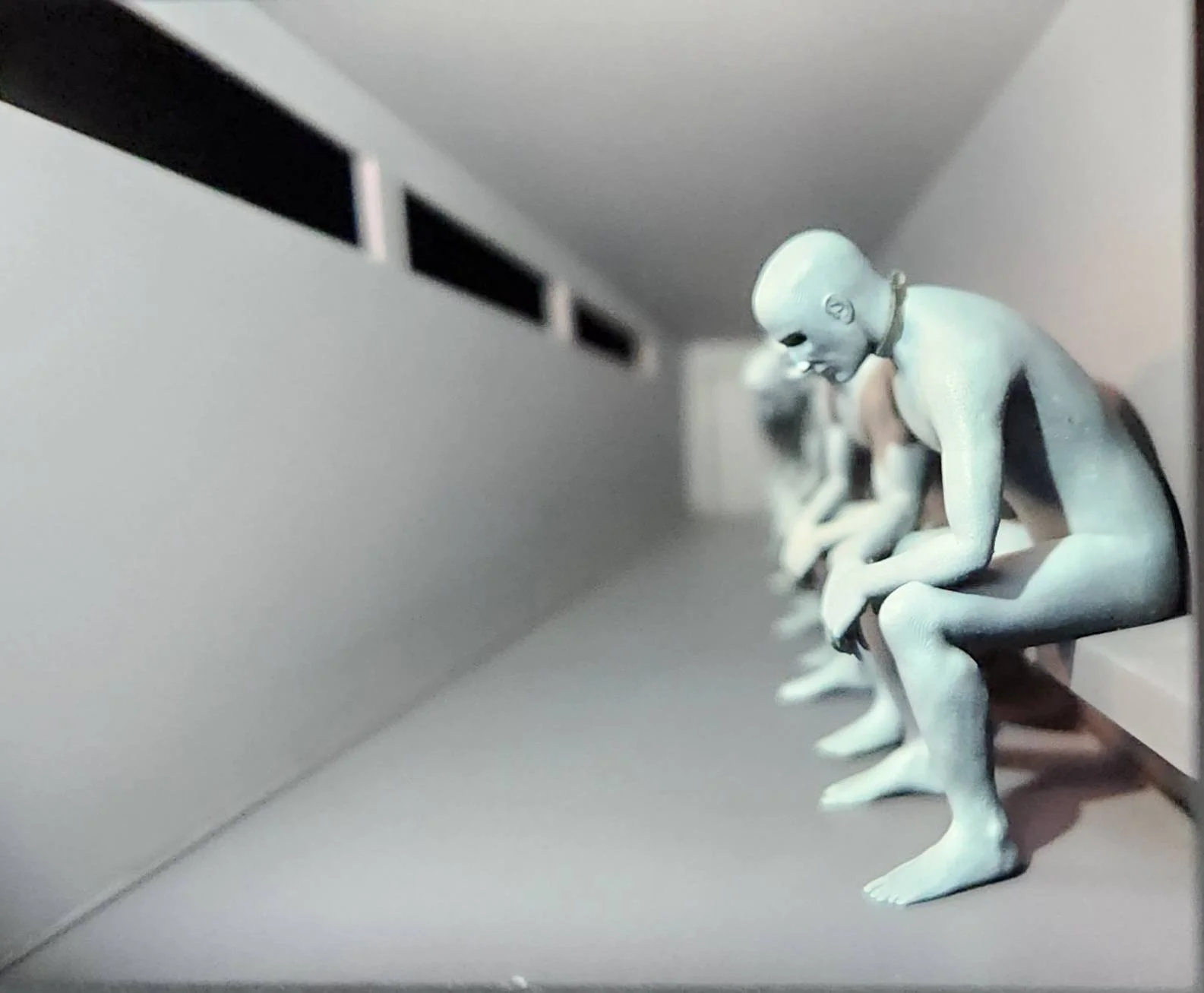
Meanwhile, Jim talks about some of the new things he’s trying for a box diorama that he’s looking forward to showing at the MMSI’s 50th Chicago Show on Oct. 17-18. These include his first attempt at sculpting a male nude (he’s done some women in his previous 27 boxes, but never a male), obscuring the corner of the box with trees, playing with pastel dust, and using some larger LED bulbs to simulate bright sunlight.

Some photos of Jim’s work in progress and other things he and Barry discussed in the second half of the show follow. Thanks as always for listening!

Episode 60: World Model Expo Versailles 2025

Incredible art, great camaraderie, a beautiful and historic locale—and some sketchy organization, long lines with overflow crowds, and none of the artist’s names on any of those incredible pieces! In this episode, Jim (who could not attend) and Barry (who could and did) discuss the good and the bad about the twelfth World Model Expo, which took place from July 4 to 6 in Versailles, batting it all around with special guests Joe Berton, Pat Vess, Joan Biediger, and U.K. correspondent Chris Meddings of the Model Philosopher podcast.

According to the organizers, the event featured more than 5,000 pieces on exhibit, and the show represented the efforts of 200 volunteers, 70 judges, 1,107 exhibitors (a word we prefer to “contestants”), and 90 vendors, drawing more than 8,000 viewers. Any one account is bound to miss plenty—there’s a reason we have so many voices on this episode—though there’s certainly been no shortage of opinions online, pro and con, informed and otherwise (read: agenda-laden). When assessing any of it, including this episode, bear in mind three things:

1. It’s a tremendous accomplishment that the show happened at all. Félicitations tous!

2. The participants and attendees provided plenty of evidence about the health of this hobby/art form, and...

3. That art illustrated peak achievements in the evolution of this pursuit, inspiring everyone who saw it. Below is a visual guide to some of the highlights cited by our guests and Barry in this episode—look as you listen! But: Did we mention we wish we knew the names of all these artists? Argh!

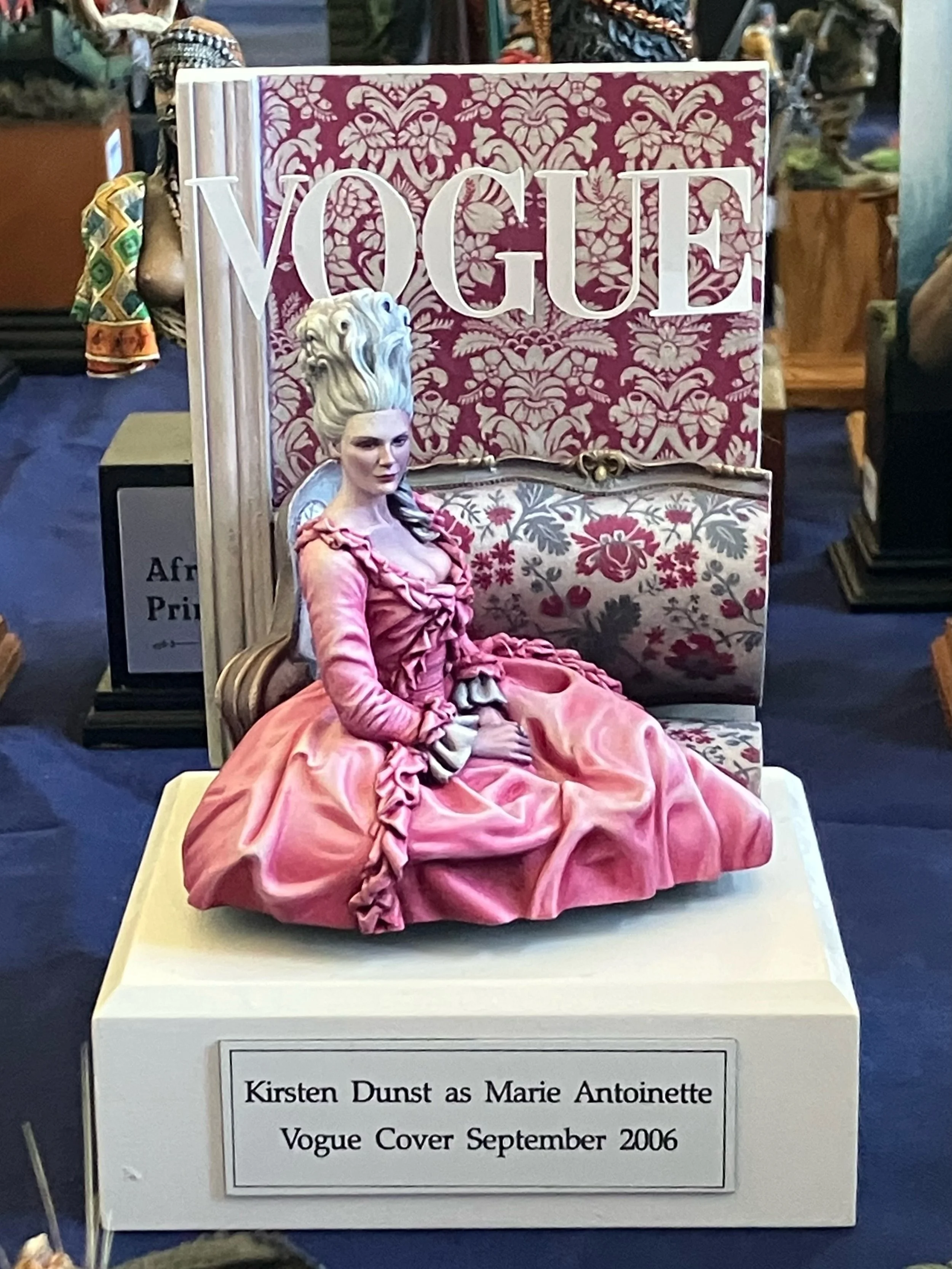
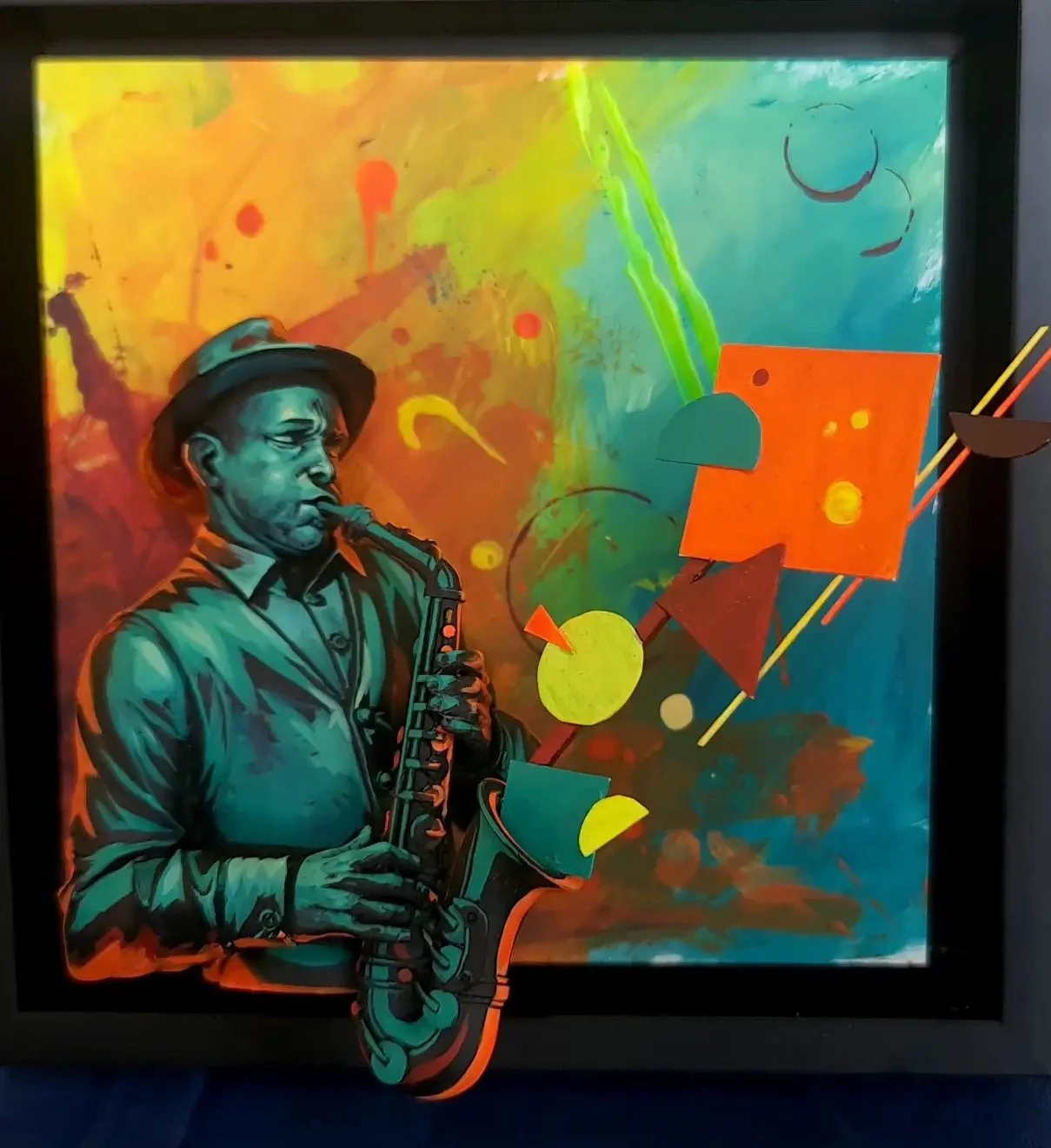
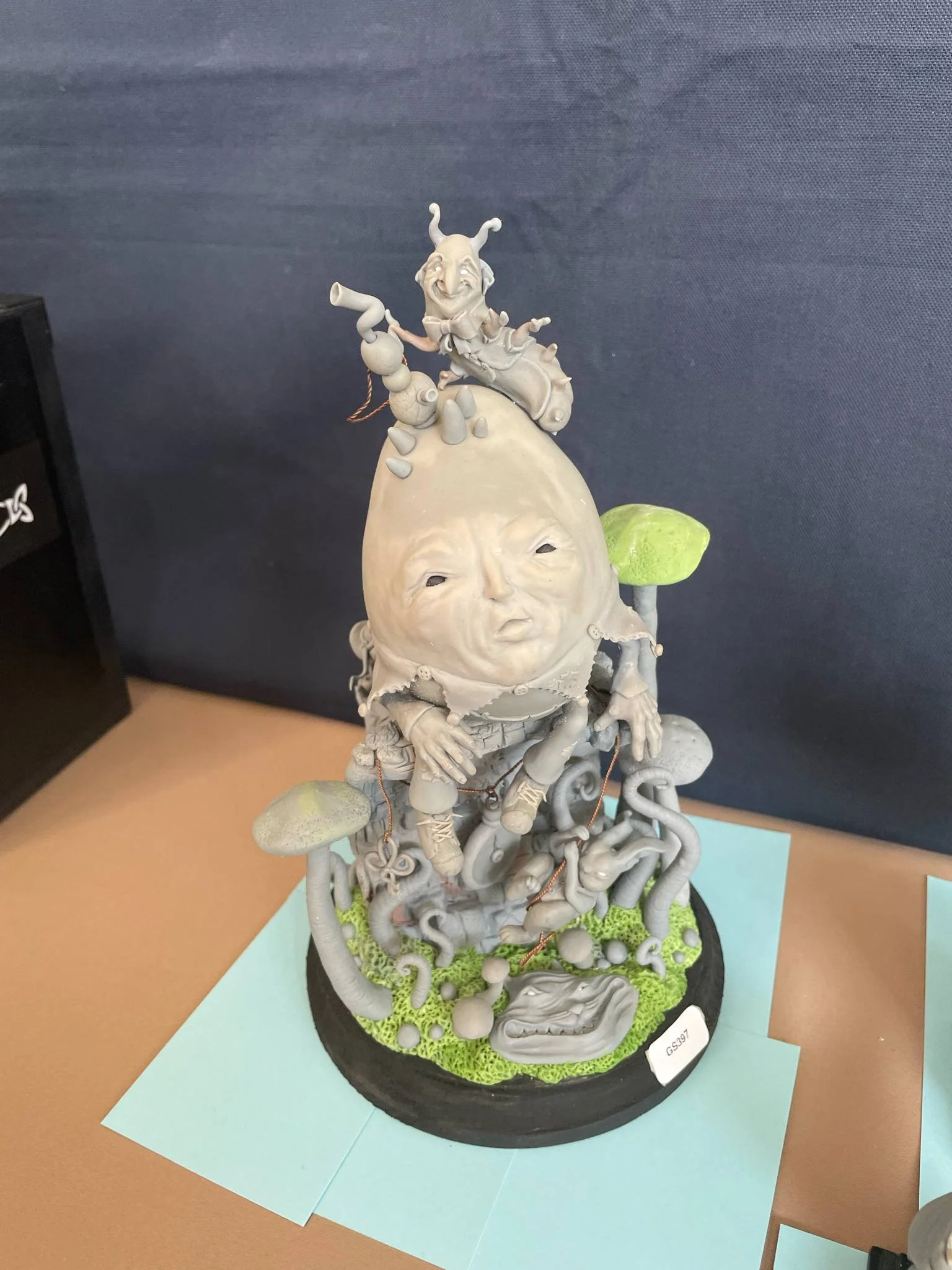
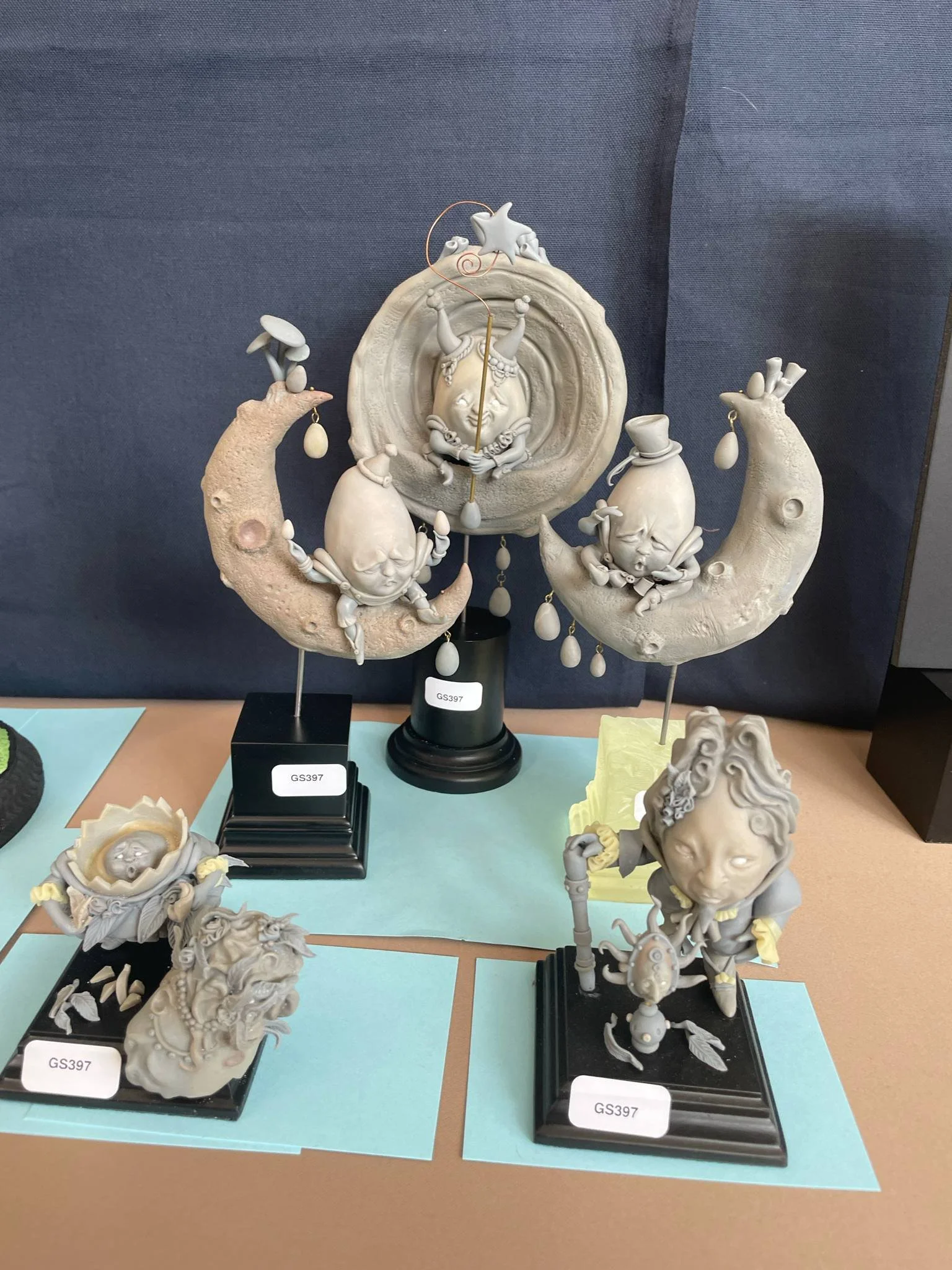
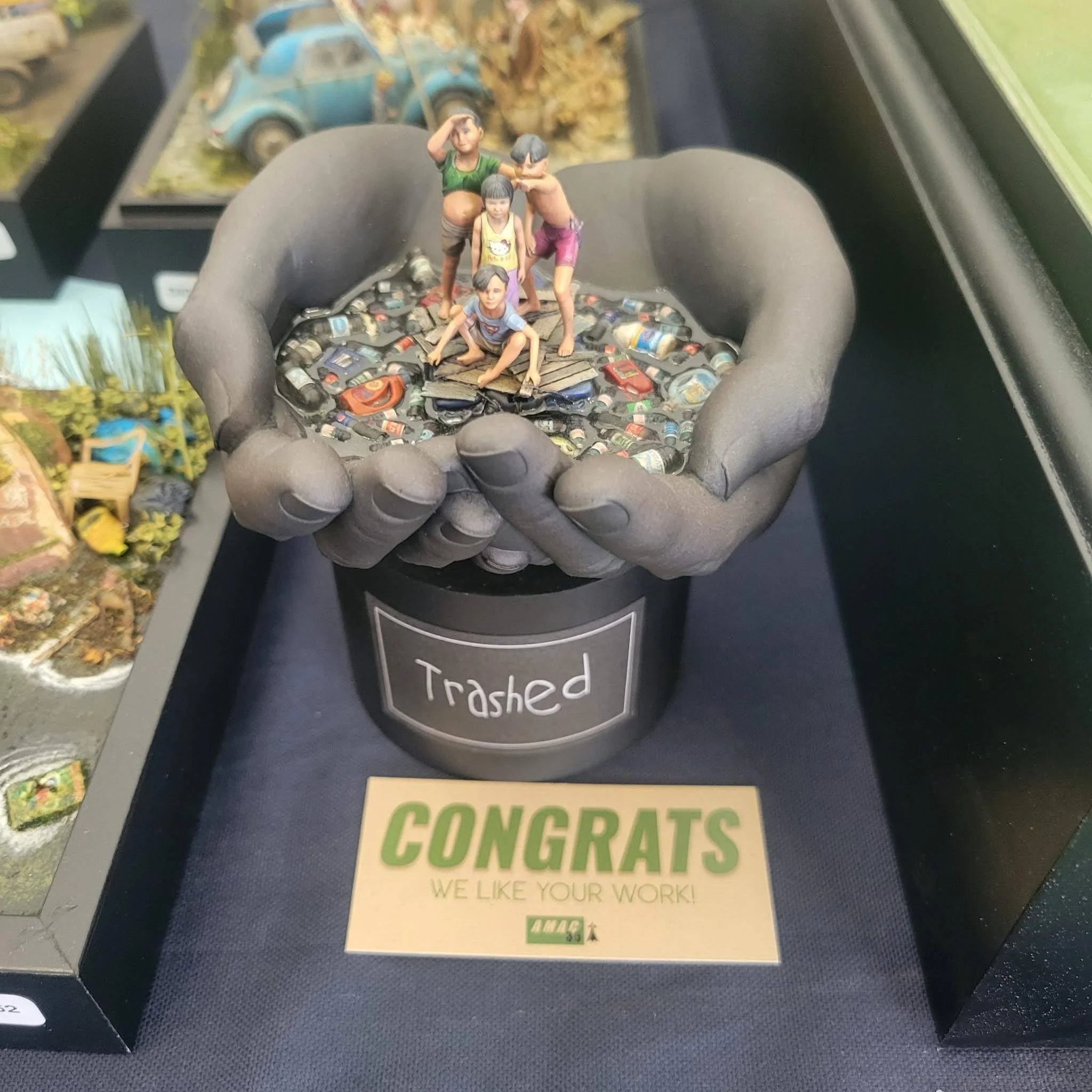
UPDATE JULY 27: Some of our loyal listeners contacted us to fill in the blanks for names for artists we didn’t have when we recorded or first posted this blog. The “egg” below is by Elisabette Visentini; Kirsten Dunst on the cover of Vogue is by Gabi Tysarzik, and the colorful jazz saxophonist flat is by Carla Cases. Chris Meddings did give us the name of the artist behind “Trashed,” Rico Chia, but somehow we missed it during our conversation. (You know what would have helped? Yep: Names on the exhibits!)

Above: Some of Joe Berton’s favorites paid tribute to the show’s locale. Below: Best of Show Fantasy, painted by Painted by Erik Swinson and sculpted by Victor Aguilar, followed by some picks by Joan and Barry and Chris Meddings.

We do know the artist of the work in progress below: the great Marijn Van Gils, who’s been chronicling this epic project on Flickr.

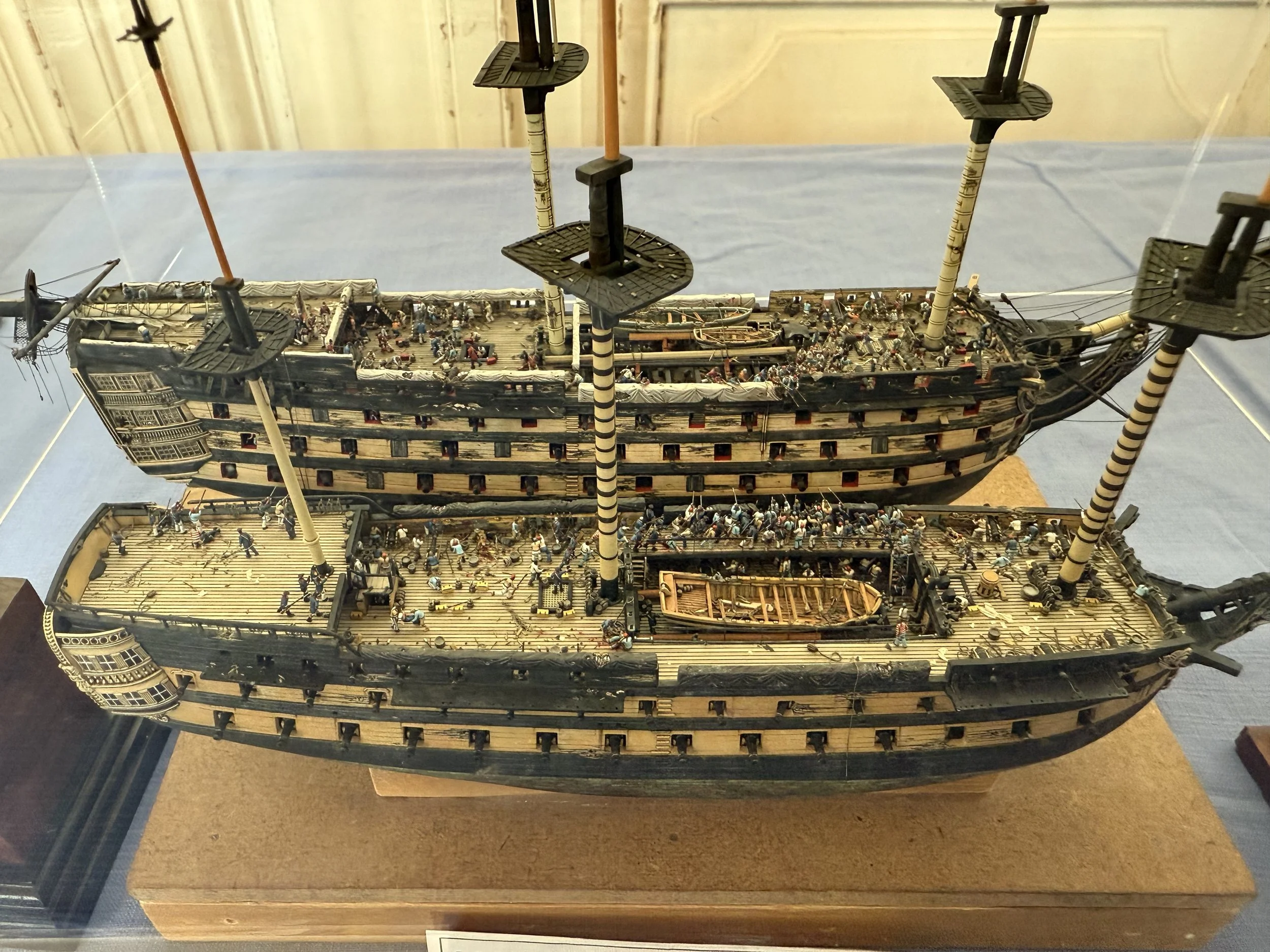
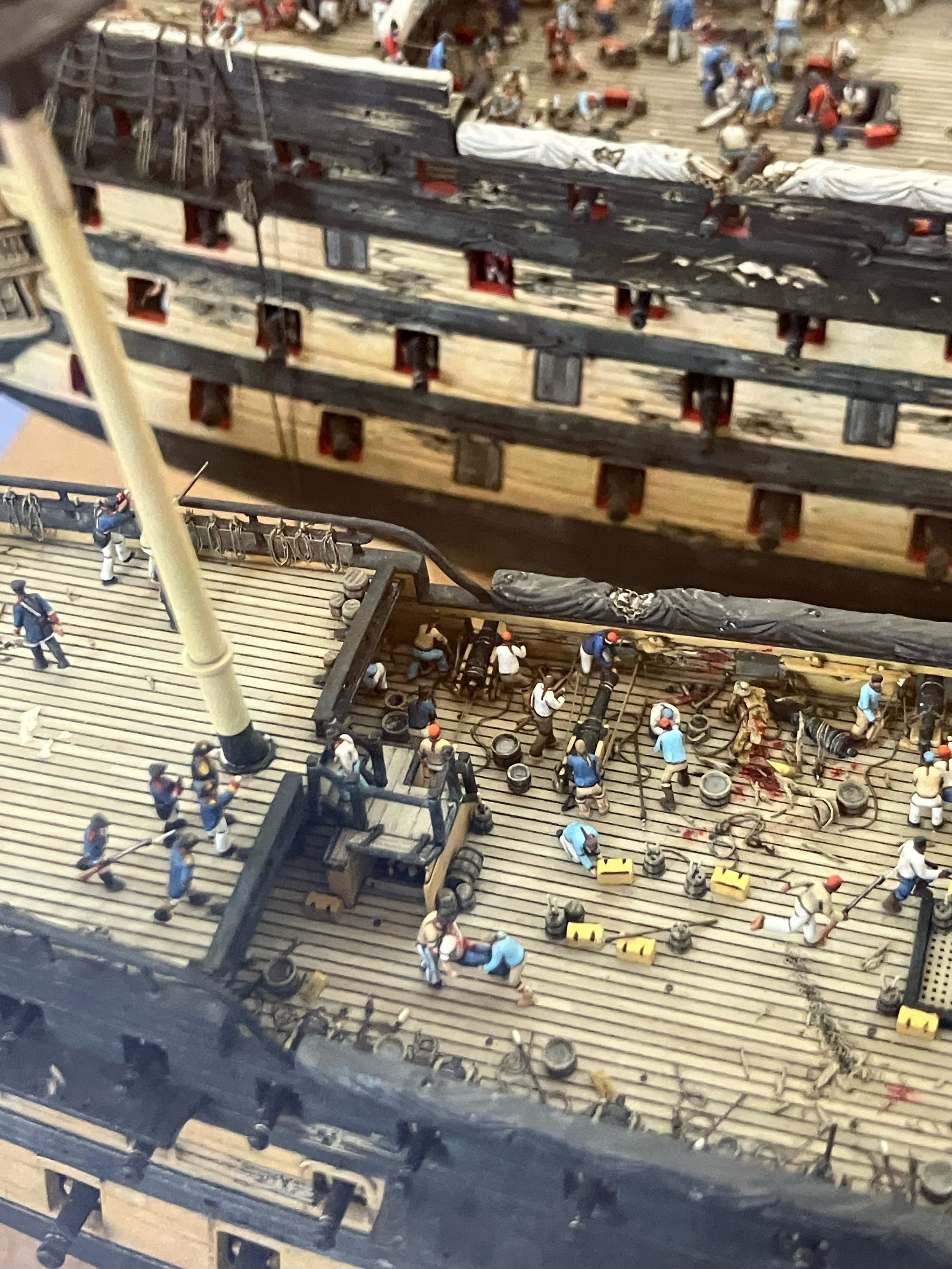
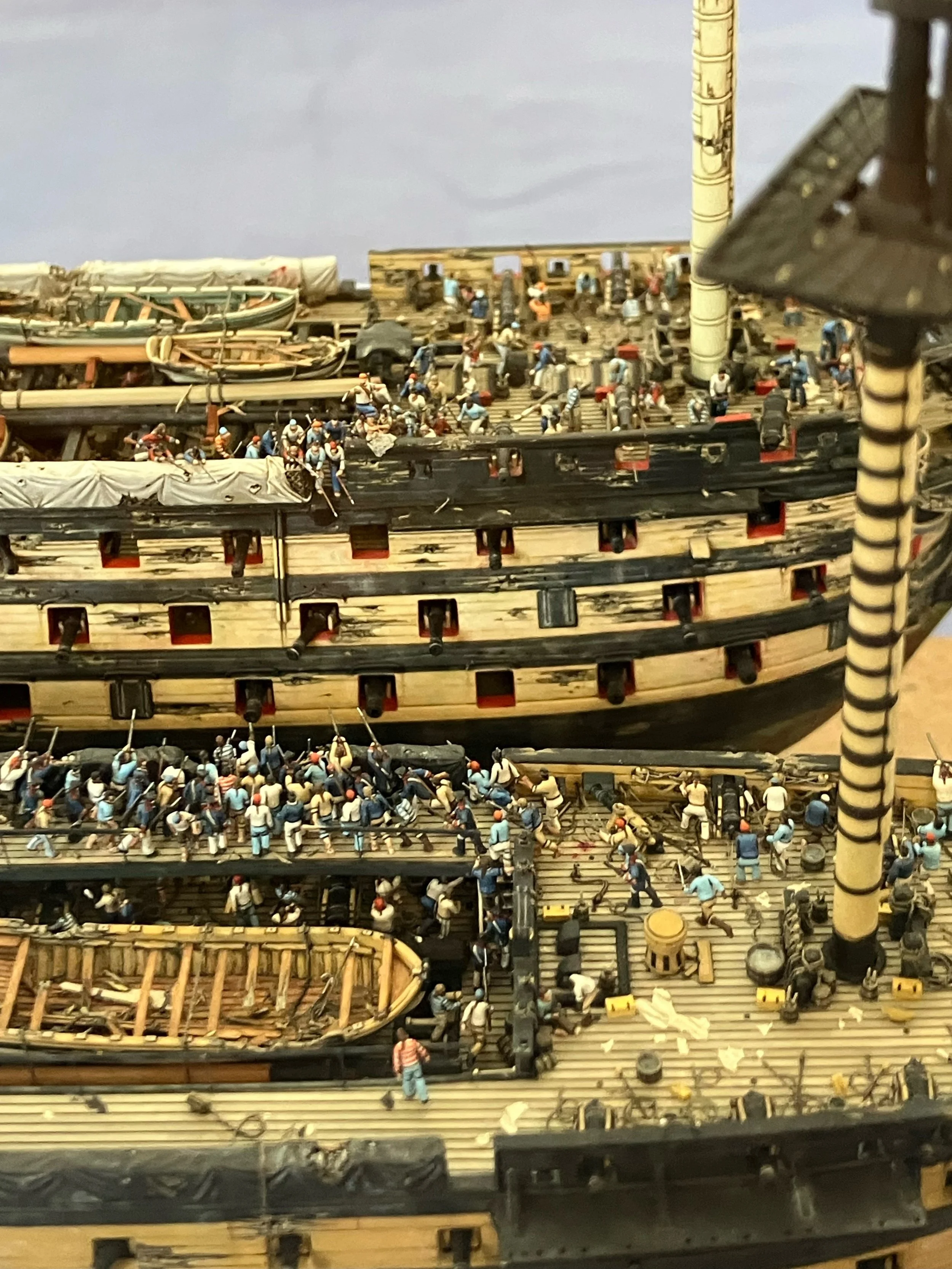
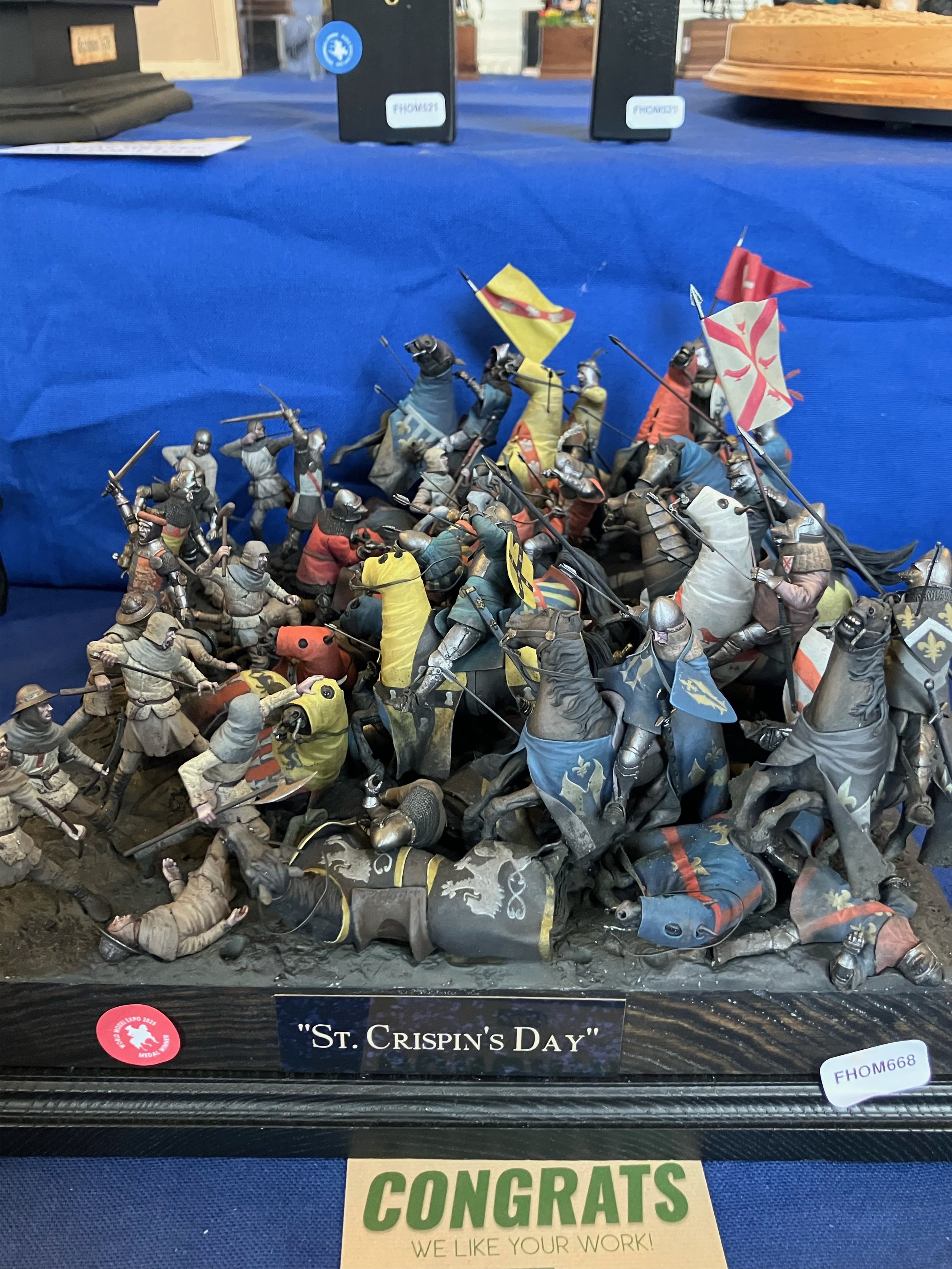
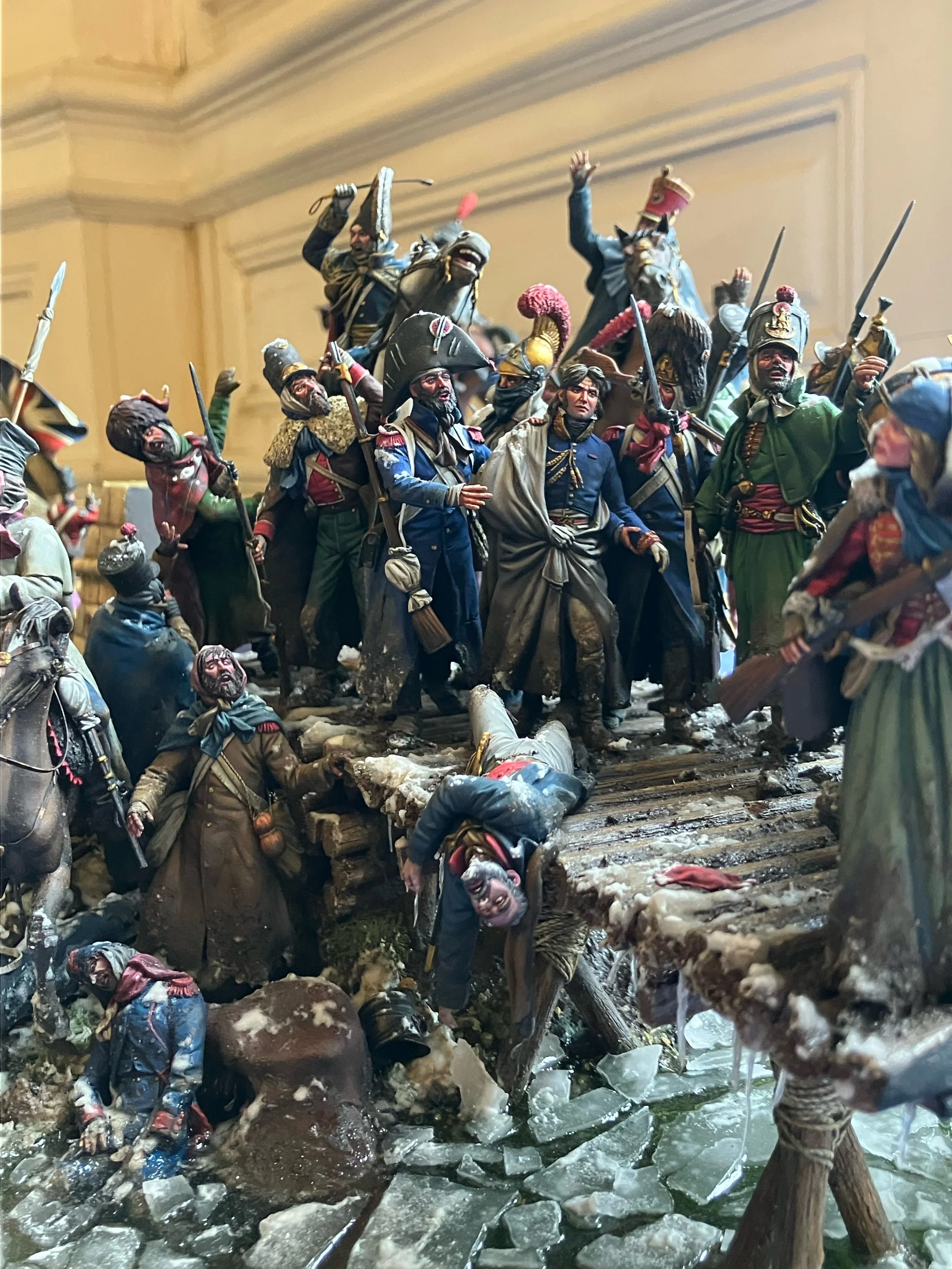
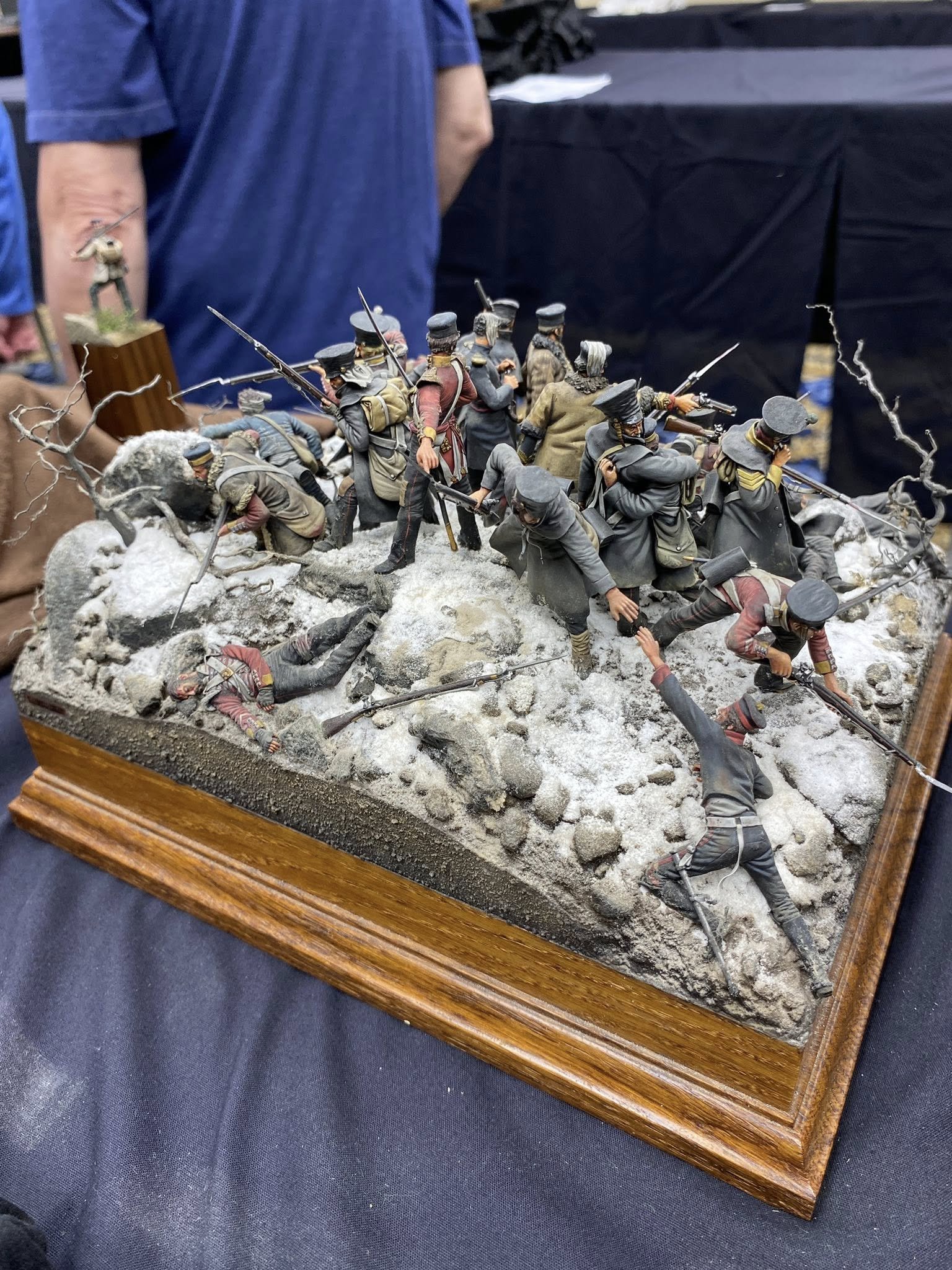
Above: Agincourt by Mike Blank, and an intense diorama depicting the crossing of the Berezina.

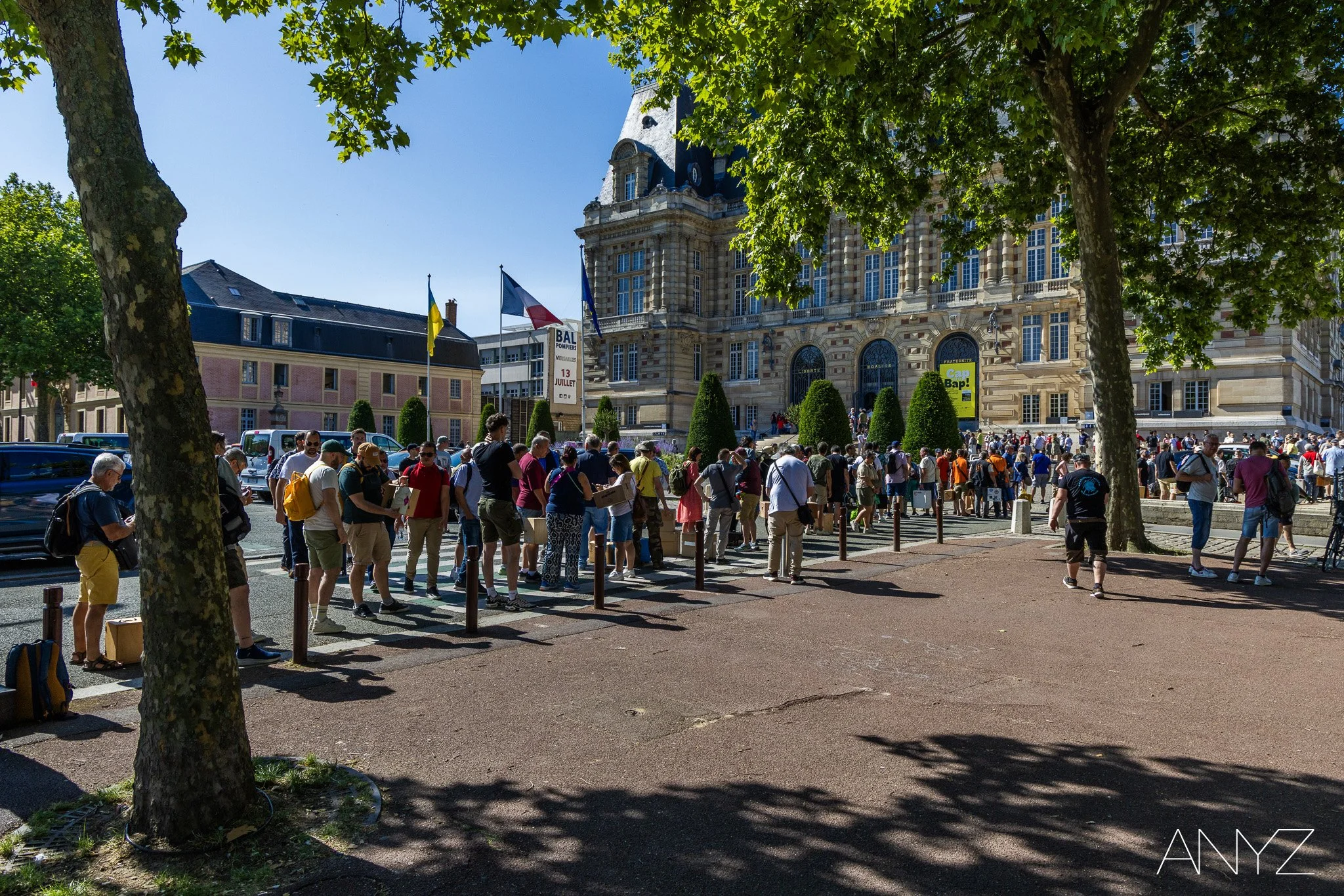
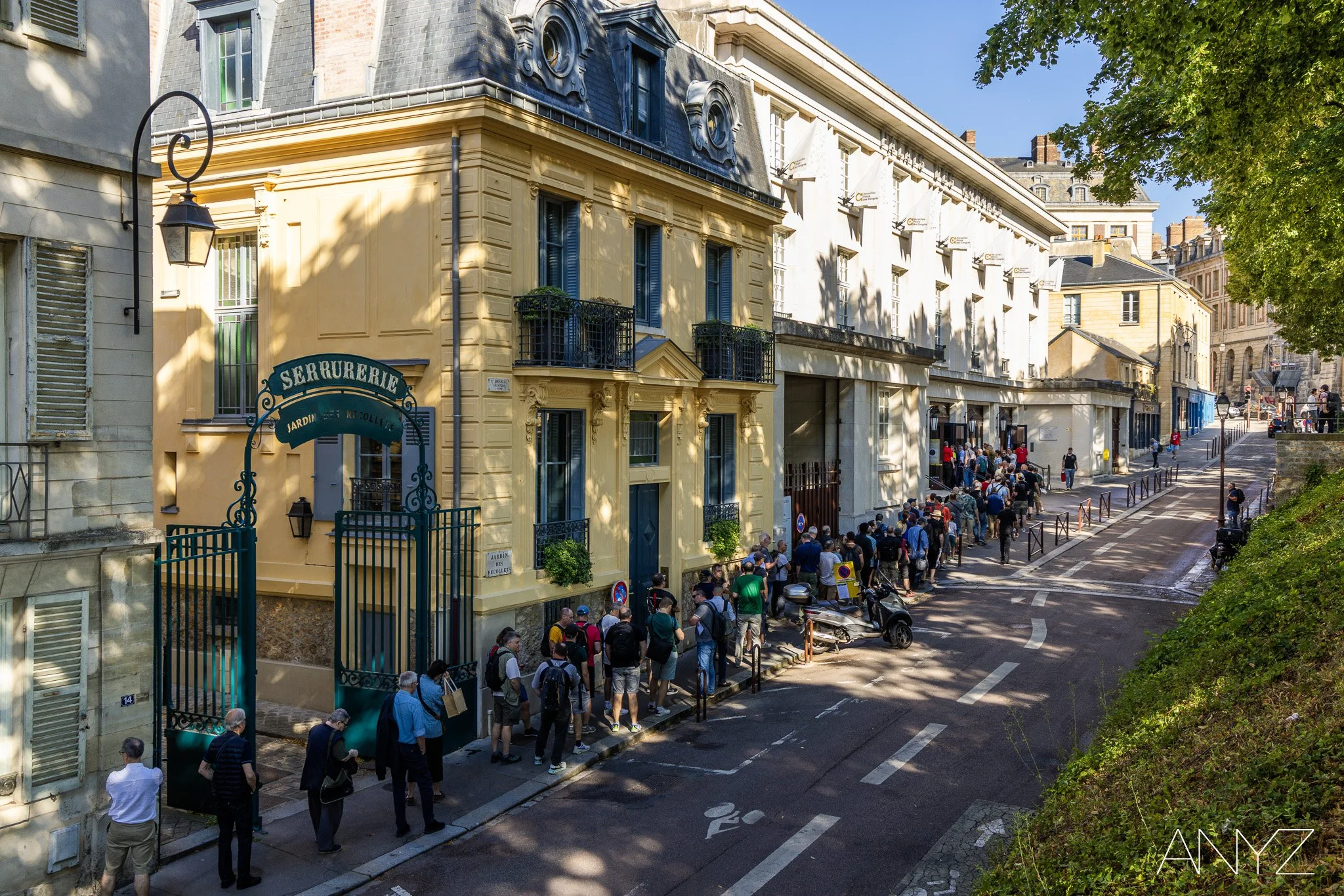
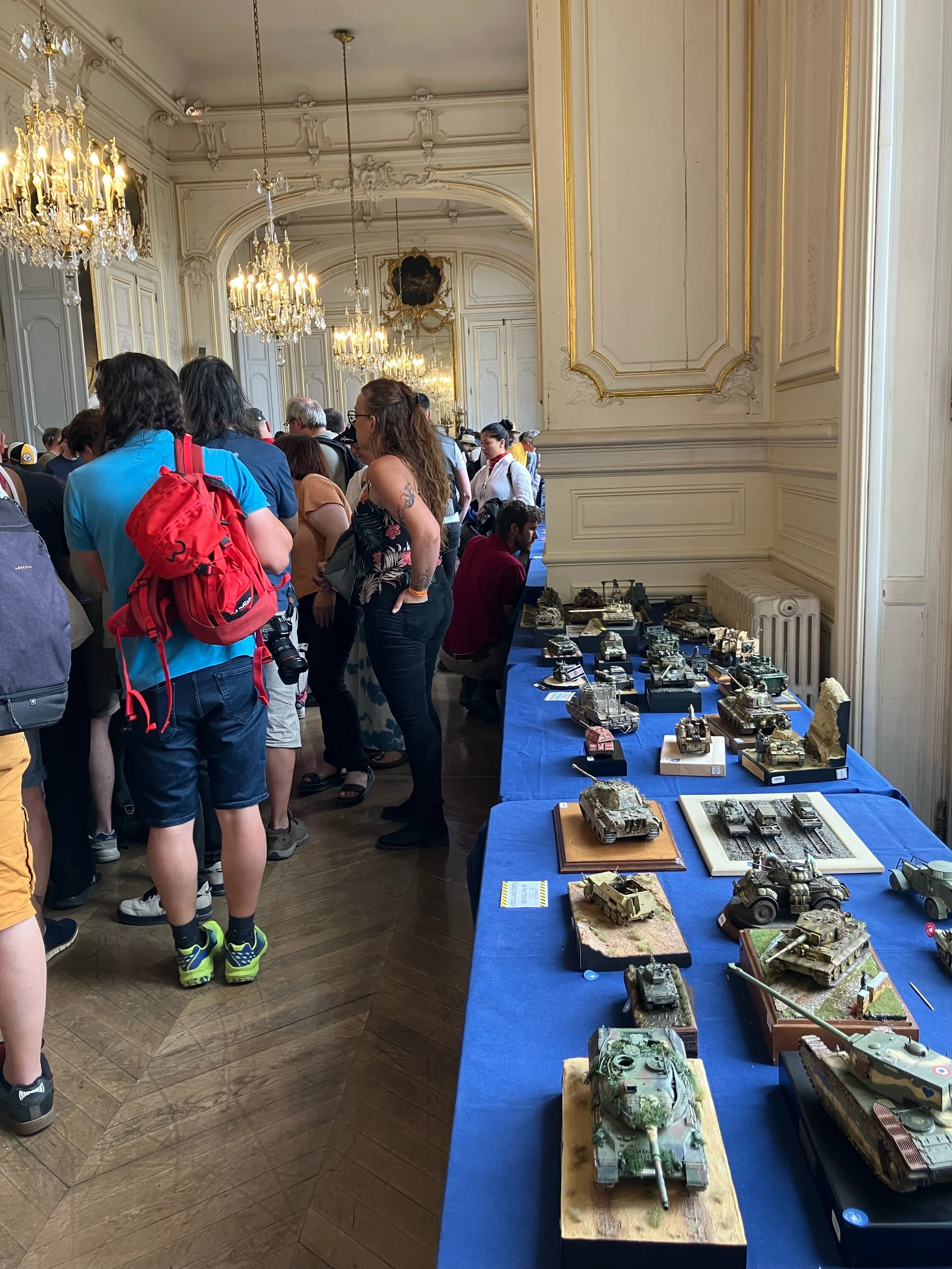
And: Some photos of drawbacks mentioned in this episode, including those long, long lines and folks crowding around the figures and sometimes ignoring the ordnance.

No doubt the majority of visitors to Expo from outside France tacked on a few days before or after for a visit to Paris, a mere 23.5 kilometers away. The Chicago and Utah contingents certainly did, and here are some photos of them in vacation/sightseeing mode. (The photo at the bottom shows MMSI diehards Tony Stencel, Bud Bowie, Pat Vess, and Joe Berton, while Dr. Joe Salkowitz joined the Berton tour of Musee de l’armee.)

Finally, as noted, BARRY HAS A NEW BOX DIORAMA! (It’s his first since 2022.) Here’s a photo of it on display snapped by Joe Berton at a point when the batteries were still alive and the lights were on. Plus: rare, rare photo of its creator and your co-host in goofy tourist mode. À la vôtre!

Episode 59: A Special, Epic Installment: Perspectives on Digital Sculpting vs. Toothpick & Putty

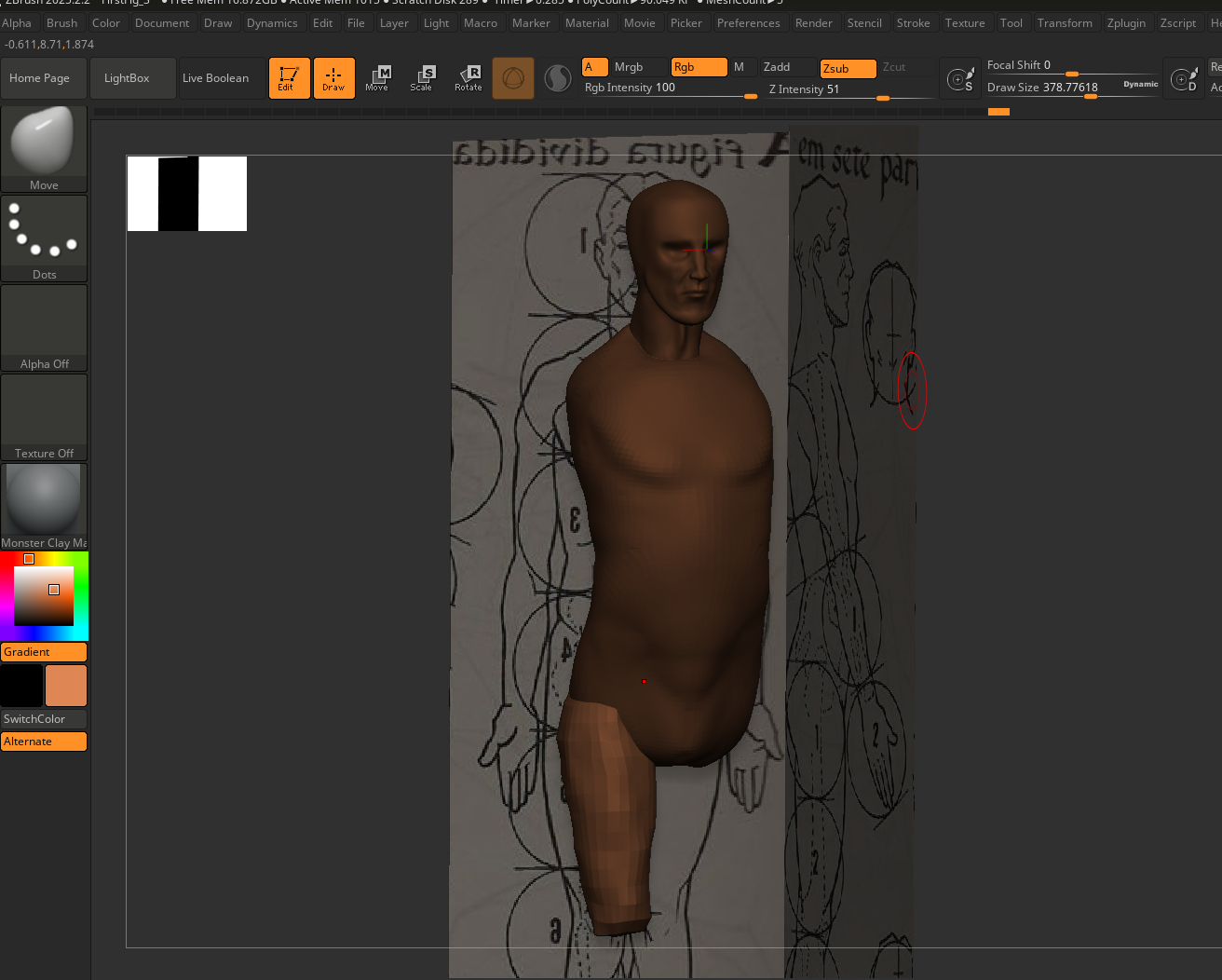
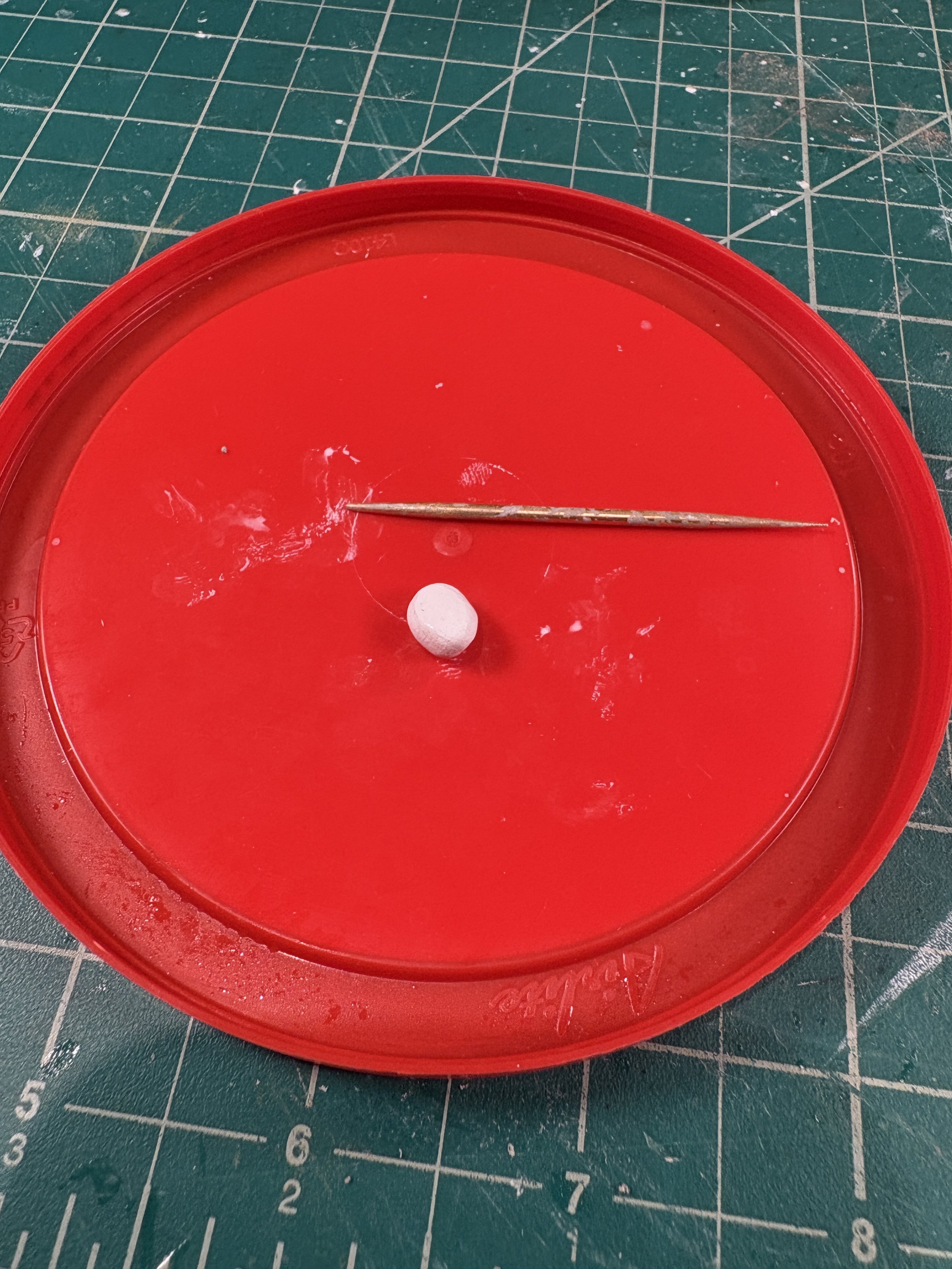
Above: A screenshot by Barry of him mucking about on Zbrush. Below: putty and toothpick on Jim’s workbench.

With our last episode recapping MFCA 2025, your hosts—with help from Lou Masses and Dennis Levy—kicked up a bit of a hornet’s nest by addressing a major recurring topic of discussion at the show and in our small section of the miniatures world in general: Should digital sculpting and 3D printing be judged differently than the “handmade/toothpick and putty” sculpts that have predominated in this odd art form of ours for the last five and a half decades?

Okay, it was mainly Jim doing the kicking. But since he was in part recounting a long and thoughtful conversation in Pennsylvania with master-sculptor Alan Ball, first featured with his master-painter wife Marion on Episode 20 of our podcast, we invited Alan to come back to have the discussion in real time—“for the record,” so to speak, and sans paraphrasing. As always, he graciously and eloquently shared his thoughts and insights as one of the deepest thinkers about this passion we share.
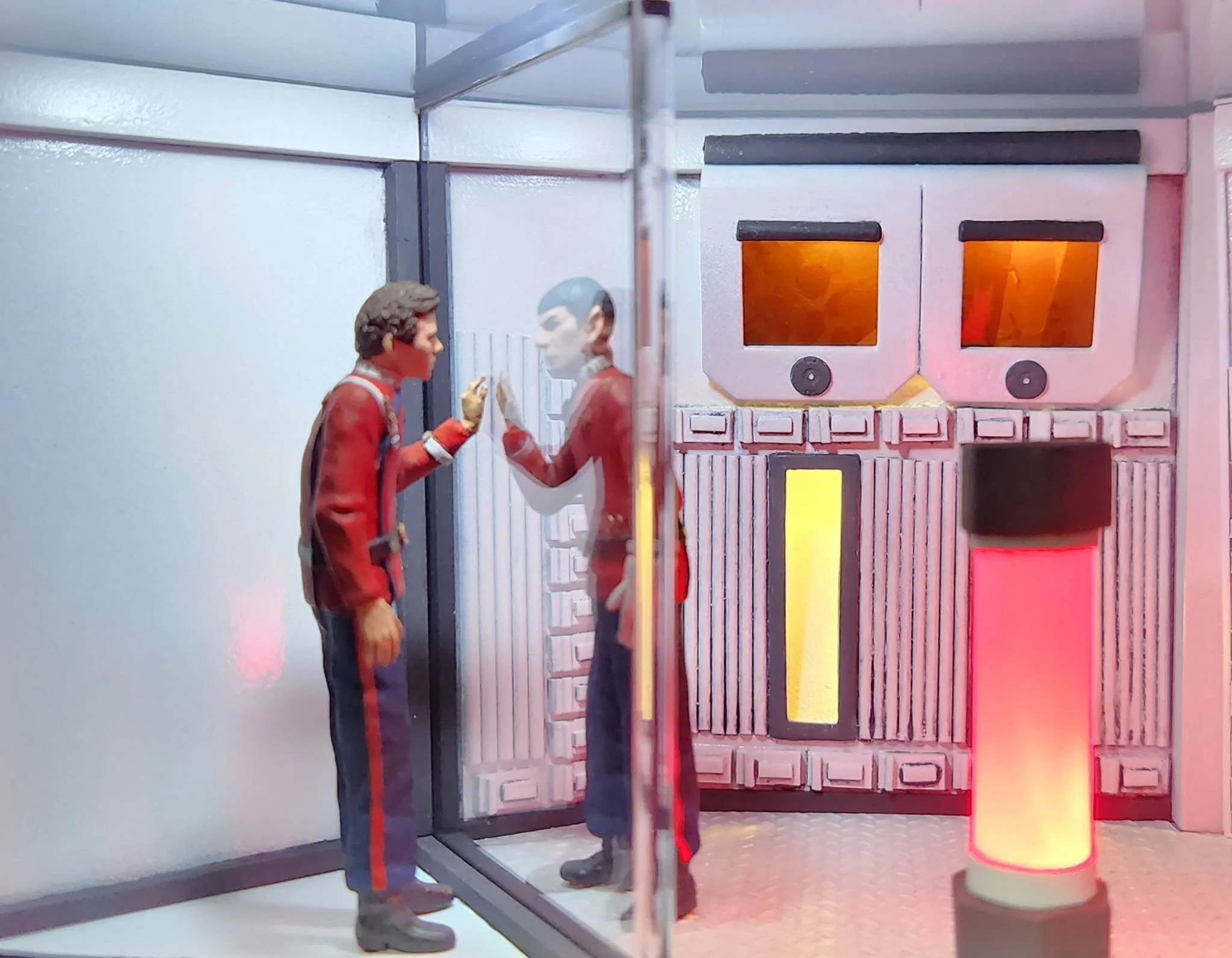
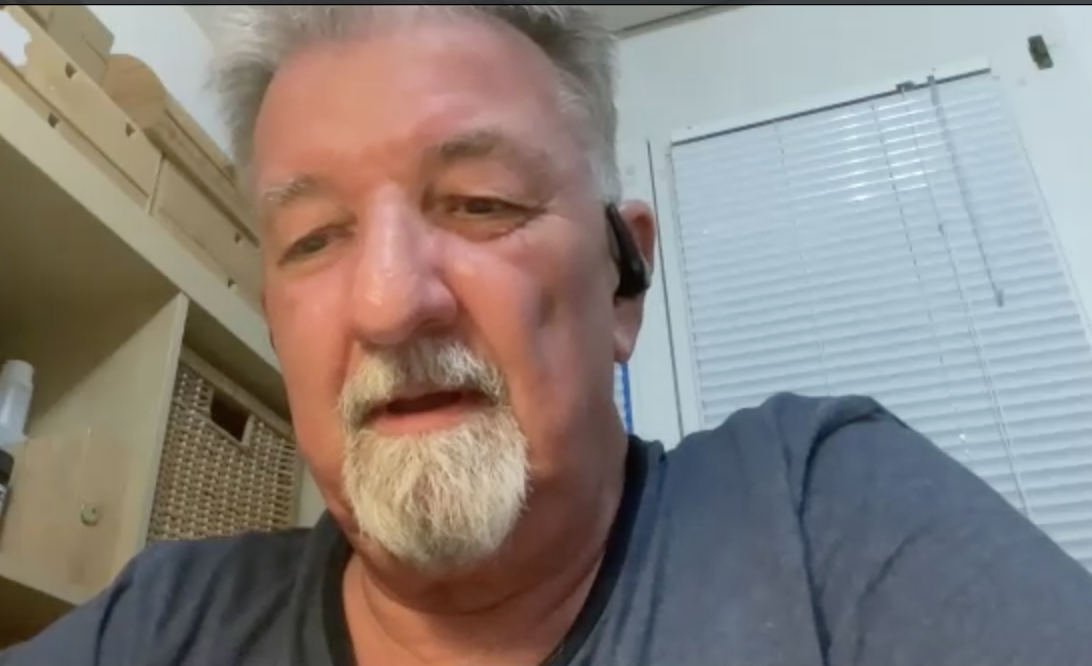
Above: Alan at home in Switzerland via Zoom. Visit his and Marion’s Web site here and see images of the work we highlighted on our blog here while talking about some of our favorites among their many excellent pieces.

Now, when anyone talks about digital sculpting in the historical as opposed to the fantasy category of miniature figures today, the name Nello Rivieccio inevitably comes up. Based near Naples, he is as much of a master on Zbrush as he was for many years with a toothpick (or similar tool) and two-part epoxy putty.

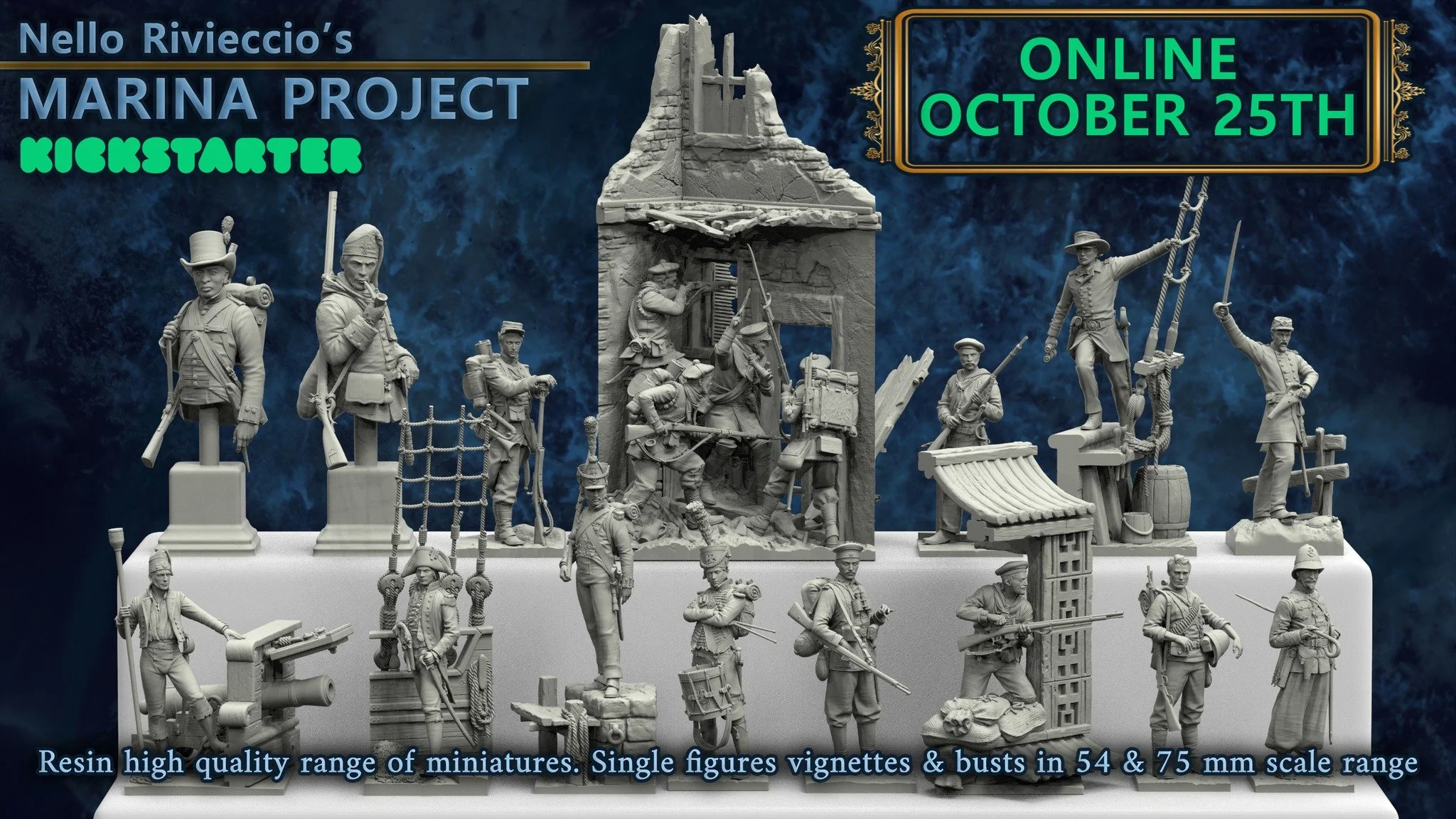
We have been wanting to interview Nello for some time, since we are major fans of his work; since he’s such a gregarious fellow, and since he’s had an absolutely fascinating life. After making a name as a master miniaturist and jazz drummer, he took a decade-long sabbatical to travel the globe as a chef cooking on luxury yachts, then returned to learn Zbrush and begin sharing his 3D prints with painters and collectors here and via the successful Kickstarter he launched for his recent Marina Project.

To be clear, we do not intend these dual chats as a Pro/Con, Point/Counterpoint pairing: Alan and Nello have as many areas of agreement with each other (and with your hosts) as they do differences. But since the conversation about the advent of digital sculpting is certain to be a major topic of conversation again at World Model Expo, we wanted to drop this epic episode with both of them at the same time, so folks can have their perspectives (and our own) in mind as they view the work on display in Versailles from July 4 to 6.

Because Barry will more than have his hands full helping with the second Rocky Mountain Hobby Expo on June 20 and 21 and finishing a new box diorama to bring to WME—while Jim will be sitting at home miserably stewing about missing both—we’ll take a break before we drop another episode, some time after those two great events, when our heads have cleared and we can do our show reports justice.

Meanwhile, we leave you, dear listener and reader, to continue pondering what digital sculpting, 3D printing, and (gulp!) Artificial Intelligence mean to miniatures and modeling. (“Big ideas” about both, is, after all, our tag line.)
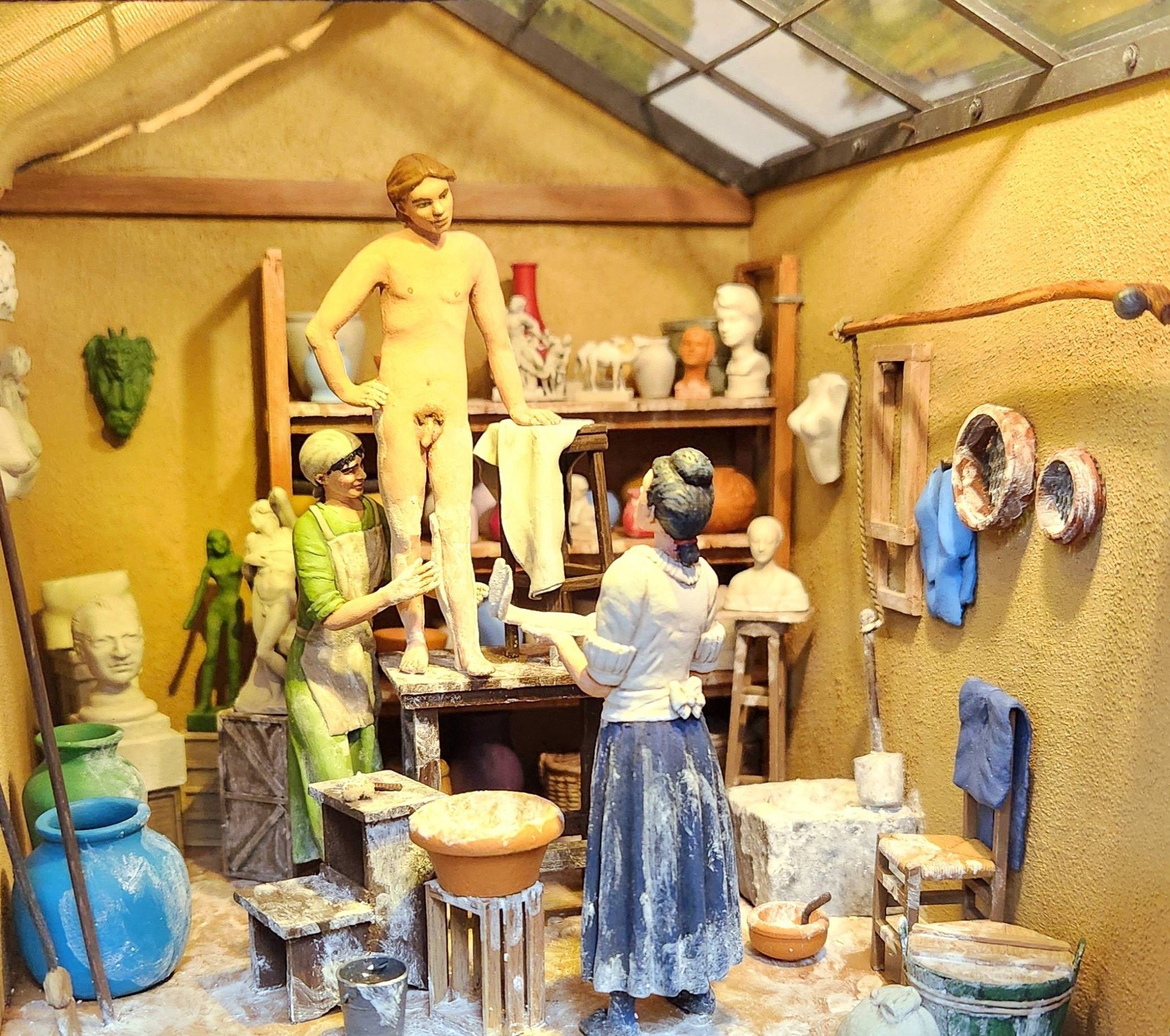
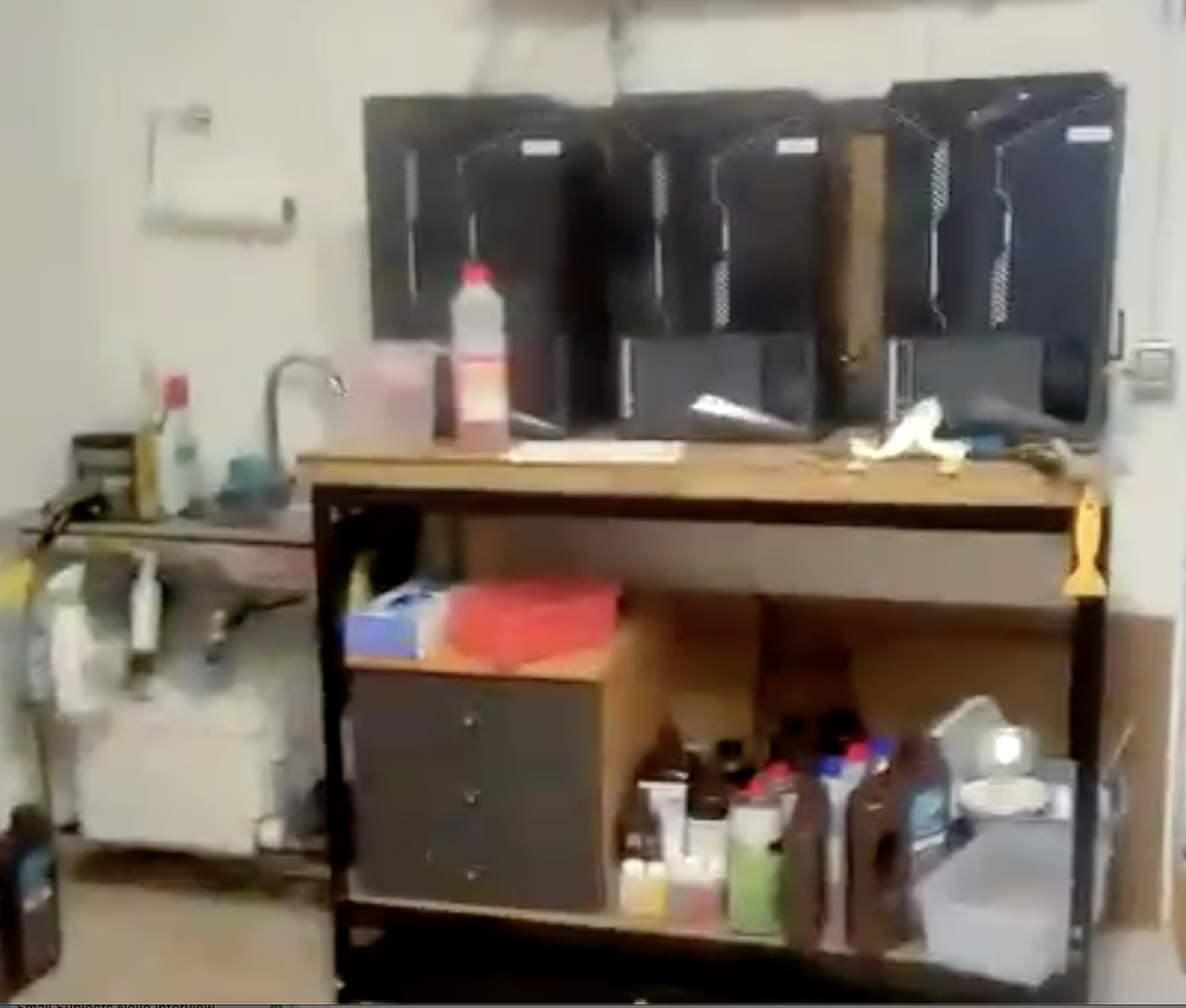
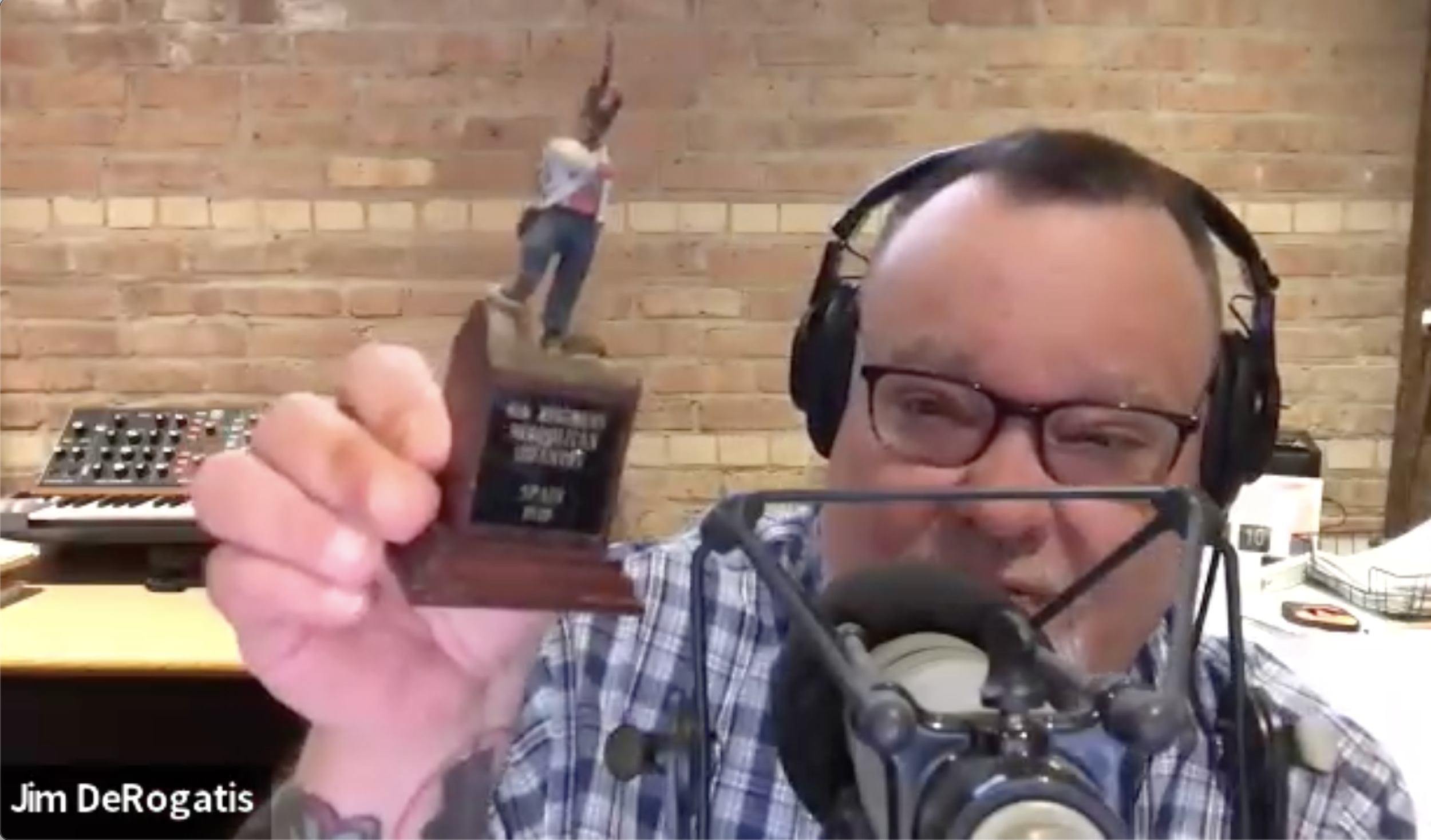
Below: Nello’s 3D printers as seen on Zoom—he refers to them during our chat as “the three bad sisters”; the toothpick-and-putty figure in Jim’s collection, which he was surprised to learn dates from Nello’s first or second year of selling his work to collectors during round one, and some examples of his recent digital work.
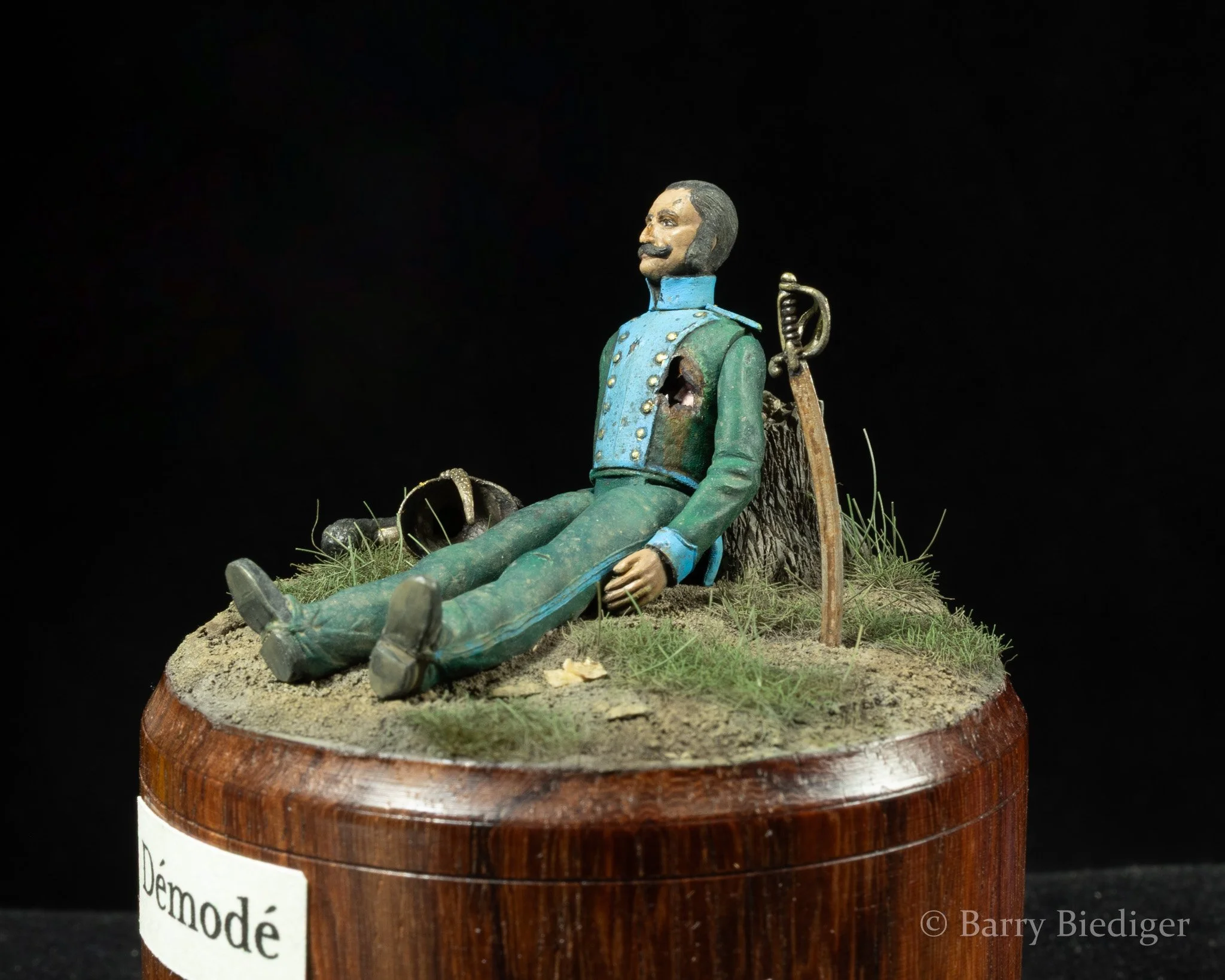
Episode 58: Talking about MFCA 2025 with Dennis Levy and Lou Masses

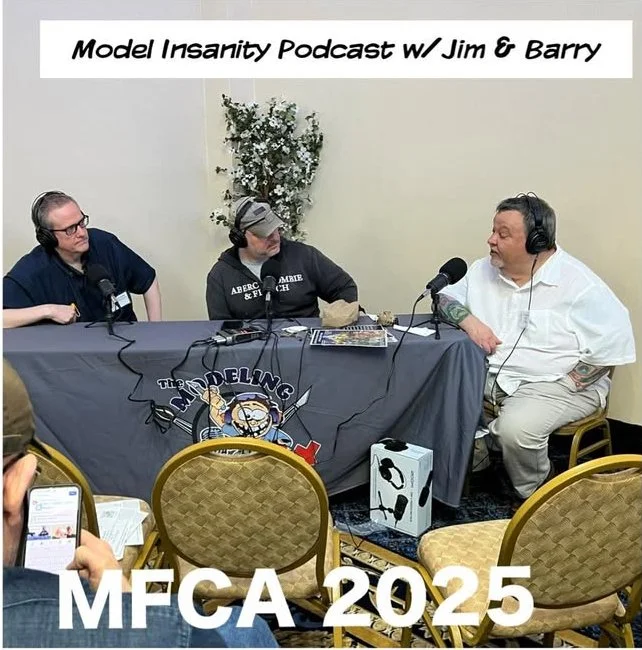
Above: Barry (at left) and Jim (at right) interviewed by Modeling Insanity podcast host Rob Riviezzo. (Note the sandwich left behind by Rob’s co-host Justin Ryan, which fueled some of their discussion.) Below: Dennis Levy at the MFCA podium and Lou Masses in a very cool hat.

The Miniature Figure Collectors of America’s 82nd show took place on May 9 and 10 in Trevose, PA, just outside Philadelphia. On Saturday night, Lou Masses and Dennis Levy—both in a rather, um, well-lubricated mood—told Barry they’d love to bum-rush our podcast. They didn’t have to twist our arms—your hosts are always game for a good chat with friends who are equally devoted to this little hobby/art form of ours—and this episode is devoted to that talk.

Along with a lot of good-natured joking, everyone relays their highlights from the show and its many outstanding displays. Since Dennis is MFCA’s Head Judge—the guy who runs around with the oil can and hammer to make sure everything is humming along, as Shep Paine used to say—and Jim fills the same role for the MMSI’s Chicago Show (which is coming up on Oct. 17 and 18), the topic of judging under the Open System inevitably arises. But so does a much newer subject that found many modelers deep in debate throughout the weekend: Digital sculpting and 3D printing, and their place among “traditional” figures converted from existing sculpts or built up with two-part epoxy putty and a toothpick over a wire mannequin. And this is something that’s sure to come up on future episodes as well.

Meanwhile, here are some images of pieces mentioned in the show; photos by Lou Masses, Joe Berton, Matt Flegal, and Jim.

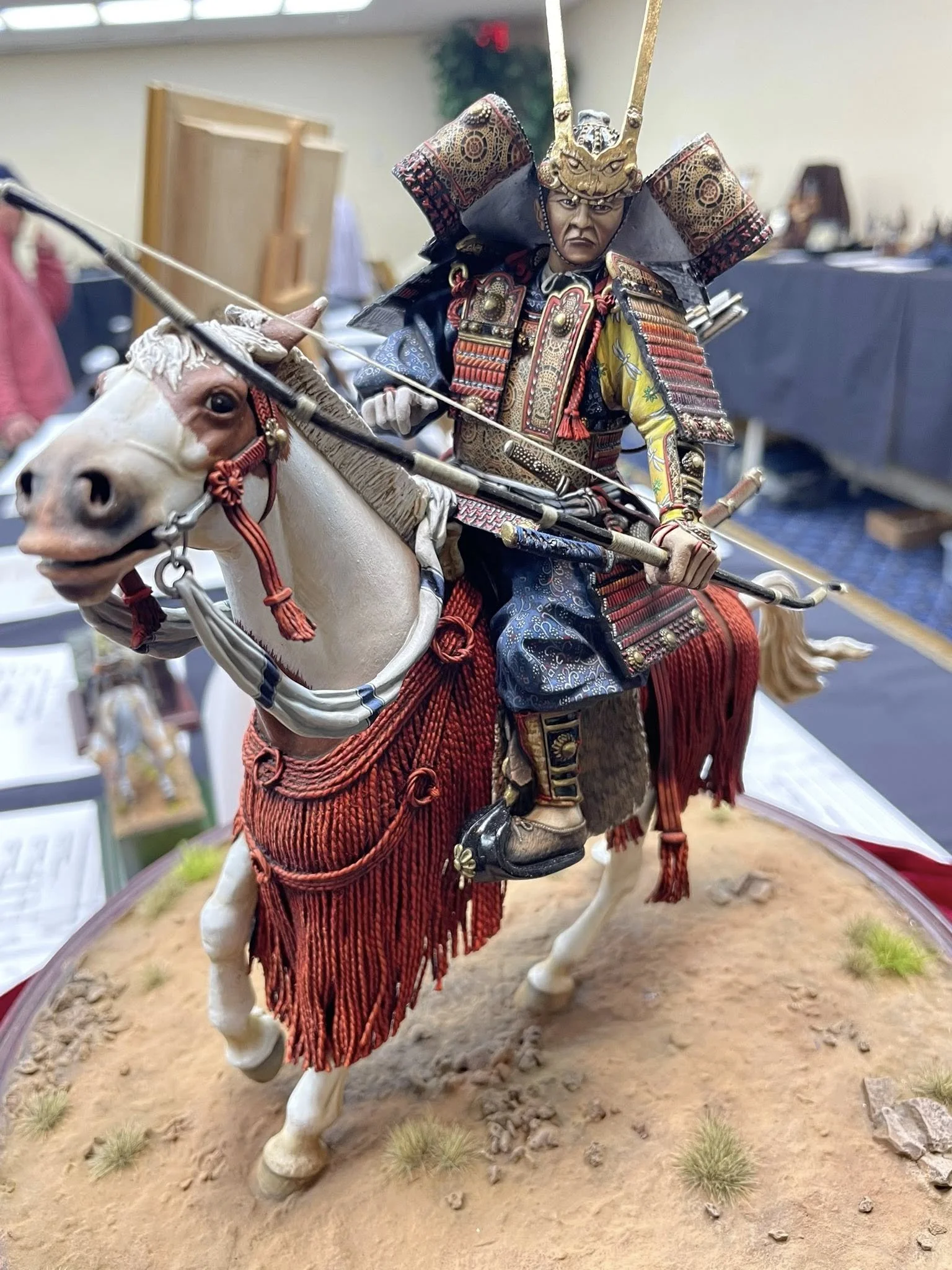
Above, from the top: Lou’s mounted Samurai warrior, one of two box dioramas Jim displayed, and a bust by Barry. Below: Some of the stunning work of David Lane.

For the third year in a row, Eric Swinson’s work wowed many viewers, and he was named the MFCA’s latest Grand Master. Above: Barry and Jim with Eric at center in the Hospitality Suite; below: some of Eric’s work on display. (You can find our chat with Eric on Episode 45.)

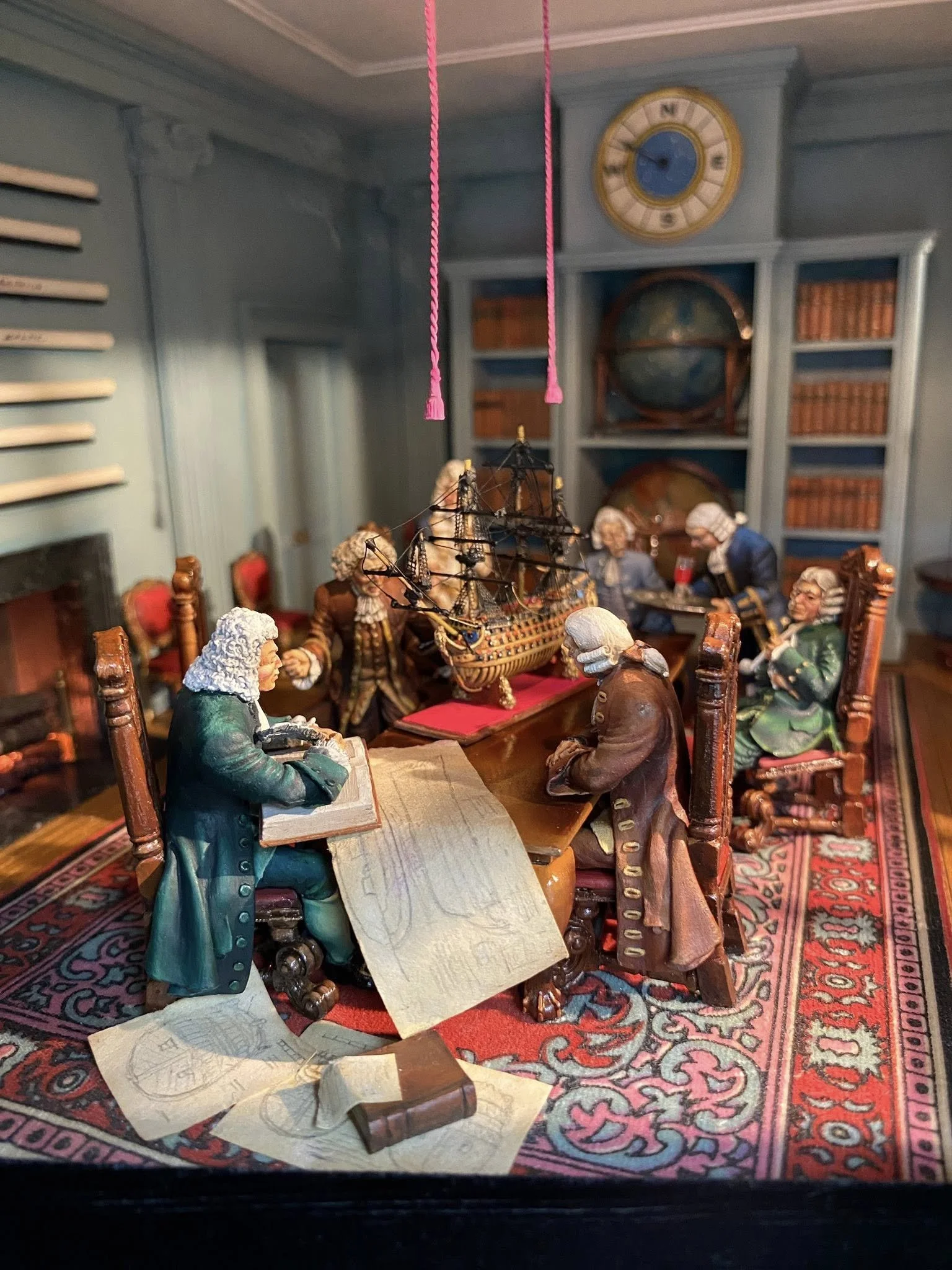
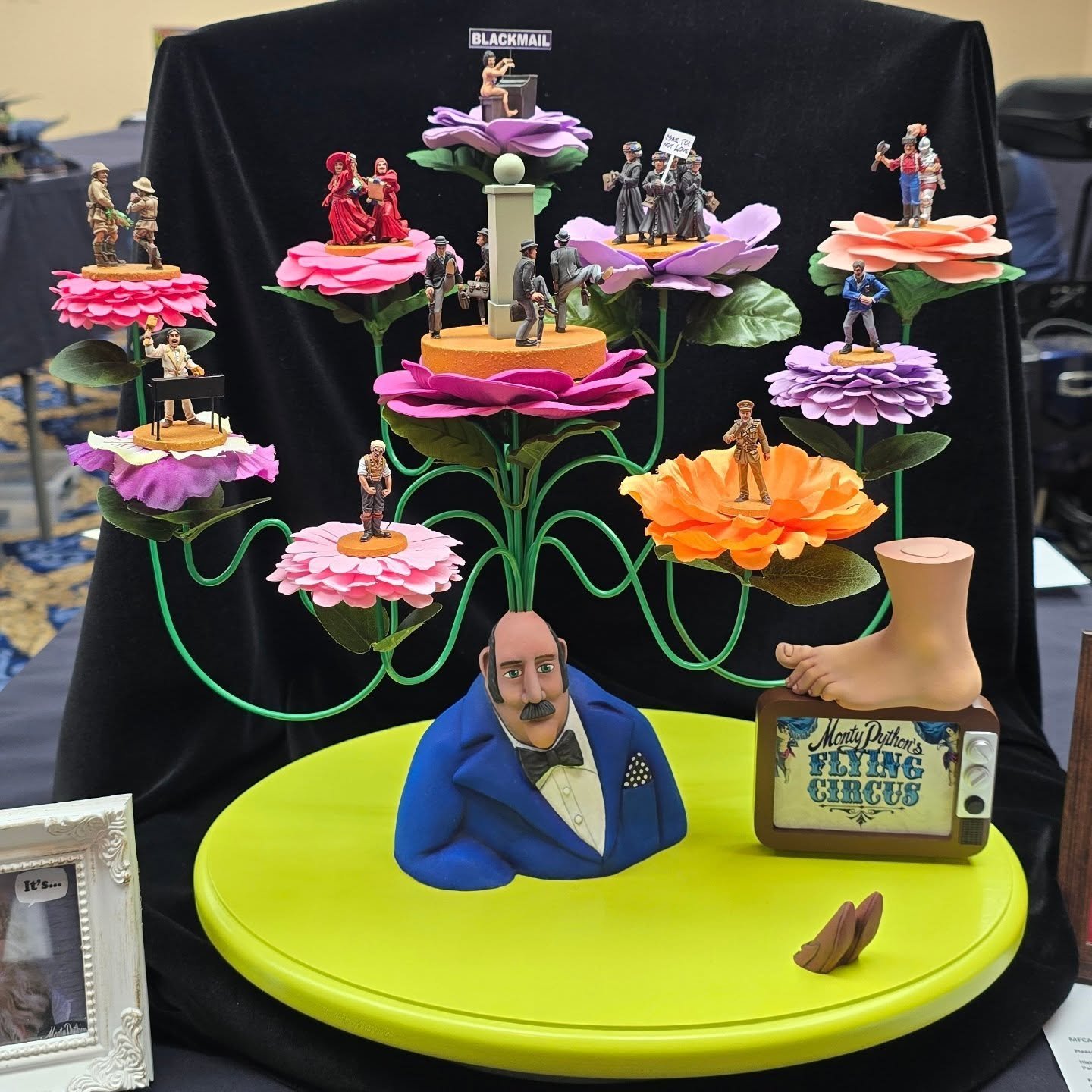
Below, from the top: Box dioramas by Pete Culos, Bob Hallinger, and Shep Paine (“The Admiralty Board” from 1979); Bill Horan’s classic Gandamak diorama, which occupies a much more compact footprint than you’d think; a fun tribute to Monty Python by Jack Lynch, and Pat Brown’s figure, which won a silver medal after Jim and Barry convinced him to give it a try and enter it.

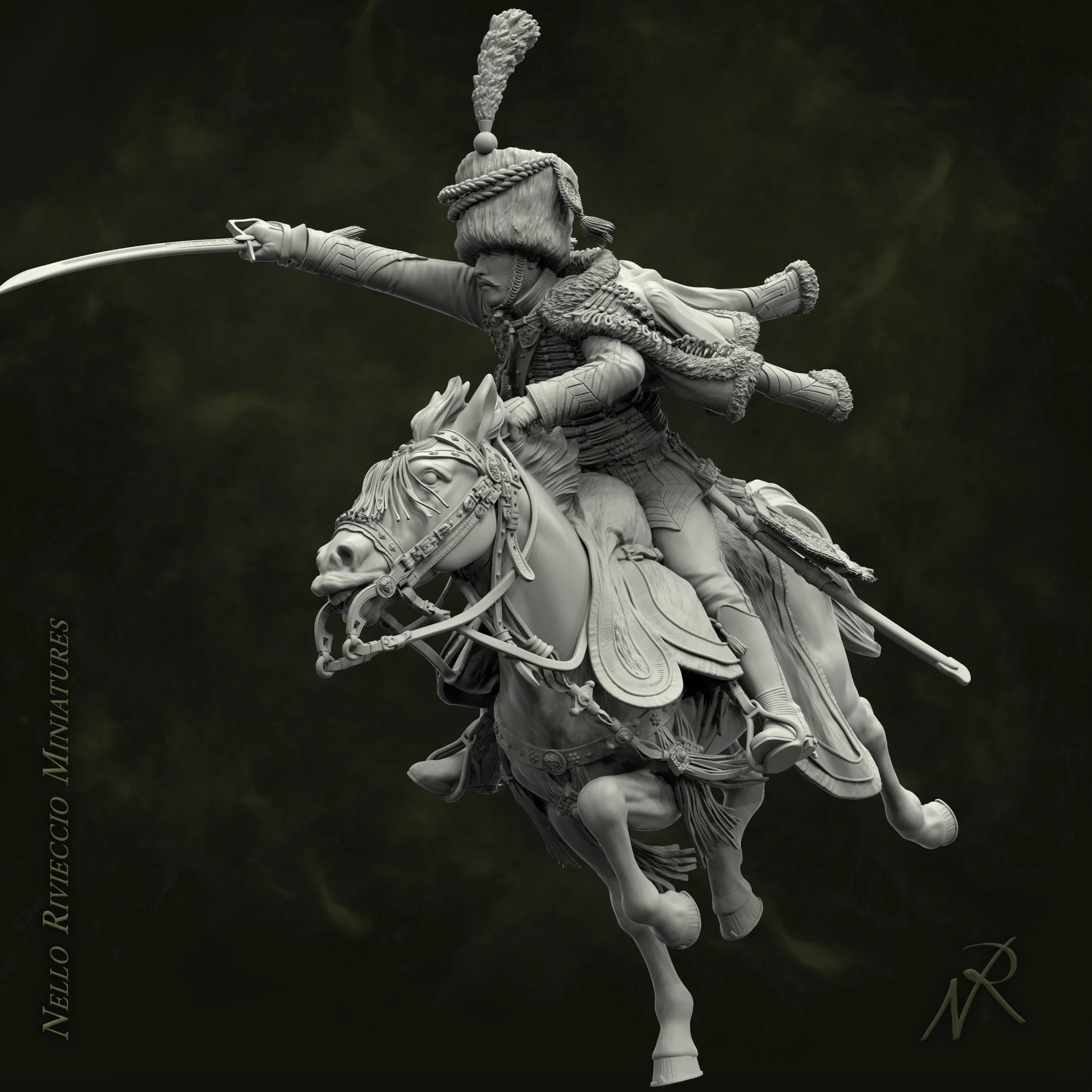
Finally, an example of a recent digital sculpt and 3D print by the Italian artist Nello Rivieccio, whose work in this medium is stunning—but then so were his efforts with toothpick and putty. The next big debate in miniatures: Is using the computer “cheating,” or is it just another tool for the artist to realize their vision? Stay tuned (and check out more of Nello’s recent work here).

Episode 57: Why do we abandon some projects? And: Considering the effects of tariffs on the hobby

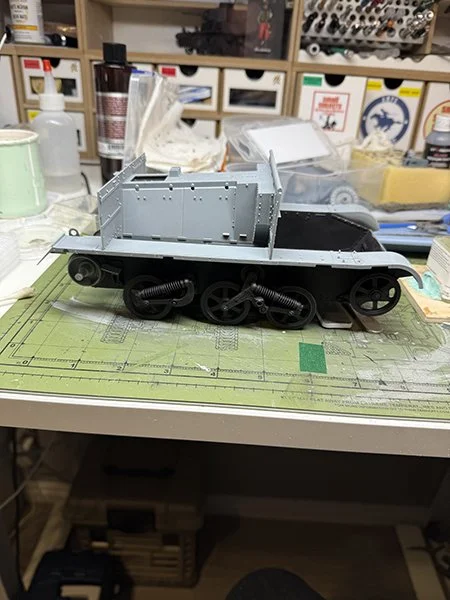
In this episode, your hosts mull over why some modelers (like Jim) rarely abandon a project, seeing even the dogs through to completion, while others (like Barry) regularly start one and then set it aside. This is a topic they’ve been kicking back and forth since the infamous (to them, at least) Universal Carrier buddy build chronicled in Episode 54.

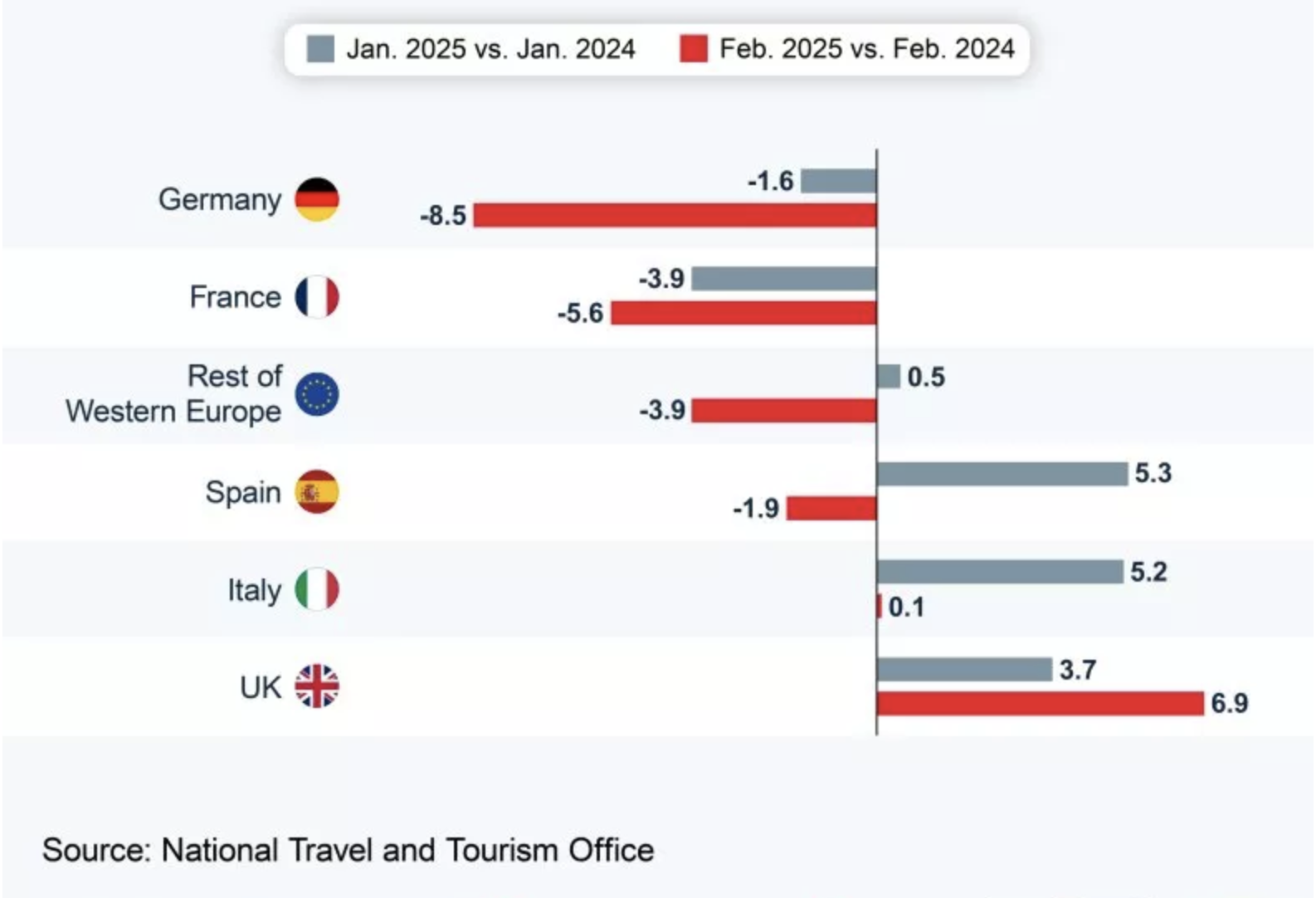
And, at the risk of abandoning the policy above, which is generally a very good one these days, the boys felt compelled to consider how the current moment is impacting the hobby. Our retailer sources say tariffs are already having a serious negative impact on their businesses. For other reasons, fewer Canadian and European modelers are planning to come to the upcoming U.S. modeling shows (including MFCA, May 9-10; Rocky Mountain Hobby Expo, June 20-21, and MMSI, Oct. 17-18). And job uncertainties and the state of the things in general have prompted your hosts to cancel the trip they’d been planning to World Expo in Versailles (July 4 to 6). For context:

The New York Times weighs in (gift link), April 26, 2025.

Decrease in foreign travel to the U.S. (via Newsweek, March 28, 2025).

Ugh. Good thing we have the hobby to distract or console us—even if we don’t always finish whatever is on our workbenches.

Episode 56: What do we do with all of this STUFF?

Death comes to us all, as the saying goes, and while your hosts aren’t feeling particularly morbid at the moment, we certainly look around from time to time at all of the tools and paints and supplies on our workbenches; the closets and shelves full of un-built kits; the stacks (and stacks and stacks) of books; our displays of the figures, vignettes, and dioramas we’ve built and collected from friends and artists we admire, and the odd piece of militaria we’ve acquired and think, “Who’s going to take care of all of this STUFF when we’re gone?”

And we bet you’ve asked this question, too.

As a maker and as a collector, our pal and repeat Small Subjects guest Joe Berton certainly has. What’s more, he has helped clear out the collections of quite a few of those we’ve lost who shared our passions—including some pretty epic ones. In this episode, we asked him to help us think about preparing for the inevitable, in part because we don’t know anyone who’s more expert in this regard, but also because, Joe being Joe, he brings plenty of laughs and quite a few memorable anecdotes to what could have been a somewhat dark discussion (but isn’t, we promise!).

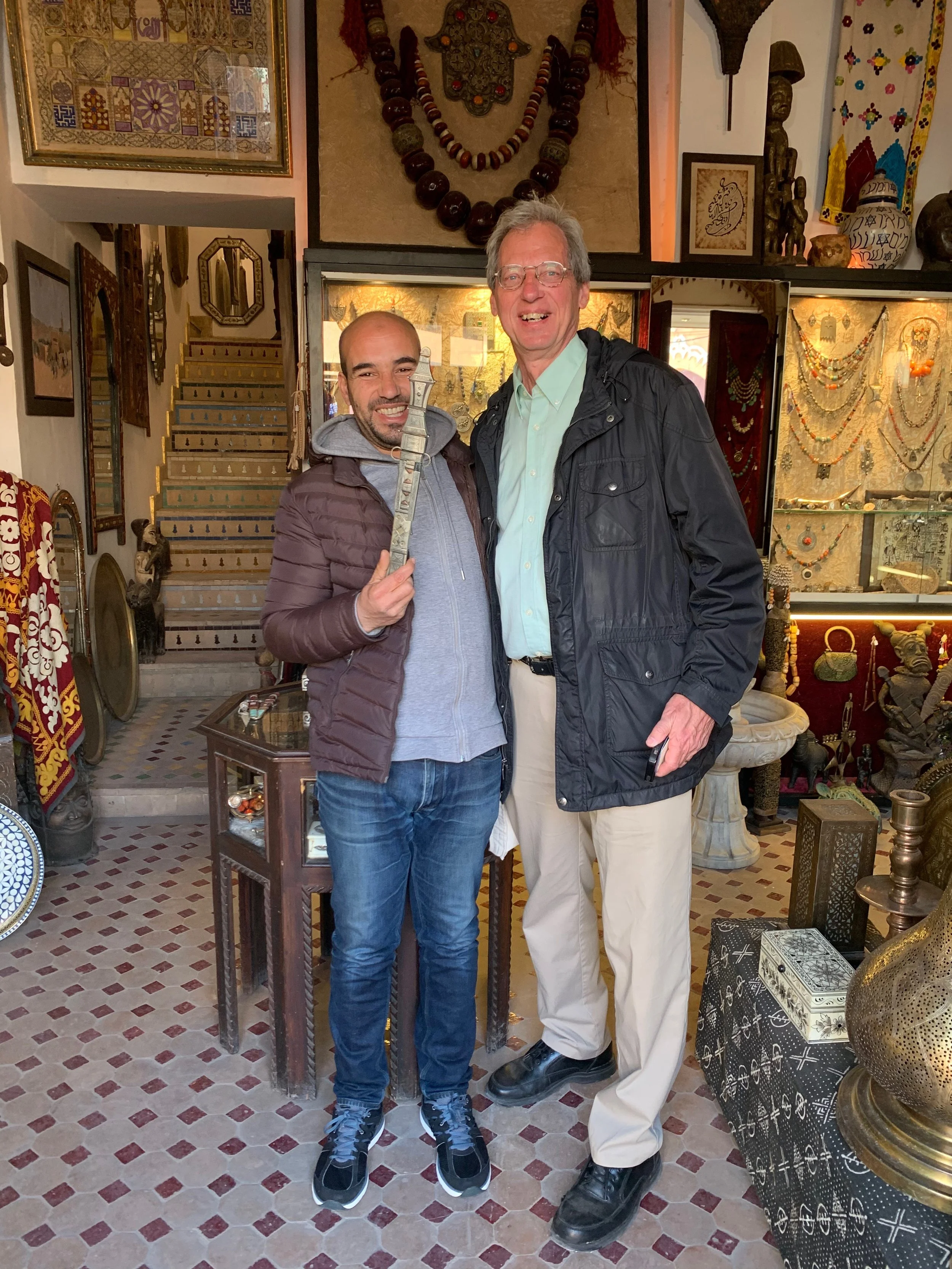
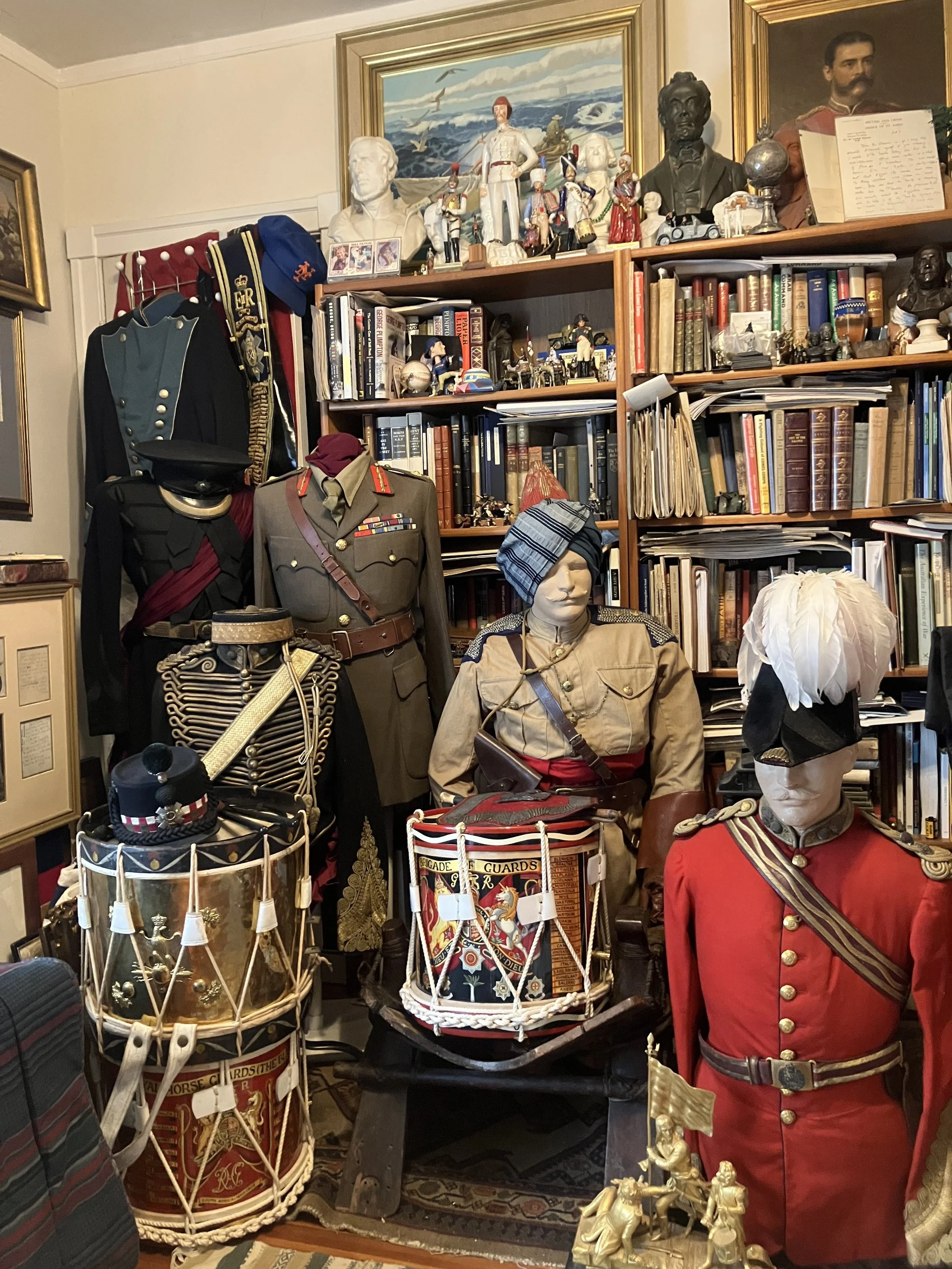
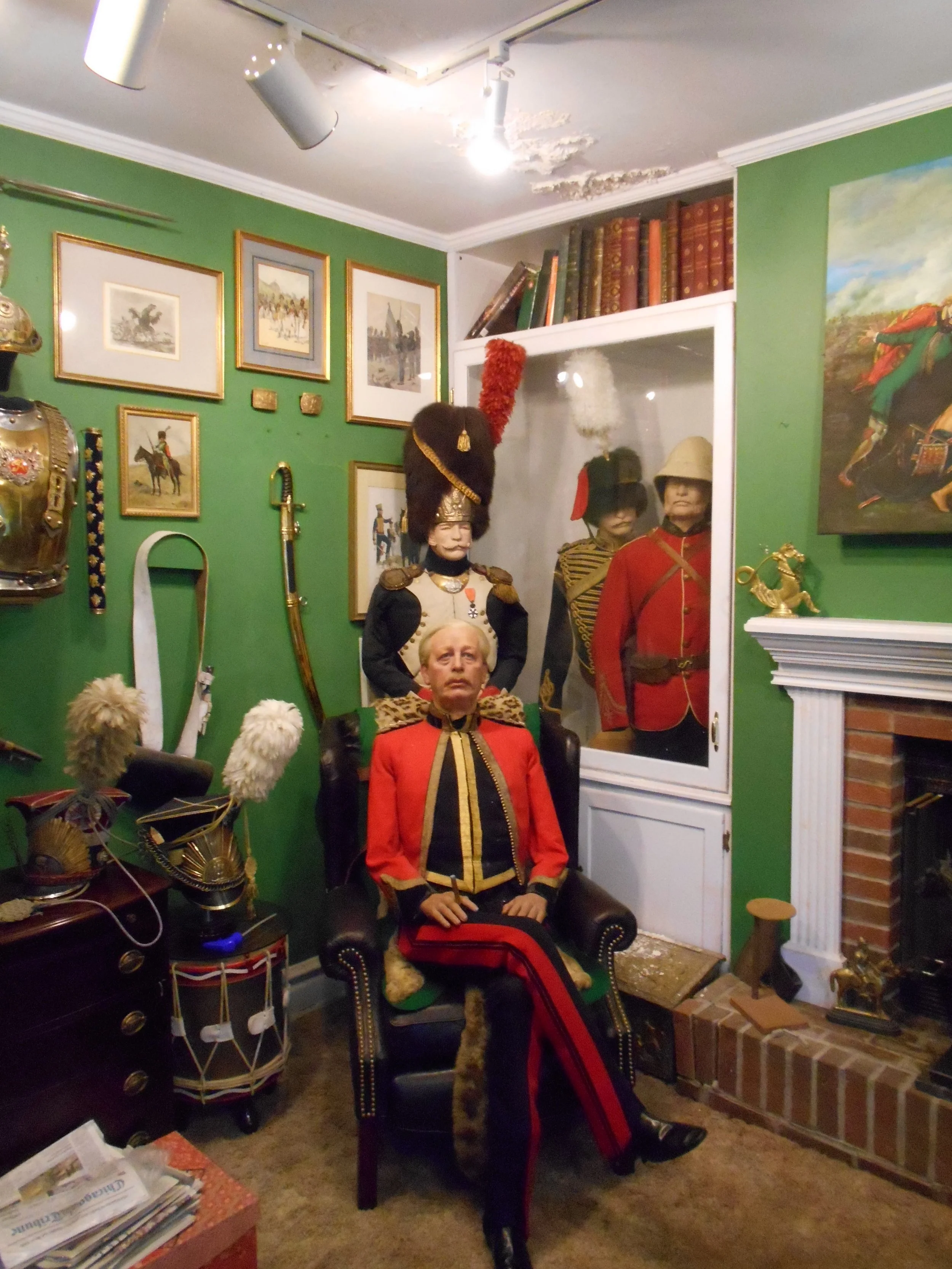
Above: Joe adding to his collection in Marrakech, 2020. Below: A small (small, small) part of his collection at left, and a tiny (tiny, tiny) part of Shep Paine’s collection at right, including the Grenadier Guard uniform mentioned in this episode.

To wrap things up, although the day jobs have been a bear for both of us lately, we have been spending time at our workbenches in Utah and Chicago getting something done. Below: Barry’s review build of the new 1/35 French H39 kit (provided courtesy of Scott Gentry of the Plastic Posse Podcast and Tamiya USA).

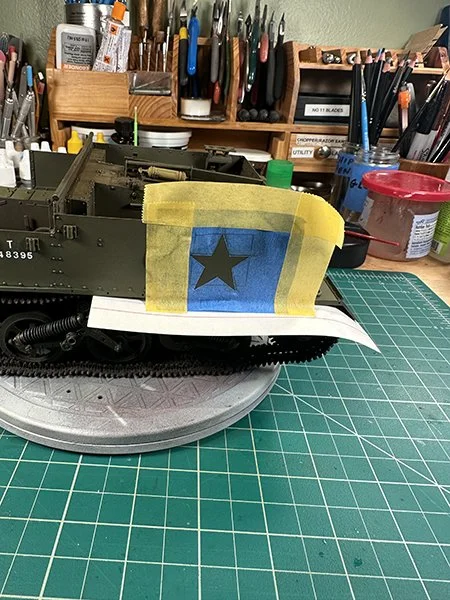
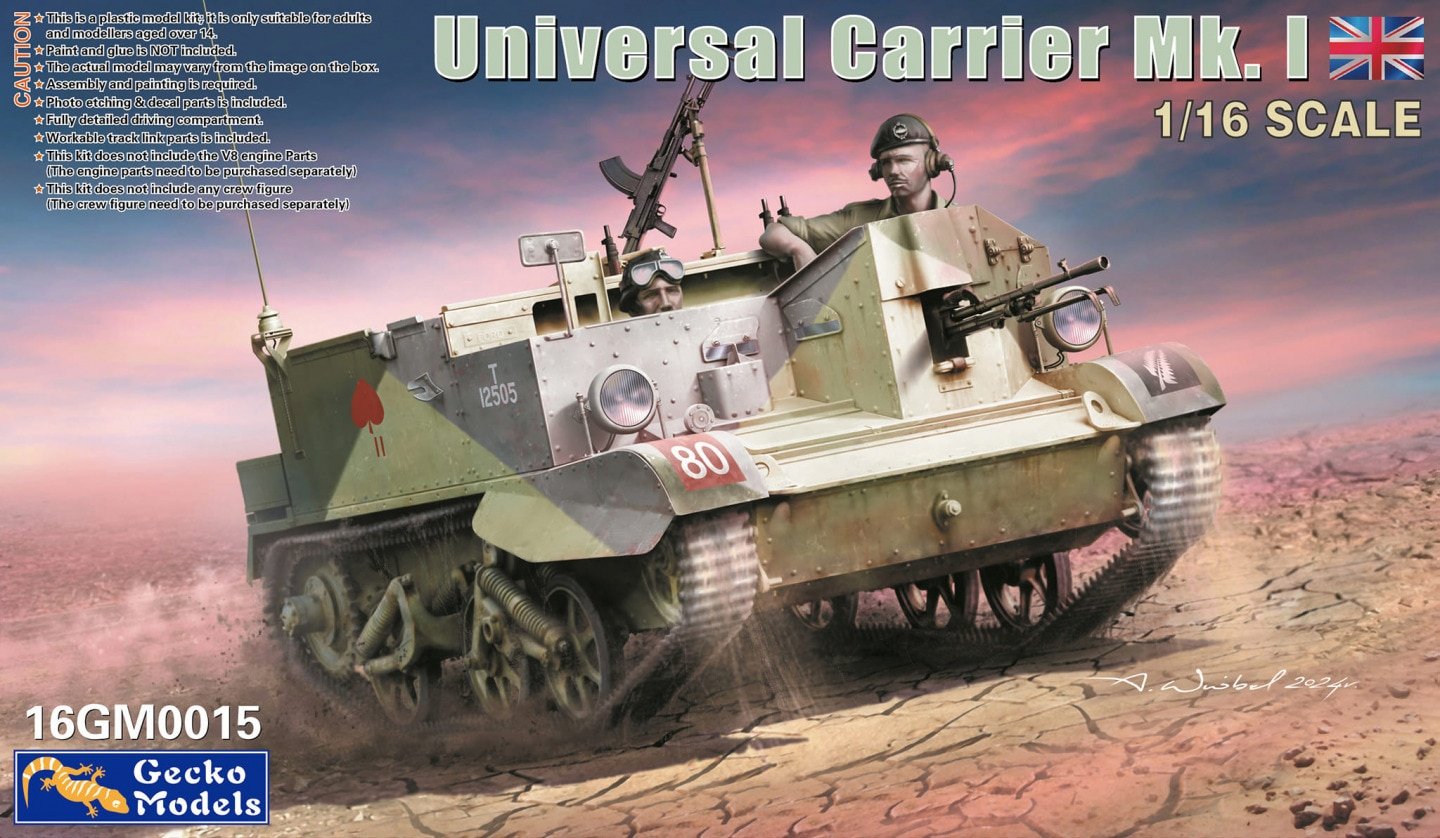
And here’s Jim’s finished diorama of the troublesome 1/16th-scale Gecko Models Universal Carrier (say what you will, at least he finished it).

Episode 55: Artificial Intelligence and Modeling: A Talk with Jake McKee

Your hosts have been wrestling for some time about how to approach the topic of Artificial Intelligence and its possible impacts on our hobby. As Barry says, there’s no stopping the progress of the technology, and Jim adds that it’s as likely to lead to great things (helping scientists cure cancer, say, or slow the warming of our planet) as disturbing ones (putting teachers out of a job, or journalists, or, as touched on some with Joan Biediger in Episode 47, artists).

Jake McKee came to our rescue with an email outlining his thoughts on A.I. that prompted us to invite him on the show for a wide-ranging conversation that begins to grapple with these issues. Based in the tech hub of Austin, Texas, Jake is a consultant in the digital realm, a photographer, a devoted modeler, and a blogger (with both a tech blog and a modeling blog). In the past, he’s done digital marketing for Lego, and he’s also worked at Apple. He’s been thinking about A.I. a lot, and he certainly helped us formulate our thoughts, and consider the possibilities.

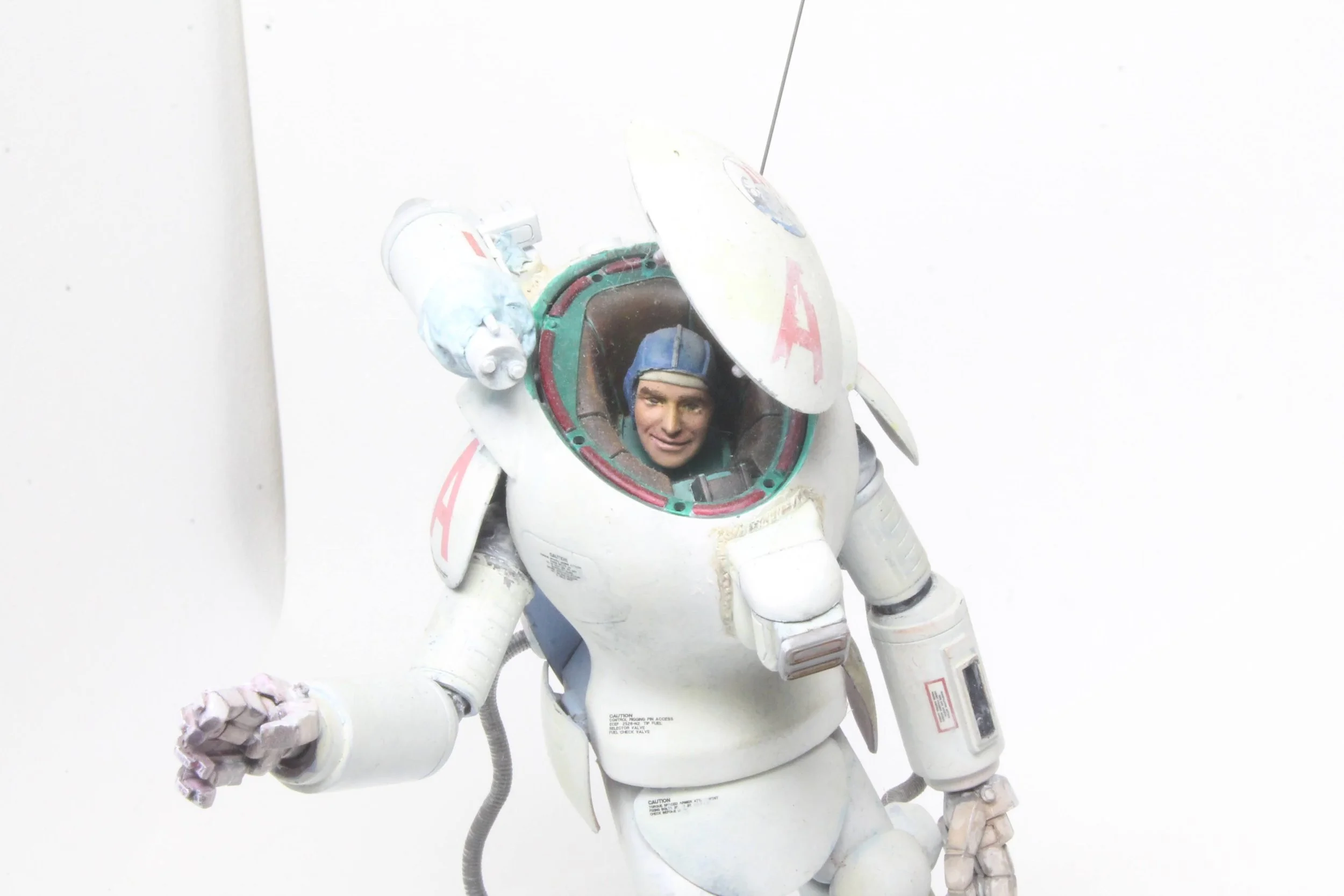
Below: An A.I.-animated Airfix carabinier recently posted on the Napoleonic War Scale Models and Dioramas Facebook group, which is mentioned in our chat, and some examples of Jake’s imaginative modeling.
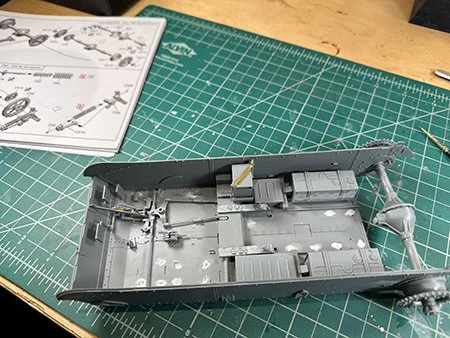
Episode 54: Barry & Jim's Adventures (and Frustrations) with the 1/16th Universal Carrier Kit

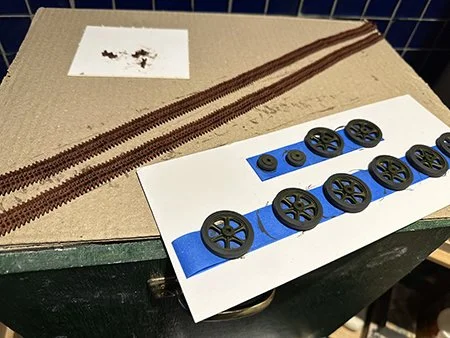
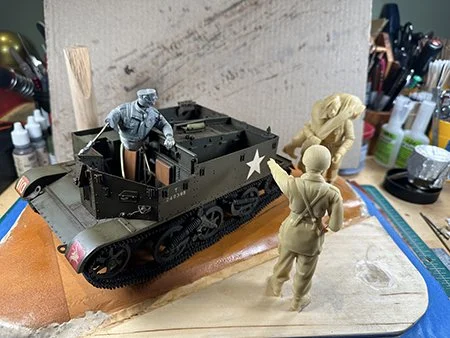
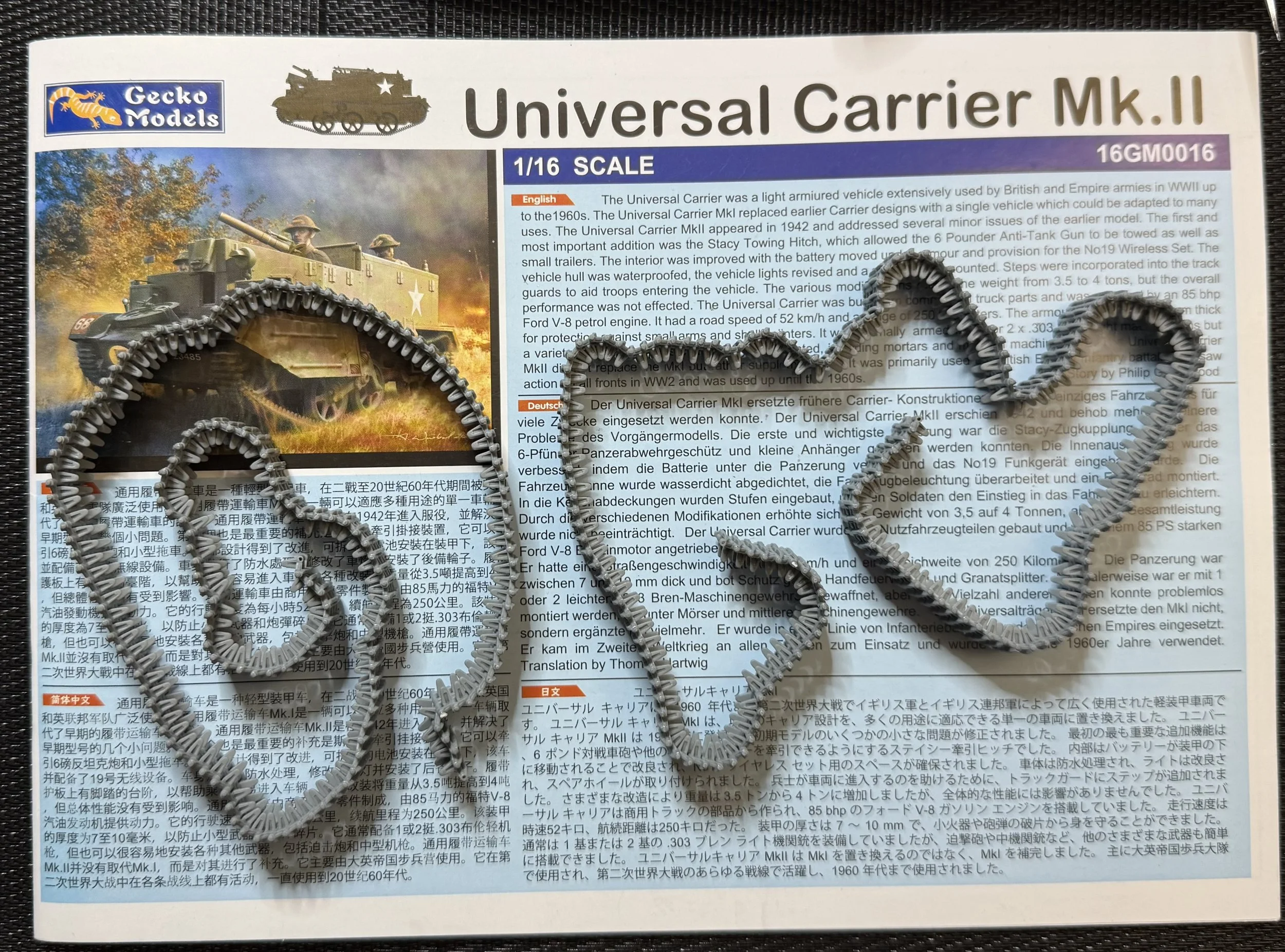
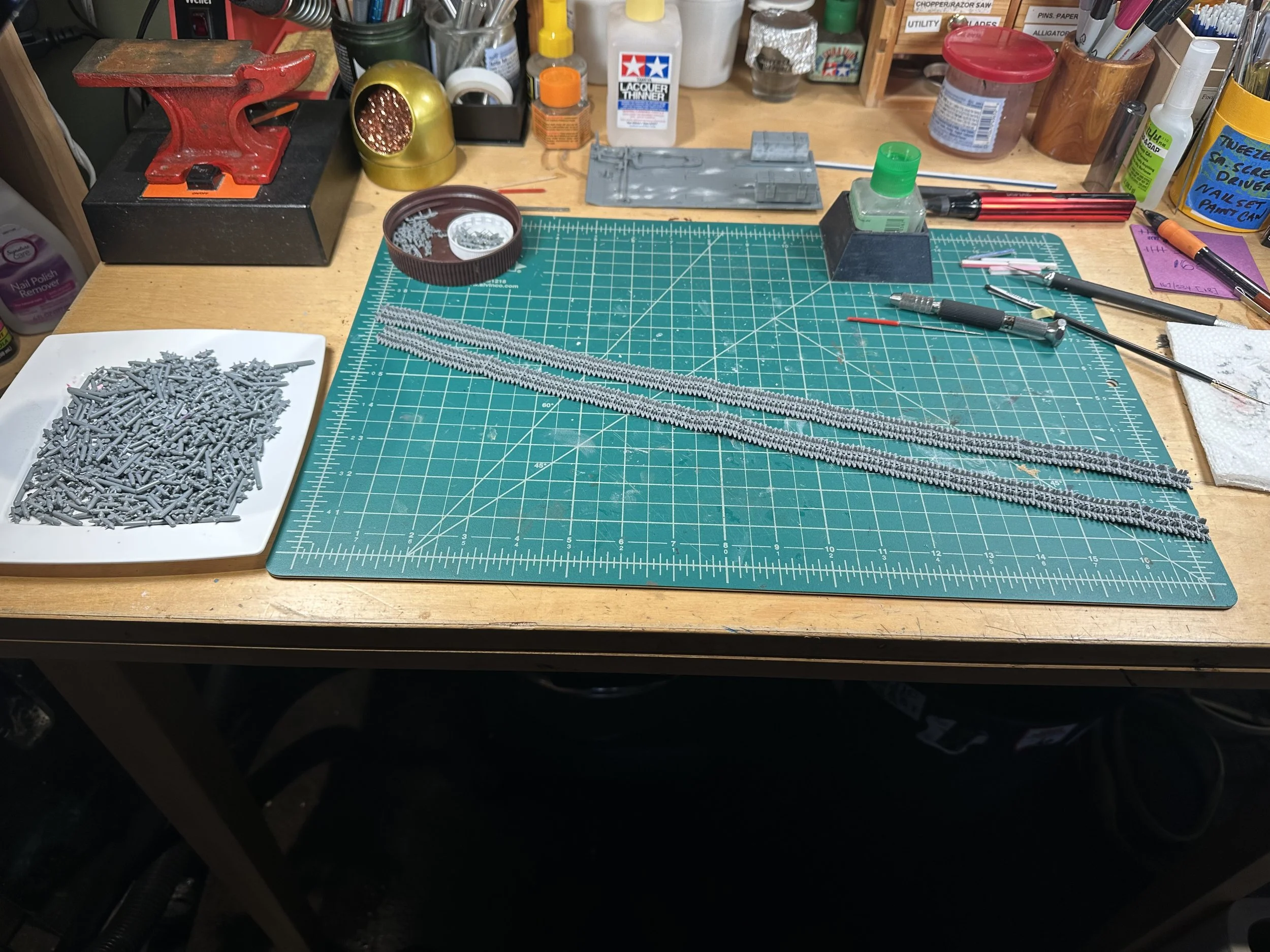
In Episode 52, when Jim expressed interest in the new 1/16th-scale Gecko Models Universal Carrier kit, Barry suggested a “buddy build,” with each of them tackling the beast—something he now regrets. (That started with cleaning up two lengths of track, each with 165 to 167 links, and connecting them with some 668 tiny pins, crazy-making work they discussed at the end of Episode 53, after Jim chatted with Francois Verlinden.)

This episode is devoted to their ongoing frustrations with the build (and, for Jim, some fun, too). Although Barry initially suggested the idea, he later worried that no one would be interested in talk about a kit few if any of the listeners might build. But Jim thought it wound up being about more than the build, focusing on how your hosts each approach modeling and the inherent and inevitable problem-solving.
Or, as the pod’s most dedicated listener and volunteer Quality Control Editor Joan Biediger said, “I loved the episode—the back and forth about what works and what doesn’t. Also you each have different approaches to certain things. I have no interest in that particular kit, but I found the episode quite enjoyable anyway. I think because it was about solving problems, talking about things that go wrong and how to deal with it makes it interesting at least to me.  It’s pretty good when you can hold the audience on a kit that said audience isn’t really interested in, lol.”

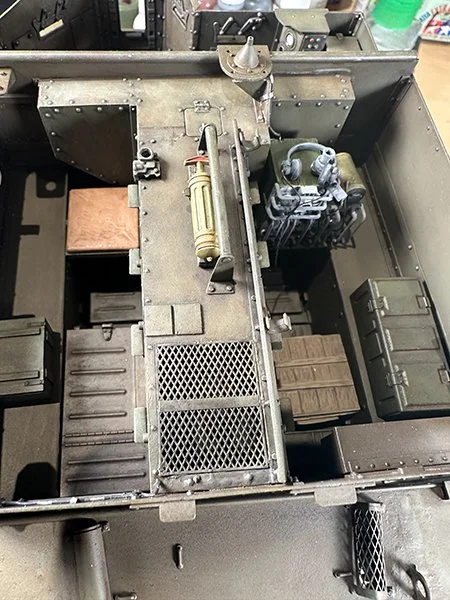
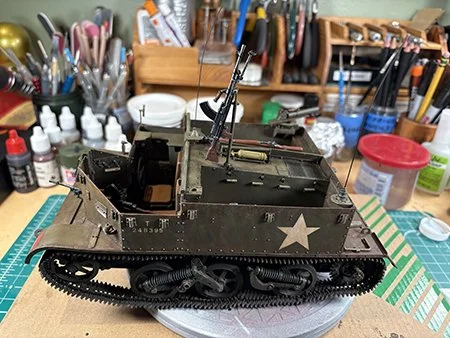
So, here you have it. Below are pictures of Barry’s progress.

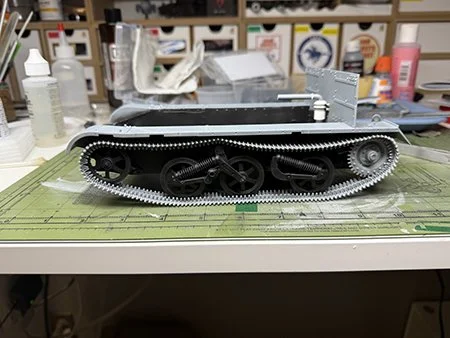
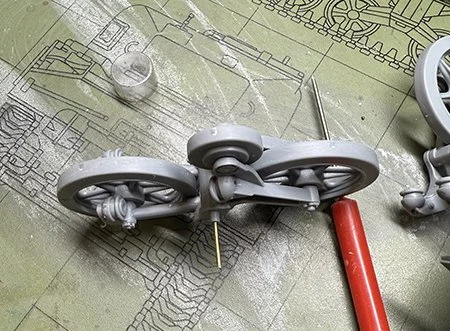
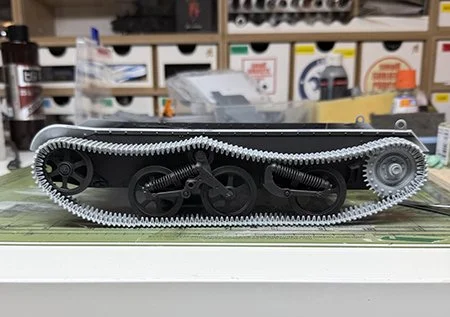
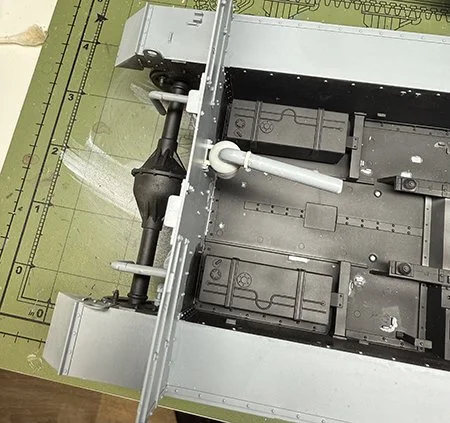
Barry notes: “Here are some pics of my build.  The one with the too-loose tracks has 165 links. I removed one link and it looks pretty good. I strengthened the flimsy front bogie with some brass rod.  Also attached is a pic that shows my fake air cleaner that can be seen through the screen.”

Now, some pics from Jim’s work bench. He’s been off from school since mid-December, returning Jan. 27, so he’s had a lot more time to build, paint—and screw things up.  

A few more things: Jim wrongly mentioned a meme about cliches in dioramas, like the pointing/shouting sergeant in his scene, when in fact it was a very amusing post by our Aussie pal Jamie Stokes on Planet Figure. Read it and chuckle!

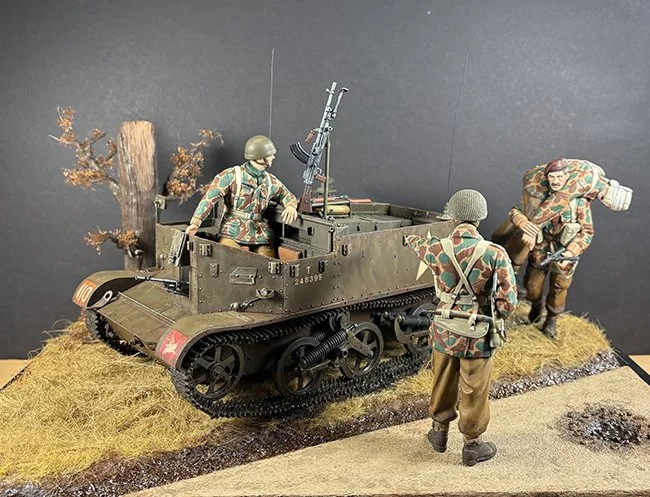
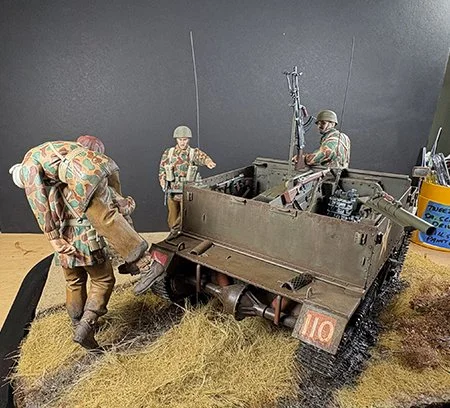
Here’s a link to Arnhem Jim’s blog, which also got a nod (the specific carrier Jim is building, T248395, can be seen here). Barry mentioned Martin Kovac’s excellent Night Shift modeling videos, and those can be seen on his YouTube channel here, and Rob Riviezzo’s helpful article about his own experience building the kit (his Rob Riv’s Modeling Insanity blog can be found on Facebook here).

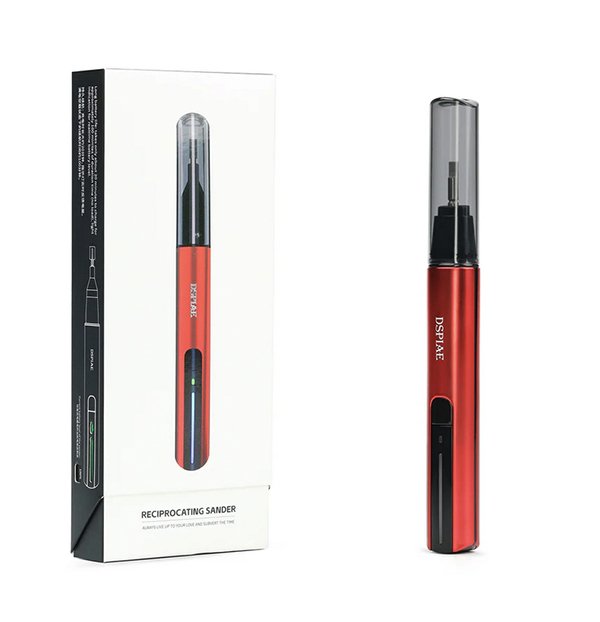
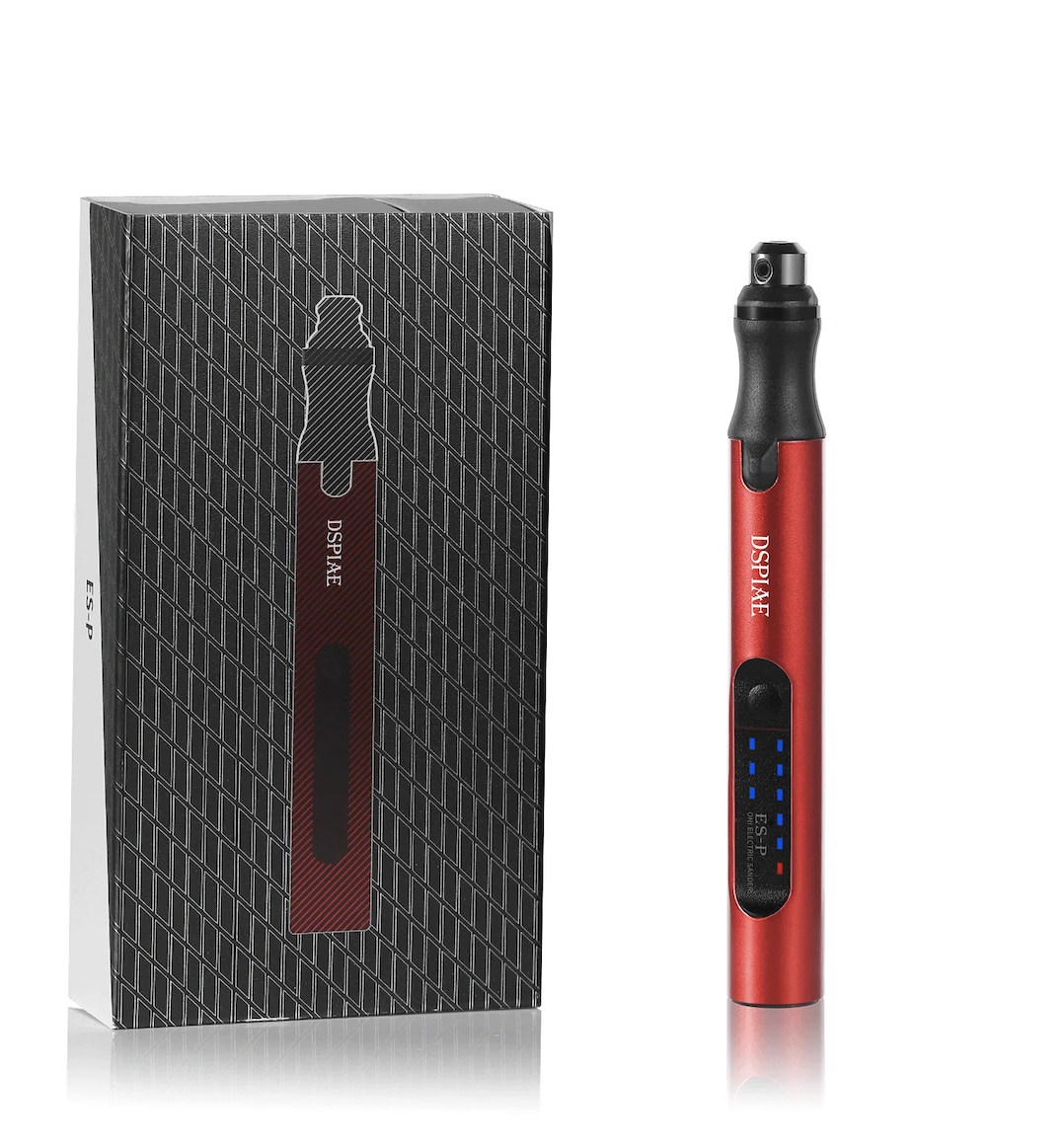
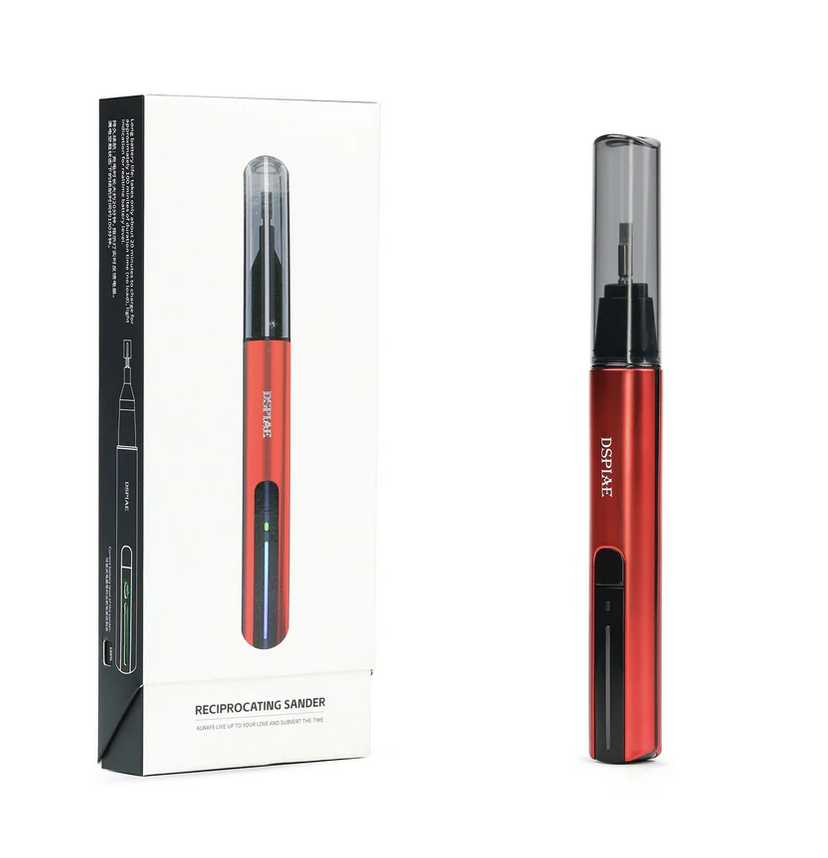
Finally, the boys talk once again about the DSPIAE electric reciprocating sanding pen. They’re both digging it—it’s been especially useful for cleaning up this weird Gecko plastic—and Jim has since bought the company’s electric sharpening/grinding pen, too. You’ve got to have the right tool for the job, always!

Episode 53: Francois Verlinden

In this episode, we chat with one of the legends of the hobby: Francois Verlinden, who is alive and well at age 78. He retired to Palm Beach, Florida, after the company that bore his name closed in 2016, but he is occasionally painting again “just for fun”—including some of those Warhammer minis the kids love!

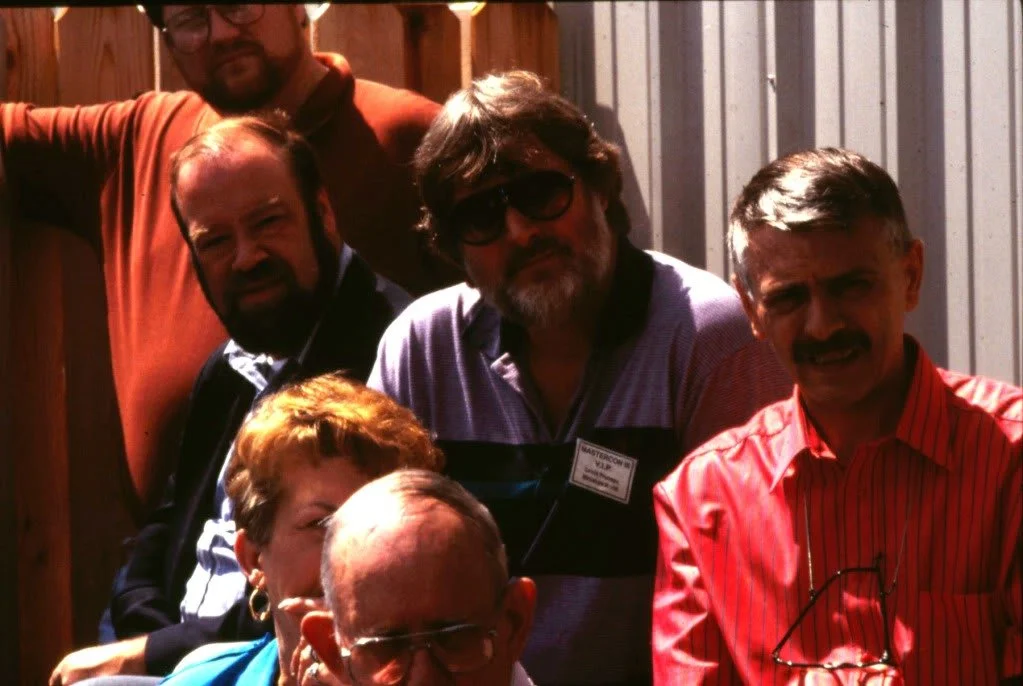
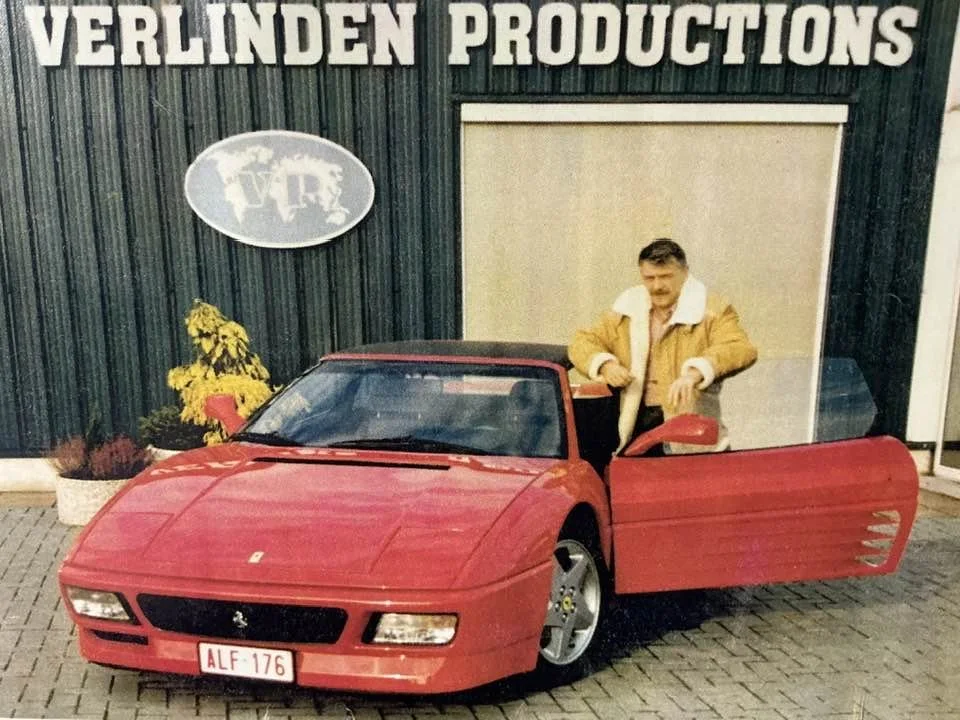
Verlinden is the last of “the Four Horsemen,” which, according to another, Bob Letterman, “was a term used by some of the guys back in the day to describe the four of us: Shep Paine, Lewis Pruneau, Francois Verlinden, and me… Some believed we, collectively or individually, helped popularize the then-new world of the diorama,” especially among armor modelers. (Below: Shep, Lewis, and Francois at Mastercon in 1990, from this article Bob wrote about his involvement with Verlinden Productions.)

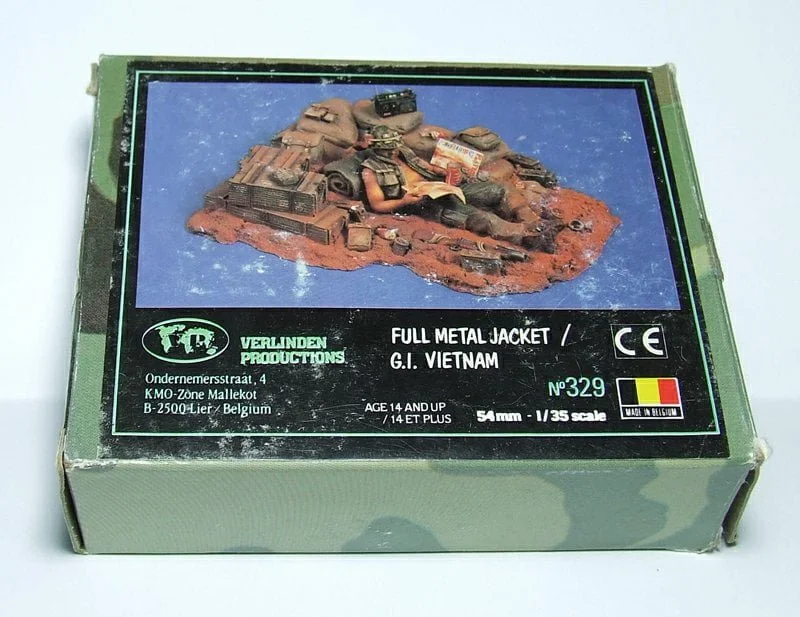
Some of the signage and memorabilia from VP, which was based in St. Charles, Missouri, along with some of the “superdioramas” built by Letterman and Pruneau, recently went on auction at the same house in Beloit, Wisconsin, that conducted last summer’s auction of the Ralph Koebbeman collection (including other pieces by Pruneau and Letterman and several classic Shep boxes, a subject on Episode 36 and in this blog post). That, combined with our pal and former podcast guest Greg Cihlar putting us in touch and patiently coordinating logistics, made this a great time to catch up with Francois, whose name at the peak of the company’s production adorned some 2,700 products in those little green camouflage boxes, as well as a library full of books and periodicals.

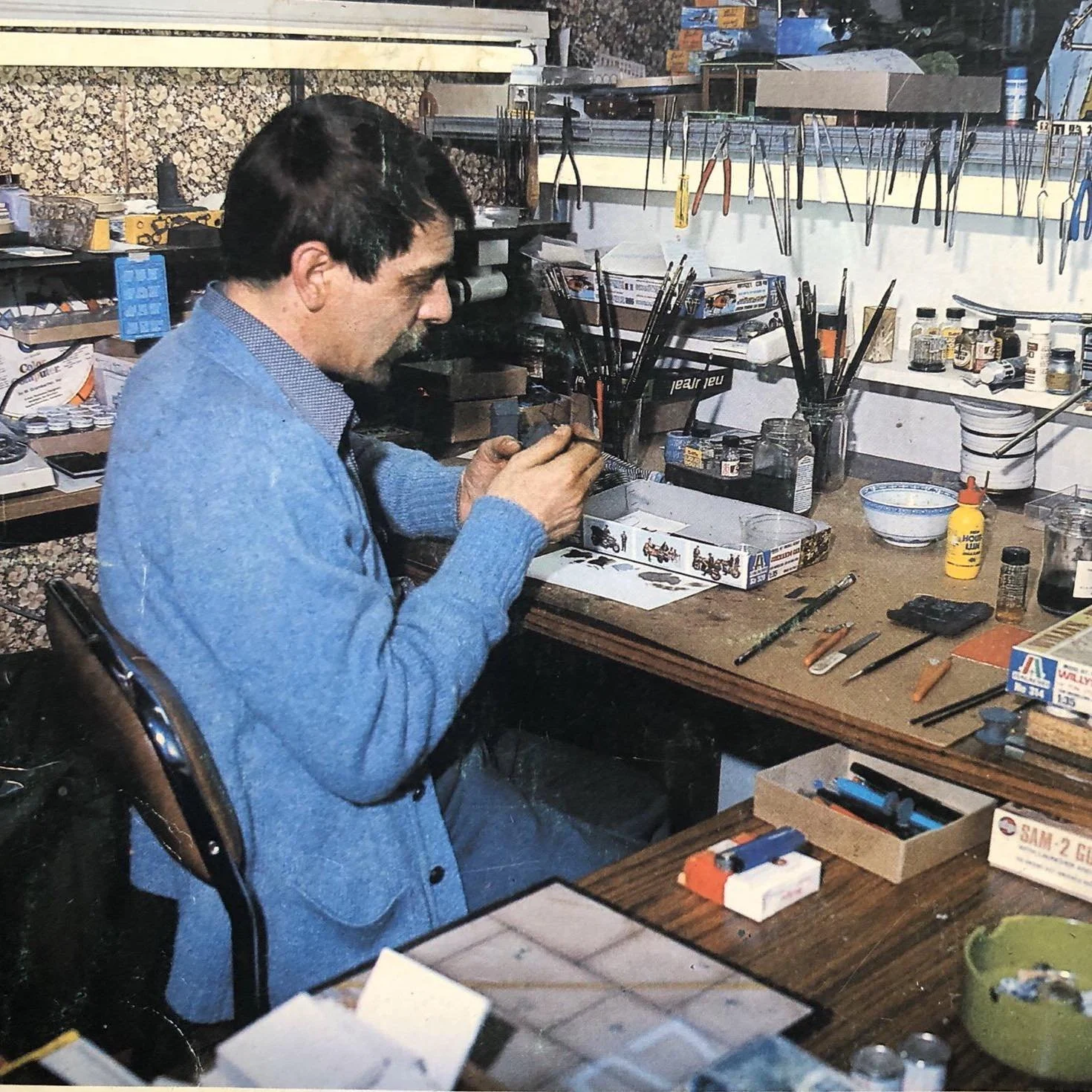
Francois charts his history with the hobby from discovering models at age 11, to opening a shop in his native Lier, Belgium, and from finishing kits that he set in dioramas that eventually connected him to Tamiya and Italeri, to producing some of those accessories that populated all his dioramas, as well as buildings and other scenery, figures, and the first widely distributed aftermarket parts to enhance existing kits.

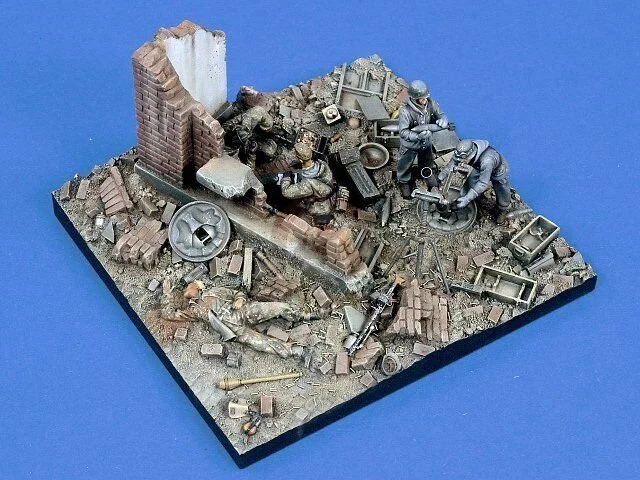
Francois did not sculpt or build the masters for the majority of what VP produced—an output that, he says, at one point required ninety tons of resin. His story is as much about being a visionary, if accidental, businessman as it is that of a painter and builder whose work inspired many others. The hallmarks of the “Verlinden way,” he notes with a chuckle: Filling his scenes with “lots of stuff” and drybrushing, as seen in the photos below, including, at the bottom, some of his recent work.

Indie manufacturers today may find it hard to believe, but there was a time when this small hobby could fund living relatively large. Francois laughs about his fondness for sports cars, and says he is grateful for all of the opportunities the hobby brought him. And he is glad so many modelers remember his name.

This episode ends with your hosts chatting about their current “buddy build” of the Gecko 1/16th Universal Carrier Mk. II. That phrase was new to Jim before Barry used it, and Barry now denies he suggested this project, although the evidence is there at the end of our last episode. (Warning: Building two 167-link lengths of track with five clean-up points per link may be making your hosts a bit loopier than usual. Below: Barry’s efforts as of this taping at left, and Jim’s at right.)

Finally, for once, Jim turns Barry on to a new and very useful tool (it’s usually the other way around): the DSPIAE electric reciprocating sanding pen. Those damn links were too small even for this wonderfully compact new toy, but it has already proven it has dozens of other uses!

Thanks as always for listening, and happy modeling in 2025!

Episode 52: Barry & Jim Recall Some of Their Earliest Kits and Figures

As they wait for some of the exciting interviews they’ve lined up for upcoming episodes to fall into place, your hosts turn in this one to expanding on their own answers to one of their favorite questions for guests—How did you get your start in this small-sized pursuit of ours? They dive into some of their earliest modeling experiences, and talk about some of the kits and figures they loved tackling as kids.

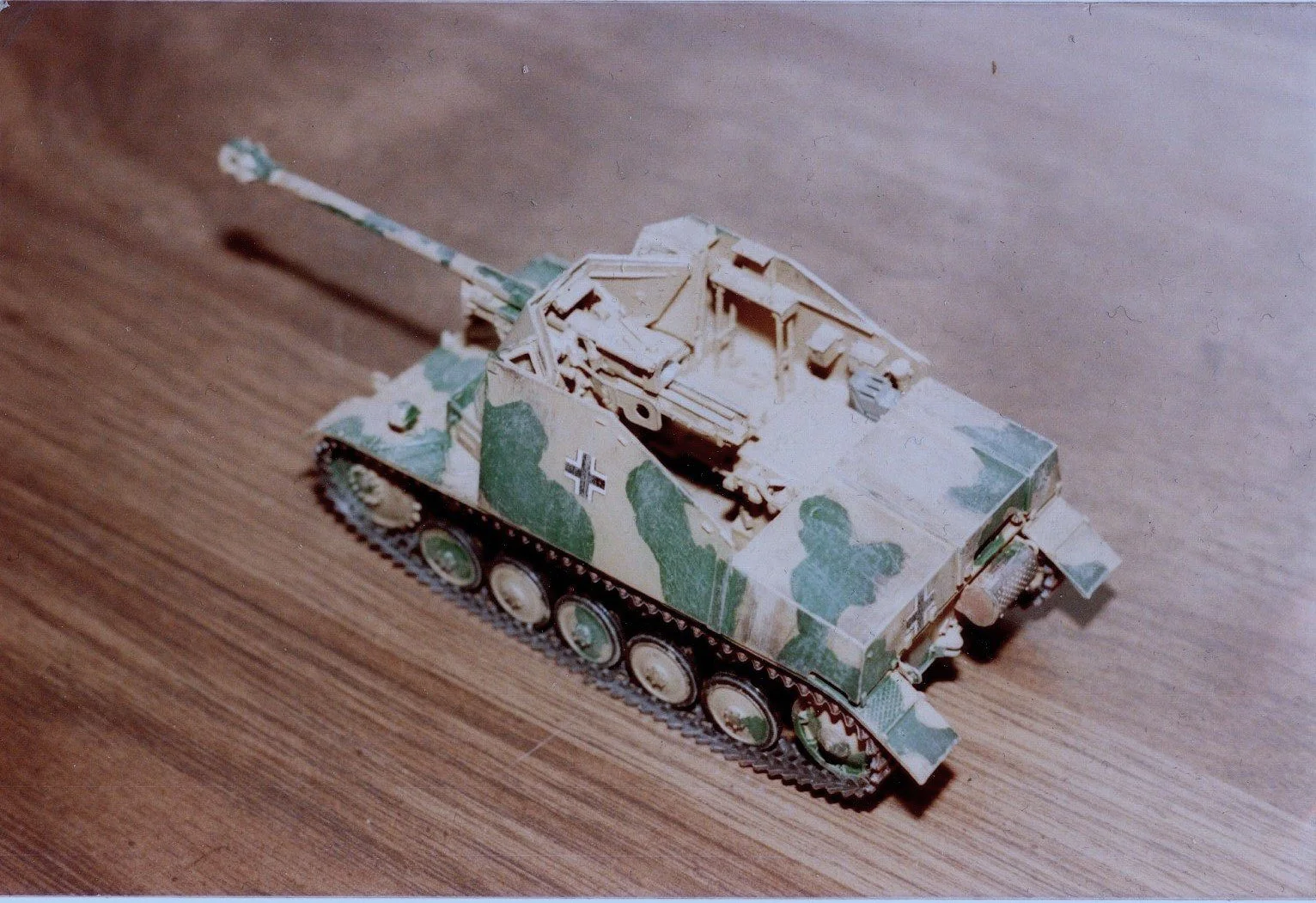
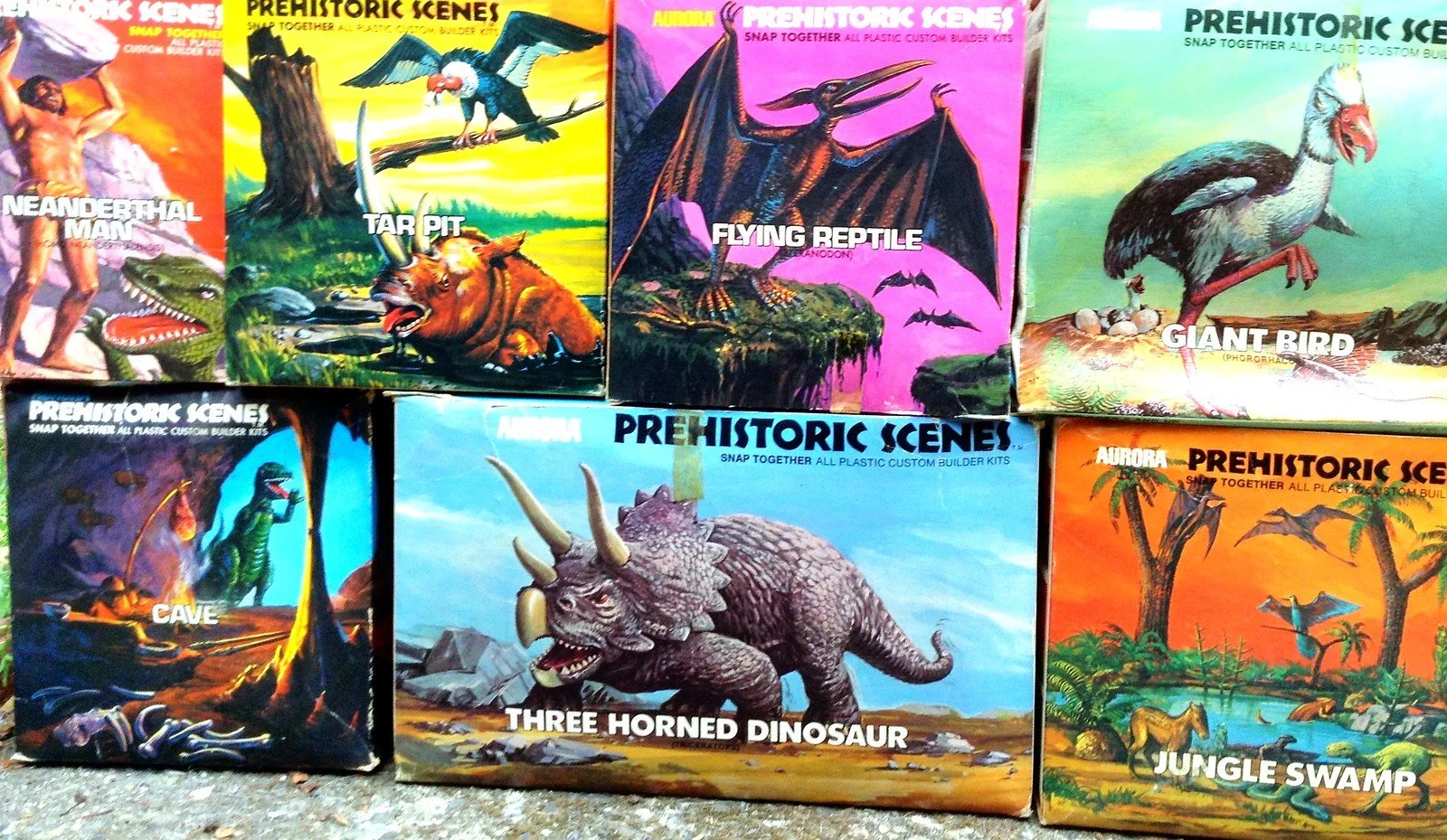
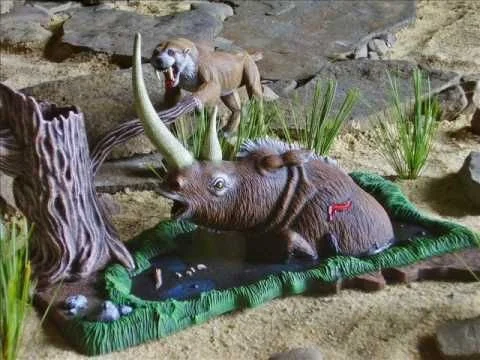
Above, Barry notes: “This was my first ‘serious’ model: Tamiya Marder II, built when I was 13.” Below: Jim fondly recalls snapping together all of the Aurora “Prehistoric Scenes” kits, and even enhancing some with some Testors enamels, circa age 9 or 10.

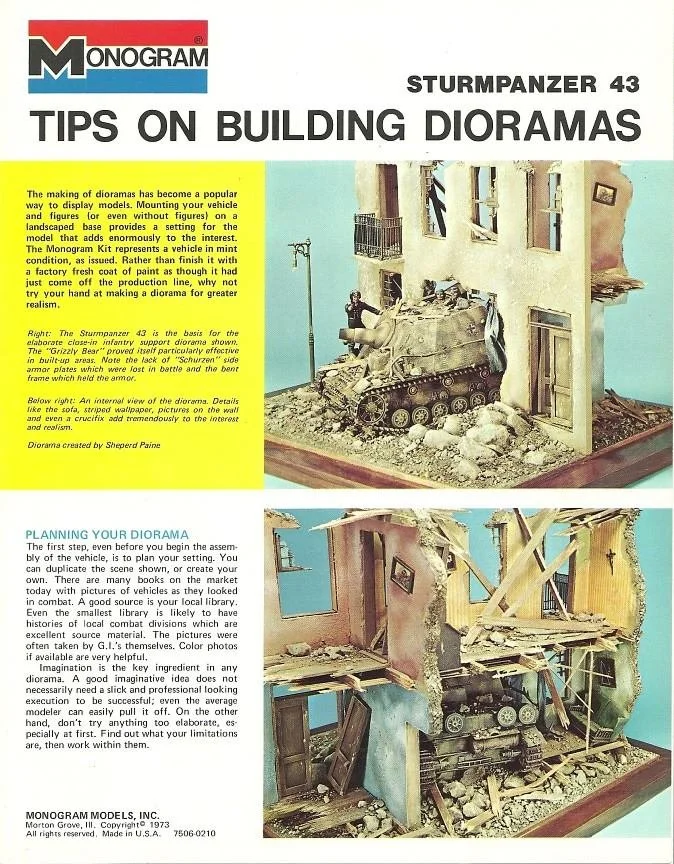
Above: Young Barry built the Monogram Lee and was much impressed with Shep’s diorama for the tip sheet.

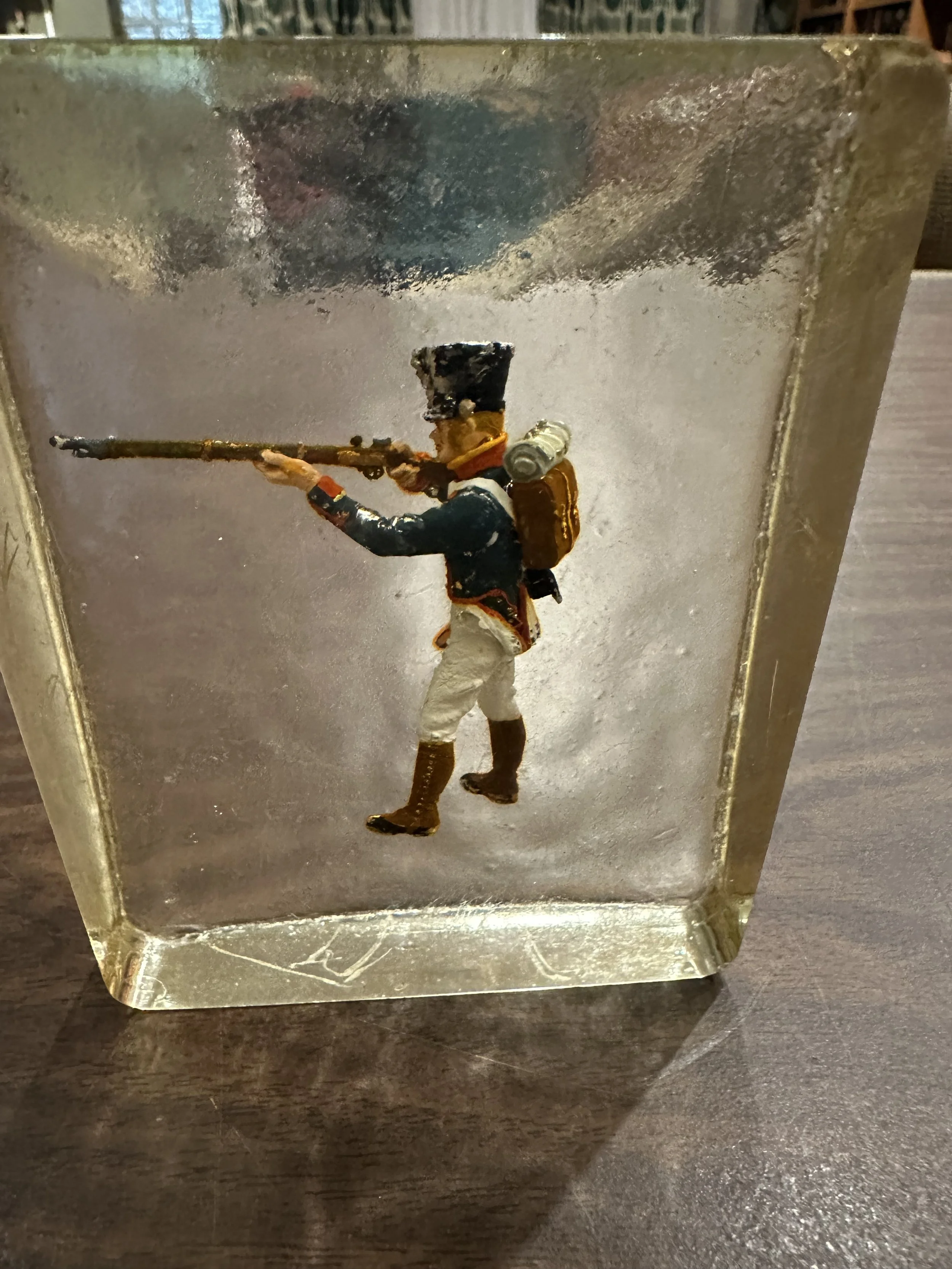
Above: After seeing Shep’s classic Monogram diorama of the downed Devastator in Sports Illustrated, a 13-year-old Jim became fascinated with clear casting resin. One of his first figures was the Airfix French line infantryman he assembled and put in a clear block as a paperweight (he only has this because he gave it to his stepdad as a gift, and it came back when Harry died). He said it was his first Historex figure during the taping, but looking at it now, it’s definitely Airfix.

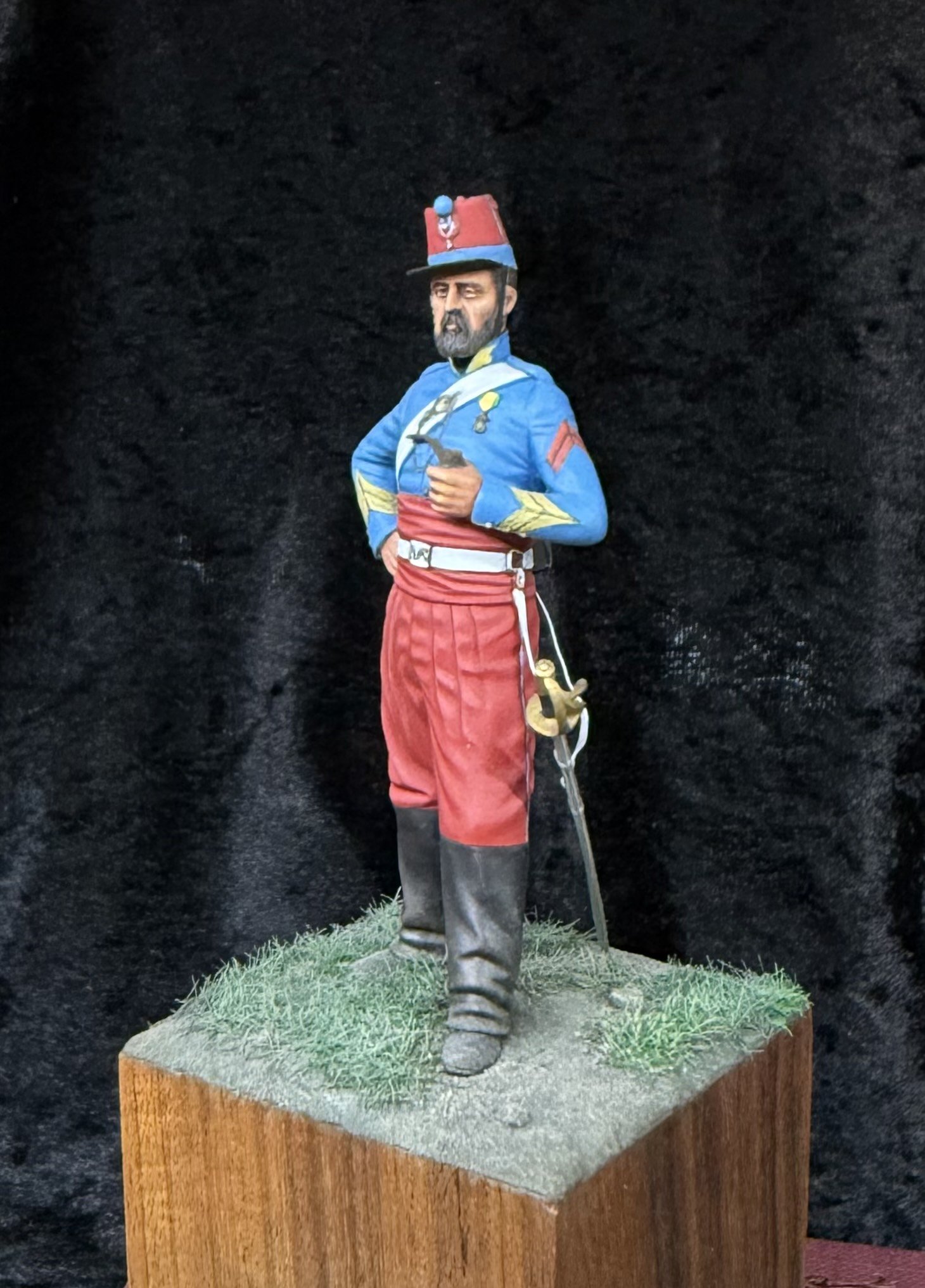
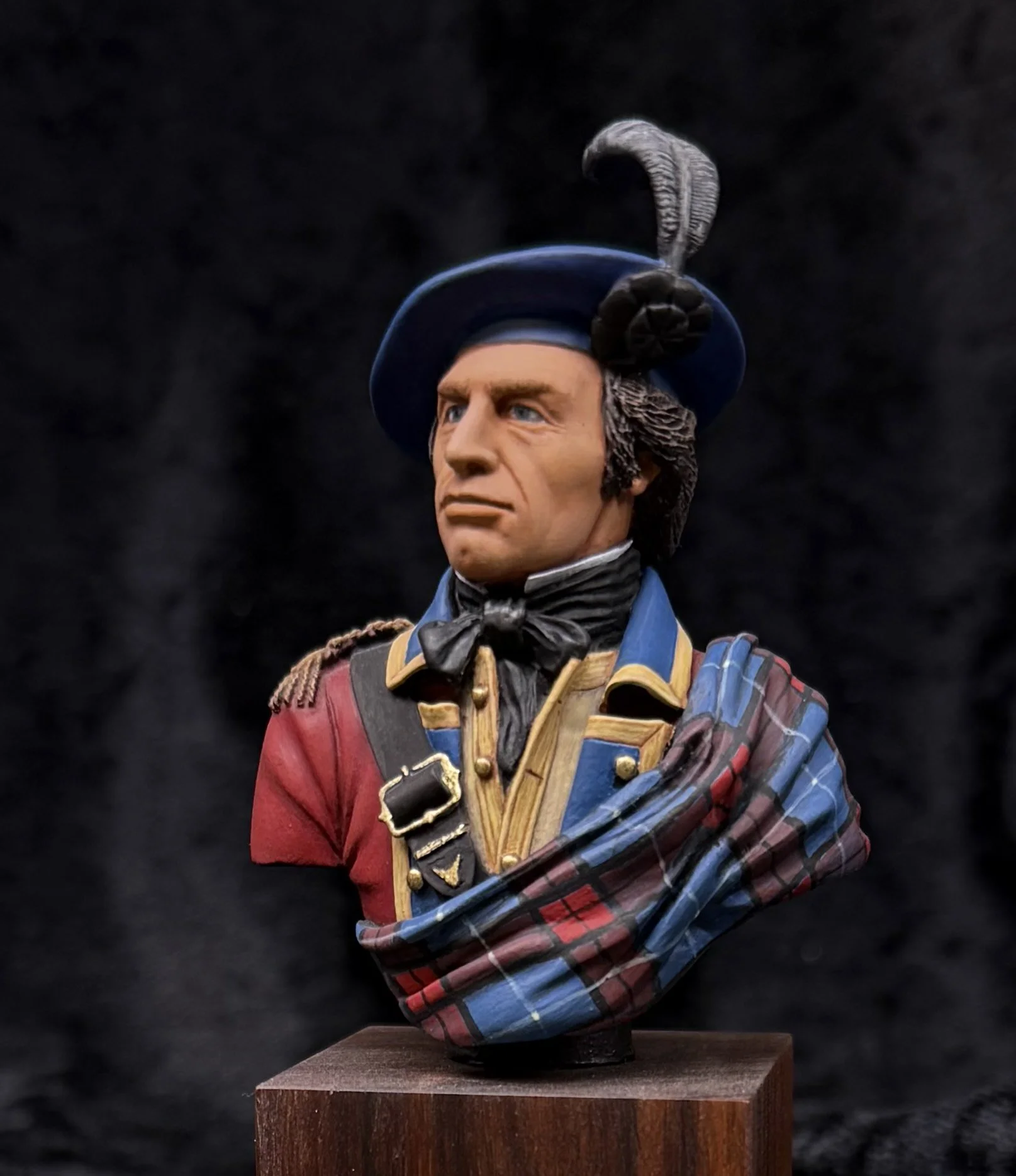
Below, Barry notes: “These are the first figures I ever entered in a serious show (SCAHMS 2004): Metal Modeles 54mm Chasseur D’Afrique and Amati 1/10 Highlander Officer, 1760. I can’t remember which one I got a bronze for.”

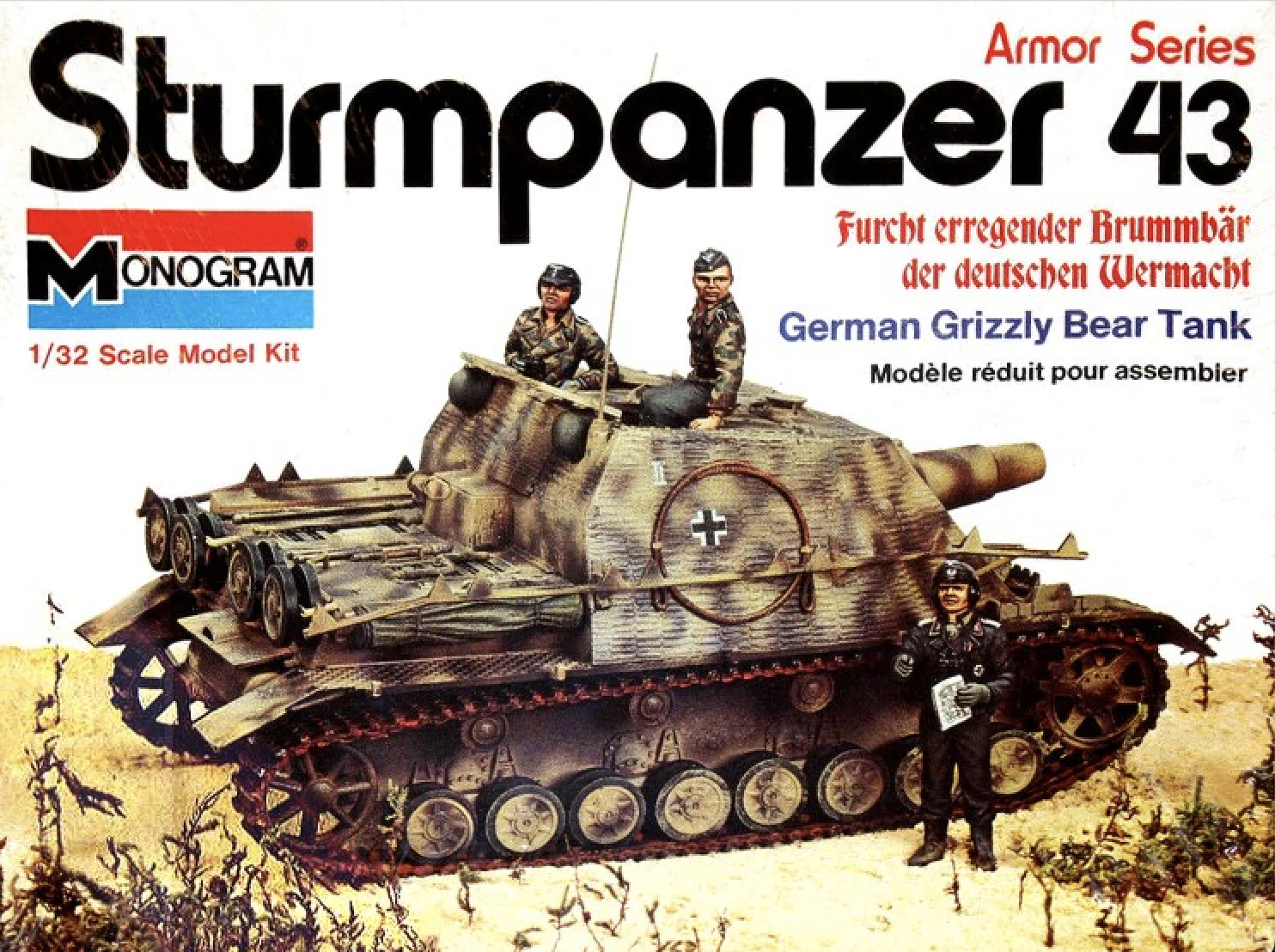
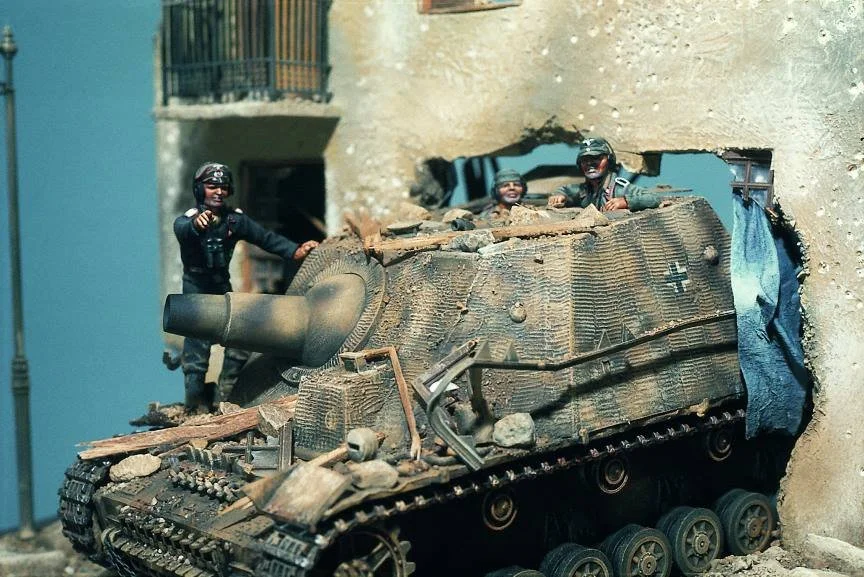
Below: Monogram’s Sturmpanzer kit and Shep Paine’s classic diorama for the tip sheet. It may or may not have been enhanced if the master had included a silhouette in the building, Coyote and Roadrunner-style, for where the commander broke through the ruin.

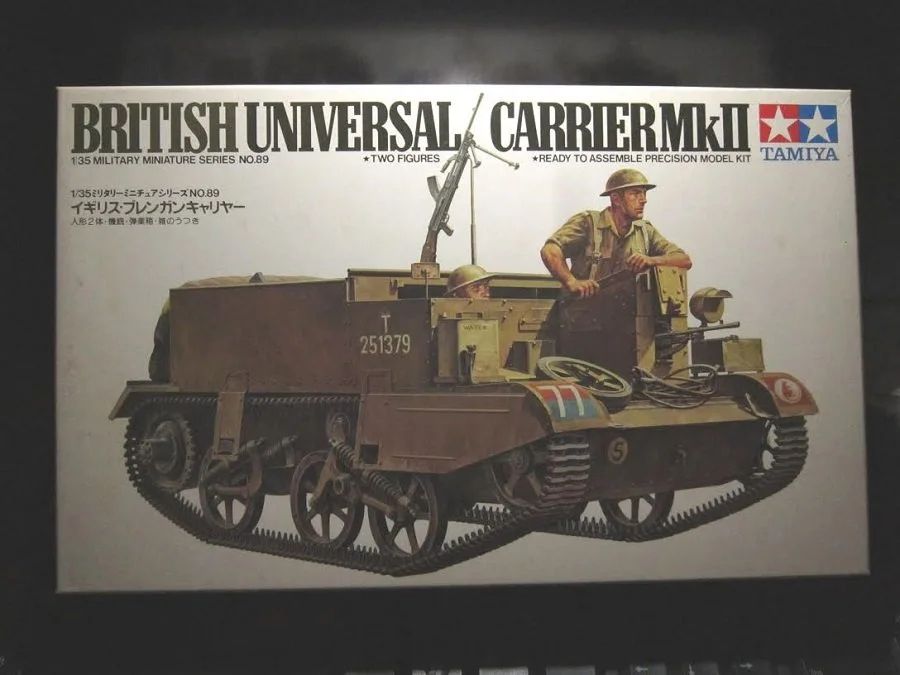
Jim also fondly recalled the old Tamiya kit of the Bren gun carrier, which Barry said wasn’t available in Utah, and mentioned that he’s been eying Gecko Models’ forthcoming 1/16th Universal Carrier. This prompted Barry to suggest they both build one when it’s available.

Challenge accepted!

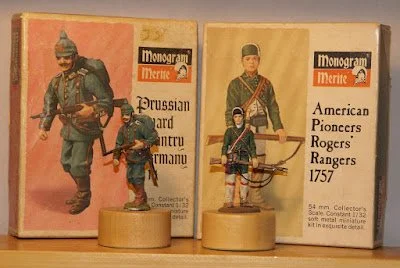
Finally, the Monogram Merite figures (Jim painted the Prussian Guard Infantry, sadly long lost to some landfill, along with the mouse carcass he had to peel off it at Campbell’s Model Hobby Shop in Jersey City). And the boys suggested this site as a good resource for revisiting some of these old kits.

Episode 51: The MMSI's 49th Chicago Show with Joe Berton and Pat Vess

Above left: MMSI President Joe Berton with 2024 Best of Show winner Scott Primeau; right: Show Chair Pat Vess with Judging Chair Jim DeRogatis.

Enthused as ever after any fantastic modeling exhibit, your hosts devote this episode to talking about the 49th Chicago Show sponsored by the Military Miniatures Society of Illinois on Oct. 18-20. After 14 years serving as assistant to Head Judge Shep Paine, Jim has filled that role since Shep’s death in 2015, with Barry serving as his chief assistant. One of the most veteran members of the MMSI (and the subject of Episode 34), Joe Berton is the club’s president and primary storyteller, while Pat Vess (who appeared with Joe on Episode 16, and many other occasions when he just happened to phone in the middle of a taping) is the hardworking Show Chair. They talk about their highlights from the 2024 show and others in the past. We’ve included a few photos of exhibits they mentioned here, but many, many more can be found along with a full list of the awards on the club’s Web site here, with special thanks to Andy Gulden and Bob Sarnowski. Also watch for the final issue of the club journal The Scabbard for 2024, coming soon! (Email jimdero@jimdero.com if you aren’t already on the electronic mailing list; subscriptions are free.)

Above: Scott Primeau’s Best of Show. Below: The Queen Elizabeth flat by Noel Meyer.

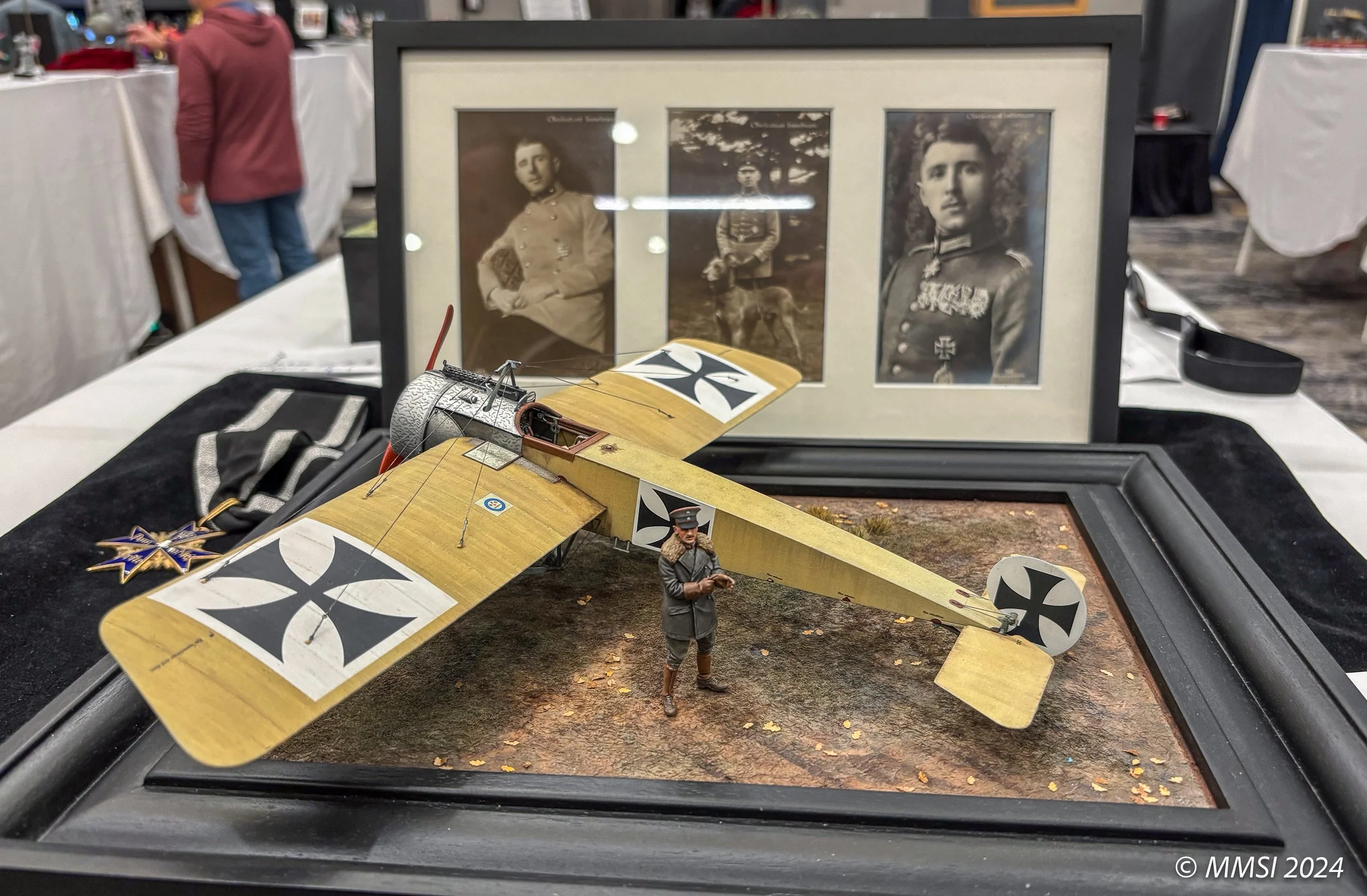
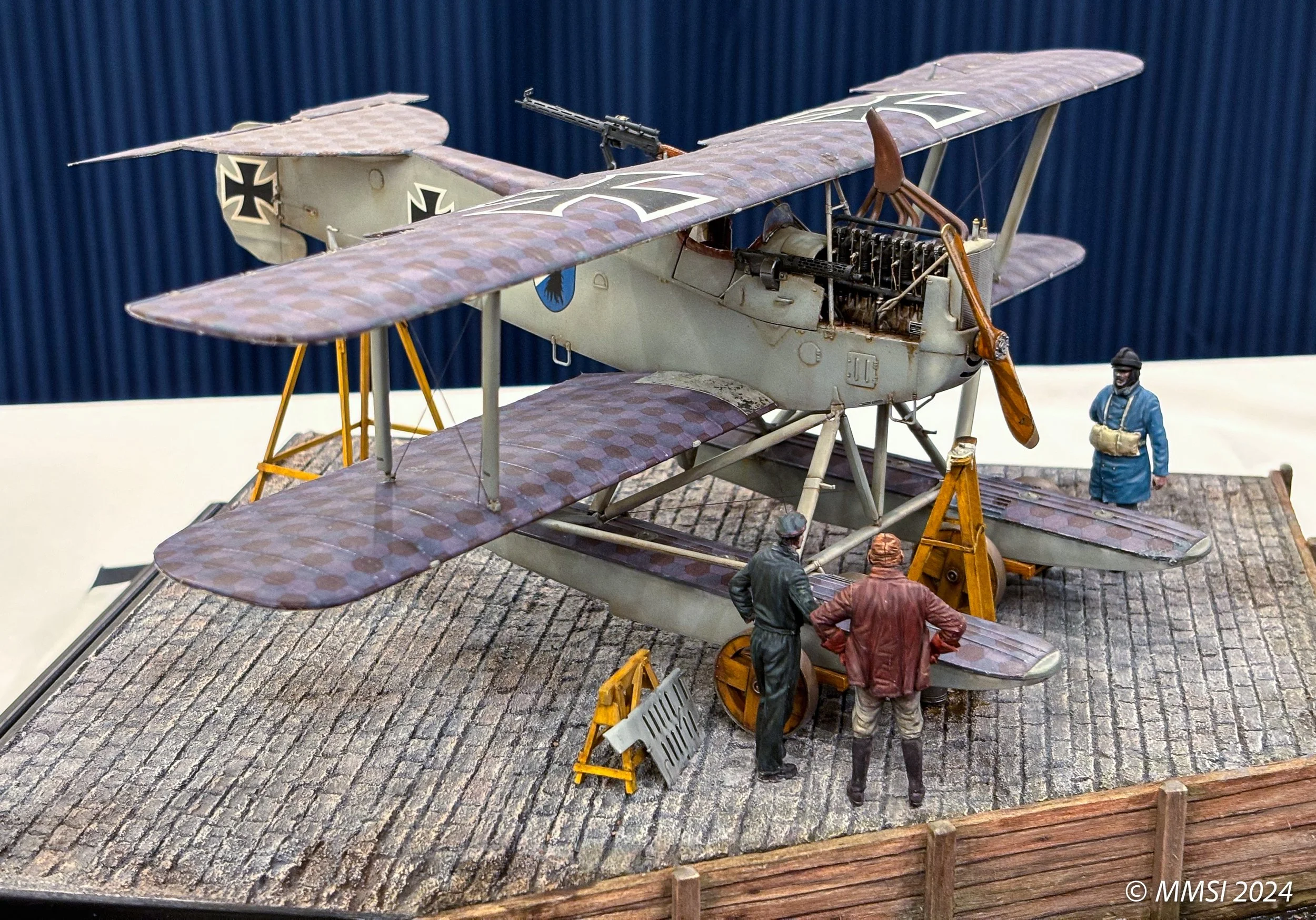
Above: Two extraordinary WWI airplanes by Kreston Peckham (left) and Dave Peschke. Below: From the exhibits by Andy Gulden and Bill Horan.

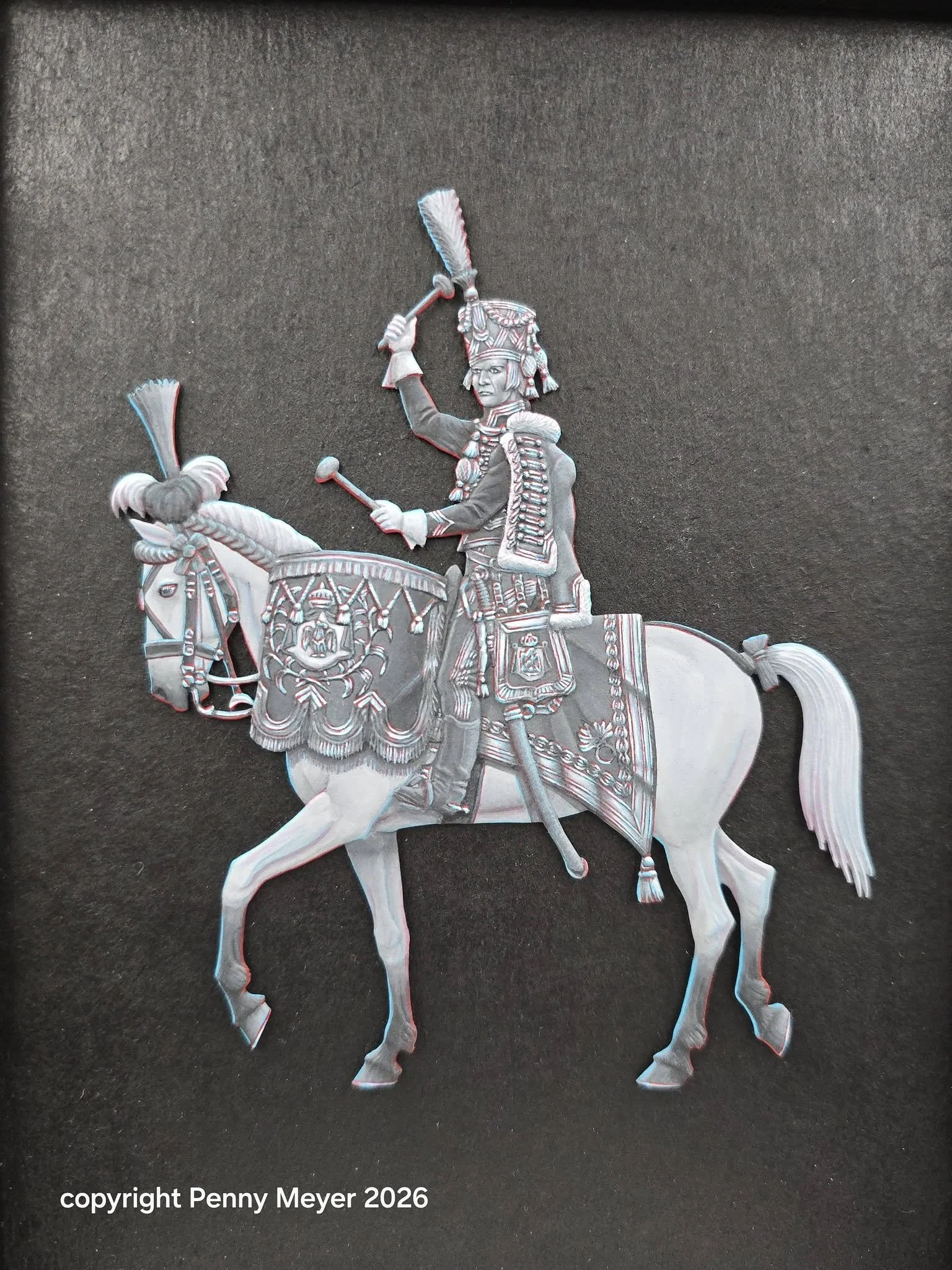
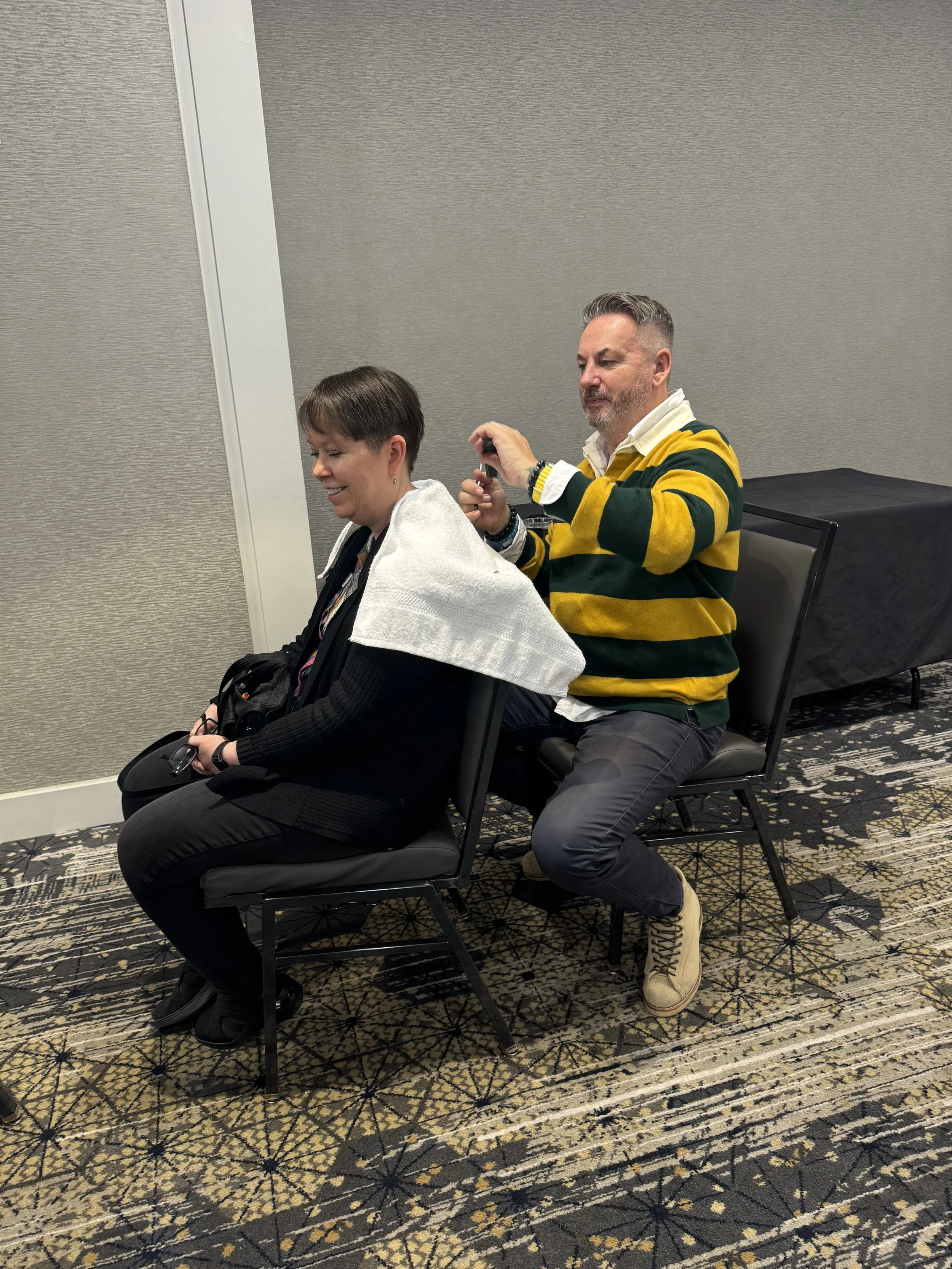
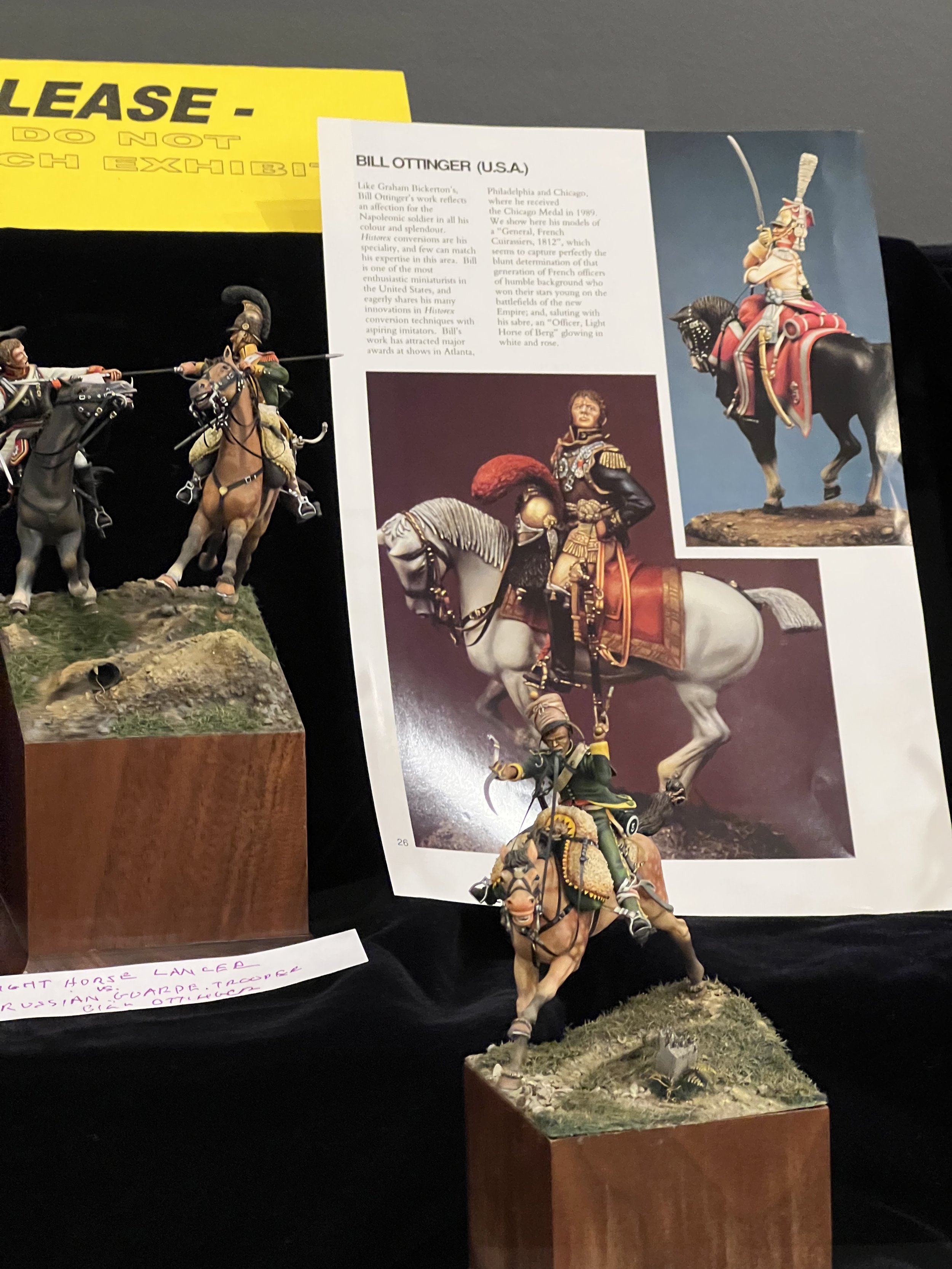
Above: Joan Biediger gets a million-dollar trim from expert hair stylist and painter Gary Baker (photo by Pat Vess). Below: Barry brought home the kettle drummer figure from the Bill Ottinger display, lovingly arranged by Joe Berton, with a portion of the proceeds benefiting the club.

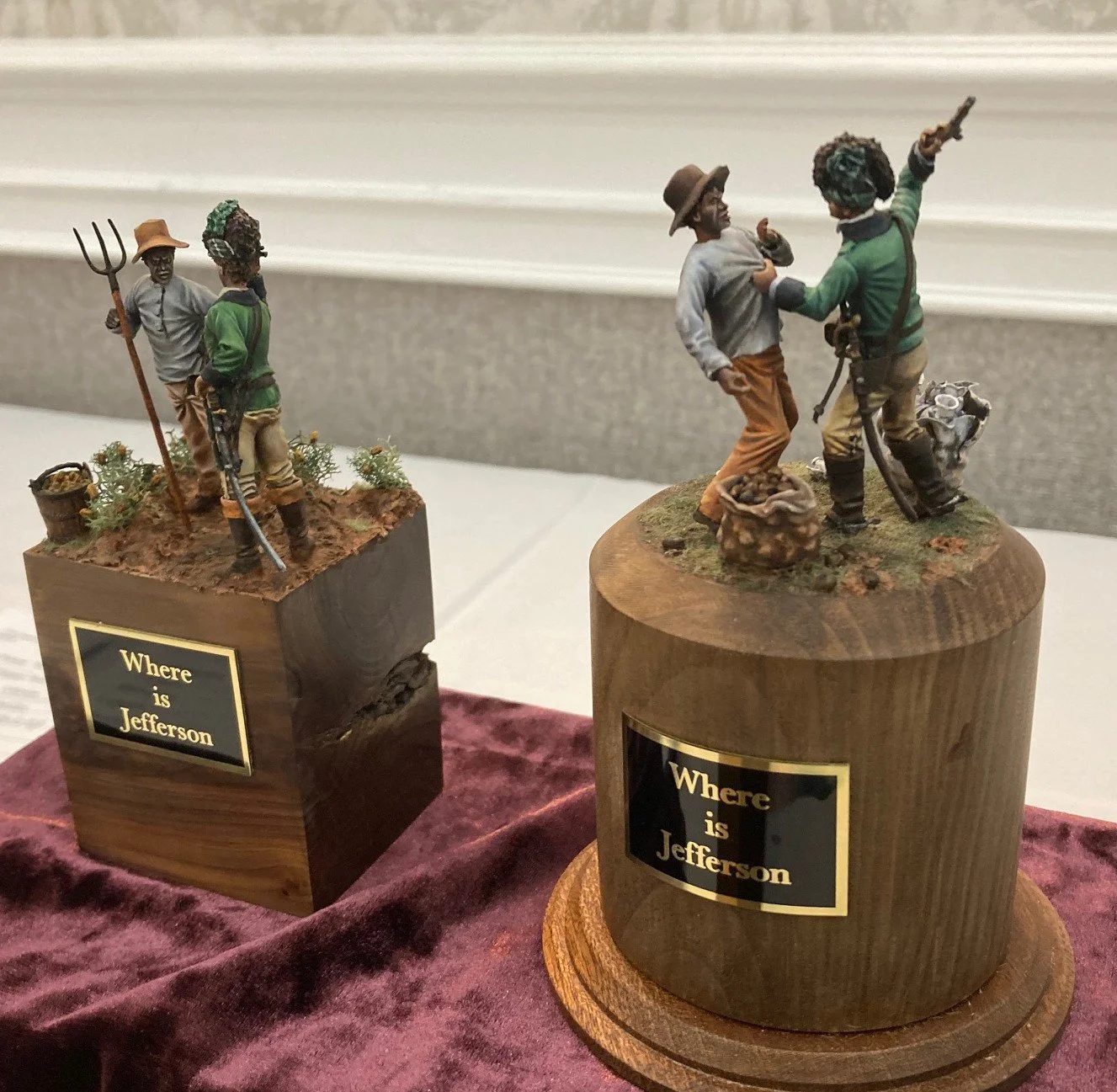
Above: By the Rev. Bart Muller. Below: Two takes on “Where’s Jefferson” by Mike Pierce. Joe thought both makers benefited from pointers at the Sunday-morning post-judging session in 2023.

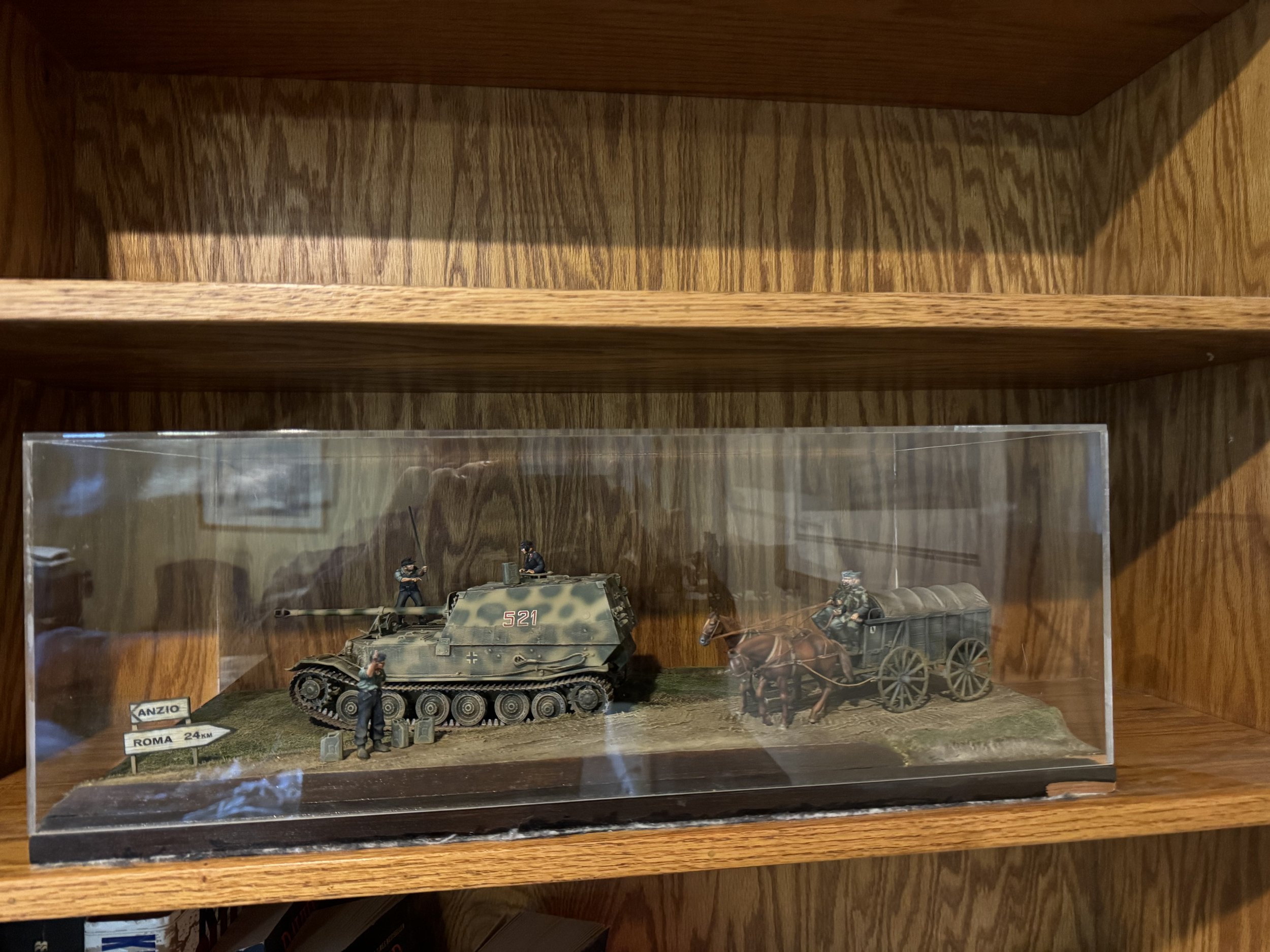
Above: Large-scale excellence: British Napoleonic field artillery by Bud Bowie and a massive 1/16th Sherman by Bob Sarnowski. Below: The two Shep Paine dioramas Joe acquired for the MMSI from collector Worth Linen: “The Elefant’s Dilemma” (pictured in its temporary home on Pat’s basement shelf) and “The Lady Be Good.”

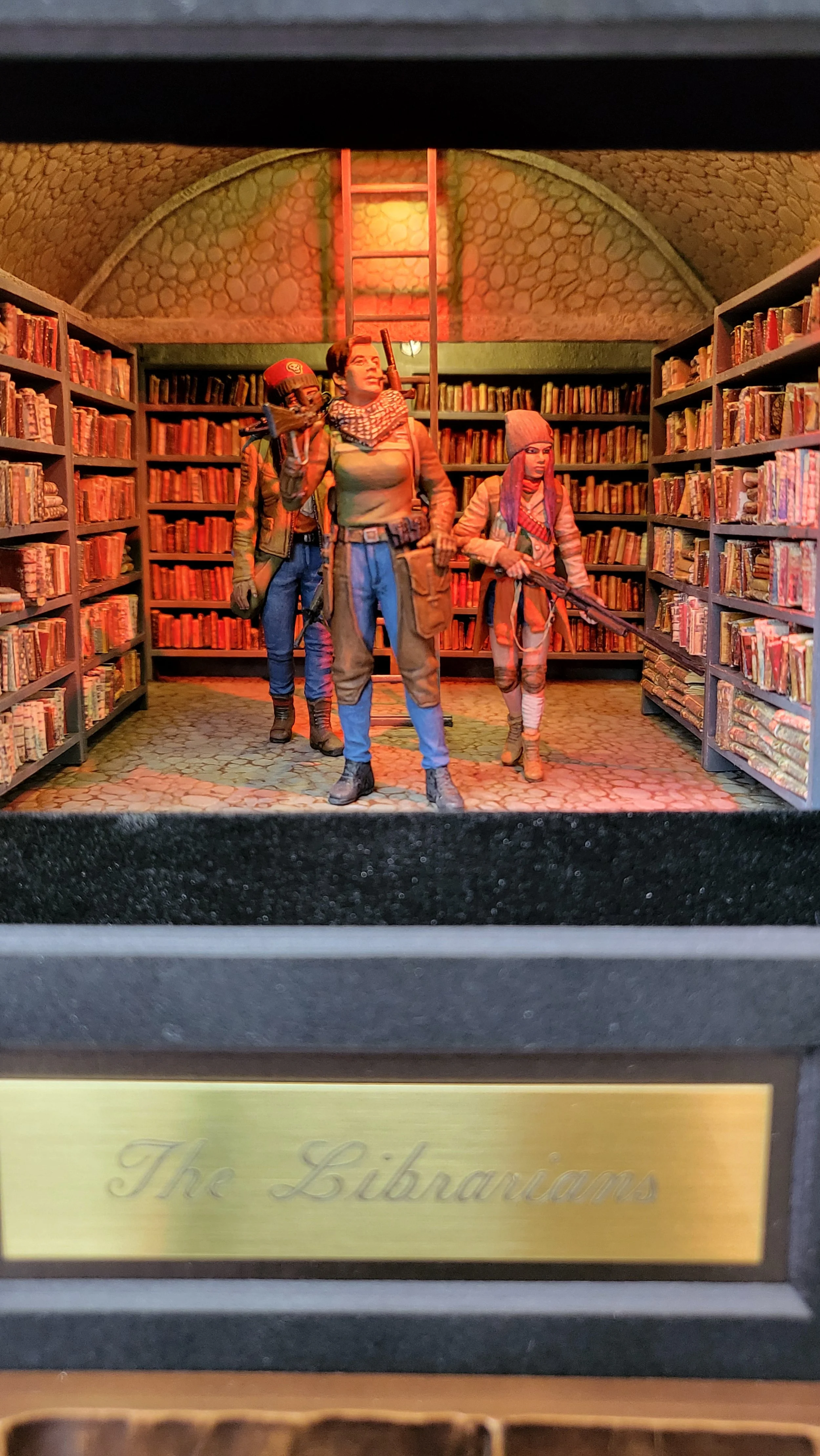
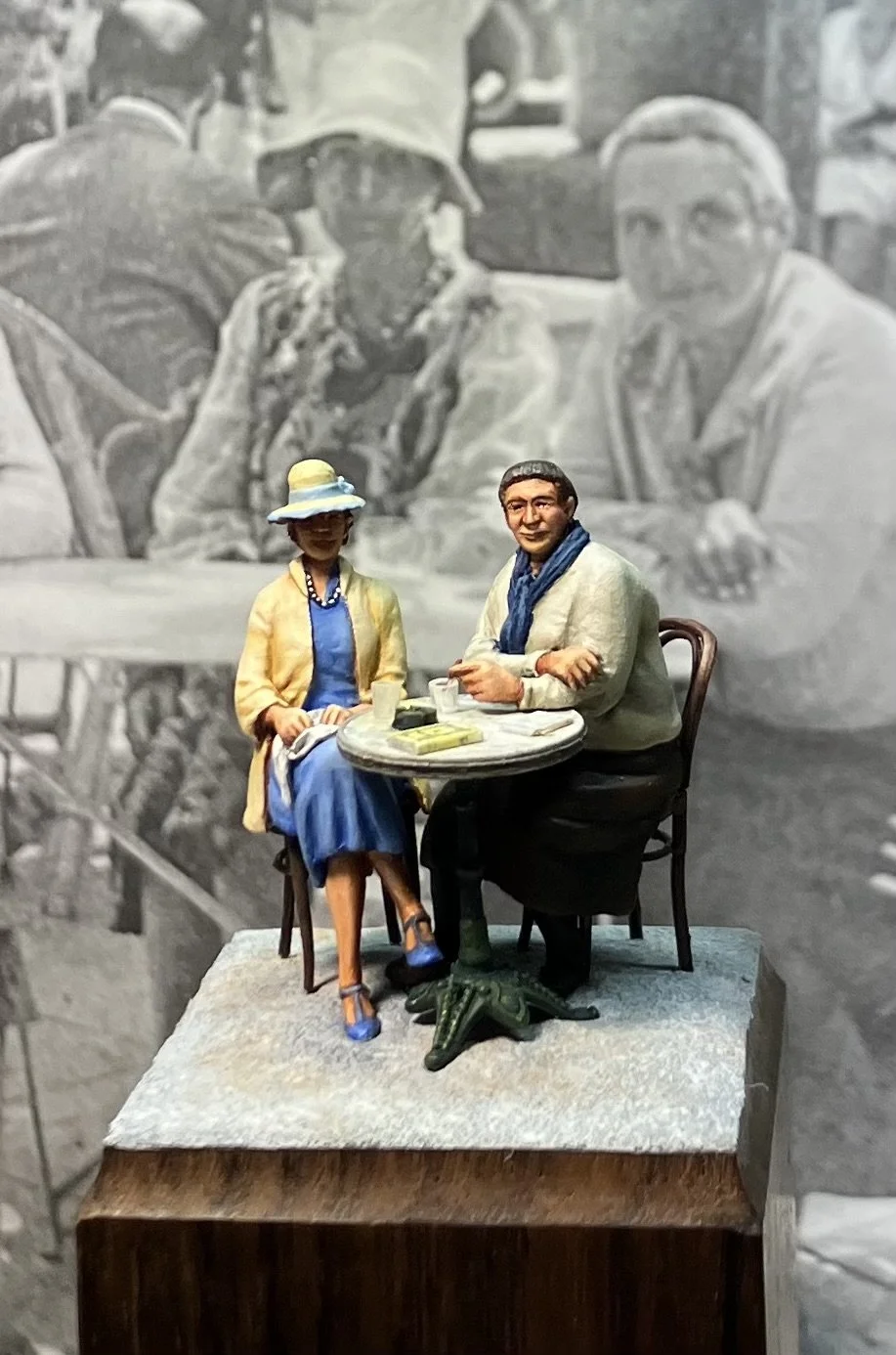
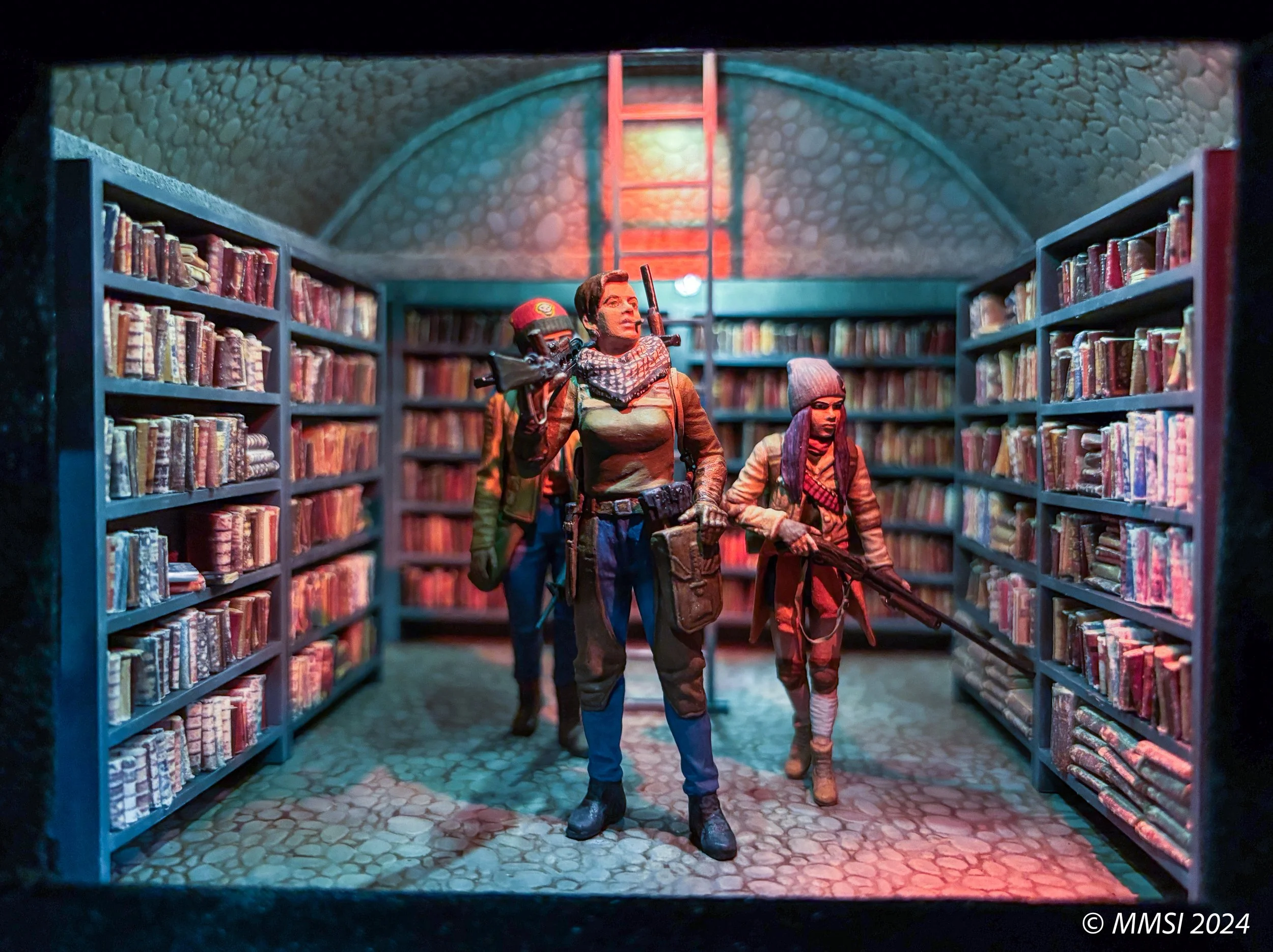
Below: Marder III and bust of Marie Antoinette by Barry; Gertrude Stein and Alice B. Toklas by Joe Berton and Jim’s latest box diorama “The Librarians.” All three showed their work for exhibition only.

Episode 50: Doug Cohen

For their 50th episode, your hosts talk with versatile Texas-based modeler, sculptor, and painter Doug Cohen, whose work stands out at any show he enters, as readily identifiable as his sense of humor. (The photo above, from his Facebook page, he captioned, “Doug with bacon.”)

Like all of our interview subjects, Doug has always been generous in sharing his knowledge and advising others about the methods that work for him, either in person, on the Net, or via the book published by his friends at Reaper Miniatures (seen above). Following is a representative sampling of his work, although with his impressive variety of interests and skills, it’s hard to call any of his pieces “representative.”

Above: An in-progress shot from Facebook of the recent John Brown diorama we discuss during our chat. Below: Doug does love his flags! (Photos by Bob Sarnowski)

Below: Doug also does fantasy…

And ordnance!

Finally, some relevant links from the chat that wraps up this 50th episode: More info on the annual MMSI Chicago Show, Oct. 18-19; Chris Meddings’s Model Philosopher Podcast (Barry and Marijn van Gils talk modeling and storytelling on Episode 8), and the 1/48 Tamiya Group Build sponsored by the Plastic Posse Podcast (The interior of Barry’s tiny tank-in-progress can be seen below).

Episode 49: Scott Primeau and More Tool Talk

In this episode, your hosts chat with Harris, Minnesota-based painter and sculptor Scott Primeau, a consistent gold-medal winner, Chicago medalist, and self-effacing talent whose attitude and ambition inspires both of us. Some examples of his work follow, many of which we discussed in our talk. You can find him on Facebook here.

Above: “Hey, Cowboy!”; “Stitches,” Best of Show Figures at the recent IPMS Nationals, and Scott’s spectacular Superman flat. Below: “Veiled Lady”; “The Babe,” and “Shadows.”

We’ve talked about tools on the podcast before—those we can’t live without, as well as those we certainly would rather avoid—but the subject has a way of continuing to come up. (Hey, it’s an obsession for all modelers!) Our pal Jack Lynch of the MFCA recently wrote, “Listening to the podcast and I can’t help but notice that certain modeling techniques and tools seem to strike fear into your heart (particularly fire, heat and airbrushing). You should do a discussion of people’s modeling fears. The only way to get past them is to dive in and commit to conquering your fear. I would love to bring you to the house and walk you through some of the things that scare you!”

We like Jack’s idea a lot, and would love to take the tour and benefit from his tutorials. But in the mean time, we once again talk about the Infini cutting mats, Jim’s new fondness using his pasta maker to roll out two-part epoxy putty really, really thin, and, of course, Barry’s dreaded table saw.

Episode 48: Talking with Natalia Oracz

In this episode, your hosts chat with another of their favorite painters from the fantasy realm, and one who’s been on their wish list of guests for quite some time: Natalia Oracz.

Based just outside Warsaw, Poland, Natalia has a distinctive style; to see one of her pieces, you can instantly recognize many others. Although she is now a professional supporting herself on commissions, her enthusiasm for the art form is obvious, and she is happy to share her insights and her knowledge with others, teaching in person and online. (Late this August/early September, she will be making her first trip to the U.S. for a seminar at the Nova Open gaming and fantasy figures event near Washington D.C.)

We’ve included a brief sample of Natalia’s work below, but you can also find her on Instagram, via both her own page and the one she’s started for her new company Owlsome Creations; Facebook; Putty and Paint; Patreon, and YouTube.

Above: Two takes on “Cozy” from Creepytables, including that incredible “clear” tea mug! Below: “Akito”; “Hummingbird Lady”; “Legend of the Sword: Arthur and Merlin”; “Moth Fairy,” and the diorama “Moria.”

This episode wraps up with the boys talking about the Rocky Mountain Hobby Expo, which brought the Open System to the Utah/Colorado area for the first time this June, with Barry doing a helluva job as head judge, and Jim having a great time and a swell visit. (Mmm, fry sauce!) You can find tons of pictures on the event’s Faceook Group here.

Episode 47: Joan Biediger Talks About Algorithm As Art

Although Barry has been swamped working with the crew prepping the Rocky Mountain Hobby Expo in Utah on June 22, Jim pressured him to get this episode out NOW so they could talk with Joan about her extraordinary box diorama “Algorithm As Art,” a gold-medal winner at MFCA 2024. Jim calls it one of the most important boxes in the history of the form—for its imagination, its execution, the ideas it raises, and the discussions it prompts. (Be sure to read his piece about it here.)

You can visit Joan’s Artist Gallery on this site, but we’ll post a few photos of her piece here again so you can consider them while listening. (Middle shot by Penny Meyer.)
The three also talk about their May trip to the Philadelphia area and their work restoring three of Shep Paine’s box dioramas at the Brandywine River Museum (documented here), as well as their experiences at the MFCA’s 81st show. Thanks for listening and taking a look!
Above: Jim, Barry, and Joan hard at work on Shep’s “To a Fair Wind… and Victory!” at the Brandywine River Museum. (Photo by Joe Berton.)

Episode 46: Getting the Scoop on Verko's Vault

Set to open later this year just south of the Las Vegas Strip, spanning 25,000 square feet with some 16,000 miniatures and counting, your hosts have been hustling to get the scoop on Verko’s Vault for some time. In this episode, they finally got the full run-down on the exciting plans for what will be one of the largest museums of miniatures yet opened to the public, courtesy of two of the driving forces, artists Penny Meyer (a previous guest on the podcast way back on Episode Four) and David Higgins, while the visionary and patron Gary Sparks hovered enigmatically but benevolently in the background. (Photos courtesy of our pal Penny.)

Above: Gary, Penny, and David. Below: Exterior of the museum building, and construction underway in April 2024.

Below: A small fraction of Gary’s collection, currently at his home, soon to move into the museum.

Education is a big part of the mission of Verko’s Vault, and it has already begun holding classes taught by world-class miniatures artists such as Michael Kontraros and Fabrizio Rusto Russo. Upcoming: our last guest Erik Swinson, and much, much more. Scan the QR codes to follow all of the doings on social media.

Below: Gary with his new 1:1 Balrog from Queen Studios, unboxed and soon to be on display in the Vault.

Rounding out this episode, we have another of Jim’s ongoing Questions for Barry, this one involving how to effectively fade colors with an airbrush. Too often, Jim has mistaken his Grex and Badger brushes for glorified spray cans, if not exactly with the disastrous impact seen below, than certainly with lesser results than he might achieve. As always, Barry offers some wisdom, and highly recommends this video.